Talk To Our Expert, Get A Solution in 20 minutes
Share your LED screen needs. Our experts will provide solutions and a quick response.

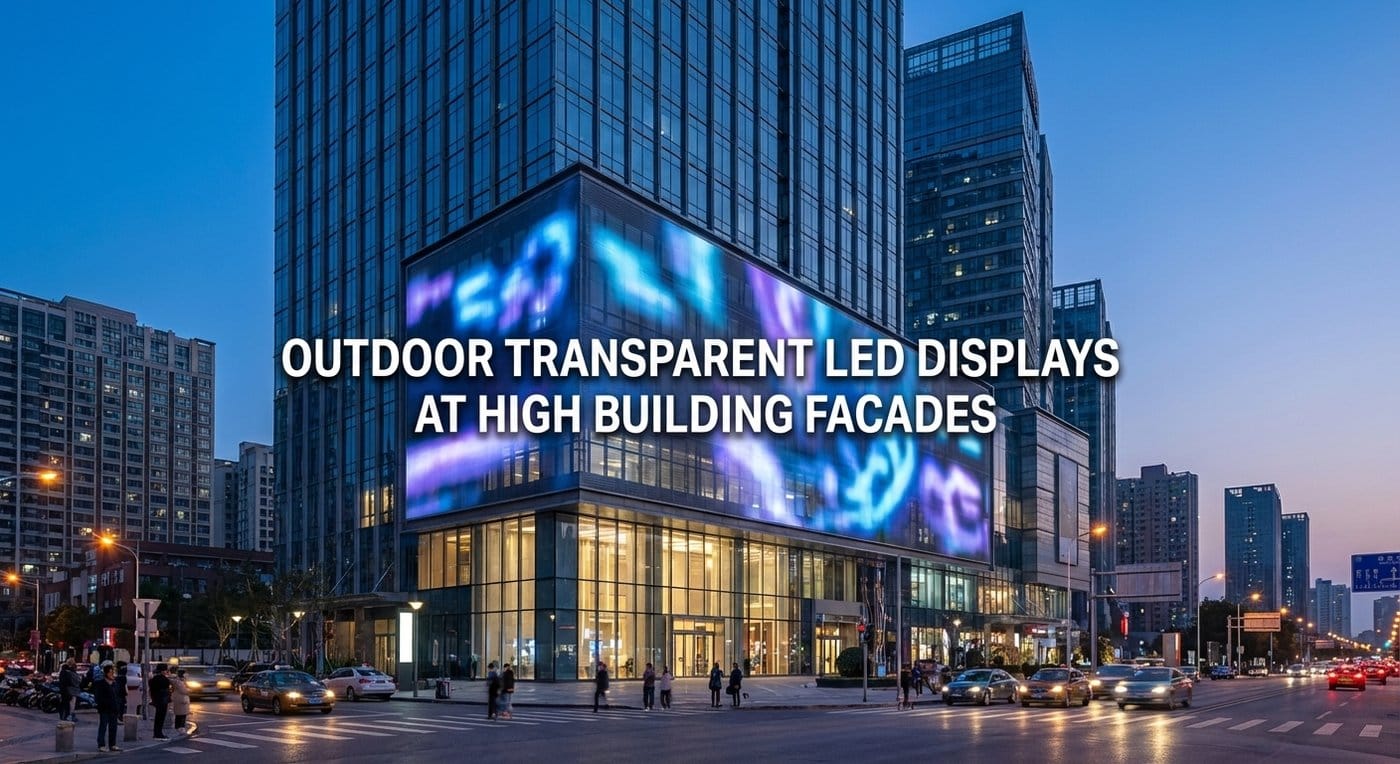
High-altitude installs are not just “normal outdoor, but colder.” You’re dealing with a stacked set of stressors:
If you want a dependable spec, write it like a system engineer, not like a billboard buyer.
For high-altitude outdoor use, 5,000 nits is a sensible baseline, and many projects land in the 6,000–10,000 nits range depending on sun angle, glass reflectivity, and content type. Also call out automatic brightness adjustment so the screen stays readable without running full blast all day.
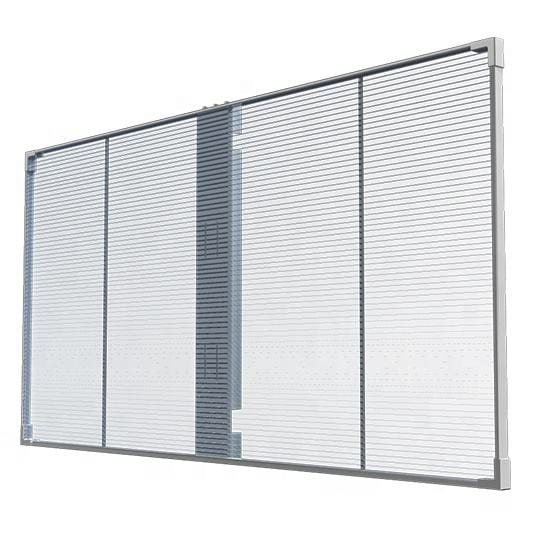
If your project is a glass facade or window, consider whether you need a transparent product family such as transparent LED screens for high-impact visuals without blocking sightlines.
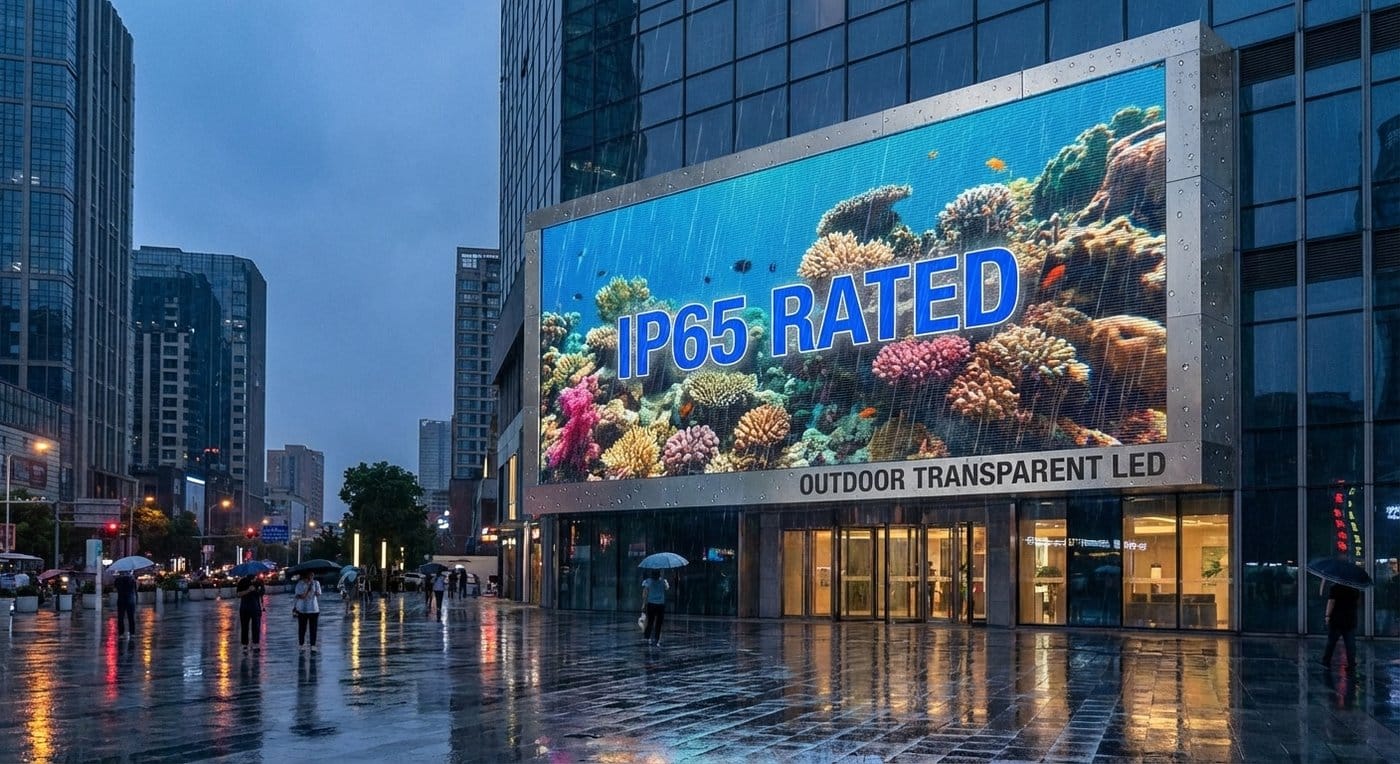
For harsh outdoor conditions, IP65 is a practical minimum for dust/water ingress protection. If your site has wind-driven rain, snow/ice cycles, or frequent wash-down, you’ll want to discuss higher protection strategies (and how service access works without compromising seals).
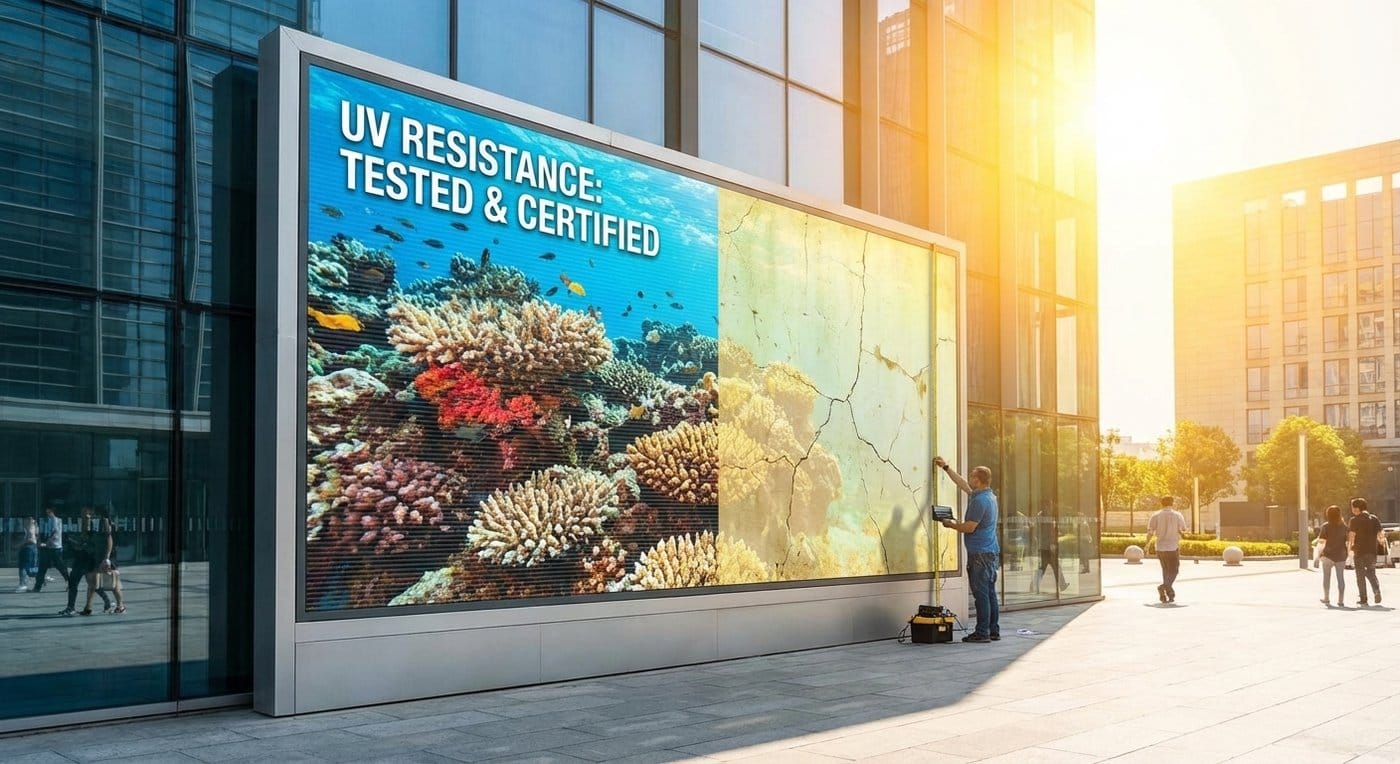
The document highlights UV-driven fading/damage risk and the need for UV-resistant materials/treatments. From a spec perspective, require:
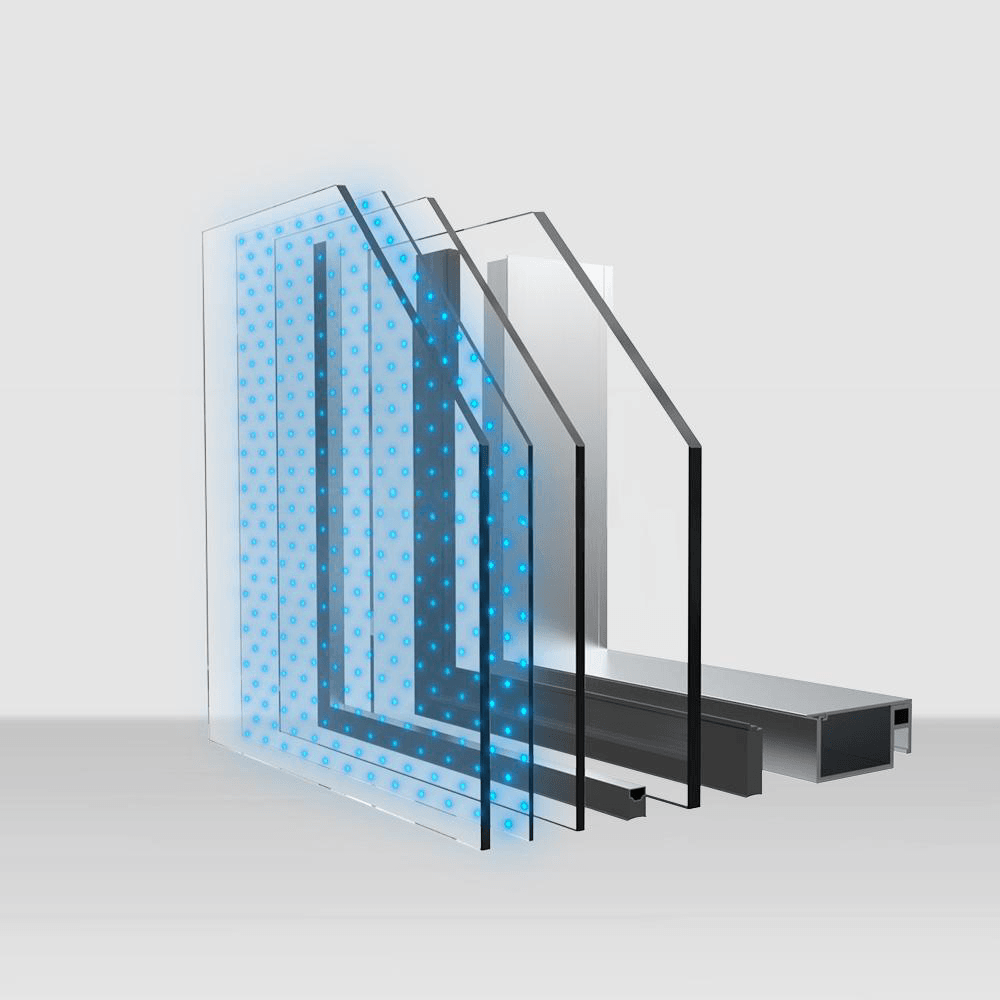
Transparency is commonly in the 60%–90% range for transparent screens, helping preserve sightlines/daylight while still delivering content. For architects, this is the trade-space: more transparency usually means less fill-factor, which can affect perceived brightness and daytime contrast. The right answer depends on distance and ambient conditions.
High-altitude means you must design for wind and the resulting dynamic loads. In real projects, that turns into:
If your facade calls for high airflow and low wind load, a grille/mesh architecture can be a smarter starting point than a dense cabinet wall—see KJ series outdoor transparent LED grille screen and other facade-oriented options.
A proper assessment includes obstacles, electrical lines, and even practical hazards like nesting and insects—because service access at height is expensive and disruptive.
The text emphasizes thermal management built around natural cooling and heat-dissipation structures (including fanless concepts). Your spec should require:
Remote monitoring and control lets you adjust brightness and check status without dispatching crews to a hard-to-reach site.
A modular design supports quick replacement and reduces maintenance time—critical when lift access or rope teams are required.
For projects where the “display surface” is not a flat wall (curves, glass features, irregular architectural elements), flexible/film solutions can be compelling; the source notes transparent flexible displays are useful for unconventional surfaces. Related internal resources: transparent flexible LED film screen (COB).
The document groups outdoor transparent solutions into several practical categories (transparent screens, modular, interactive, flexible, energy-efficient, etc.). Here’s the expert filter:
Best when you need strong brand visuals on glass while maintaining sightlines (retail windows, atriums, curtain walls).
Best when wind load, ventilation, and structural weight are major constraints. If you’re evaluating mesh for outdoor exposure, start with purpose-built products like outdoor mesh LED display screen (IP65 waterproof).
Best when the building geometry (or the “don’t touch the structure” requirement) blocks traditional framing.
The source suggests pixel pitches roughly P3.91 to P10.42 as workable options depending on scenario. In practice: pitch should follow viewing distance and content (brand video vs. wayfinding text). Overspec’ing pitch at altitude often just increases cost, power, and thermal burden.
The PDF cites examples of high-altitude/scenic deployments: storefront window installs, parks using transparent screens for public information/interactive exhibits, and cultural exhibition spaces using transparent displays to enhance engagement. Takeaway: the strongest projects combine:
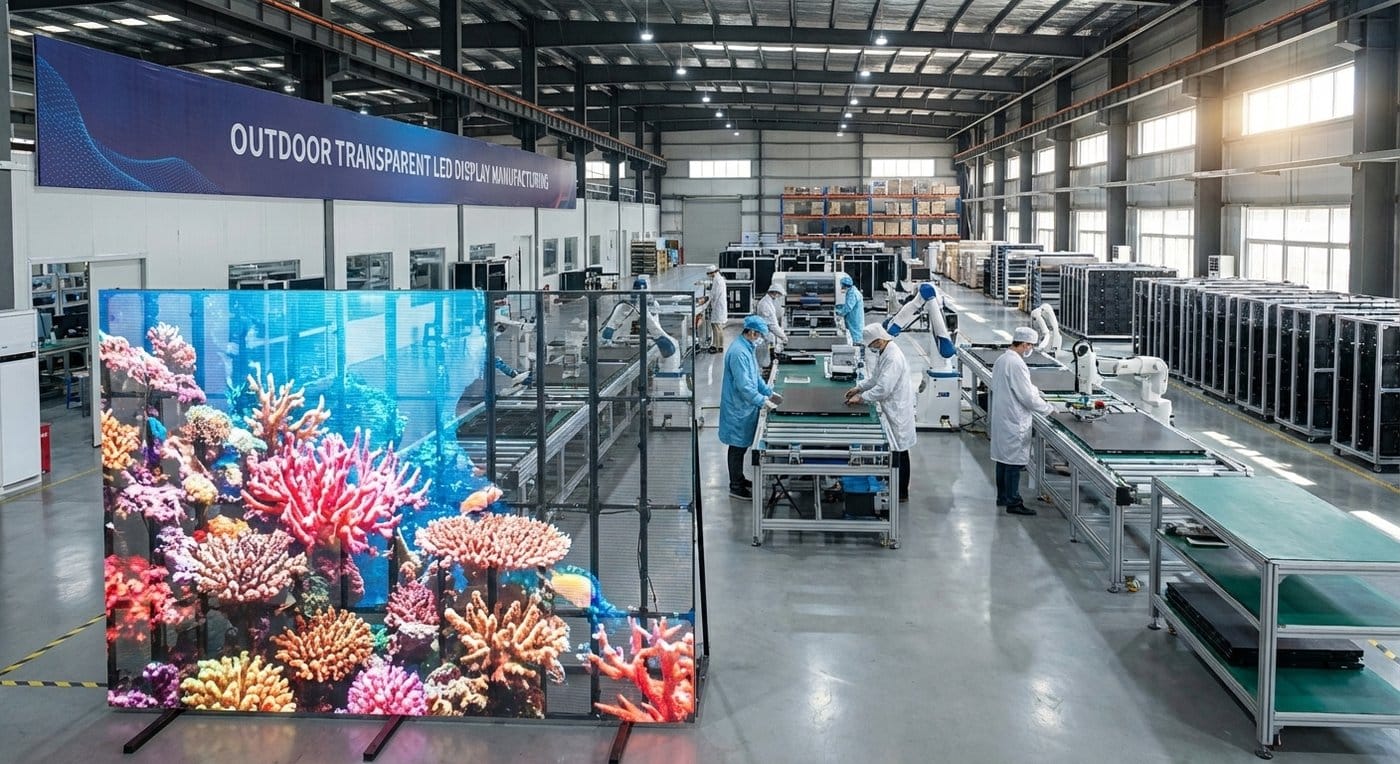
At high altitude, small weaknesses become expensive failures. When you’re selecting a supplier, look for three things:
ChinaLEDScreens is built around that factory-direct model (founded in 2009) for overseas projects that demand predictable build quality, stable supply, and responsive support—especially when the site is difficult and the downtime cost is high.
If you want help translating your site conditions into a clean spec, start at ChinaLEDScreens and share your project constraints (elevation, facade type, viewing distance, and target content).