Talk To Our Expert, Get A Solution in 20 minutes
Share your LED screen needs. Our experts will provide solutions and a quick response.

ChinaLEDScreens | Transparent “floating visual” displays for retail & exhibitions
Holographic LED screens are often described with a lot of buzzwords, so let’s set expectations correctly from the start.
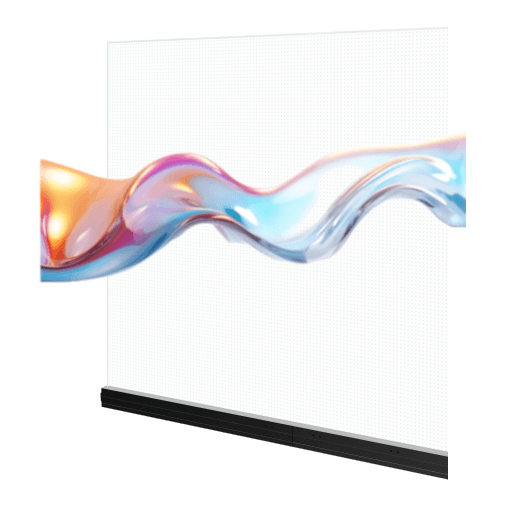
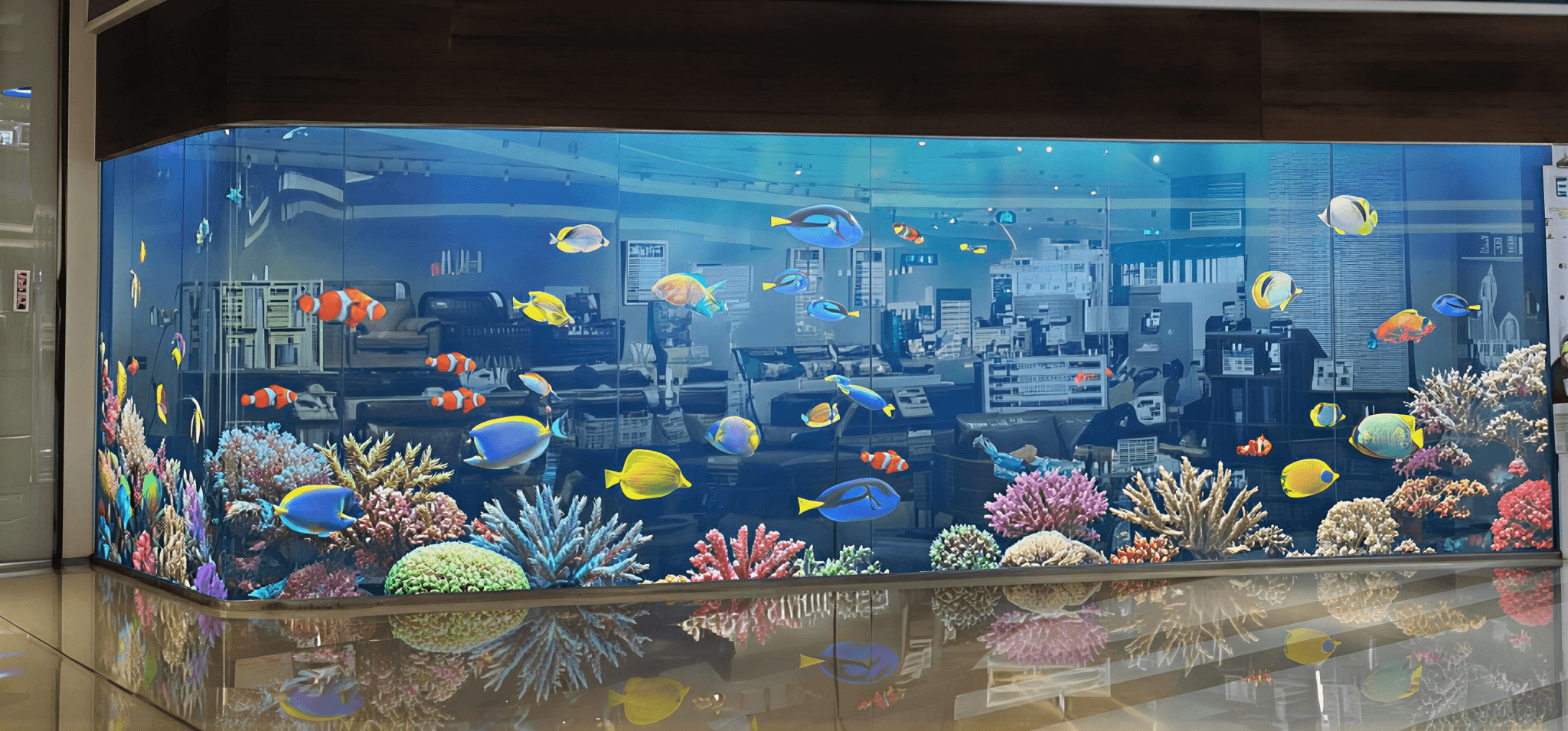
A holographic LED screen is a high-transparency LED display structure designed to create the impression that content is floating in space—while the background remains visible. It’s not a sci-fi “true hologram,” and it doesn’t replace high-brightness transparent LED for sun-facing storefronts. What it does extremely well is premium visual impact at close range, especially in controlled lighting.
If you’re building a showroom moment, an exhibition centerpiece, or a luxury retail feature where “wow” matters more than raw nits, holographic LED is usually the right conversation.
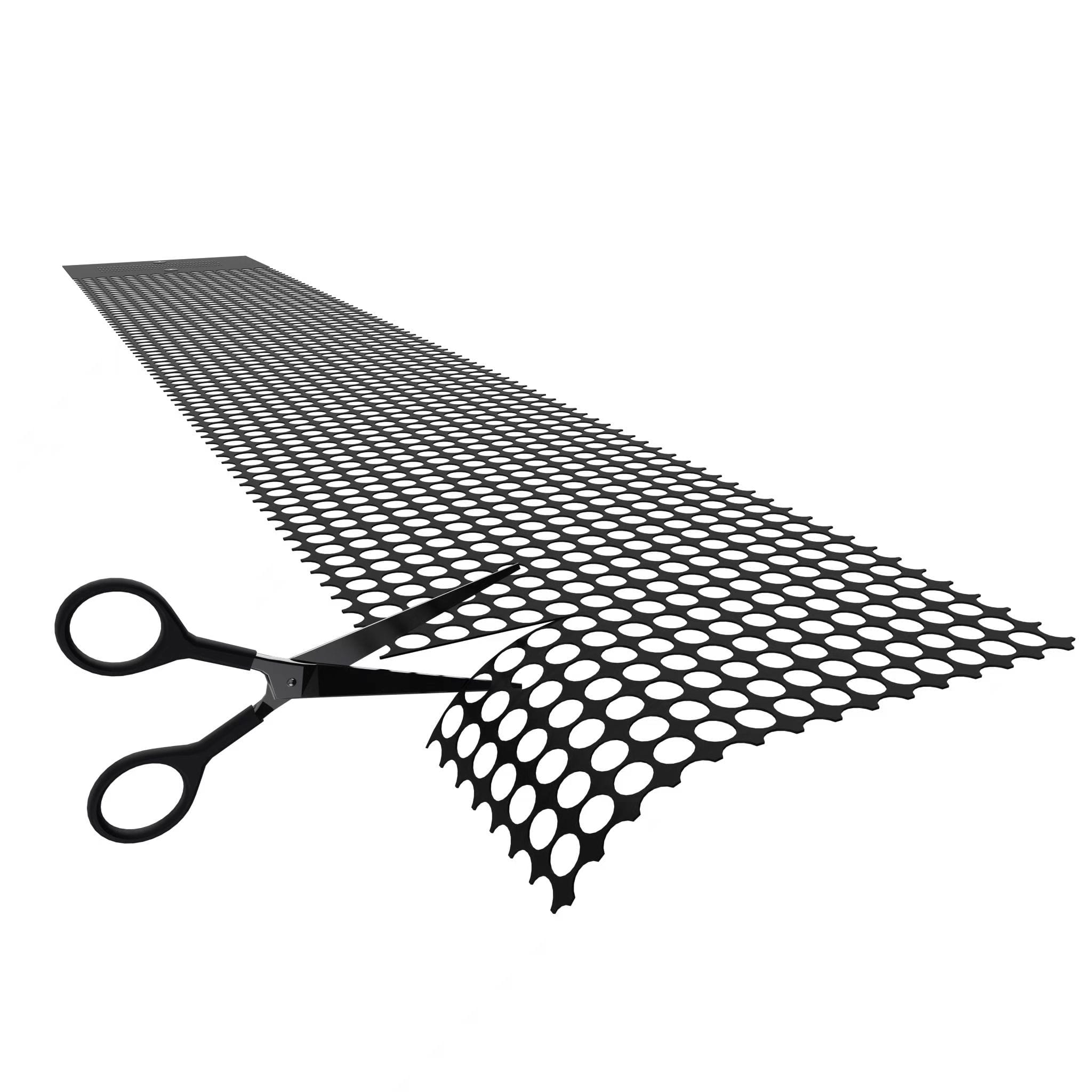
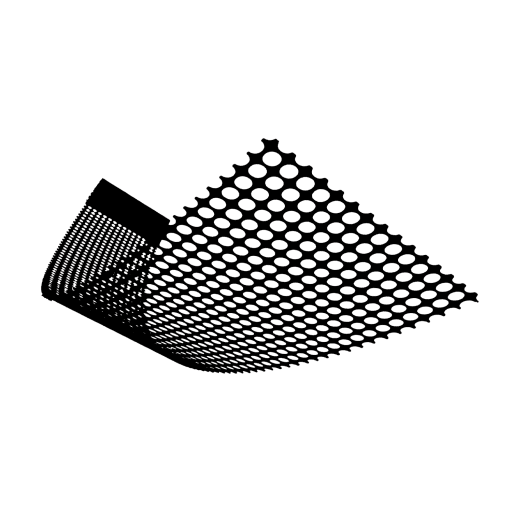
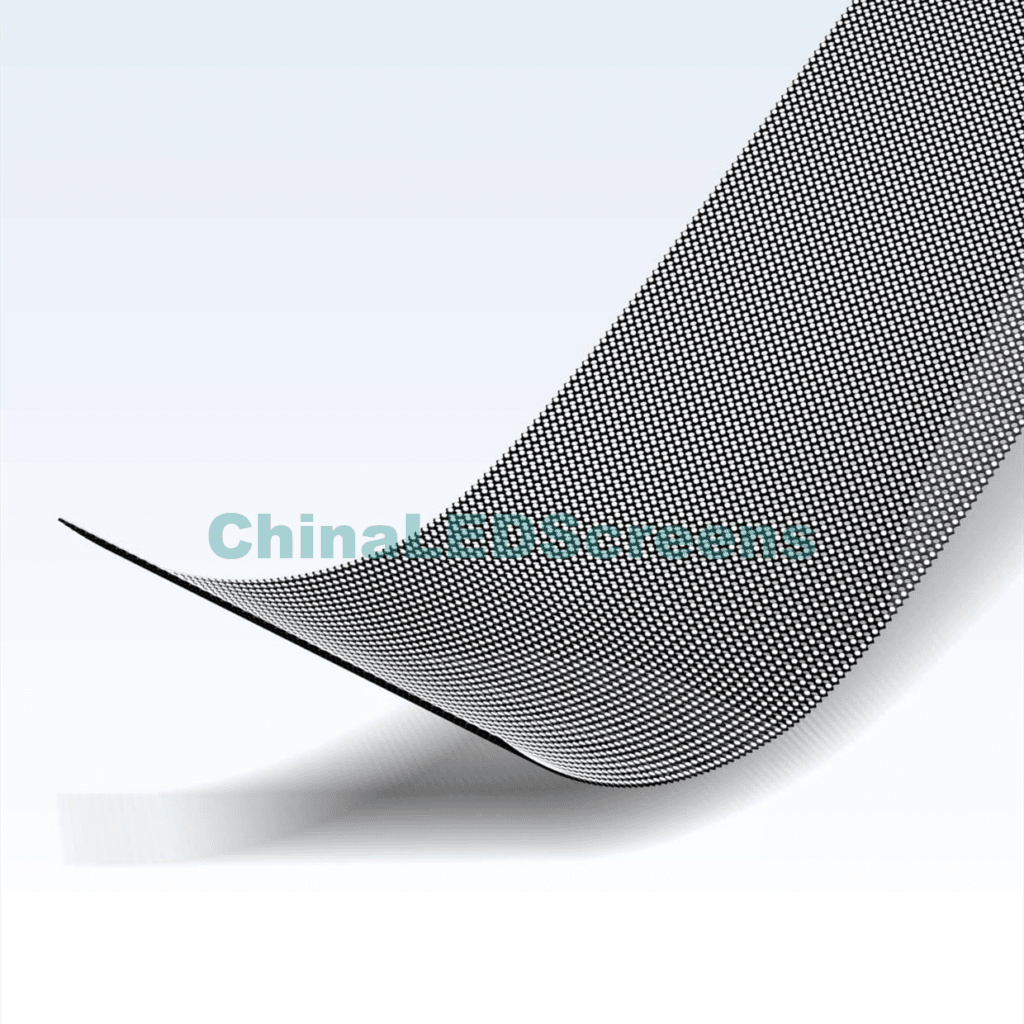
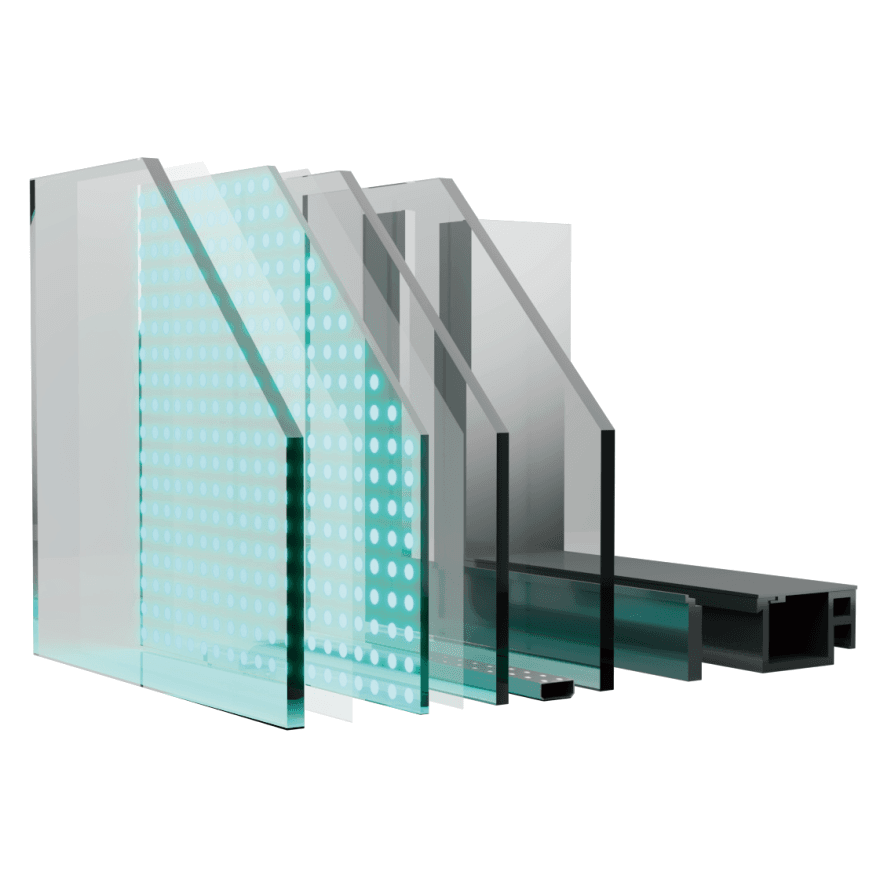
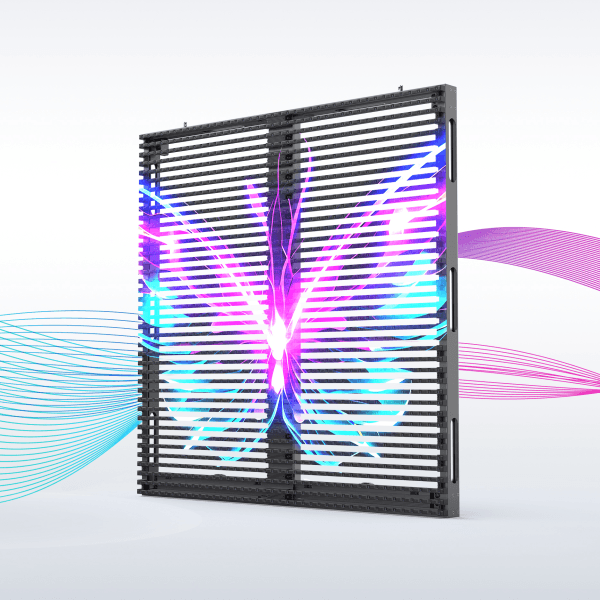
A holographic LED screen uses a sparse LED pixel structure (often a fine grid or micro-structure) designed to keep transparency very high. When you play content—especially bright elements on dark backgrounds—your eye reads the graphics as “in front” of the space behind it.
That’s the core principle:
This is why holographic LED is typically installed indoors and in environments where you can control reflections and light spill.
The display draws attention without turning your window into a blackout wall. It works best for high-end brands where the window is part of the experience.
Perfect for product reveals, hero messaging, floating logos, and launch loops.
Holographic LED is built for attention. In a booth environment, it can deliver the “stop-and-look” effect that flat signage rarely achieves.
Used for storytelling elements where the display should feel light, not heavy.
Works well as a “future-tech” feature or brand statement wall—especially if the architecture is already glass-heavy.
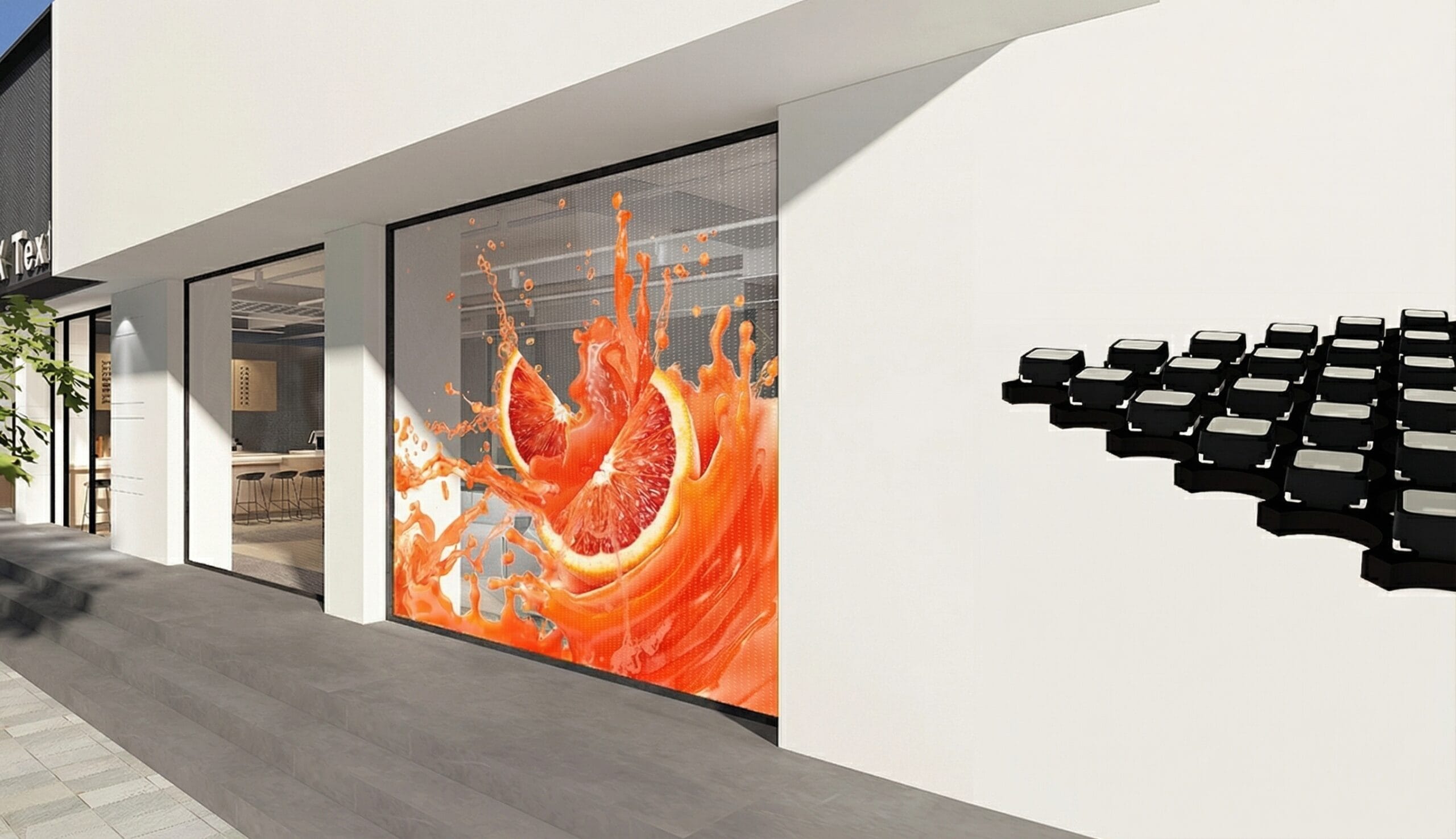
This is the real product value. If your project needs an effect that feels modern and surprising, holographic LED delivers.
Compared with cabinet-type transparent LED, it typically looks less “industrial” and less frame-driven.
When installed correctly, this category keeps the space behind the screen present—so it feels like “content in the air,” not “screen on glass.”
Holographic LED is not the strongest choice for every project. Here are the tradeoffs you should plan for:
It’s not designed for harsh direct sunlight. If your window faces strong daylight and you need high nit output, modular transparent LED often wins.
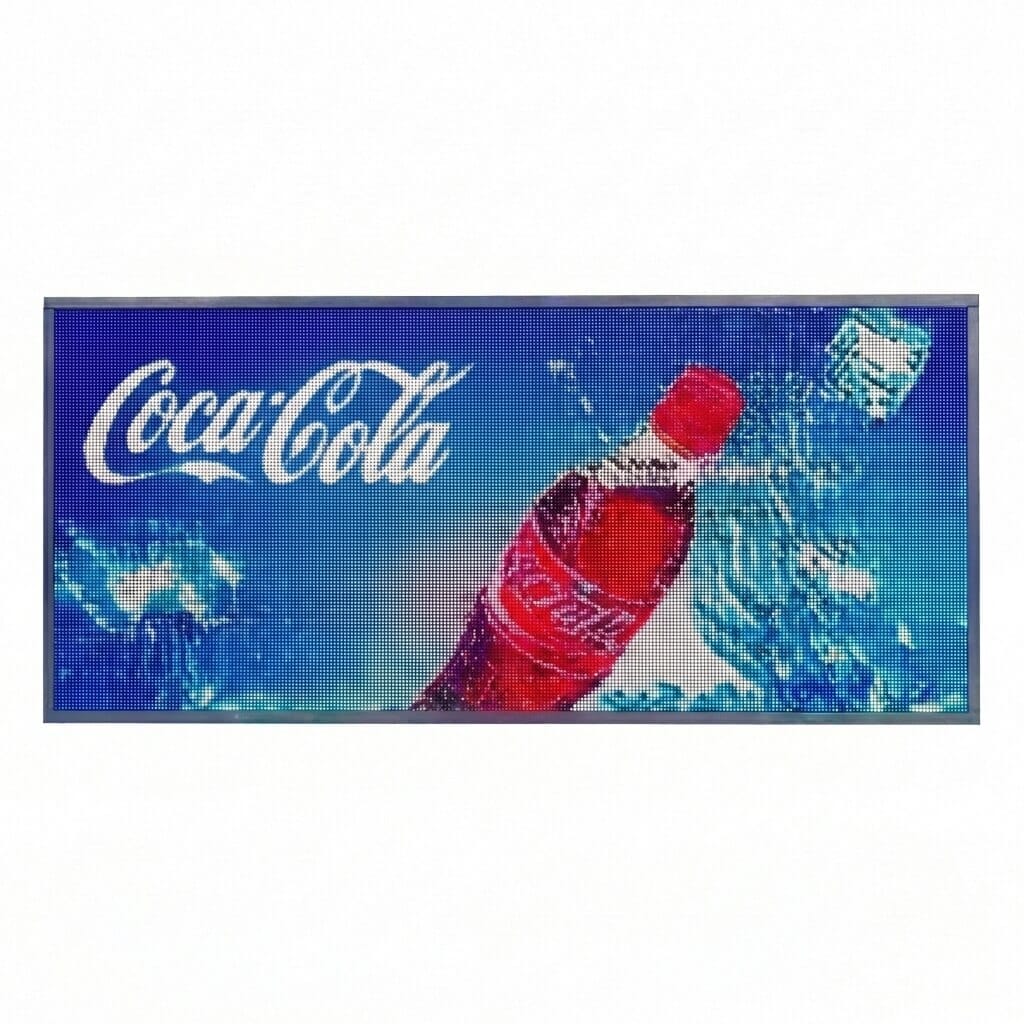
If you play busy, full-screen video, you will reduce the holographic feel. This category looks best with:
Strong overhead lighting, reflections, or bright backgrounds can reduce the floating effect. Controlled lighting gives the best result.
When you compare holographic LED options, focus on these:
High transparency improves the floating feel and architectural openness, but usually reduces image density. This is a normal trade.
Holographic screens are strongest at close-to-medium viewing distances. If viewers stand very close, pixel structure becomes more noticeable—so density selection matters.
You want a consistent look across typical foot traffic flow. Poor designs can show color shifts, which kills the premium feeling.
For showrooms and launch events, smooth motion matters. High refresh helps avoid artifacts on camera as well.
Even premium holographic content can look cheap if the mounting and edges look improvised. Define how it sits in the space—hanging, framed, stand-mounted, or integrated.
Here’s the practical positioning:
A holographic LED screen only works if the installation respects the visual effect.
This is the difference between “wow” and “what is that pixel grid?”
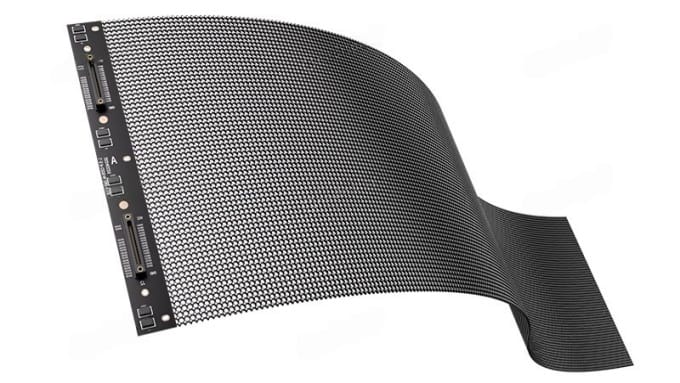
If you want the most holographic-looking result:
If you send us a sample video or your brand assets, we can advise what style will look best on your screen size and installation environment.
Holographic LED is a “visual result” product. People remember how it felt when they saw it—so quality control and system design matter.
ChinaLEDScreens supports projects with:
We’ll also be honest if your installation conditions would be better served by transparent LED or film-based solutions.
Is this a “real hologram”? It creates a hologram-like floating effect, but it’s still an LED display technology.
Is it suitable for outdoor sunlight? Usually no. For outdoor or sun-facing storefront brightness, transparent LED is typically better.
Does content need to be special? Yes. The effect is strongest with high-contrast, uncluttered visuals.
Can it be used behind glass? Yes, and many projects do. But reflections and viewing angles must be considered.
If you share:
We’ll tell you quickly whether holographic LED is the right choice, suggest a suitable configuration, and outline the cleanest installation approach.ED vs LED glass), suggested specs, and a clear next step for budget and planning.tes.