Talk To Our Expert, Get A Solution in 20 minutes
Share your LED screen needs. Our experts will provide solutions and a quick response.

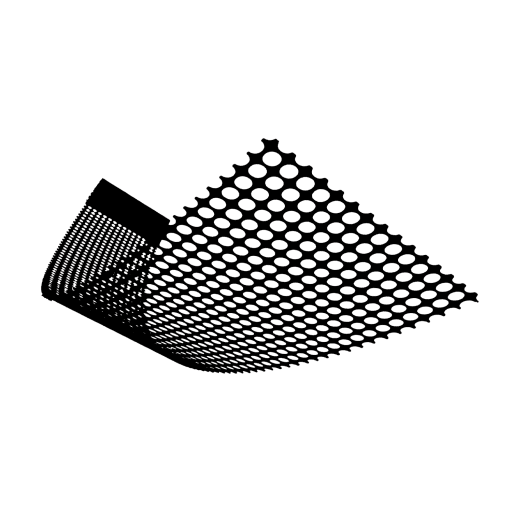
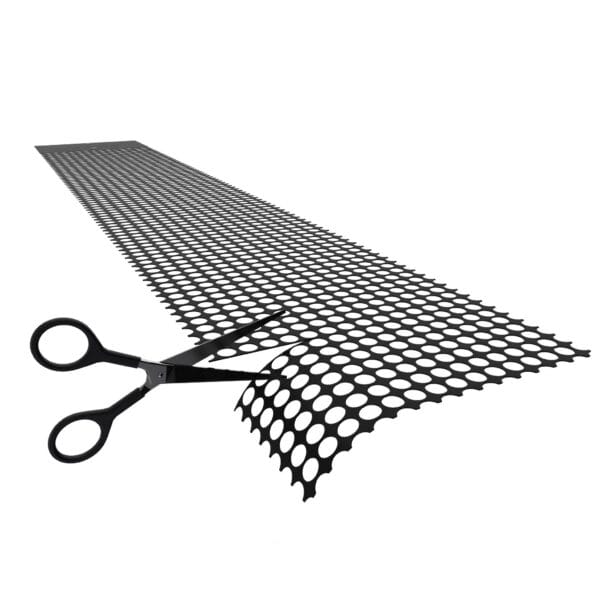
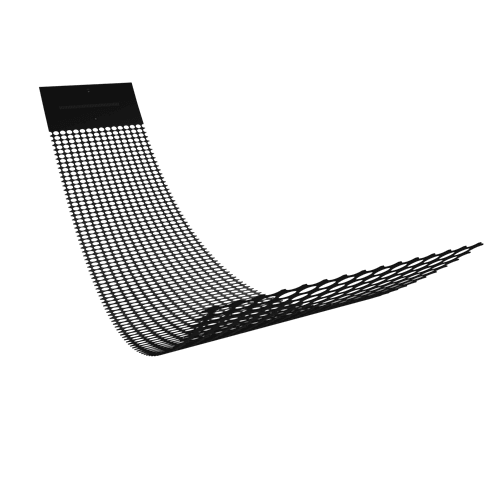
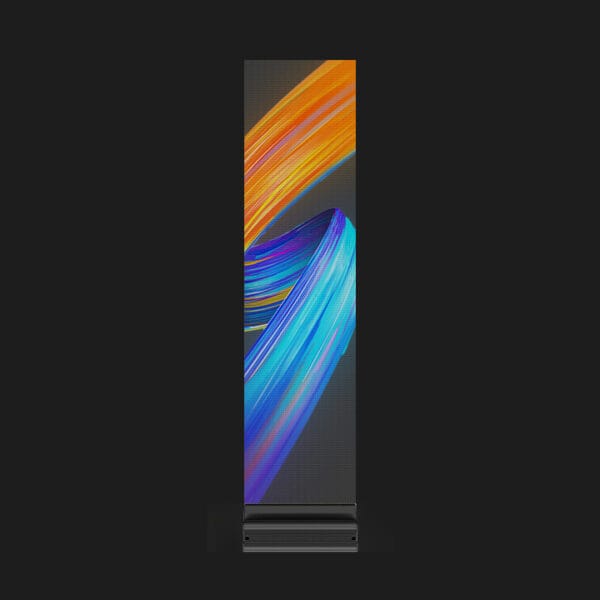
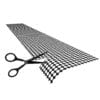
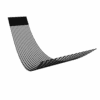
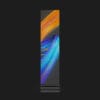
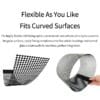
ChinaLEDScreens Holographic LED Screen turns glass into a frameless, ultra-thin (<2 mm) media canvas. 80%+ transparency preserves daylight and sightlines, while flexible, cut-to-fit panels install fast. Self-developed ICs and premium materials deliver bright, durable, 3D-like visuals. Anywhere. Now.
ChinaLEDScreens Holographic LED Screen turns glass into a frameless, ultra-thin (<2 mm) media canvas. 80%+ transparency preserves daylight and sightlines, while flexible, cut-to-fit panels install fast. Self-developed ICs and premium materials deliver bright, durable, 3D-like visuals. Anywhere. Now.
Built by ChinaLEDScreens—a factory-direct global supplier with 15+ years of engineering—we transform ordinary glazing into a see-through digital canvas. A holographic LED screen is a transparent, self-emissive display that creates striking, 3D-like visuals without special glasses, so content appears to “float” while the background stays visible.
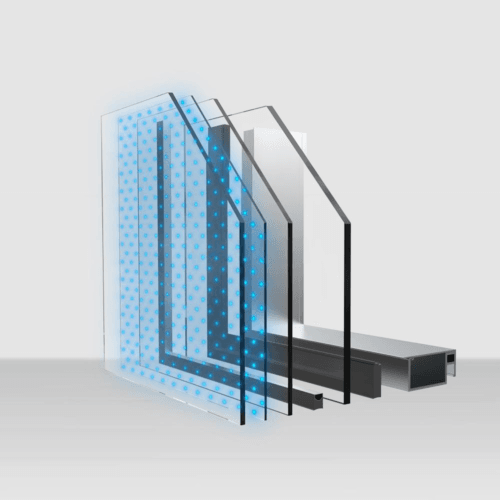
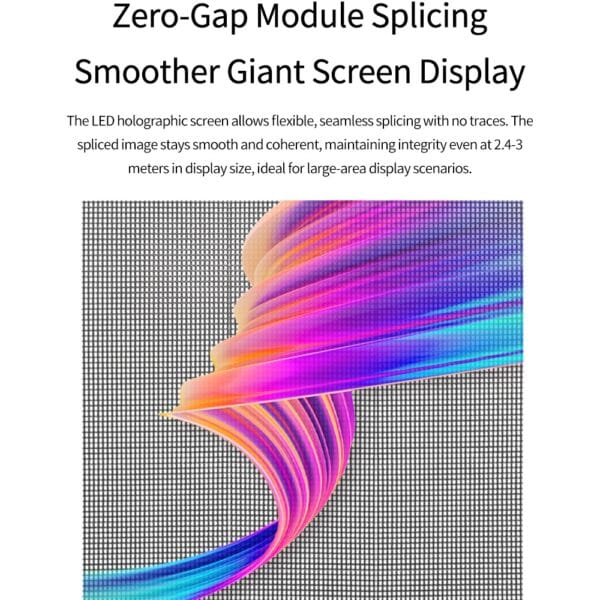
How it works. The system uses a grid-style LED lamp panel driven by a compact power/control box. Each RGB LED emits light directly, rendering full-color images while unused areas remain visually open—ideal for layered depth effects on glass.
Refined feature set.
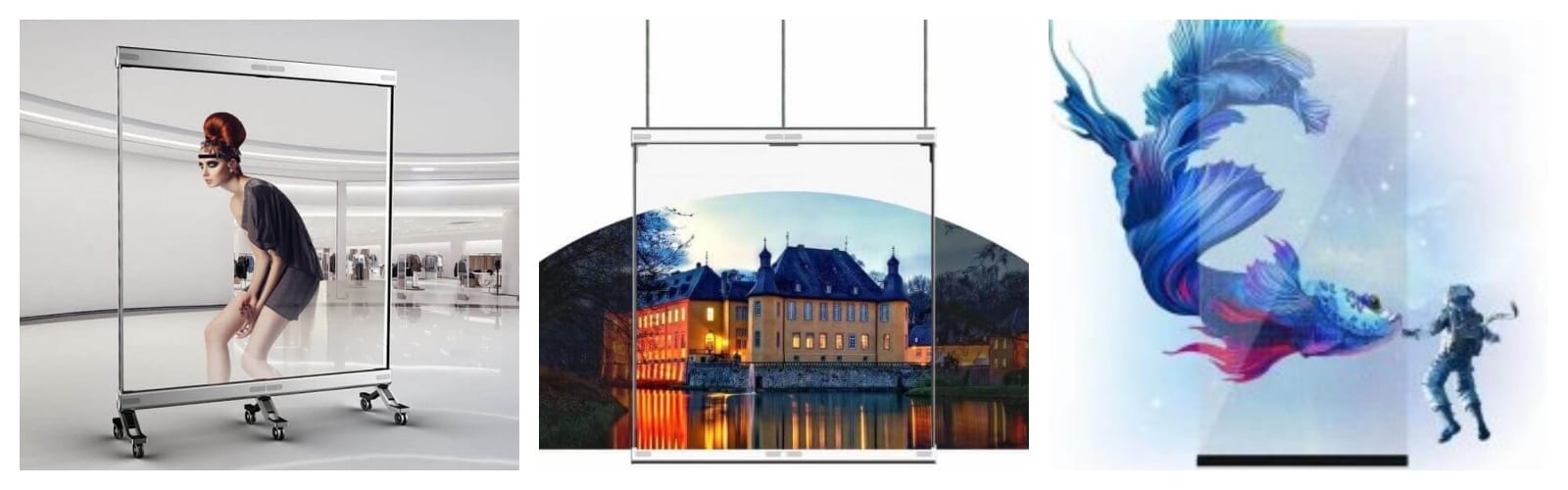
Installation options. Choose on-glass mounting for invisible integration, free-standing poster formats for pop-ups, or hanging rigs for events and stage design—methods commonly adopted across the category.
Where it excels.
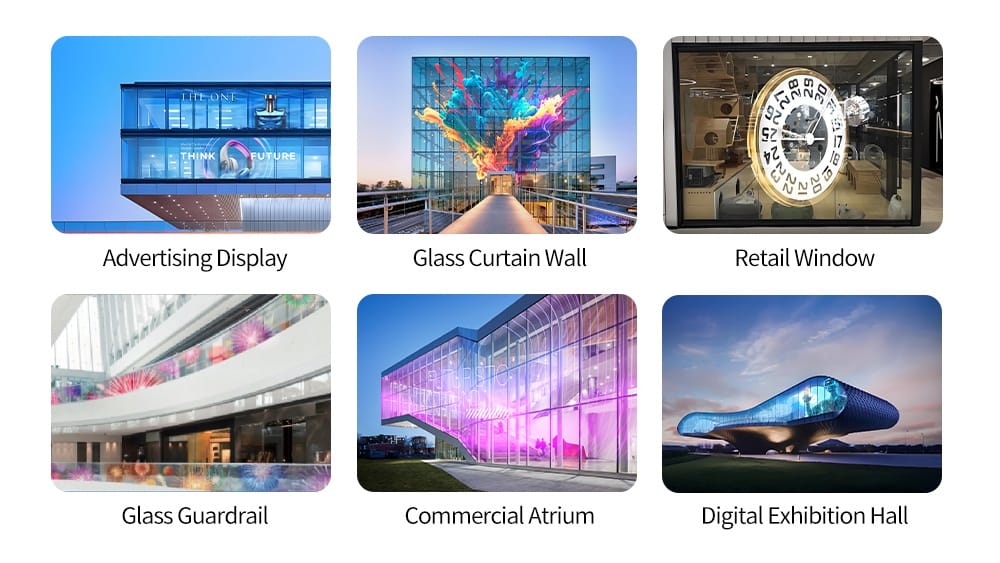
Why ChinaLEDScreens. Unlike cabinet-style LED, our frameless, cuttable architecture keeps architecture clean and bright. You get factory-level ODM/OEM support across our transparent portfolio—transparent LED screens, LED glass, LED film, flexible LED film, holographic LED, and mesh LED—with engineering guidance from design to commissioning.
Tech note for buyers. “Holographic” in this context refers to transparent display structures that produce a hologram-like depth effect on a two-dimensional emissive surface. The impact comes from transparency, content, and viewing geometry rather than true volumetric 3D.
Turn your glass into living media—clear when idle, unforgettable when it lights up.
Holographic invisible LED screen Reference Specs
| Pixel Pitch | 2.5mm 3.5mm 3.91mm 5mm 6.25mm 10mm 20mm | Screen Brightness | 2500-5000cd/㎡ |
| Display Thickness | 2mm | Viewing Distance | 2m-250m |
| LED Chip | SMD1613 SMD2020 | Viewing Angle | Horizontal ≥160°, Vertical ≥160° |
| Module Size | 1500mm*250mm Sizes can be customized | Gray Level | ≥16 bit |
| Power Consumption | Average:300W/㎡ Maximum:800W/㎡ | Color Temperature | 5500K-15000K (adjustable) |
| Screen Weight | 3kg/㎡ | Driving Method | Static |
| Power Supply Brand | YUANCHI | Refresh Rate | ≥3840HZ |
| Transparency Rate | >70%-90% | Trouble-Free Operating Time | ≥10,000 hours |
| IP Rating | IP45 | Control System | Colorlight/Novastar |
| Average Lifespan | ≥100,000 operating hours | Operating Environment | -20~+50 ℃ |
| Power Requirements | 110-220V±10%; AC50/60HZ | Installation Method | Adhering to glass, Hanging installation |
The Holographic LED Screen is an advanced display technology that creates a unique “floating” or naked-eye 3D visual effect. Unlike traditional screens with heavy frames, this display is designed to be fully transparent and “invisible” when the screen is turned off. It utilizes a special drive-in-one LED technology where the light-emitting components are integrated into a highly transparent film or mesh, eliminating the need for a visible structural keel or frame in the middle of the screen, thereby preserving the aesthetic integrity of the glass it is mounted on.
This screen series is engineered for ultra-high transparency, typically achieving a permeability rate of over 90%. This high level of transparency ensures that natural light can pass through the display unimpeded, maintaining the open view and lighting of the indoor environment. When the screen is not playing content, it blends seamlessly with the glass, making it virtually imperceptible to the naked eye from a distance.
The Holographic LED Screen is characterized by its ultra-thin and lightweight profile. The screen thickness is typically less than 2 millimeters, making it as thin as a piece of heavy paper or film. In terms of weight, it is exceptionally light, generally weighing between 1 to 3 kilograms per square meter. This minimal weight ensures that it puts almost no pressure on the glass surface or the building’s architectural structure.
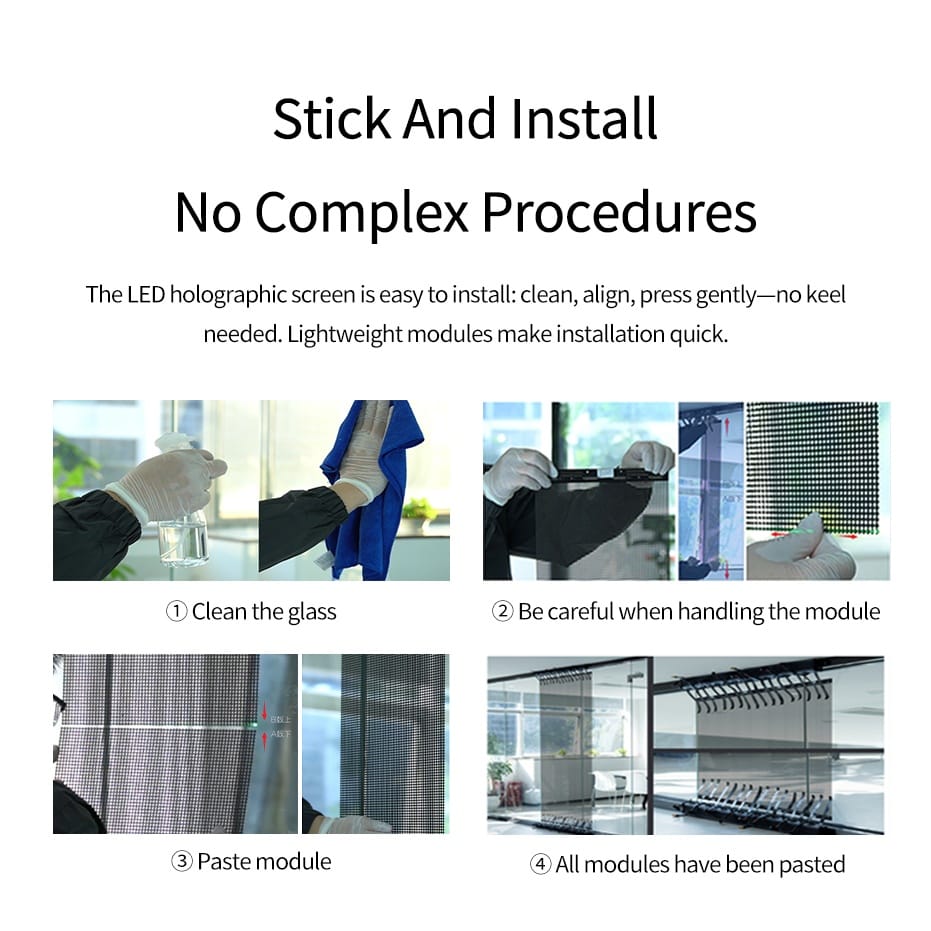
The installation process is designed to be simple, fast, and non-intrusive. The screen features a self-adhesive backing that allows it to be pasted directly onto existing glass surfaces, such as windows, guardrails, or elevator glass. This “stick-and-play” installation method removes the need for complex steel support structures or heavy mounting frames, significantly reducing installation time and labor costs while protecting the original glass structure.
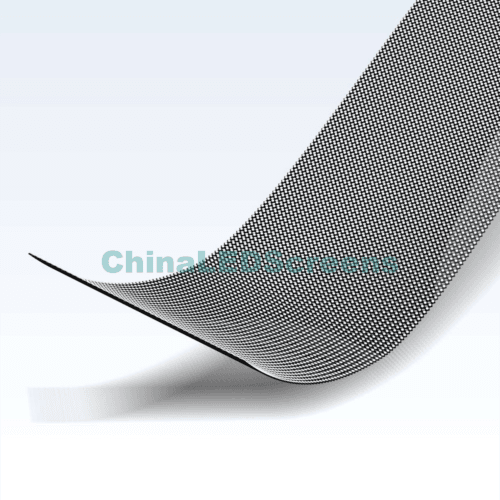
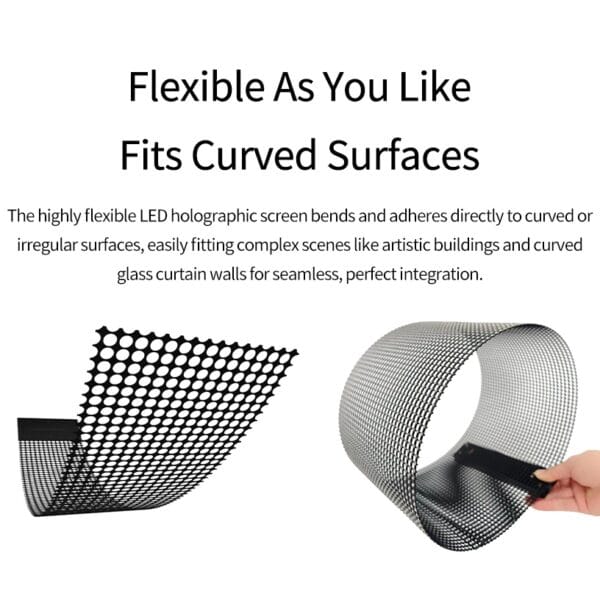
Yes, the Holographic LED Screen offers a high degree of flexibility. The modules are soft and pliable, allowing them to be bent and curved to fit various architectural shapes, including curved glass walls, cylindrical columns, and other irregular surfaces. Furthermore, the screen can be cut to specific sizes to accommodate unique dimensions, providing designers with the freedom to create custom visual solutions for complex environments.
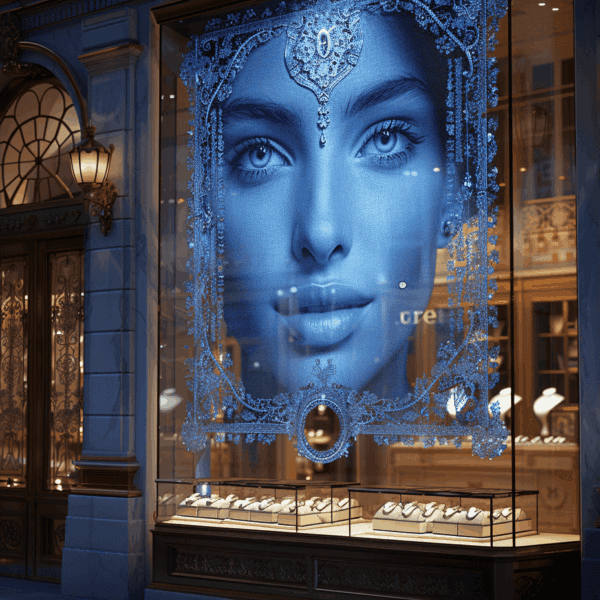
The Holographic LED Screen is ideal for a wide range of commercial and architectural applications where maintaining visibility and aesthetics is crucial. Common use cases include retail store windows, shopping mall glass balustrades, sightseeing elevators, airport and train station glass walls, and museum displays. It transforms ordinary glass into a dynamic video advertising medium without obstructing the view or the flow of light.