Talk To Our Expert, Get A Solution in 20 minutes
Share your LED screen needs. Our experts will provide solutions and a quick response.

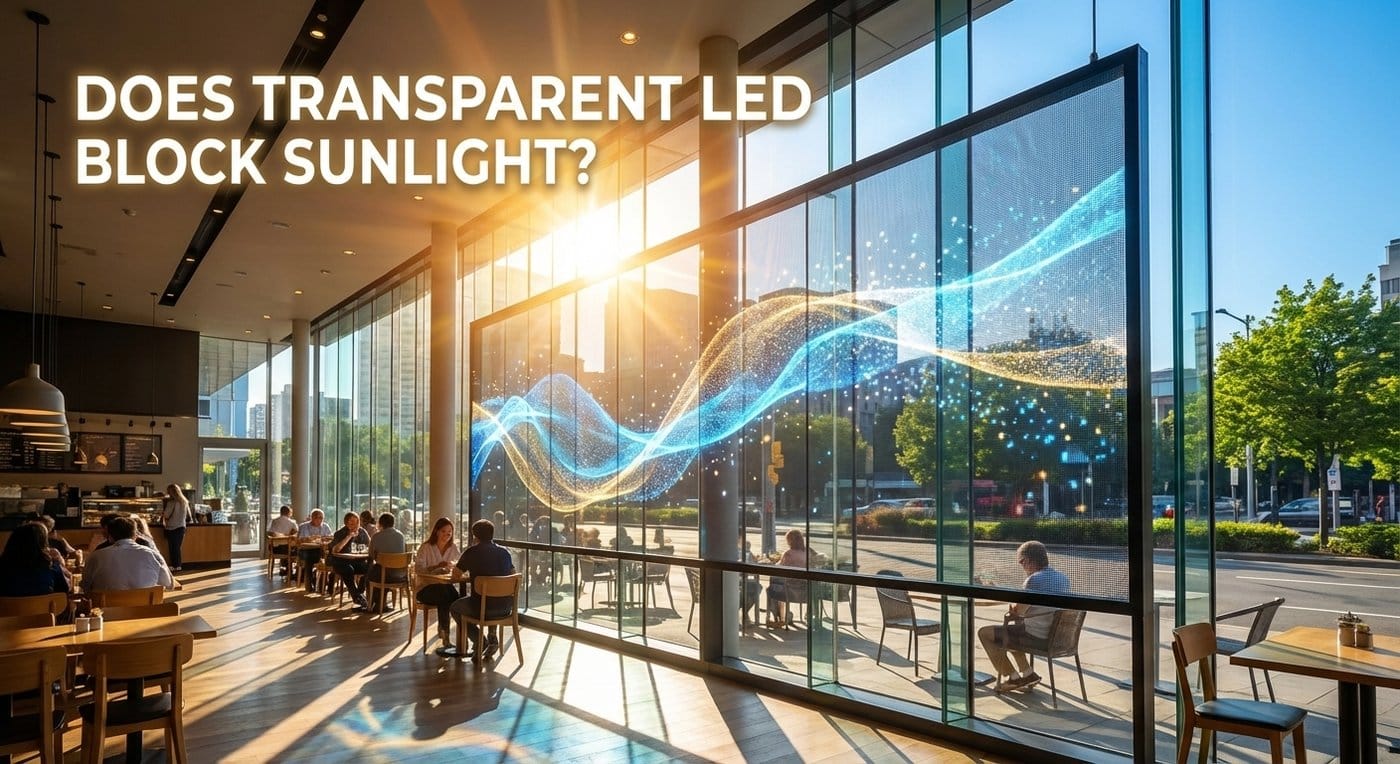
This question comes up in every glass project—retail windows, airport concourses, hotel lobbies, and curtain-wall façades—because daylight is not a “nice-to-have.” It’s part of the architecture.
And here’s the honest answer:
Yes, transparent LED blocks some sunlight—but how much depends on the technology and how the whole system is integrated. A well-specified system keeps interiors bright and views open; a poorly specified one can make a premium façade feel like it’s wearing sunglasses.
If you’re evaluating options for a project, start with the product-family overview on ChinaLEDScreens, then use the framework below to quantify daylight impact before procurement.
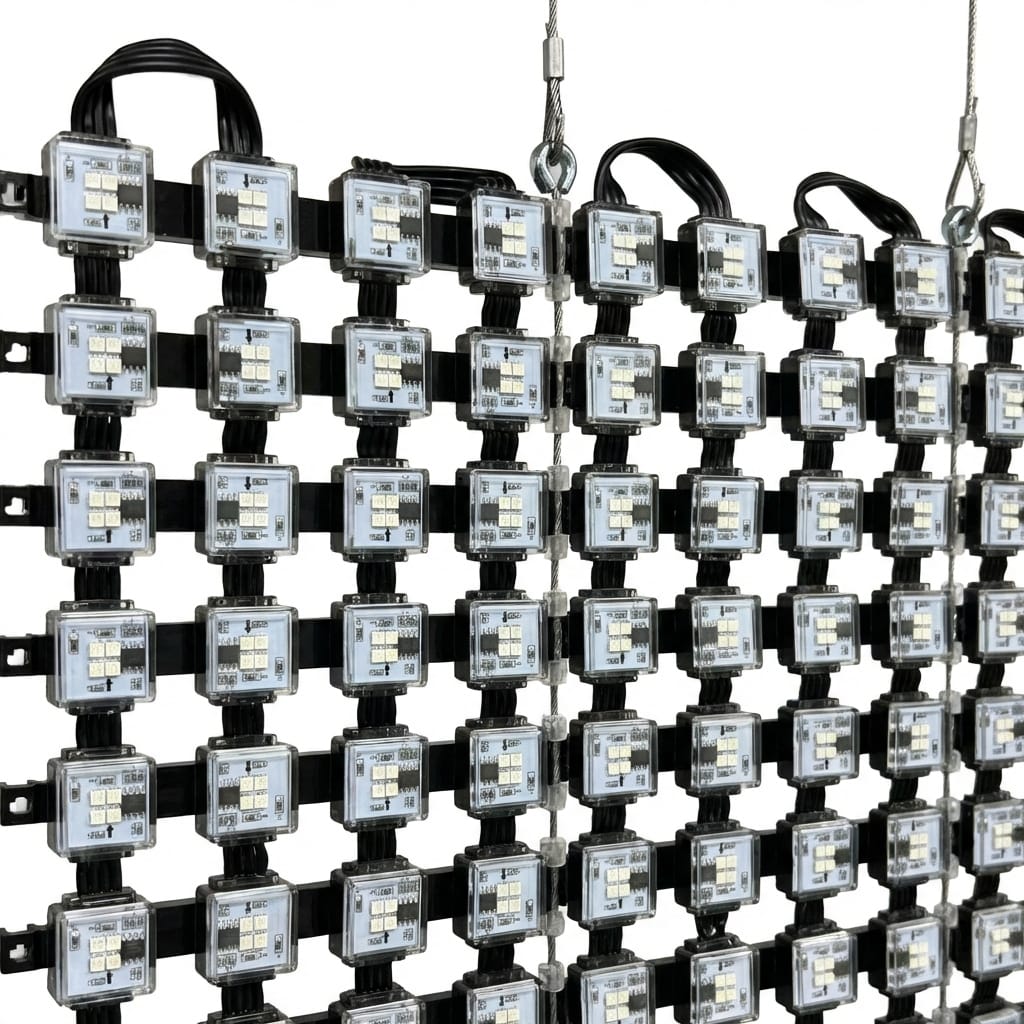
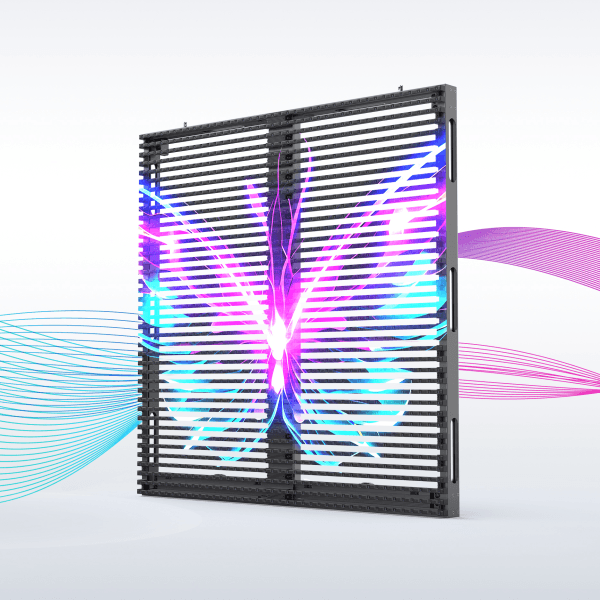
A transparent LED screen is not “clear glass that magically displays video.” It’s a structure of LED strips/bars with space between them, and that open space is what lets light pass through. (Transparent LED Screens Display)
So some sunlight is blocked by:
But because the architecture is intentionally “open,” transparent LED is widely used specifically to keep visibility and daylight while adding digital content on glass. (Transparent LED Screens Display)
To avoid misunderstandings in meetings, separate the question into three definitions:
Transparent LED can score well on #2 while still affecting #1—especially if system transparency is overestimated.
Most vendors quote “transparency %” as an open-area ratio—how much of the surface is physically open (not covered by bars/PCBs/frames). (Transparent LED Screens Display)
But in buildings, what you care about is system transparency:
That’s why practical spec guidance is to define transparency as a range (not a single marketing number) and tie it to real conditions (daylight, reflections, viewing distance). (Transparent LED Screens Display)
Two systems can claim the same percent and still look different because:
This matters because stakeholders don’t judge “daylight” only by numbers—they judge it by how the space feels at noon.
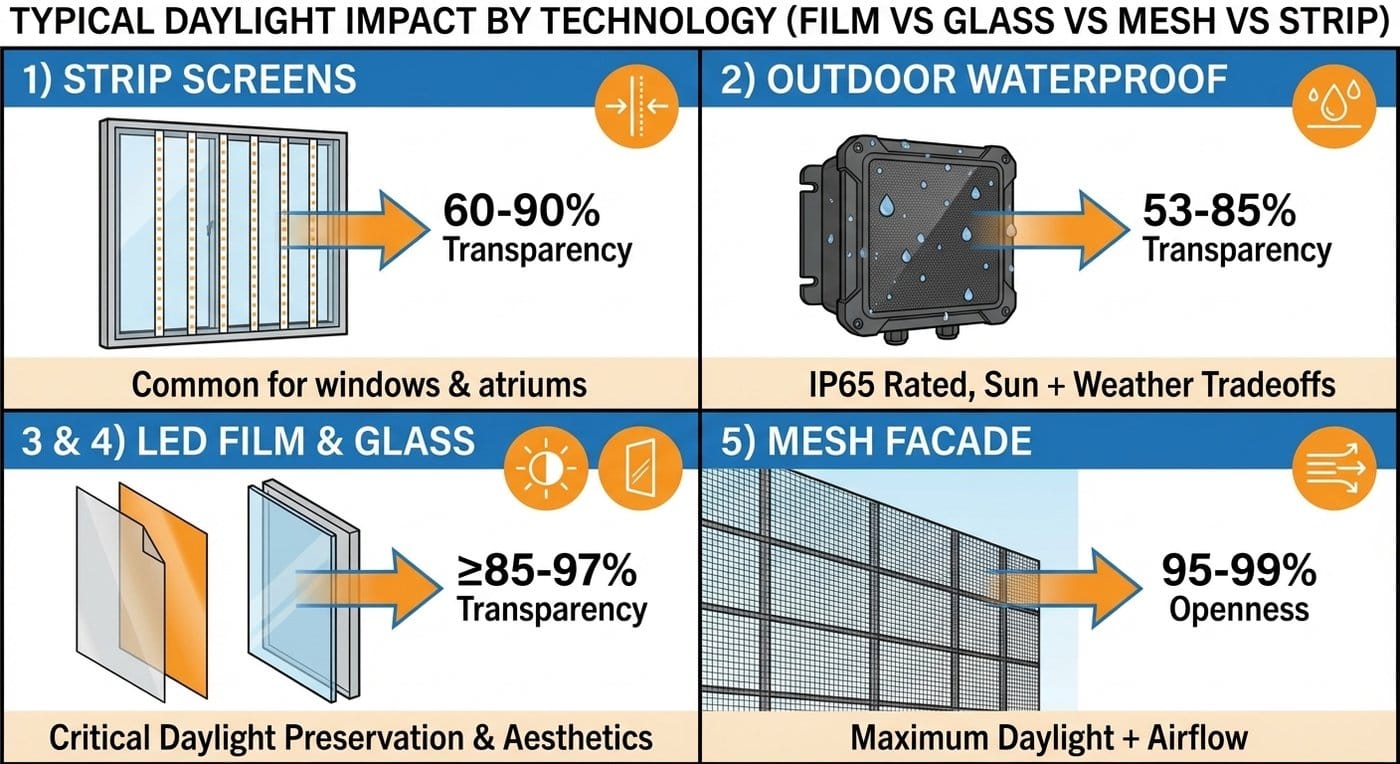
This is the fastest way to predict sunlight blocking: pick the technology family first, then tune pitch/brightness.
Typical ranges (realistic, project-customizable) include 60–90% transparency. (Transparent LED Screens Display) That implies: if you install an ~80% open system cleanly, you’re usually shading roughly ~20% of the window area before you account for mullions/cables.
A deeper technical explainer (worth sharing with architects) is Transparent LED Screens — Guide, which shows the “LED strips + gaps” reality clearly. (Transparent LED Screens Display)
If you’re selecting products in this family, start with Transparent LED Screens (category) and filter by viewing distance and daylight conditions (direct sun vs shaded street).
Outdoor builds often need sealing, higher brightness, and ruggedization. A typical waterproof outdoor transparent system may be 53–85% transparent and still target daylight legibility. (Transparent LED Screens Display)
A concrete reference is Outdoor Transparent LED Screen (IP65), which explicitly positions the product around “keep the view” while giving a transparency band. (Transparent LED Screens Display)
Practical takeaway: if your facade is sun-facing and you must read content outdoors, expect some openness tradeoff—don’t spec “90%+” and also demand strong noon readability.
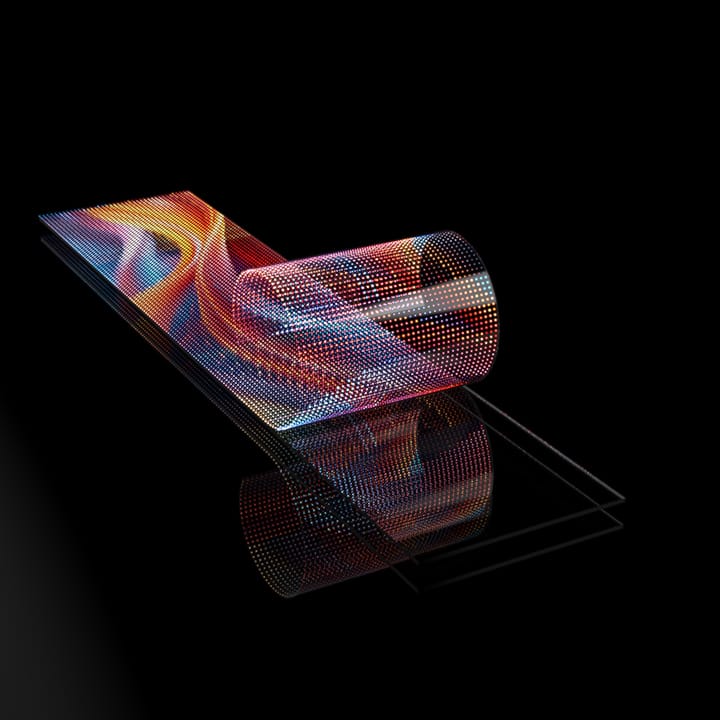
Transparent LED film is designed around “impact without blocking daylight,” and it’s commonly positioned at ≥85% see-through while remaining bright enough for glass applications. (Transparent LED Screens Display)
If your priority is “make it feel like glass when off,” film is often the shortest path—especially for interior glass or protected storefront glazing. Start here: LED Film Screens Guide and the product page Transparent LED Film Screen. (Transparent LED Screens Display)
LED glass integrates the display into a glass assembly, so daylight performance can be very strong. One LED glass reference shows:
If your project is high-end façade / lobby glass where “electronics look” is unacceptable, review LED Glass Screens Guide and compare glass-based approaches to bar-based screens. (Transparent LED Screens Display)
Mesh is the “breathing façade” approach: extremely high openness, strong airflow, and big-scale media façades. One mesh facade reference claims 95–99% visual openness (pitch-dependent). (Transparent LED Screens Display)
For daylight-sensitive towers and landmark skins, mesh is often the safest way to keep interiors bright—especially when the display is not meant for close viewing. See Mesh Facade LED Display Screen. (Transparent LED Screens Display)
If you only remember one rule, remember this:
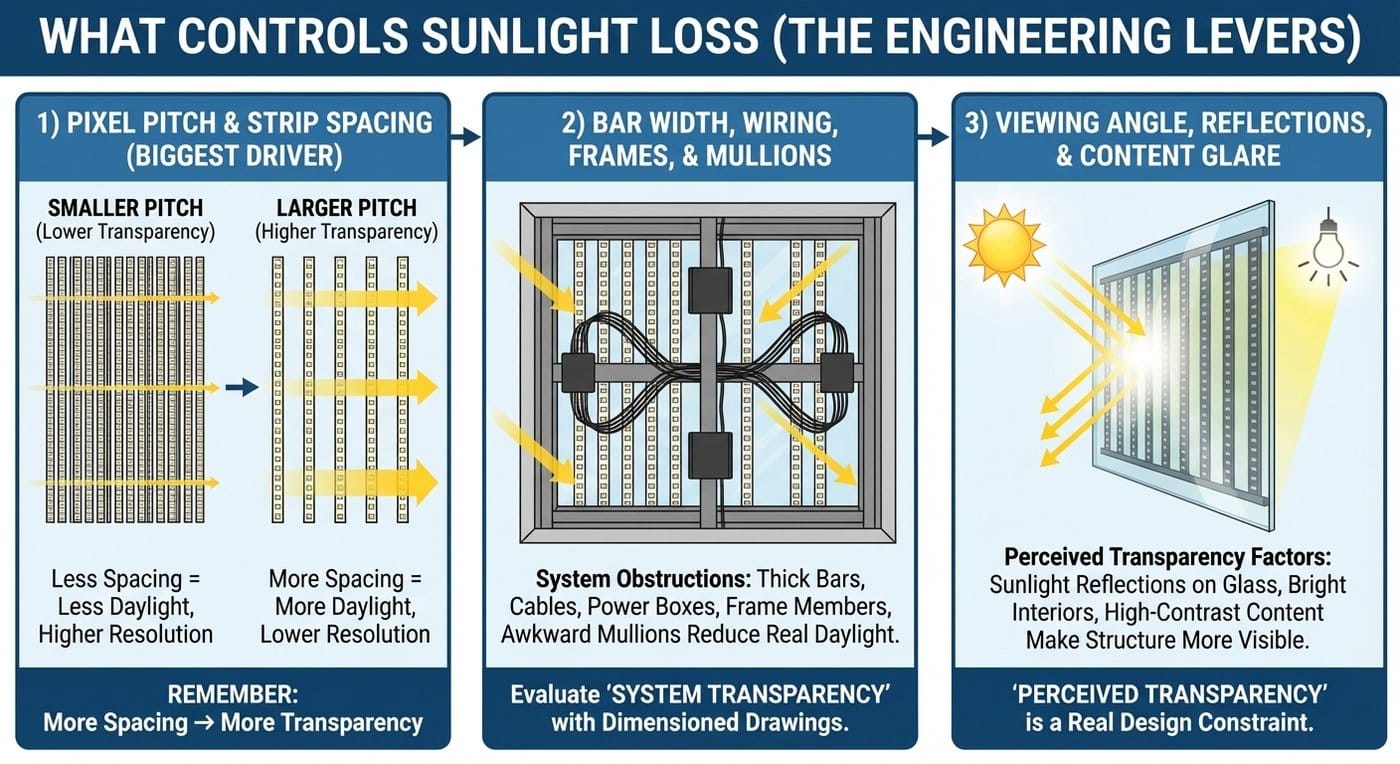
More spacing between strips → more transparency. (Transparent LED Screens Display)
Practical implications:
This is why good suppliers will push you to select pitch by viewing distance (not by vanity specs). (Transparent LED Screens Display)
Even if the LED surface is “80% open,” your real daylight can drop if:
That’s why transparency should be discussed as system transparency and supported with dimensioned drawings showing open area and routing zones. (Transparent LED Screens Display)
Transparent displays are uniquely sensitive to:
So a screen can be “physically” open, yet still feel visually heavier at certain times of day. This is “perceived transparency,” and it’s a real design constraint. (Transparent LED Screens Display)
Here’s a simple, field-usable model:
Rule of thumb: Interior daylight after install ≈ (daylight through existing glass) × (system open-area ratio).
So if your existing glass already passes plenty of daylight, adding an 80% open transparent LED layer often reduces that daylight by roughly ~20% relative to the original glazing (assuming clean integration).
These are estimation examples—use them to align stakeholders, then verify with a lux test.
A strong spec starts with human requirements, not vendor numbers:
Ask for:
A practical way to set expectations is:
Do a before/after test:
Record:
Ask for:
Transparent LED is primarily a geometric shading layer (bars + gaps). UV/heat behavior depends far more on your glazing stack (coatings, interlayers) than the LED structure. Your LED choice should be based on daylight and visibility first; treat thermal performance as a glazing engineering topic.
Sometimes—especially with strip-based systems at certain sun angles (the “venetian blind” effect). The best mitigation is:
In many premium projects, LED film or LED glass can appear more seamless because there’s less visible bar structure—if installed cleanly. (Transparent LED Screens Display)
If you want, paste your project basics (glass size, sun exposure, viewing distance, and what must remain visible), and I’ll recommend a daylight-safe transparency tier + product family and the exact questions to send suppliers so the installed result matches the architectural intent.