How Transparent LED Screens Maintain 80% Transparency

How Transparent LED Screens Maintain 80% Transparency

How Transparent LED Screens Maintain 80% Transparency

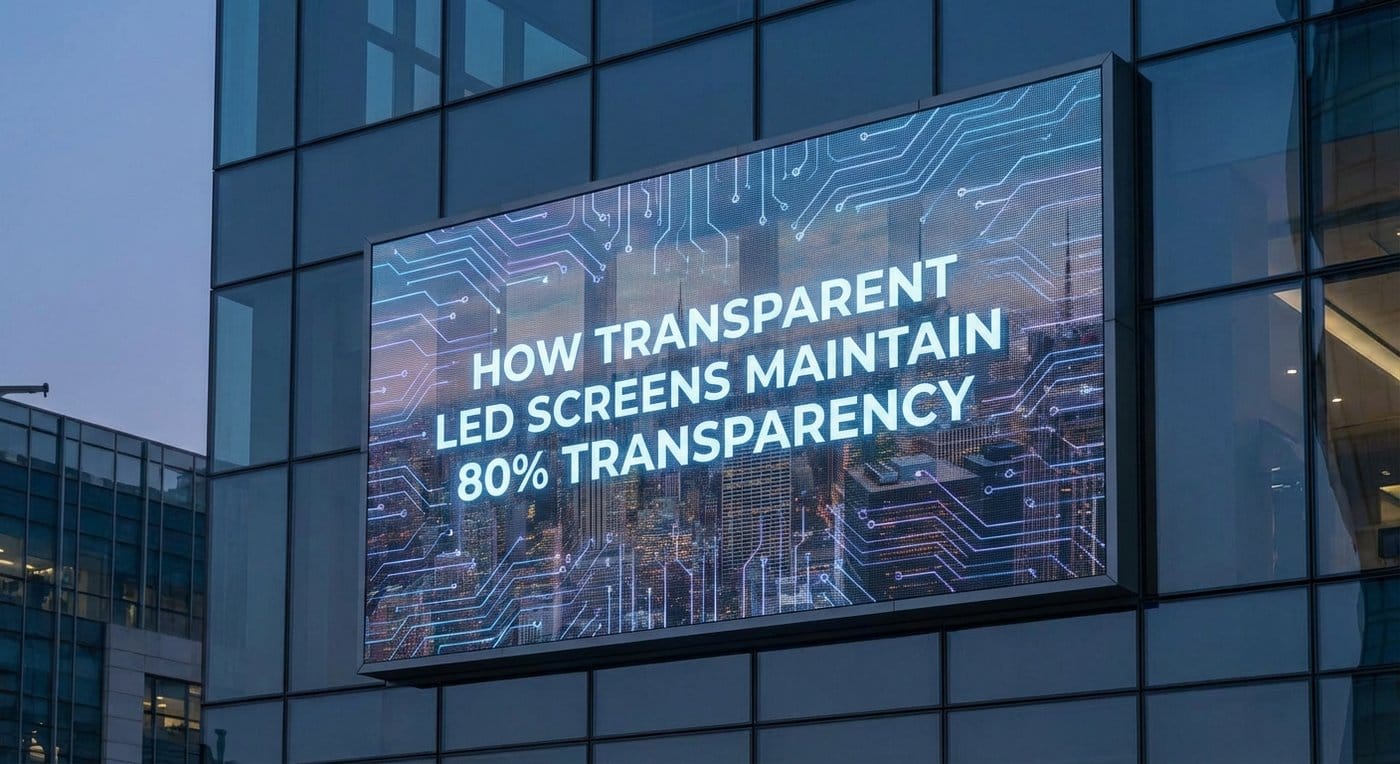
Transparent LED screens look like a “video image floating on glass,” yet people can still see the shop interior, building lobby, or skyline behind them. When suppliers describe a transparent LED screen as “80% transparent,” they’re describing a deliberate optical-and-mechanical design approach: maximize open area (or effective transmittance) while concentrating light output into a minimal structure.

This article explains how 80% transparency is achieved and maintained, what that number really means in practice, and how to specify a solution that stays see-through after installation—without sacrificing the visibility you need.

Internal references to explore product families and applications:

  • ChinaLEDScreens 1 (homepage)
  • transparent LED screens 2
  • LED film screen 3
  • LED glass screen 4
  • transparent LED display technology 5
  • transparent LED display solutions 6
  • transparent LED display projects 7

What “80% transparency” really means (and what it doesn’t)

Open-area ratio vs VLT vs “see-through feel”

In transparent LED, “transparency” is often communicated as a percentage, but there are multiple ways to interpret that percentage:

  1. Open-area ratio (common in LED product marketing): How much of the screen’s surface is physically open (not covered by LED bars, PCBs, frames, wiring). If 80% of the surface is open, it’s easy to call it “80% transparent.”
  2. Visible Light Transmittance (VLT) (common in glass/building engineering): VLT is an optical measure of how much visible light passes through a material/system. In building glazing, VLT is typically defined and measured using standards like EN 410 for luminous/solar characteristics of glazing. Source: EN 410 reference page https://standards.iteh.ai/catalog/standards/cen/8e7c5c1c-3a28-4c1e-9c7f-6b2f1b48a0d4/en-410-2011 and glazing education overview of VLT concept https://www.vitroglazings.com/education/energy-efficiency/visible-light-transmittance/
  3. Perceived transparency: Human perception depends on ambient brightness, reflections, viewing angle, background contrast, and what content is playing. Two screens with the same open-area ratio can feel very different.

Practical takeaway: When a vendor says “80% transparency,” ask which definition they are using and request drawings or calculations. For procurement, you usually need the mechanical open-area ratio plus the impact on the glass system (if it’s film or LED glass).

Why two products can both claim 80% but look different

Even if two screens have the same open-area ratio, one can appear more “invisible” because:

  • The bars are thinner and better aligned.
  • The wiring is hidden or routed along mullions.
  • The frame color and surface finish reduce visual prominence.
  • The content is designed for transparent displays (more on this later).

The core engineering idea: concentrate light, minimize structure

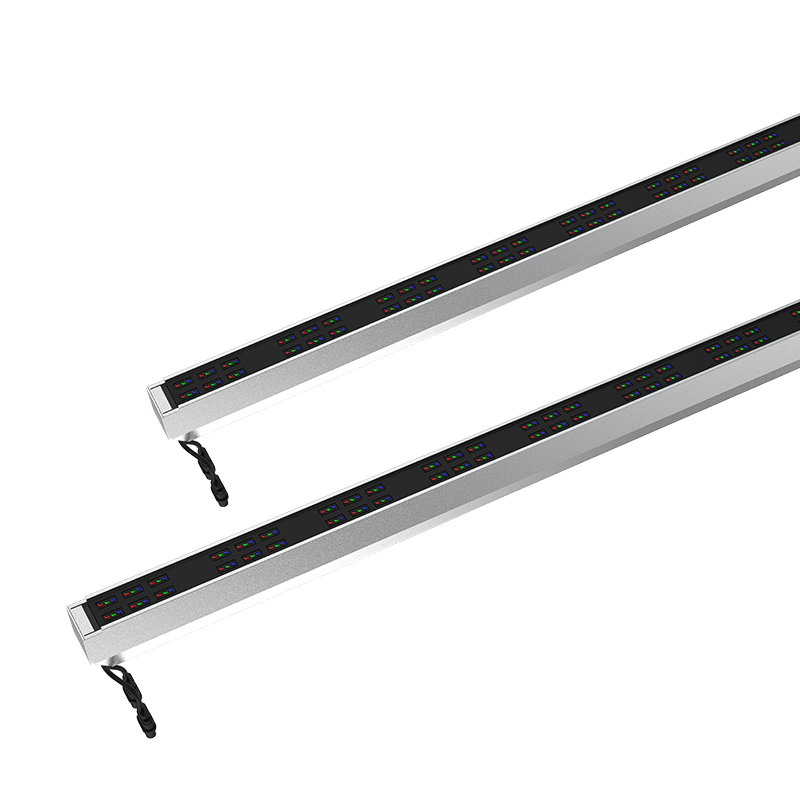
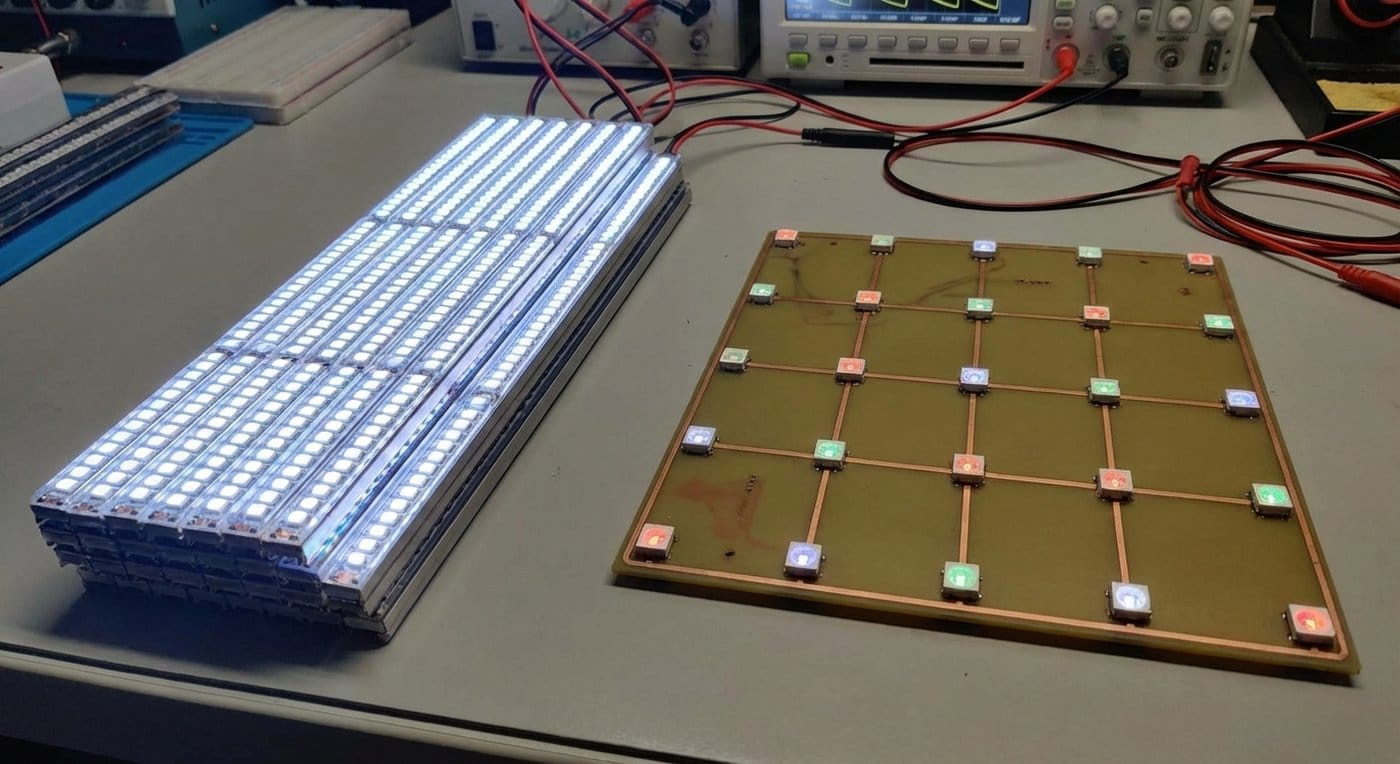
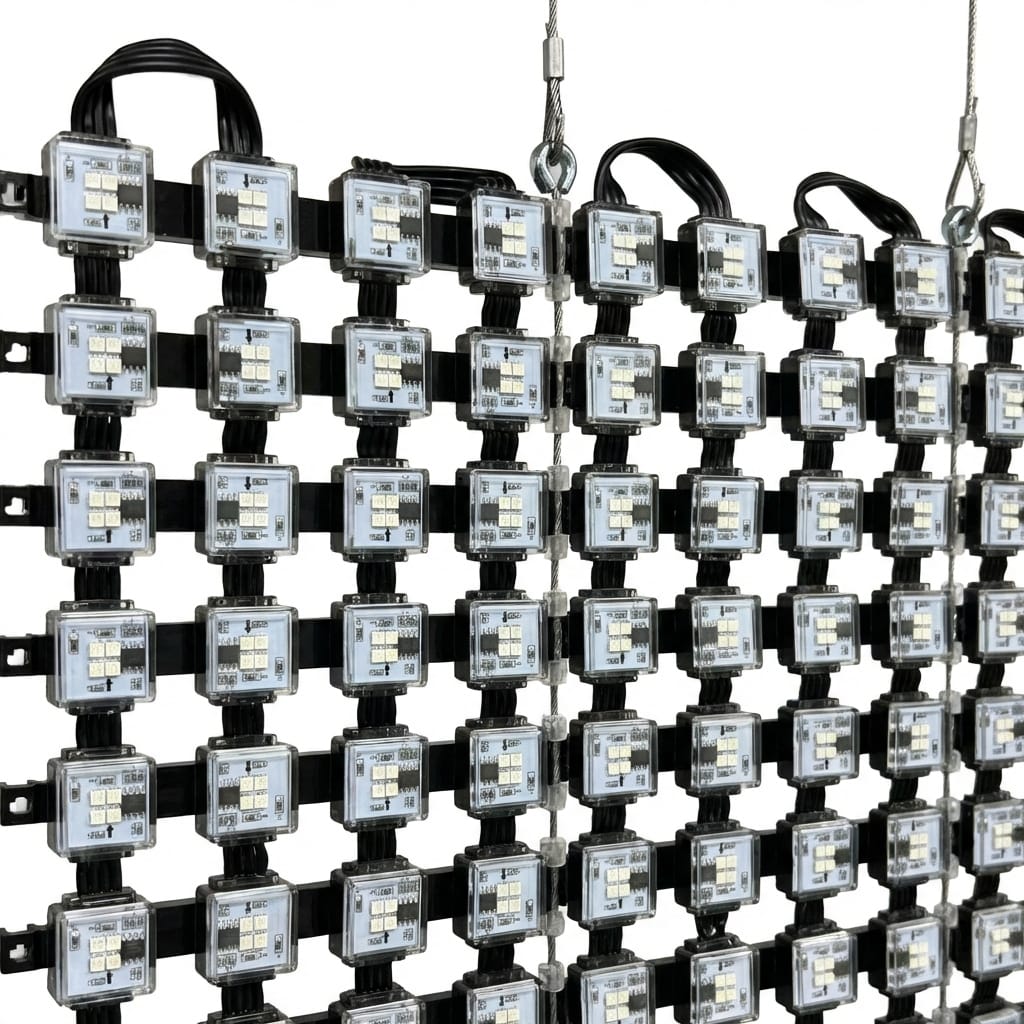
Transparent LED screens don’t rely on a continuous opaque panel. Instead, they typically use a sparse pixel layout—LEDs mounted on slim bars/strips or embedded in glass/film—so most of the surface remains open.

LED “pixel bars” and sparse pixel layout

The most common high-transparency approach is:

  • Put LEDs on thin horizontal or vertical bars
  • Space those bars apart
  • Keep the gaps clear so you can see through

This is why transparent LED often uses larger pixel pitches than indoor fine-pitch video walls. A larger pitch means fewer pixels per square meter, which means less physical material blocking the view.
LED “pixel bars” and sparse pixel layout

Minimizing non-transparent area: PCBs, drivers, wiring, frames

To maintain transparency, engineers work to reduce (or hide):

  • PCB width (the bar the LEDs sit on)
  • driver IC footprints
  • power distribution and cabling visibility
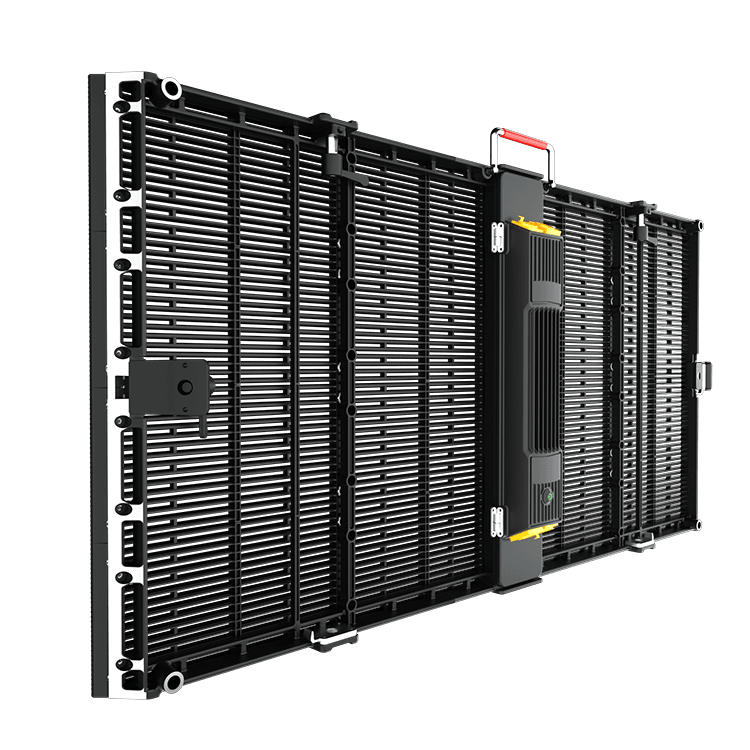
  • cabinet frames and cross-bracing

This is also why quality and manufacturing discipline matter: slimmer structures require better rigidity, flatter assembly, and stable alignment—topics often addressed in a manufacturer’s technology and quality control documentation (see: https://chinaledscreens.com/technology-quality/).


The main design levers that control transparency

1) Pixel pitch and strip spacing (the biggest driver)

Transparency rises when there is more space between LEDs/bars. Practically, that means:

  • Larger pixel pitch
  • Wider spacing between LED strips
  • Lower pixel density

Actionable guidance: Choose pitch based on viewing distance. If your audience stands far enough away (common for facades), you can use a larger pitch and keep transparency high. If viewers stand close (shop windows), you may need smaller pitch and accept less transparency—or use film/LED glass designs that hide structure more effectively.

2) LED package size (SMD vs COB film)

  • SMD LEDs are common and robust, but can require slightly more visible structure depending on how they’re mounted.
  • COB (Chip-on-Board) approaches in transparent film designs can help reduce package footprint and improve uniformity, depending on product architecture.

If you’re comparing transparent LED film options, review product technology notes and structure diagrams (reference category: https://chinaledscreens.com/led-film-screens/).

3) Frame/border width and cabinet design

Cabinet design can destroy transparency if:

  • Borders are thick
  • Cross-members cut across viewing areas
  • The seams don’t align, creating a “grid” that your eye catches immediately

High-transparency designs keep frames minimal and often align structure with building elements (mullions, transoms).

4) Cable routing + power/driver distribution

A transparent screen with messy cabling isn’t transparent in the real world. Better systems:

  • Route cables along edges or behind mullions
  • Keep drivers/PSU in less visible zones
  • Use clean harnessing to reduce visual clutter

The tradeoff triangle: transparency vs brightness vs resolution

High transparency is valuable—but it competes with image performance.

Why higher transparency usually reduces pixel density

If you remove material (bars, boards, pixels), you usually reduce:

  • Pixel count (resolution)
  • The ability to render fine text/details at close range

So the right question is not “What is the maximum transparency?” but:

  • “What transparency can I keep and still meet my content and viewing needs?”

Daylight readability (nits) for shop windows and facades

In bright ambient conditions, displays must produce sufficient luminance to be readable. Display brightness (luminance) is commonly discussed in nits (cd/m²), and perceived readability depends on ambient light and reflections. For general brightness concepts, see professional display brightness primers such as Sony’s overview: https://pro.sony/en_GB/technology/4k-lcd/brightness

Actionable guidance for transparent LED:

  • Daytime storefronts and sunlit facades need more brightness than indoor lobbies.
  • Higher brightness often means more LEDs, higher drive current, or denser pixel layouts—which can reduce transparency or increase heat/power.

Content strategy that looks better at high transparency

At 70–90% transparency, “traditional video wall content” may look washed out. Transparent LED works best with:

  • Bold shapes and high-contrast motion graphics
  • Larger text sizes
  • Darker background management (when appropriate)
  • Content that embraces the “floating” effect

This is why transparent LED is popular for brand moments, product launches, and architectural storytelling—see application ideas under solutions: https://chinaledscreens.com/solutions/


Different transparent LED technologies and how they reach high transparency

Transparent LED is not one product. The “80%” level is achieved differently depending on the technology.

Mesh / grille transparent LED (facades, wind-friendly)

How it achieves high transparency:

  • Uses structural strips or nodes with large open gaps
  • Lets wind pass through, reducing wind load pressure vs solid walls
  • Often mounted as a facade layer, where viewers are far away

If you’re exploring facade-scale options, compare families like mesh LED displays and LED grille screens (category references: https://chinaledscreens.com/mesh-led-displays/ and https://chinaledscreens.com/led-grille-screen/).

Best fit: large outdoor building surfaces, media facades, architectural outlines.

Transparent LED film (ultra-thin, highest “invisibility”)

How it achieves high transparency:

  • Extremely thin substrate with printed/embedded conductive traces
  • Minimal visible structural bars
  • Often applied directly onto glass (depending on product)

This can produce a very “clean window” look because the structure is less visually dominant than bar-based cabinets.

Start with the product overview here: https://chinaledscreens.com/led-film-screens/ And a deeper guide (useful for buyers): https://chinaledscreens.com/led-film-screens-guide/

Best fit: retail windows, indoor glass partitions, exhibition showcases.

LED glass (structural, integrated glazing option)

How it achieves high transparency:

  • LEDs are integrated into laminated glass assemblies
  • The glass itself becomes the “cabinet,” reducing external structure
  • Can be designed for architectural integration in curtain walls, balustrades, and media glass applications

Product category reference: https://chinaledscreens.com/led-glass-screens/ Background guide reference: https://chinaledscreens.com/led-glass-screens-transparent-led-glass-guide/

Best fit: projects where you want a more permanent architectural integration and where glazing performance and safety considerations are part of the design.


Installation and environmental factors that help maintain transparency long-term

A transparent LED screen can leave the factory looking “80% transparent,” but the installation determines whether it stays that way visually.

Alignment, flatness, and seam control

Misalignment creates visible discontinuities:

  • Bars that don’t line up form dark bands
  • Panel gaps create a grid pattern
  • Uneven mounting causes reflections and highlight lines

Actionable guidance: Include alignment tolerances in your acceptance checklist and require an on-site visual inspection at typical viewing distances (day and night).

Heat, dust, and cleaning considerations

Higher brightness and outdoor operation create heat. Heat management affects:

  • LED lifetime
  • Color stability
  • Adhesive longevity (for film)

Dust and pollution also reduce perceived transparency over time. Plan:

  • Cleaning access
  • Maintenance intervals
  • Surface treatments where applicable

Outdoor needs: IP rating, wind load, corrosion resistance

Outdoor transparent screens must address:

  • Ingress protection (water/dust)
  • Wind loading (especially on facades)
  • Corrosion resistance near coastal/industrial environments

For outdoor-oriented transparent products, start with: https://chinaledscreens.com/outdoor-transparent-led-screen/
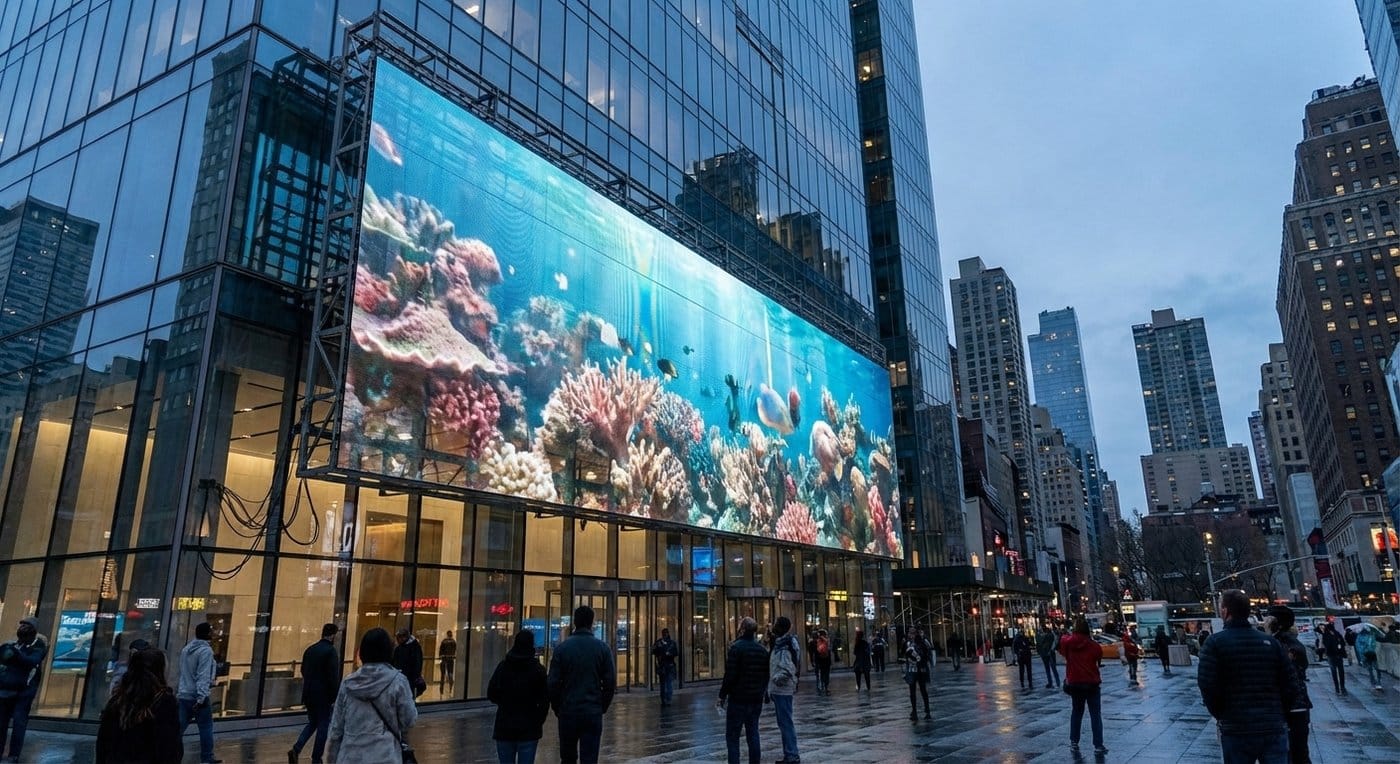
outdoor transparent led display

How to specify and verify “80% transparency” in procurement

Ask for the measurement method + drawings of open area

To keep claims meaningful, request:

  • A dimensioned drawing showing bar width, gap width, and effective open area
  • The product’s stated transparency method (open area vs optical)
  • Photos/videos from real installs at similar distances

What standards apply (glass optics context)

If your display is integrated with glazing (film or LED glass), it can help to frame discussions using glazing terminology like VLT and reference standards such as EN 410 for luminous transmittance characterization in glazing contexts. Source: EN 410 reference page https://standards.iteh.ai/catalog/standards/cen/8e7c5c1c-3a28-4c1e-9c7f-6b2f1b48a0d4/en-410-2011 and VLT explainer https://www.vitroglazings.com/education/energy-efficiency/visible-light-transmittance/

(Your LED system may not be certified to EN 410 as a full glazing unit—but the concepts help prevent “marketing percent” confusion.)

Acceptance checklist on-site (practical)

Use a punch-list such as:

  • Transparency looks uniform across panels (no “dark belts”)
  • Cables and power boxes are not in the primary viewing zone
  • Content readability meets day/night needs
  • No obvious moiré or striping at target viewing distance
  • Cleaning/maintenance access confirmed

For project planning and engineering support pathways, see: https://chinaledscreens.com/solutions/ and technology notes https://chinaledscreens.com/technology-quality/


Practical selection guide (by application)

Retail shop windows

Goal: Keep the store visible while running promotions/brand content.

  • Consider transparent LED film for minimal structure on glass.
  • Balance transparency with enough brightness for daytime.

Explore retail-oriented use cases: https://chinaledscreens.com/led-for-retail-brand-experience/ and product options https://chinaledscreens.com/transparent-led-screens/

Glass curtain walls and media facades

Goal: Architectural-scale impact from distance.

  • Mesh/grille systems can keep high transparency and handle wind.
  • LED glass is an option when the facade itself is designed around media glazing.

Explore architecture/facade solutions: https://chinaledscreens.com/led-screen-for-architecture-facades-glass-structures/
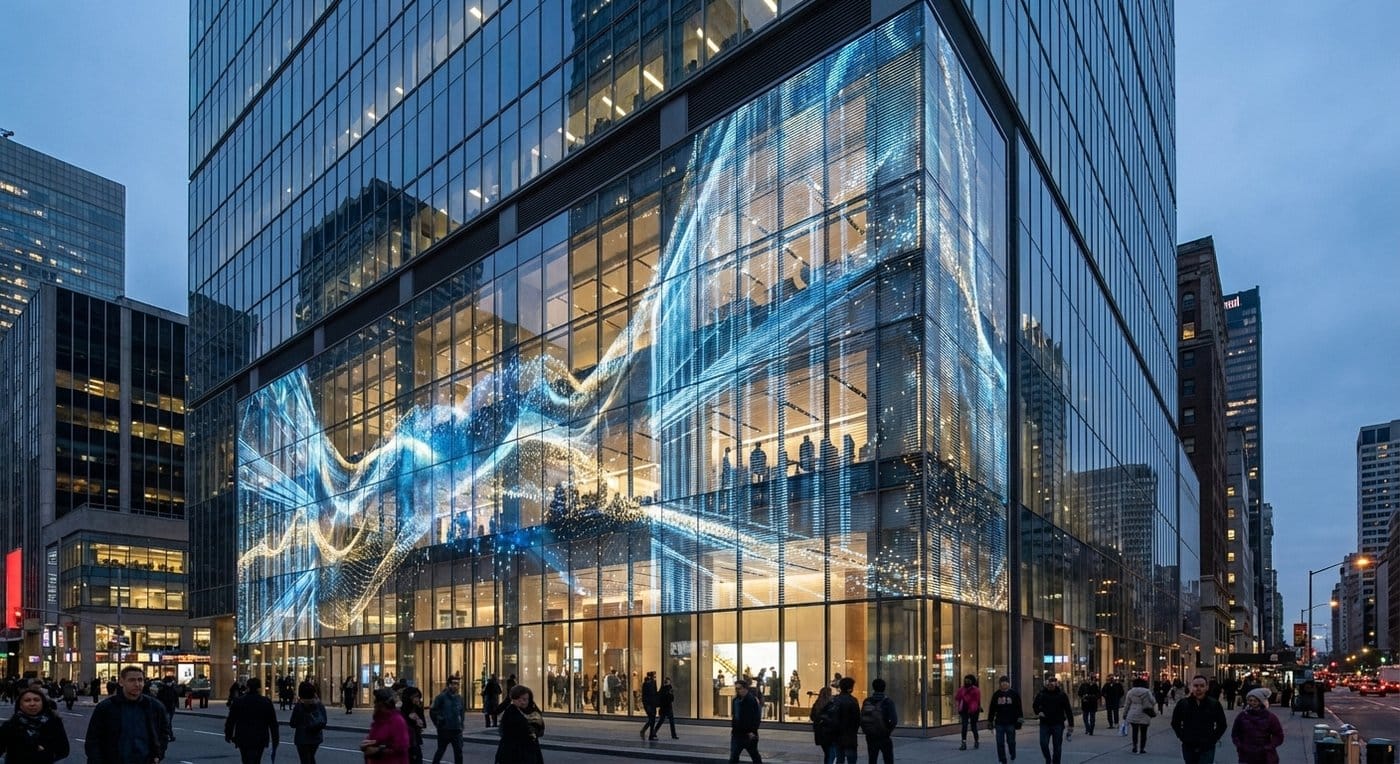
transparent led screen for Glass curtain walls and media facades

Indoor partitions, lobbies, museums

Goal: Elegant integration, close viewing, minimal obstruction.

  • LED film and LED glass often look cleaner up close than bar cabinets.
  • Use content that embraces transparency (bold graphics, not dense detail).

See cultural/education venue ideas: https://chinaledscreens.com/led-screen-display-for-culture-education-attractions/
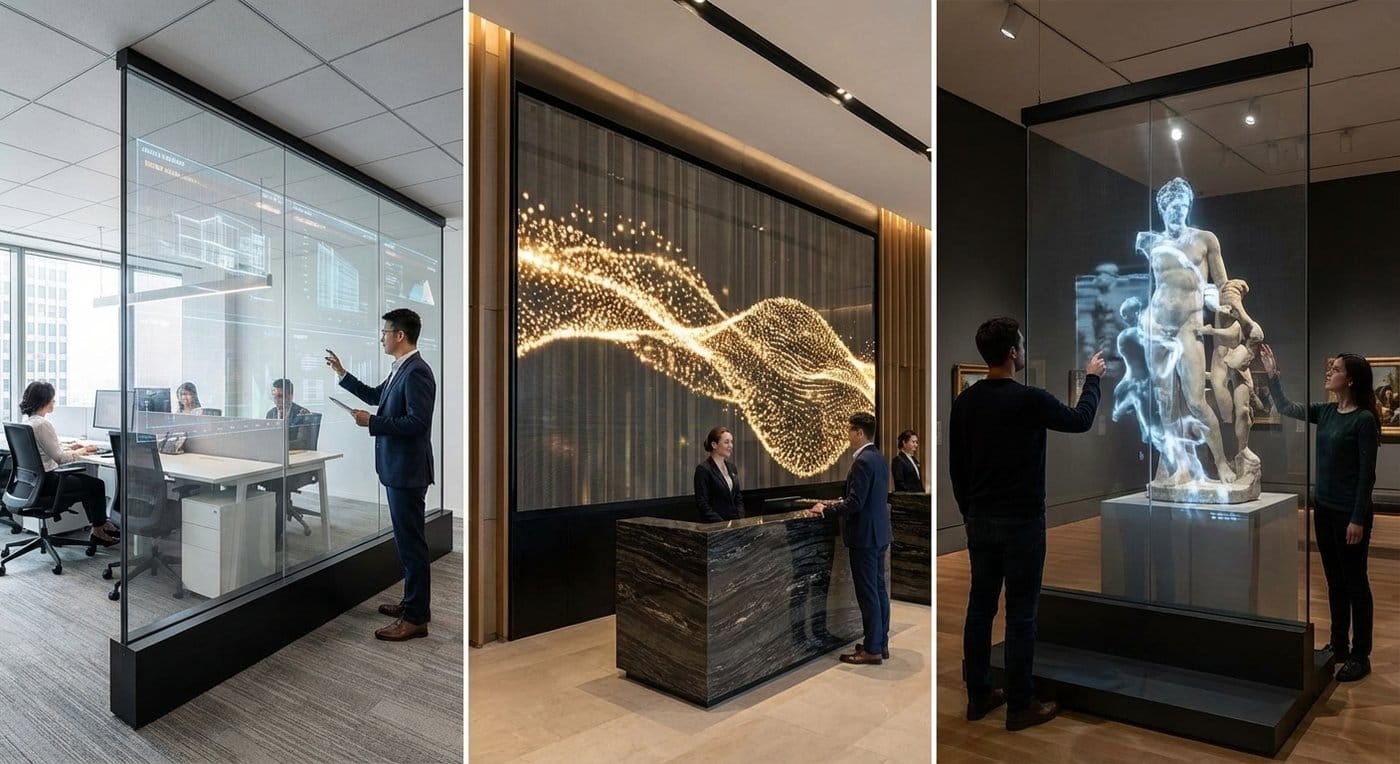
transparent led screen for Indoor partitions, lobbies, museums

Real-world examples and where to see project references

When evaluating transparency claims, case studies matter because they show:

  • Day vs night appearance
  • Viewing distance and background conditions
  • How wiring and mounting were handled

Browse project references here: https://chinaledscreens.com/projects-case-studies/ (internal gallery)


FAQ

Is 80% transparency always better?

Not always. If the screen is too transparent for your environment, content can look faint during the day. The best result is the highest transparency that still meets your brightness and content goals.

What matters more than the transparency percentage?

For decision-making: viewing distance, brightness, pixel pitch, and installation cleanliness (cable management, alignment) usually matter more than a single marketing percent.

Which technology is most “invisible” on glass?

Often transparent LED film or LED glass can look more seamless because there are fewer visible structural bars—if installed well.

Next steps (implementation-oriented)

  1. Define viewing distance and content types (text-heavy vs brand motion).
  2. Choose the product family (mesh/grille vs film vs glass). Start from: https://chinaledscreens.com/product-categories/
  3. Request drawings showing open-area ratio and how drivers/PSUs are placed.
  4. Validate with real installs and references: https://chinaledscreens.com/projects-case-studies/
  5. Engage engineering support for integration details: https://chinaledscreens.com/services/ or contact: https://chinaledscreens.com/contact-us/

Ready to Unlock the Full Potential of Your Projects?

Let’s map your transparent LED solution in one step. Share a few project details and we’ll reply with:
A tailored spec (pixel pitch, transparency %, brightness) matched to your glass sizes and viewing distances
A drawings list & mounting plan suited to your mullions and cable routes
A budgetary quote and indicative lead‑time window
fast inquiry

Comments

Blog Comments
Share your love