Talk To Our Expert, Get A Solution in 20 minutes
Share your LED screen needs. Our experts will provide solutions and a quick response.

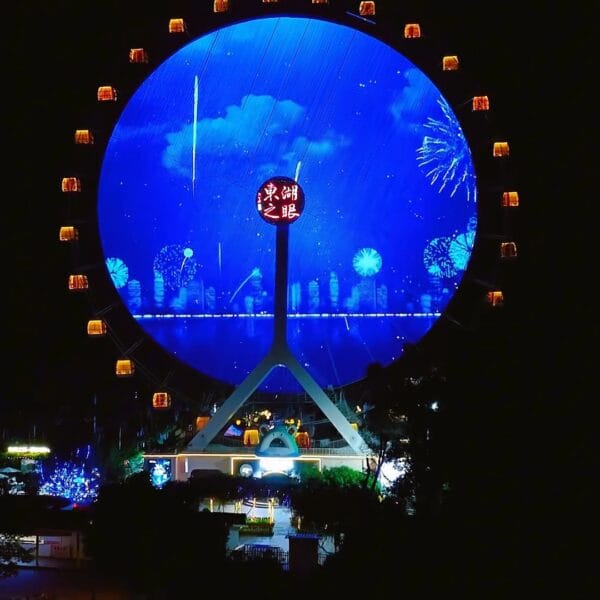
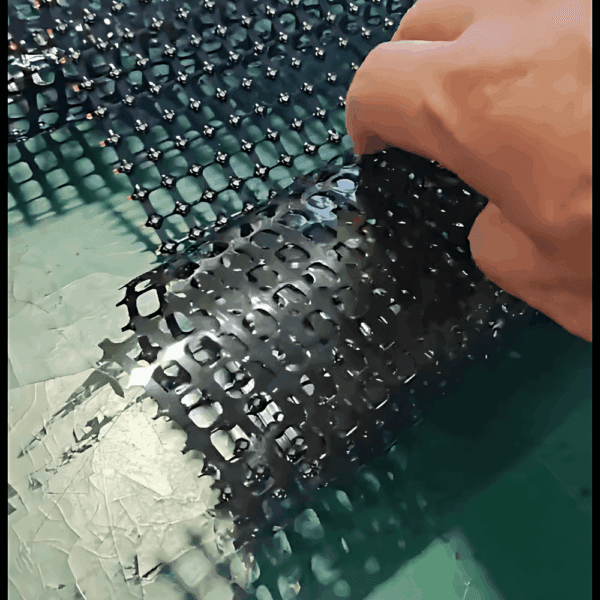
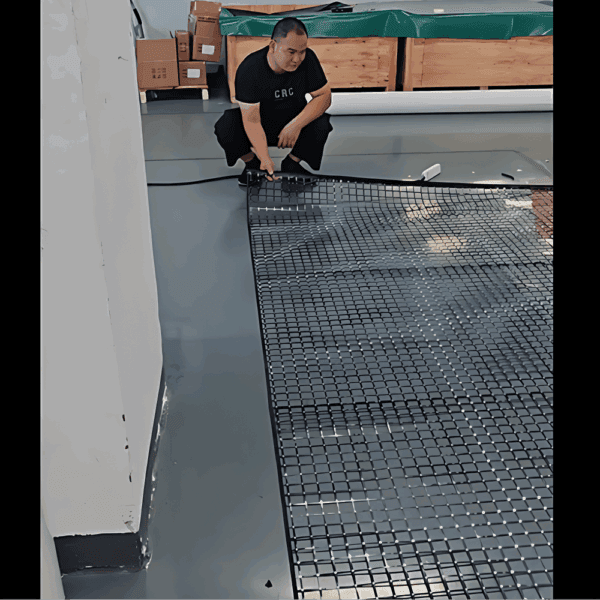
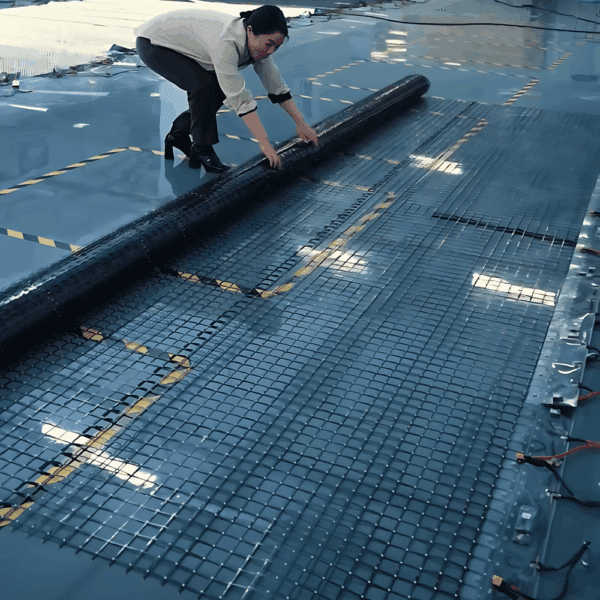
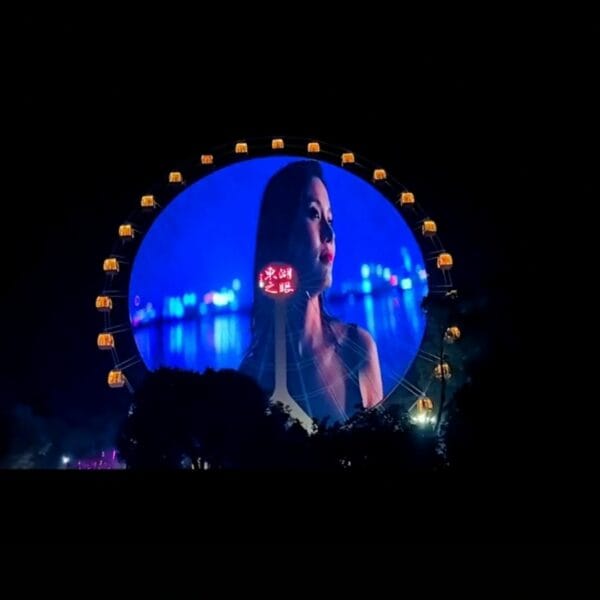
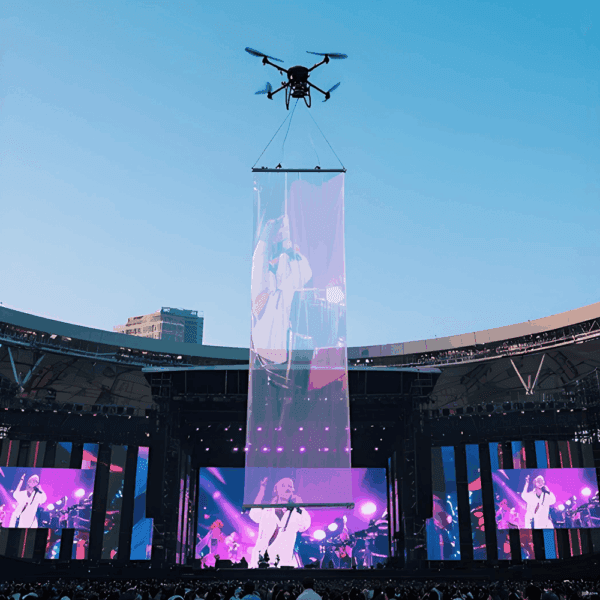
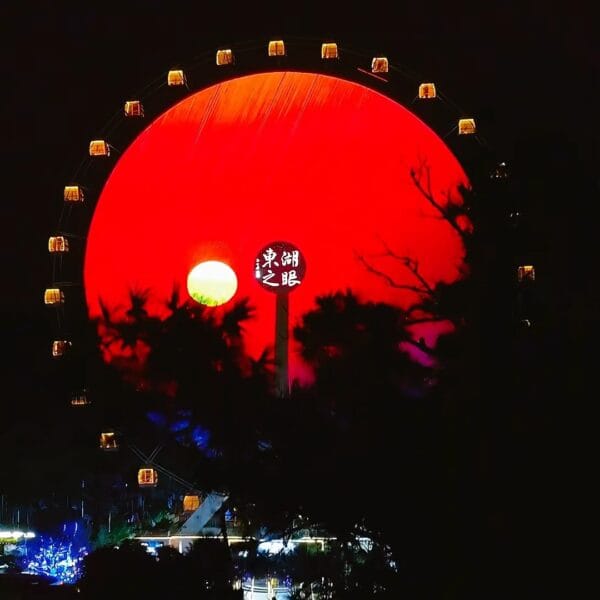
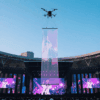
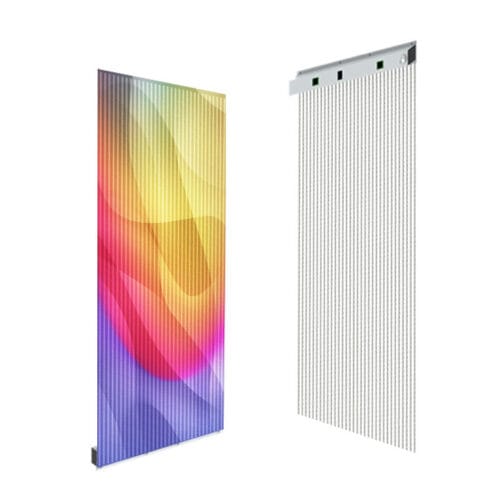
Mesh Facade LED Screen turns building skins into ultra-light media façades. Up to 95–99% visual openness, adjustable high brightness, and 2 mm thin strips click together with male/female plugs for true plug-and-play. Save up to 75% power vs. cabinet walls, keep airflow and daylight, and control from phone, iPad, or NovaStar.
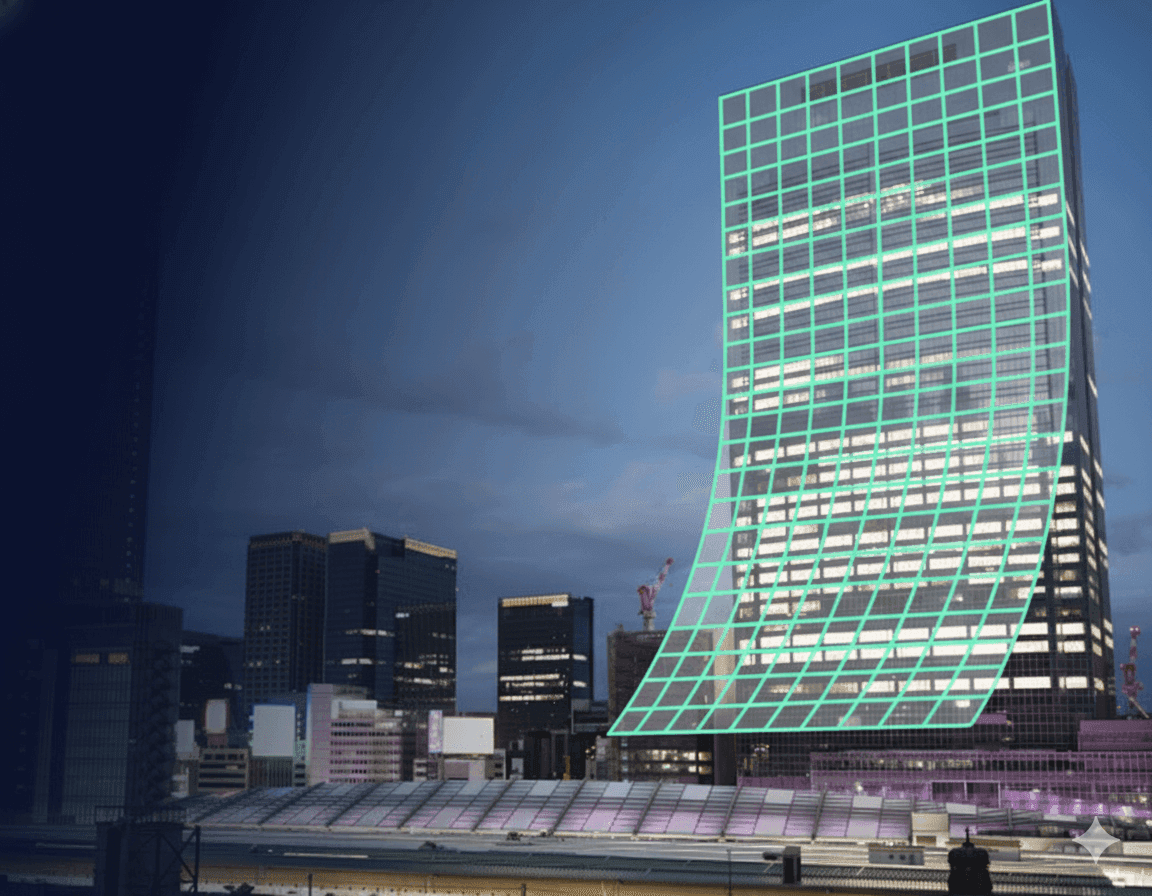
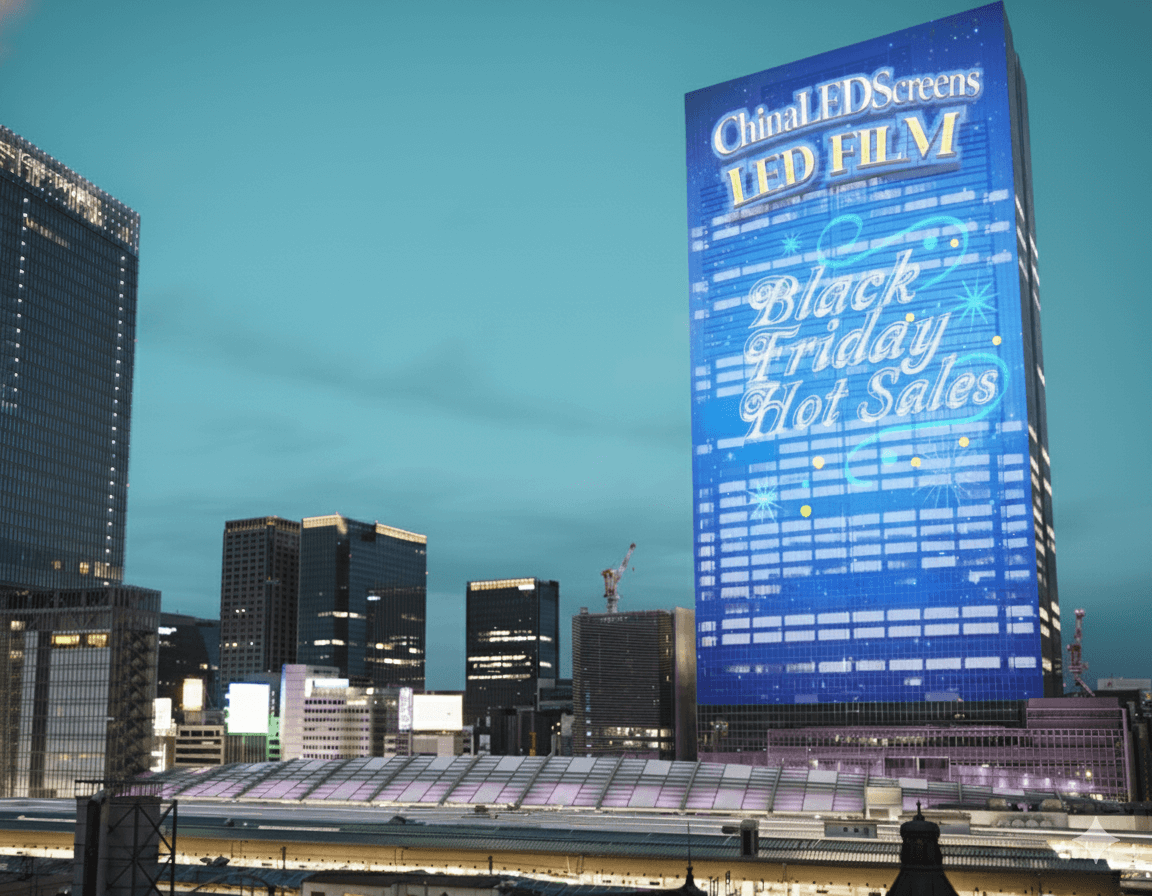
A screen that breathes with the architecture. Our Mesh Facade LED Screen uses slender 2 mm light strips and high-efficiency drivers to deliver vivid content while keeping the curtain wall open to air and light. The result is a façade that looks like architecture by day and becomes a refined digital canvas after dusk.
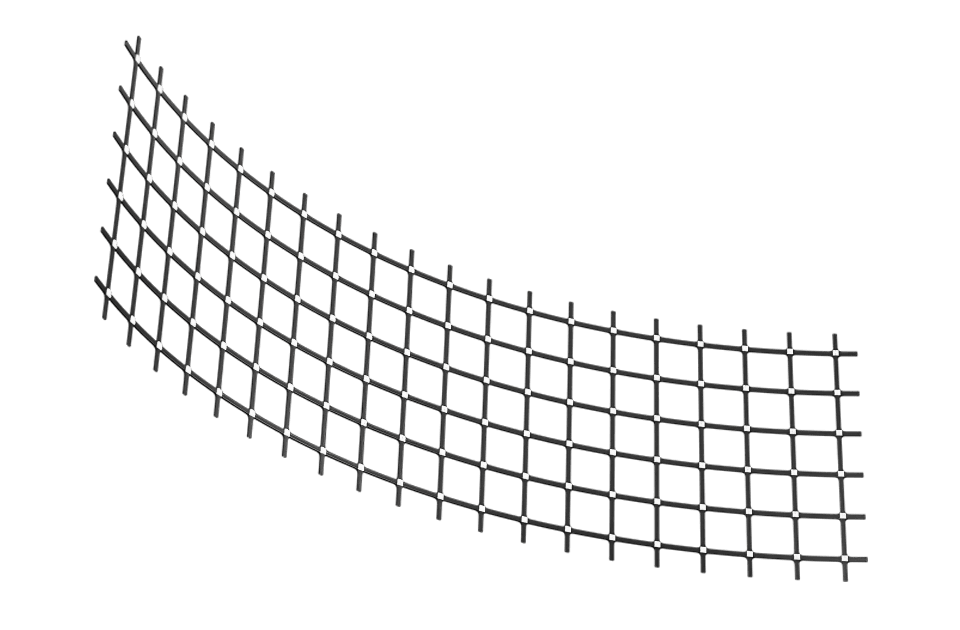
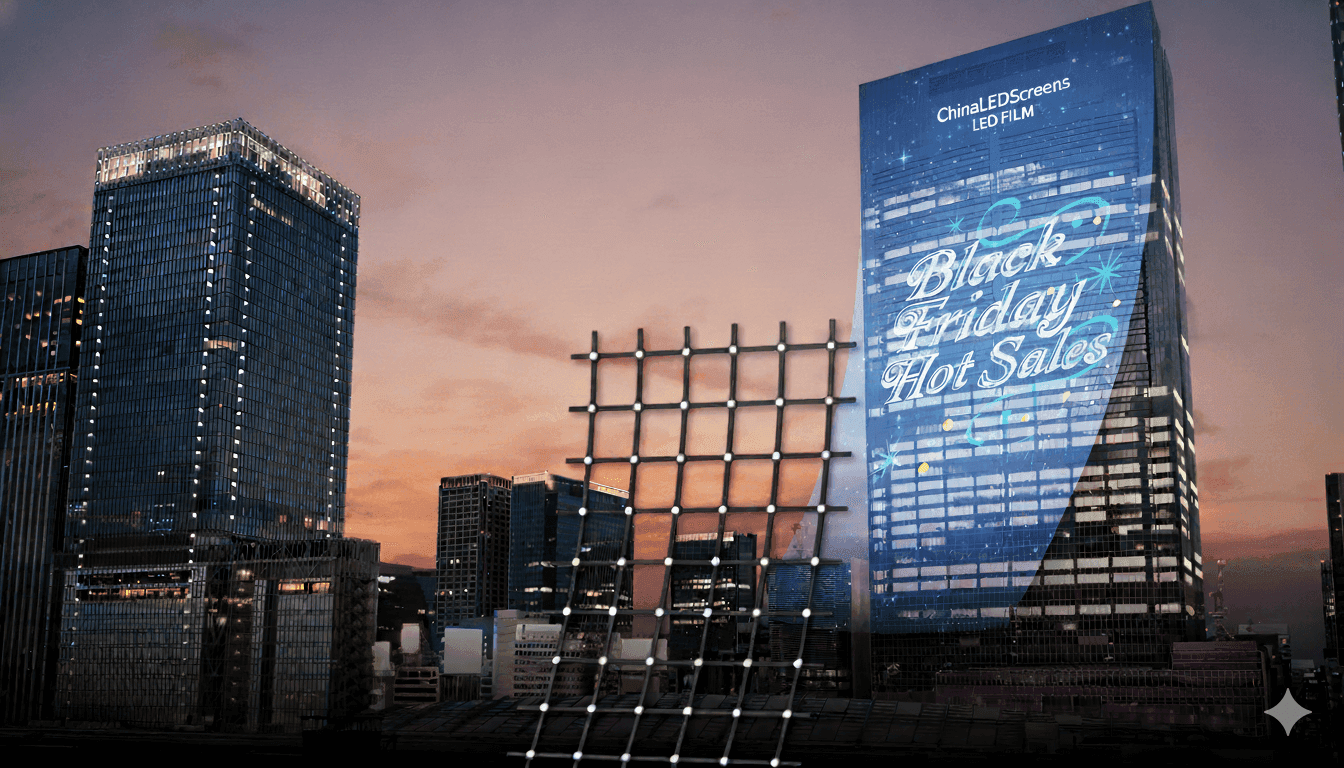
Example build: W 4.8 m × H 15 m at P40 grid for skyline branding; ~300k addressable dots with >90% openness and wind-through structure. (Other sizes and pitches available.)
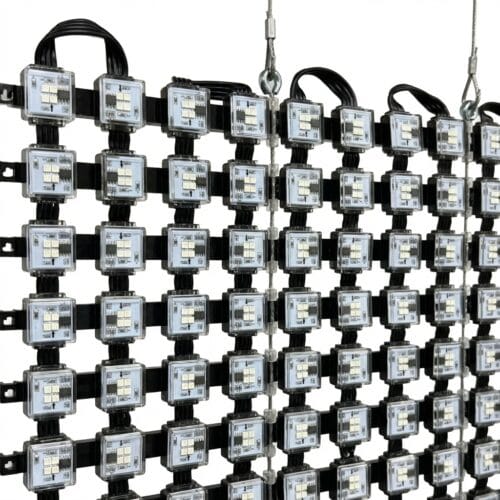
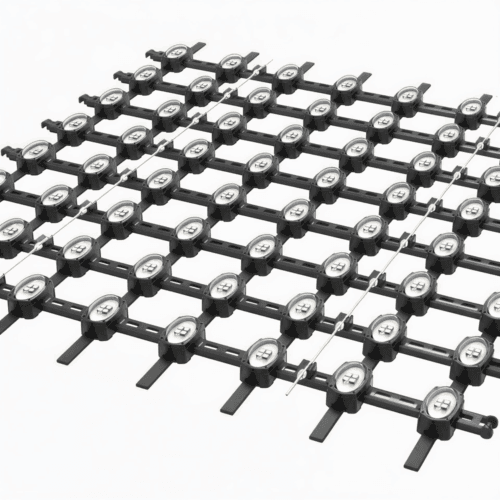
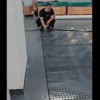
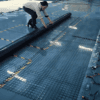
Modules snap together with integrated plugs; runs are mapped in the controller and scaled to your façade. Front-accessible strips allow quick swaps without scaffolding. Open-grid design improves natural convection, reducing cooling demand and extending component life.
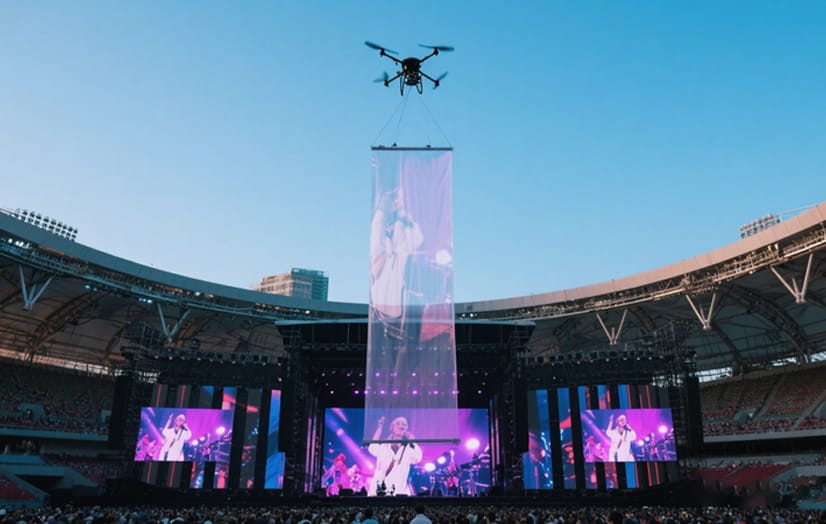
Next step Share your elevation (DWG/PDF), desired viewing distances, brightness target, and power/data entry points. We’ll return a pitch recommendation, transparency & nit model, load estimates, and a wiring/Novastar map tuned to your building.
| Name | Project | Parameters |
| LED screen | Screen size | W4.8*H15m |
| Resolving Power | P40 | |
| Spacing | 40*40mm | |
| Pixel | 300,000 dots | |
| Input Voltage | DC24V | |
| Input type | Lithium battery | |
| Lamp Bead Packaging | 5050 | |
| Drive Mode | Static state | |
| Refresh Frequency | 3840/1920Hz | |
| Chip Structure | RGB+IC | |
| System Support | Novastar | |
| Operation Method | Phone, iPad | |
| Media Format | Video; images | |
| Video Format | AVI; MP4; WMV; MOV | |
| Image Format | JPG; PNG; GIF; BMP | |
| Power battery | Battery name | Ternary lithium battery |
| Battery capacity | 10.4Ah | |
| Use group | 5 groups | |
| Cell model | 18650 | |
| Charging voltage | 25.2V | |
| Nominal voltage | 22.22V |
The Mesh Facade LED Display Screen features a flexible, net-like structure composed of LED pixel points connected by high-strength steel wires or durable cabling. This unique “soft” design eliminates the rigid cabinets found in traditional screens, making the display pliable and capable of folding or rolling. This flexibility allows it to adapt perfectly to various architectural shapes, including curved, round, or irregular building facades, without requiring heavy structural support.
The Mesh Facade Screen is designed with a high transparency rate, typically ranging from 50% to 90%, depending on the pixel pitch. This grid-like permeability allows sunlight and wind to pass freely through the display, ensuring that the building’s interior lighting and ventilation are not compromised. Furthermore, the low wind resistance significantly reduces the structural load on the building, making it safer and more stable for large-scale outdoor installations on skyscrapers.
Yes, the screen is engineered for robust outdoor performance with a high protection rating, usually IP66 or IP67. The individual LED nodes are sealed with high-quality waterproof and UV-resistant materials (often utilizing potting technology), ensuring the display can withstand heavy rain, dust, and intense sunlight. Its materials are also selected for fire resistance and durability against extreme temperature fluctuations, ensuring a long operational lifespan in harsh environments.
The Mesh Facade LED Display is exceptionally lightweight compared to traditional steel-cabinet LED walls. Weighing significantly less per square meter (often as low as 2kg to 10kg/m² depending on the model), it places minimal stress on the installation surface. This ultra-light characteristic makes it an ideal solution for retrofitting older buildings or installing on glass curtain walls where heavy load-bearing capacities are limited.
The installation process is streamlined and efficient due to the screen’s lightweight and rollable nature. It typically utilizes a hanging installation method where the mesh is suspended from top beams or brackets, similar to a curtain. This avoids the need for massive steel frame constructions. Maintenance is also simplified; individual pixel strings or modules can often be replaced without dismantling the entire screen, allowing for cost-effective and quick repairs.
This product is primarily utilized for large-scale architectural media facades. Its ability to cover vast surface areas without blocking the building’s appearance makes it perfect for landmark buildings, glass curtain walls of shopping malls, bridges, stage backgrounds, and creative lighting projects. It transforms static building exteriors into dynamic video walls for brand advertising, light shows, and city beautification while remaining unobtrusive when the screen is turned off.