Parla con il nostro esperto, ottieni una soluzione in 20 minuti
Condividi le tue esigenze in fatto di schermi LED. I nostri esperti ti forniranno soluzioni e una risposta rapida.

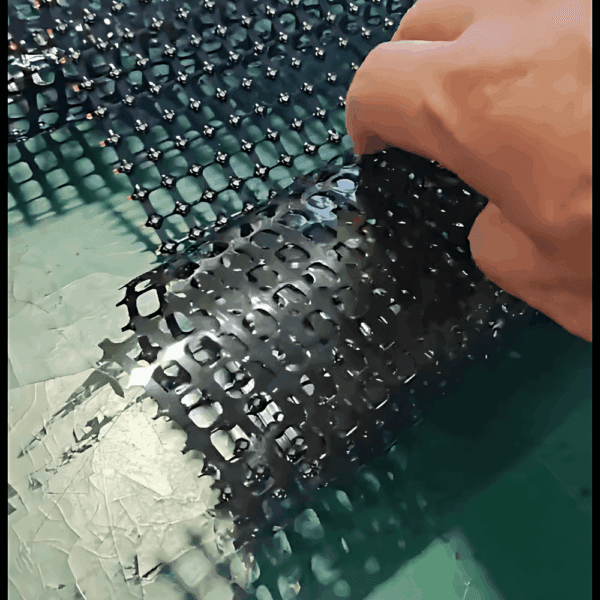
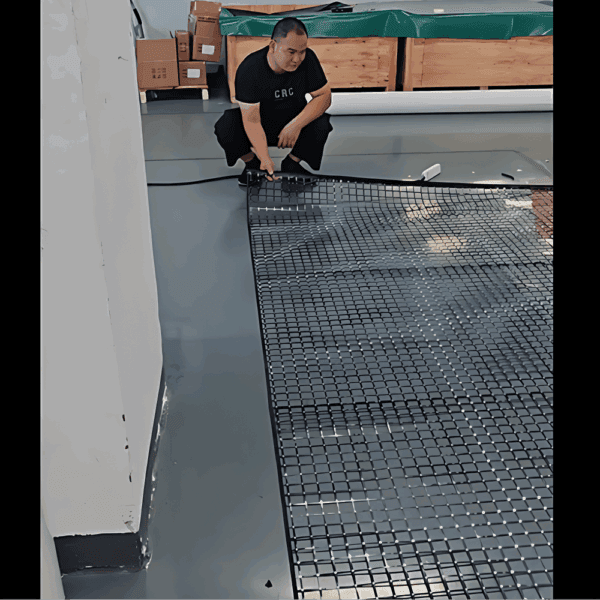
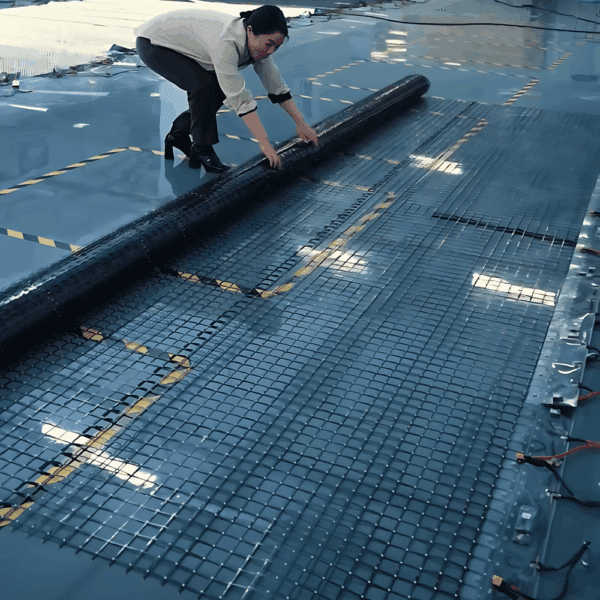
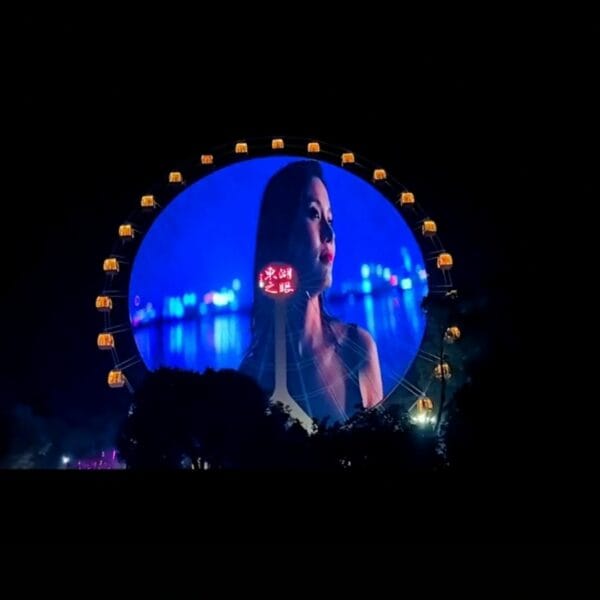
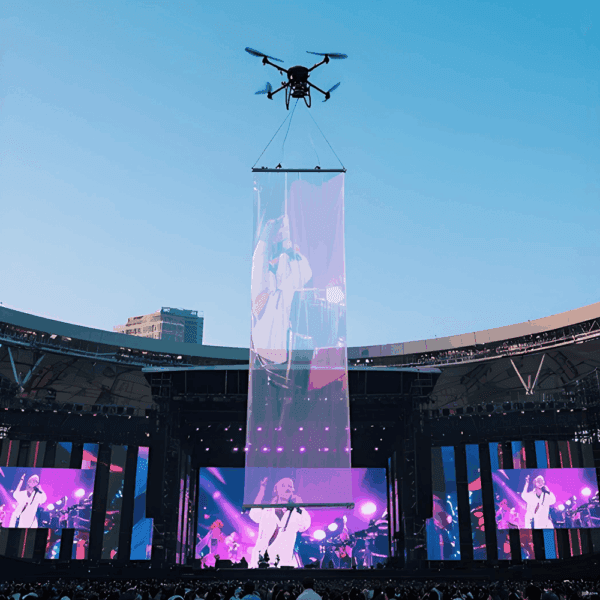
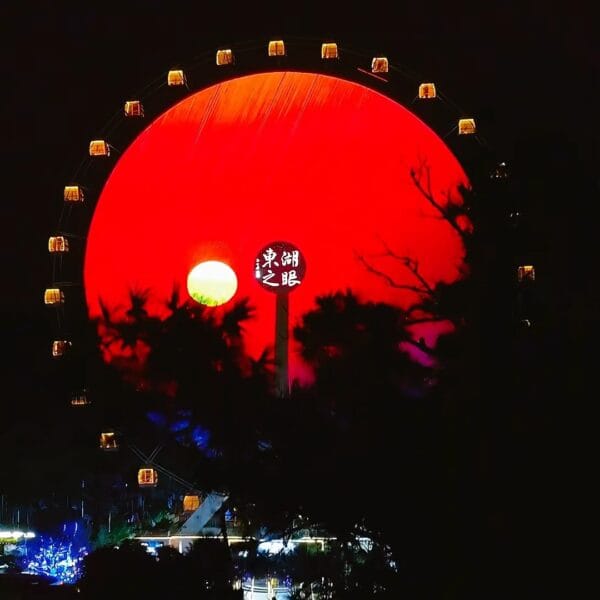
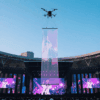
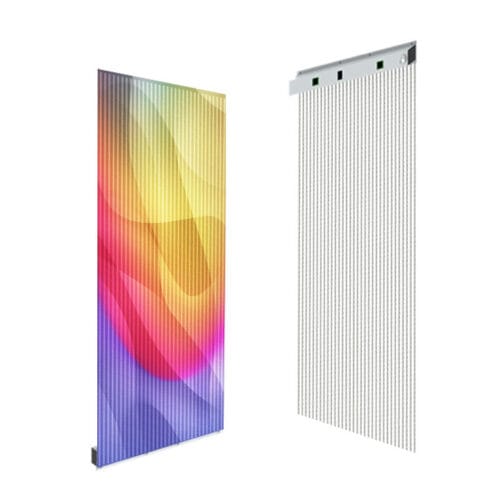
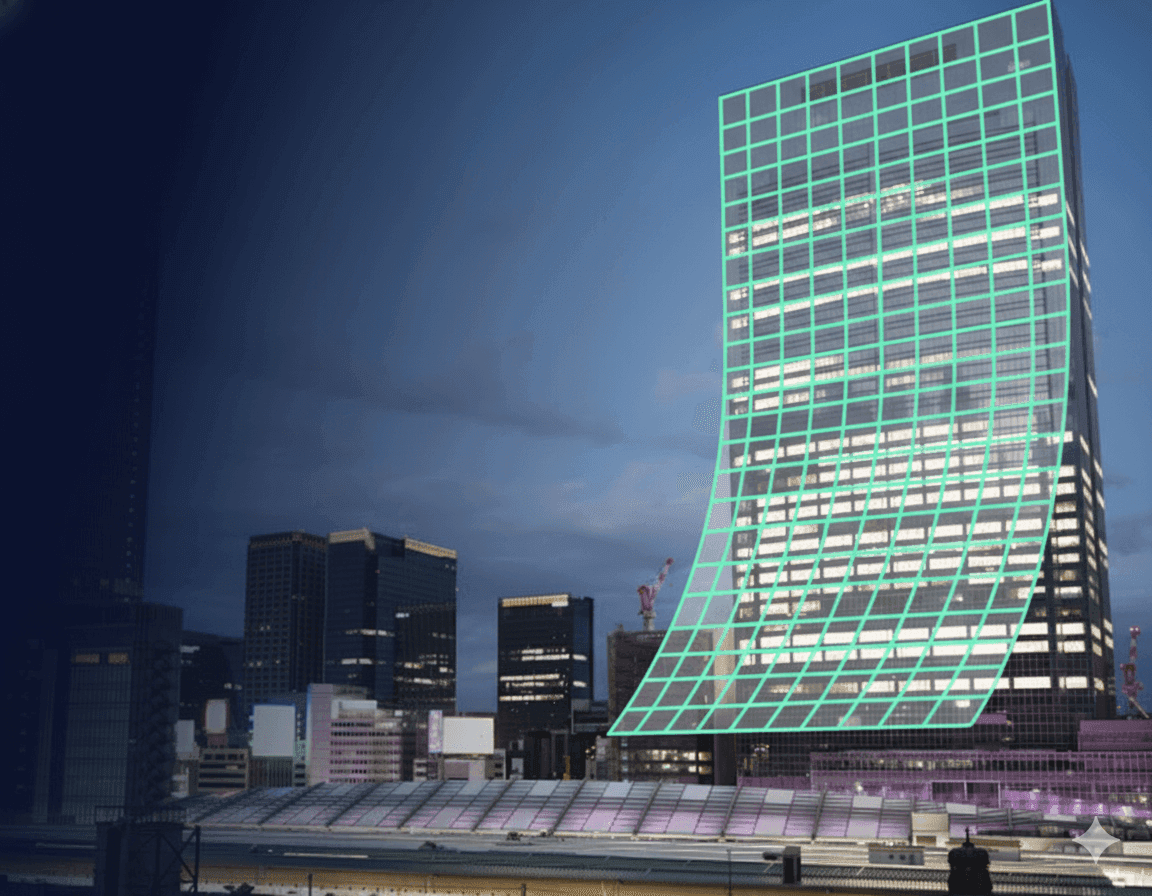
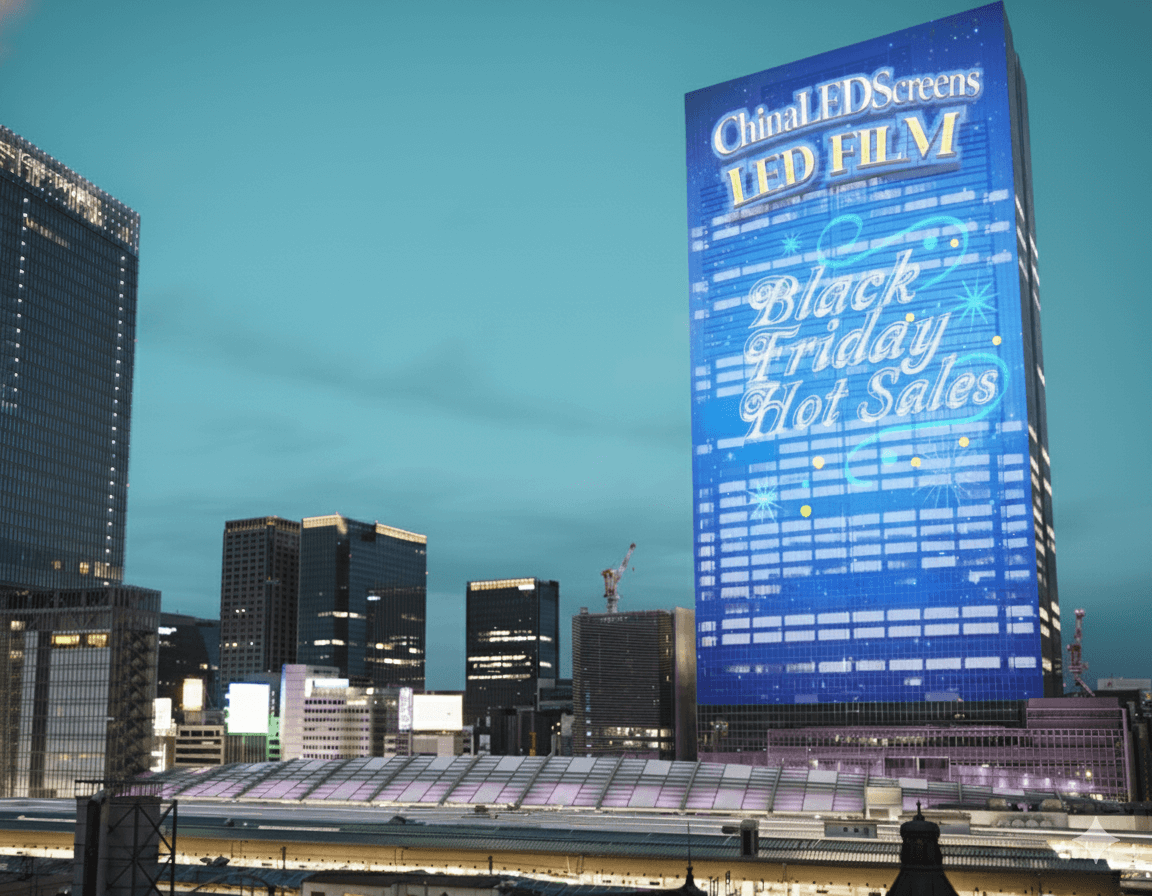
Mesh Facade LED Screen turns building skins into ultra-light media façades. Up to 95–99% visual openness, adjustable high brightness, and 2 mm thin strips click together with male/female plugs for true plug-and-play. Save up to 75% power vs. cabinet walls, keep airflow and daylight, and control from phone, iPad, or NovaStar.
A screen that breathes with the architecture. Our Mesh Facade LED Screen uses slender 2 mm light strips and high-efficiency drivers to deliver vivid content while keeping the curtain wall open to air and light. The result is a façade that looks like architecture by day and becomes a refined digital canvas after dusk.
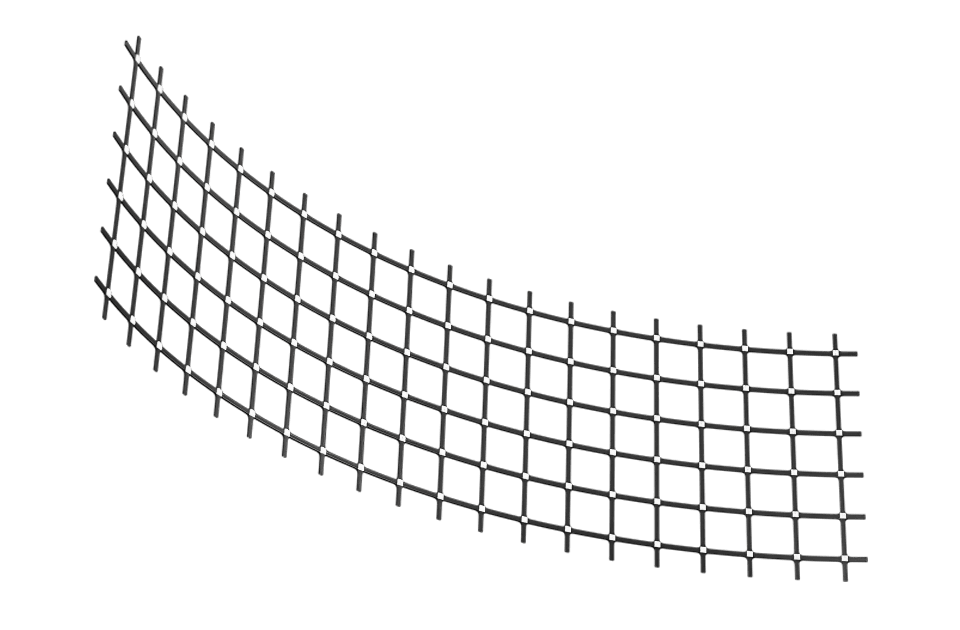
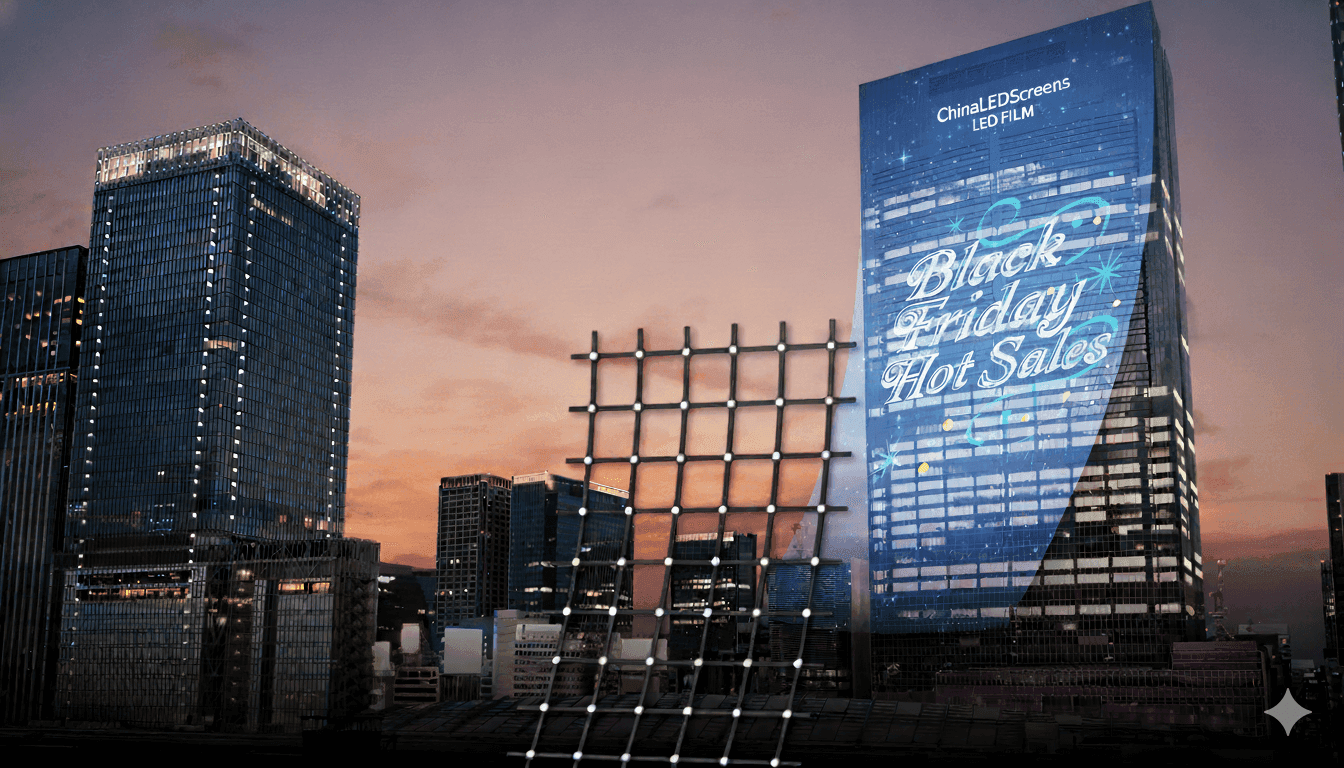
Example build: W 4.8 m × H 15 m at P40 grid for skyline branding; ~300k addressable dots with >90% openness and wind-through structure. (Other sizes and pitches available.)
Modules snap together with integrated plugs; runs are mapped in the controller and scaled to your façade. Front-accessible strips allow quick swaps without scaffolding. Open-grid design improves natural convection, reducing cooling demand and extending component life.
Next step Share your elevation (DWG/PDF), desired viewing distances, brightness target, and power/data entry points. We’ll return a pitch recommendation, transparency & nit model, load estimates, and a wiring/Novastar map tuned to your building.
| Nome | Project | Parameters |
| LED screen | Screen size | W4.8*H15m |
| Resolving Power | P40 | |
| Spacing | 40*40mm | |
| Pixel | 300,000 dots | |
| Input Voltage | DC24V | |
| Input type | Lithium battery | |
| Lamp Bead Packaging | 5050 | |
| Drive Mode | Static state | |
| Refresh Frequency | 3840/1920Hz | |
| Chip Structure | RGB+IC | |
| System Support | Novastar | |
| Operation Method | Phone, iPad | |
| Media Format | Video; images | |
| Video Format | AVI; MP4; WMV; MOV | |
| Image Format | JPG; PNG; GIF; BMP | |
| Power battery | Battery name | Ternary lithium battery |
| Battery capacity | 10.4Ah | |
| Use group | 5 groups | |
| Cell model | 18650 | |
| Charging voltage | 25.2V | |
| Nominal voltage | 22.22V |
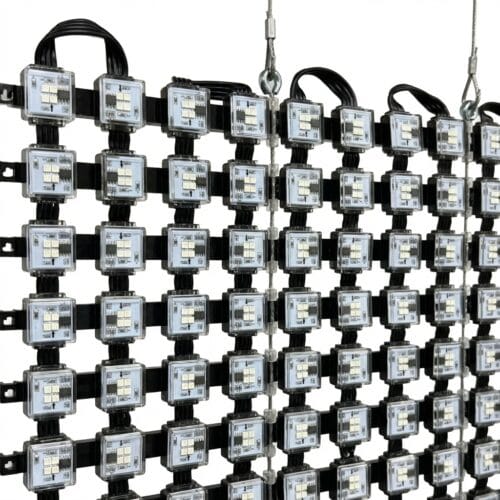
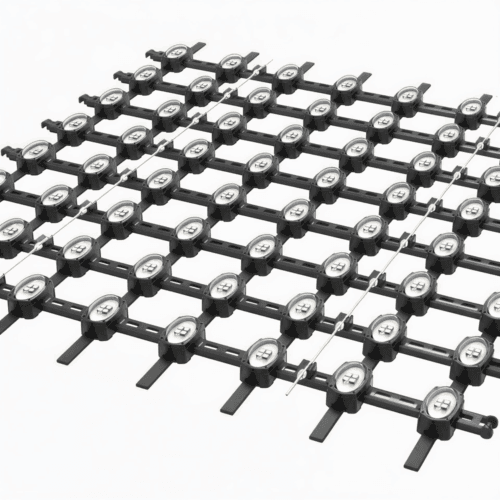
Lo schermo LED Mesh Facade presenta una struttura flessibile, simile a una rete, composta da punti pixel LED collegati da fili d'acciaio ad alta resistenza o da un cablaggio resistente. Questo esclusivo design “morbido” elimina gli armadietti rigidi presenti negli schermi tradizionali, rendendo il display flessibile e in grado di piegarsi o arrotolarsi. Questa flessibilità gli consente di adattarsi perfettamente a varie forme architettoniche, comprese le facciate curve, rotonde o irregolari degli edifici, senza richiedere un pesante supporto strutturale.
Lo schermo per facciate a rete è progettato con un elevato tasso di trasparenza, che varia in genere da 50% a 90%, a seconda del passo dei pixel. Questa permeabilità a griglia consente alla luce solare e al vento di passare liberamente attraverso il display, assicurando che l'illuminazione interna e la ventilazione dell'edificio non vengano compromesse. Inoltre, la bassa resistenza al vento riduce significativamente il carico strutturale dell'edificio, rendendolo più sicuro e stabile per le installazioni esterne su larga scala sui grattacieli.
Sì, lo schermo è progettato per garantire prestazioni robuste all'esterno con un grado di protezione elevato, di solito IP66 o IP67. I singoli nodi LED sono sigillati con materiali di alta qualità resistenti all'acqua e ai raggi UV (spesso utilizzando la tecnologia potting), per garantire che il display possa resistere a pioggia, polvere e luce solare intensa. I materiali sono selezionati anche per la resistenza al fuoco e alle fluttuazioni estreme di temperatura, per garantire una lunga durata operativa in ambienti difficili.
Il display LED Mesh Facade è eccezionalmente leggero rispetto alle tradizionali pareti LED con armadi in acciaio. Con un peso significativamente inferiore per metro quadrato (spesso da 2 a 10 kg/m² a seconda del modello), il display esercita uno stress minimo sulla superficie di installazione. Questa caratteristica ultra-leggera lo rende una soluzione ideale per la riqualificazione di vecchi edifici o per l'installazione su facciate continue in vetro dove la capacità di carico è limitata.
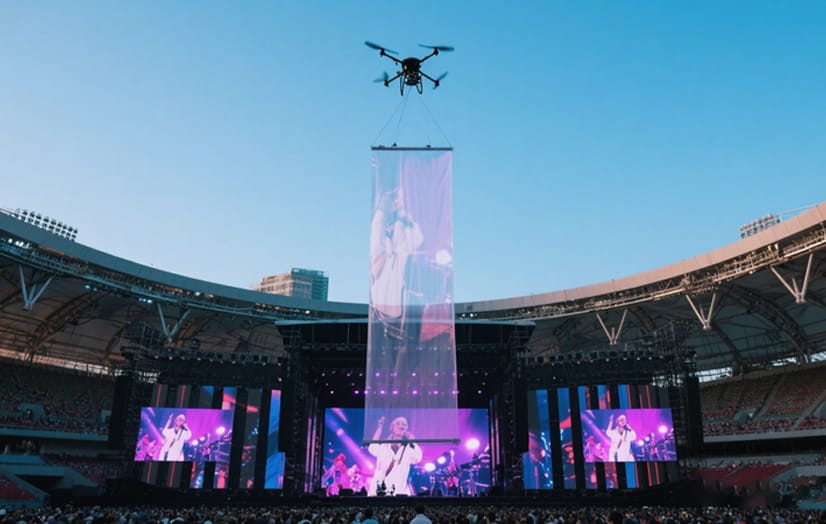
Il processo di installazione è snello ed efficiente, grazie alla leggerezza e all'arrotolabilità dello schermo. In genere si utilizza un metodo di installazione appeso, in cui la rete è sospesa a travi o staffe superiori, come una tenda. In questo modo si evita la necessità di costruire massicce strutture in acciaio. Anche la manutenzione è semplificata: le singole stringhe di pixel o i moduli possono spesso essere sostituiti senza smontare l'intero schermo, consentendo riparazioni rapide ed economiche.
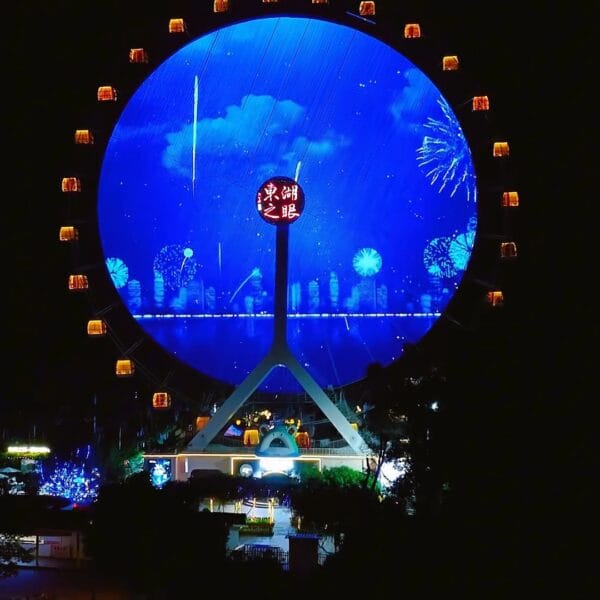
Questo prodotto è utilizzato principalmente per le facciate architettoniche di grandi dimensioni. La sua capacità di coprire vaste superfici senza bloccare l'aspetto dell'edificio lo rende perfetto per edifici simbolo, facciate continue in vetro di centri commerciali, ponti, sfondi di palcoscenici e progetti di illuminazione creativa. Trasforma gli esterni statici degli edifici in pareti video dinamiche per la pubblicità dei marchi, gli spettacoli di luce e l'abbellimento delle città, pur rimanendo discreto quando lo schermo è spento.