In 2026, “SMD vs COB vs GOB vs MIP vs DIP” isn’t just a spec sheet comparison—it’s a risk profile decision.
Choose wrong, and you get fragile modules, inconsistent colors, and maintenance headaches at height. Choose right, and the screen disappears into the architecture and quietly runs for years.
As a factory-direct ChinaLEDScreens transparent LED display factory, we sit between chip vendors, packaging houses, architects, and integrators daily. This article is the way we explain these five packaging paths to people who actually carry project risk: LED engineers, AV integrators, design agencies, developers, contractors, architects and B2B buyers.
1. What SMD, COB, GOB, MIP, and DIP really describe
Before debating “which is best”, you need to frame them correctly:
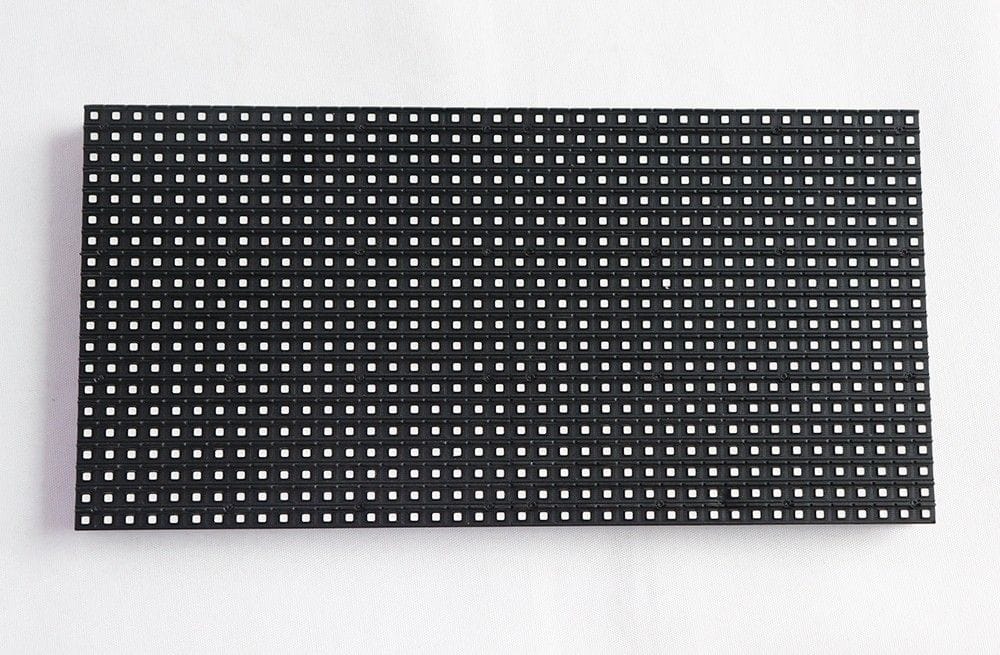
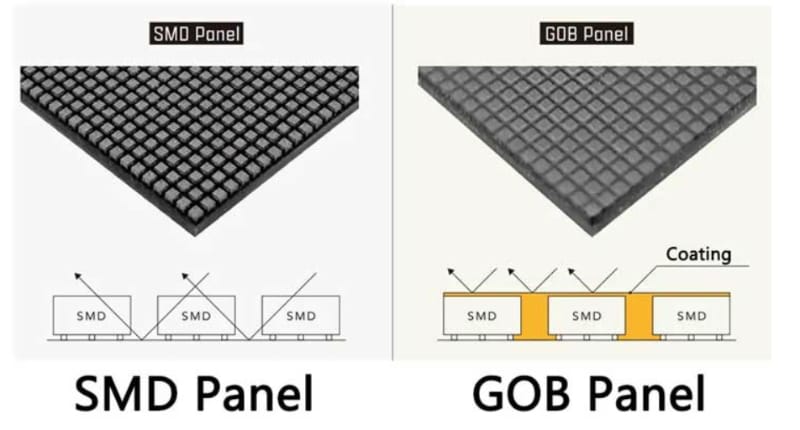
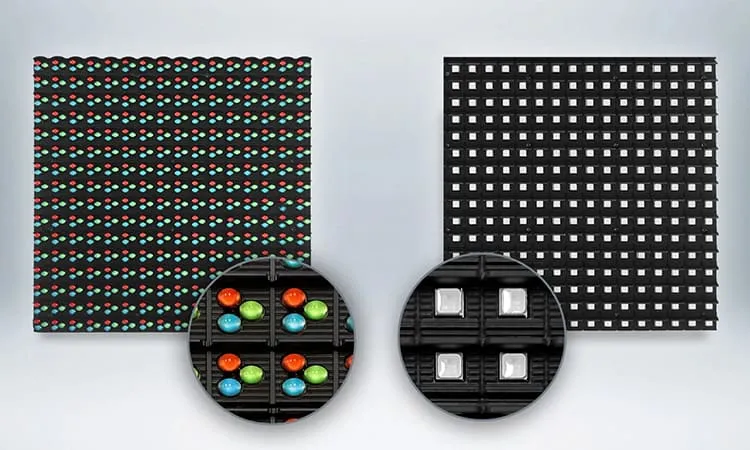
- SMD (Surface-Mount Device) Classic LED package mounted directly on the PCB. You see individual lamps on the surface.
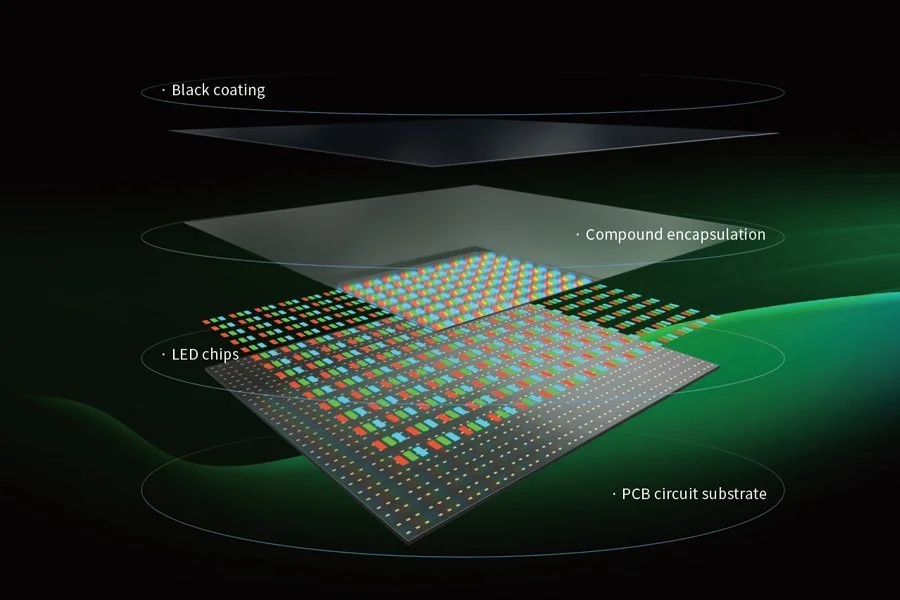
- COB (Chip on Board) Bare LED chips are bonded directly to the PCB and encapsulated into a flat, continuous surface.
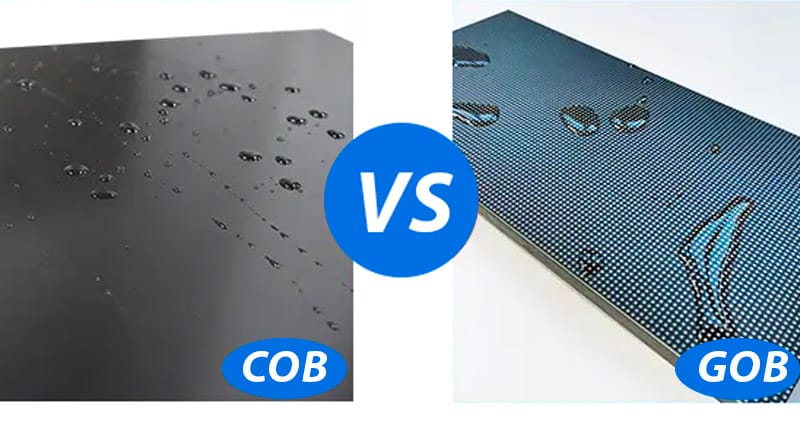
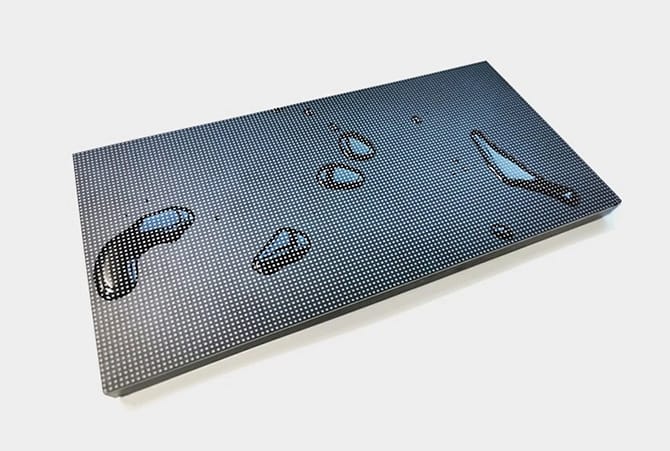
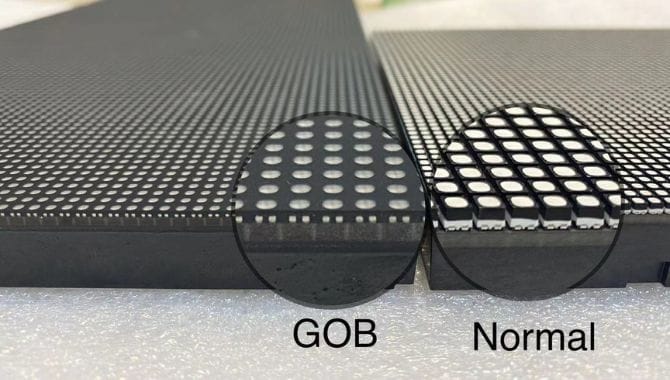
- GOB (Glue on Board) Not a new package, but a process: transparent resin is poured over (usually) SMD modules, giving them a protective “skin”.
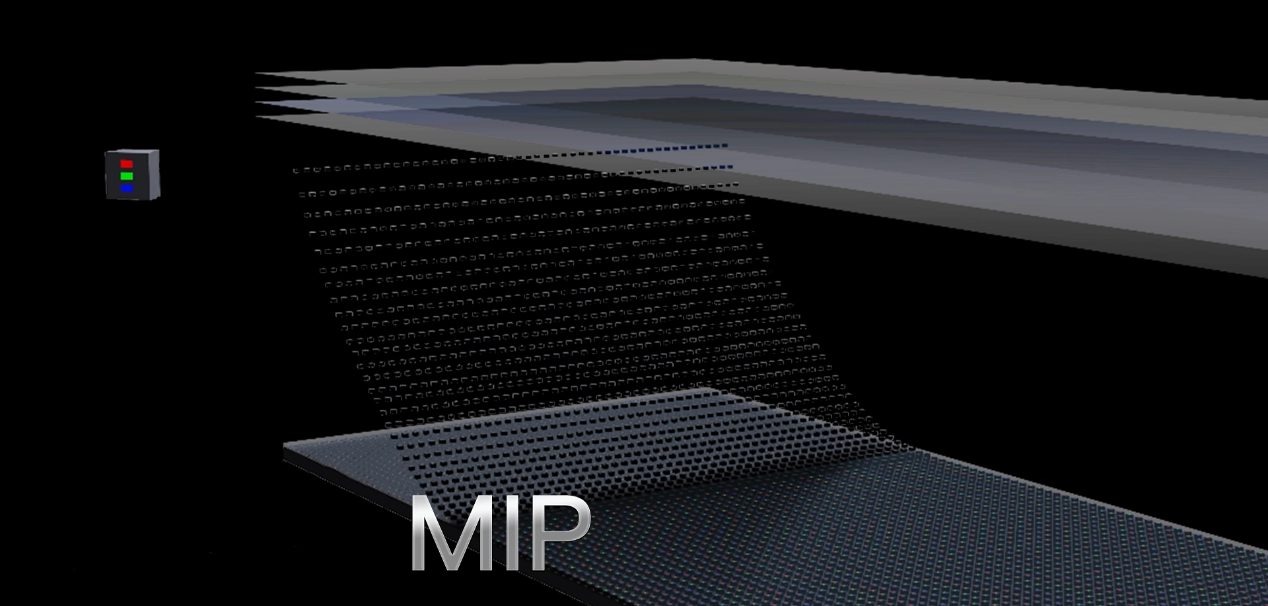
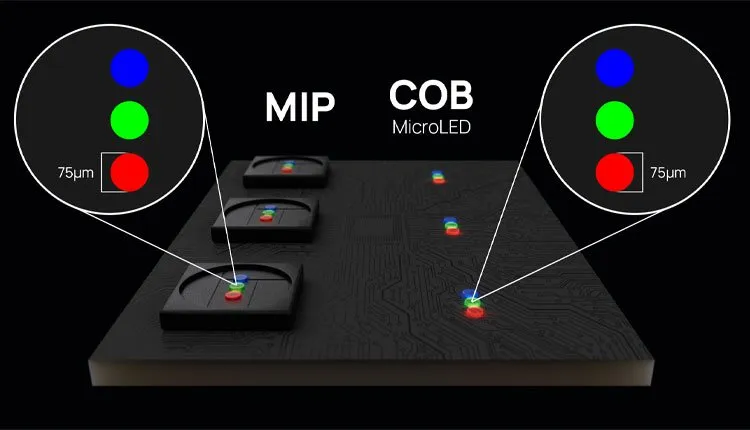
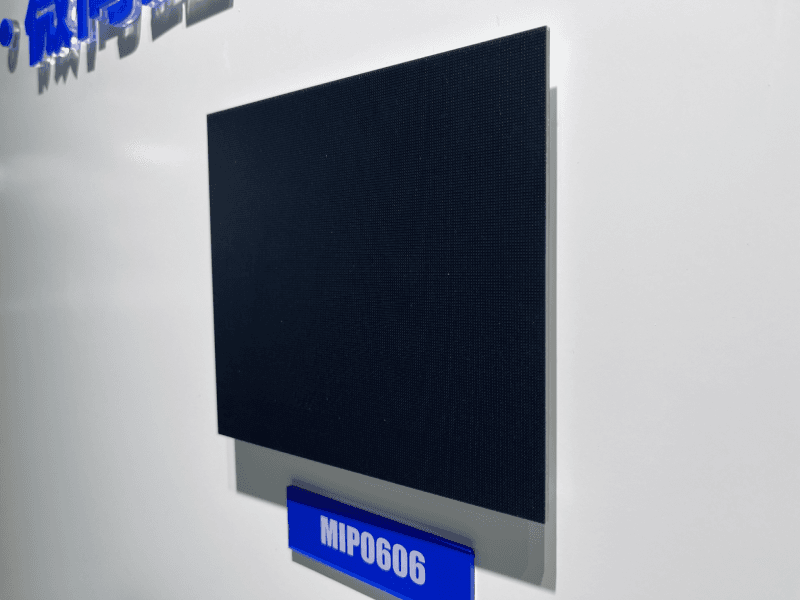
- MIP (Mini/Micro LED in Package) Mini or Micro LEDs are densely integrated into advanced packages for ultra-fine pitch, high brightness and reliability.
- DIP (Dual In-line Package) Traditional through-hole LEDs mounted by inserting leads through the PCB. Think of older outdoor billboards, stadium screens and scoreboards.
These are packaging and surface protection strategies, not complete product types. The correct choice depends on:
- Application (transparent glass, media façade, indoor fine pitch, rental, stadium, smart glass, etc.)
- Viewing distance & pixel pitch
- Exposure to touch, impact, water, dust and cleaning
- Maintenance philosophy (module swap vs. pixel-level repair vs. “install and forget”)
For a deeper look at how packaging interacts with transparency, glass and structural design, our transparent LED display guide gives system-level context beyond just the LED chips.
2. SMD: The 2026 workhorse
Concept Individual LED packages (often 3-in-1 RGB) are soldered onto the PCB. This is still the backbone of many indoor and outdoor LED displays.
Advantages
- Mature ecosystem – huge choice of LED brands, driver ICs, power solutions and tools.
- Predictable cost – especially at P2.5–P6.6 and traditional outdoor pitches, SMD gives strong price–performance.
- Field repairability – technicians know how to rework SMD modules, and spare parts are widely available.
Limitations
- Exposed lamps – easy to damage by impact, tools, balls, luggage, etc.
- Cleaning risk – aggressive cleaning (or inexperienced staff) can break or shift LEDs.
- Fine pitch boundaries – as you go sub-P1.2, SMD struggles with uniformity, black level and robustness.
Where SMD still makes sense in 2026
- Traditional outdoor billboards and many stadium displays.
- Indoor walls with controlled access and reasonable viewing distances.
- Some cost-sensitive transparent LED screen product range where impact risk is low and the client can accept careful maintenance.
3. COB: Integrated surface for contrast and durability
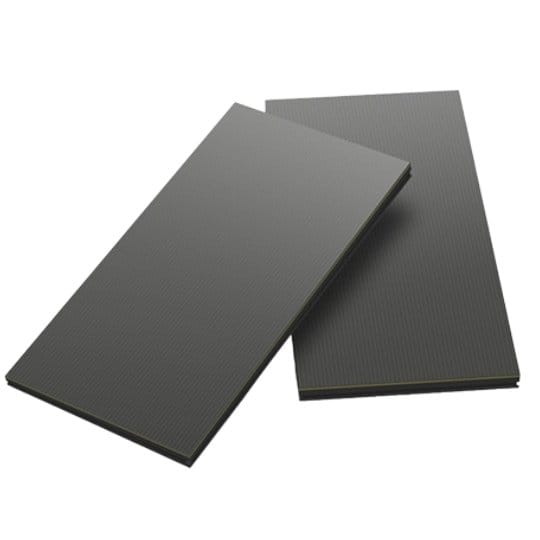
Concept COB bonds bare chips directly to the PCB and encapsulates them. You get a flat, often matte surface instead of individual lamps.
Key strengths
- Mechanical robustness The encapsulation protects chips from direct finger contact and minor impacts. It’s more “screen-like” than fragile.
- Better black level & perceived contrast Less light leakage around lamp bodies; more uniform surface. In glass-heavy spaces or darker environments, COB often looks “cleaner”.
- Cleaning and usability A flat surface is easier to wipe and more forgiving when people lean, brush, or occasionally tap the display.
- Fine pitch capability COB is naturally suited to P1.2 and below; many sub-P1.0 walls are now COB or related technologies.
Challenges
- Process discipline – bonding, encapsulation, curing and thermal design all need tight control.
- Repair model – although rework is possible, in practice you often swap modules instead of “one pixel at a time”.
- Cost and availability – higher than basic SMD, though the gap is narrowing as volumes grow.
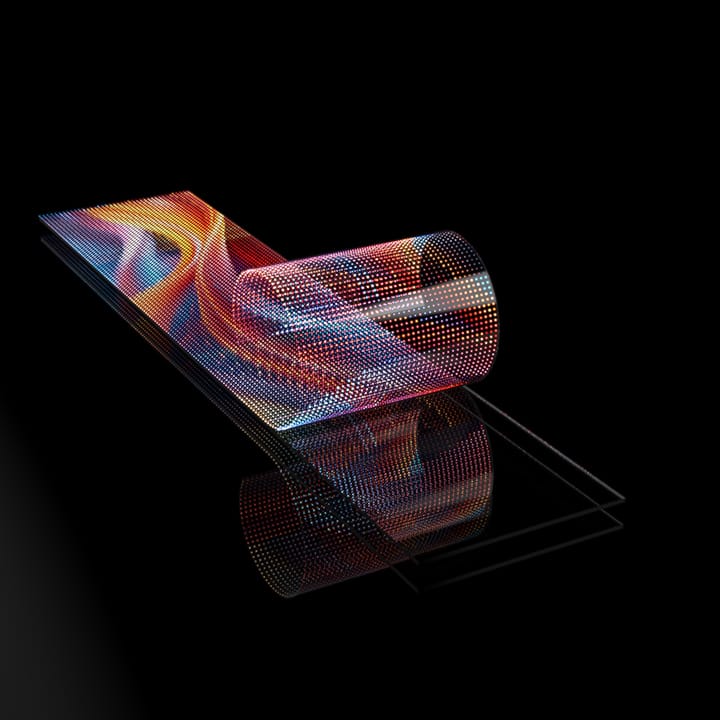
For transparent and ultra-thin architectures, COB increasingly appears on film and hybrid substrates. For example, a transparent flexible COB film can combine slimness, transparency and impact resistance more reliably than exposed SMD film. We explore these trade-offs in detail in our LED film screens guide.
4. GOB: Putting a protective “skin” on SMD
Concept GOB (Glue on Board) is a post-process where a transparent resin covers SMD modules. Underneath, it’s still SMD; above, there’s a protective layer.
Why engineers choose GOB
- Impact resistance – protects against fingers, balls, small tools and daily bumps.
- Moisture and dust resistance – improved pattern of IP performance and long-term stability.
- Reuse of SMD ecosystem – manufacturers keep existing SMD supply chains and production lines, with an added protection step.
Trade-offs
- Thermal considerations – a poorly engineered GOB stack can trap heat and shorten lifetime.
- Optical side effects – resin quality affects haze, reflections, and color reproduction.
- Serviceability – some repair techniques become harder; partial module replacement is more common.
Where GOB is extremely useful:
- Rental and event screens that travel and get rigged/de-rigged often.
- Low-mounted indoor walls in public spaces.
- Certain transparent or semi-transparent structures where humans interact closely with the glass and frame.
Our transparent LED display technology and quality methodology covers how we validate encapsulation and coating technologies (including GOB-style protections) under real-world abuse: vibration, impact, thermal cycling and humidity.
5. MIP: Packaging for ultra-fine and high-reliability future
Concept MIP (Mini/Micro LED in Package) integrates Mini or Micro LEDs into advanced, dense packages designed for:
- extremely fine pixel pitches,
- high brightness,
- enhanced reliability.
Think of MIP as the “next-gen building block” for very high-resolution LED systems.
Strengths
- Fine pitch scaling – makes sub-P0.7 and below more realistic at stable yields.
- Reliability at density – mechanical and electrical design can be optimized per package.
- Brightness and efficiency – especially for high-end indoor, automotive, and specialty pro displays.
Current limitations (2026)
- Cost structure – still more expensive than most SMD/COB in everyday signage.
- Ecosystem maturity – fewer proven long-term projects than SMD-based designs.
- Transparent architectures – integrating MIP into see-through film or strip designs is emerging, not yet standard.
In practice, MIP is ideal for premium indoor video walls, command centers, broadcast, automotive and XR, while for transparent façades, glass and mesh the mainstream remains SMD/COB/GOB for now.
6. DIP: The old soldier that still wins in brutal outdoor use
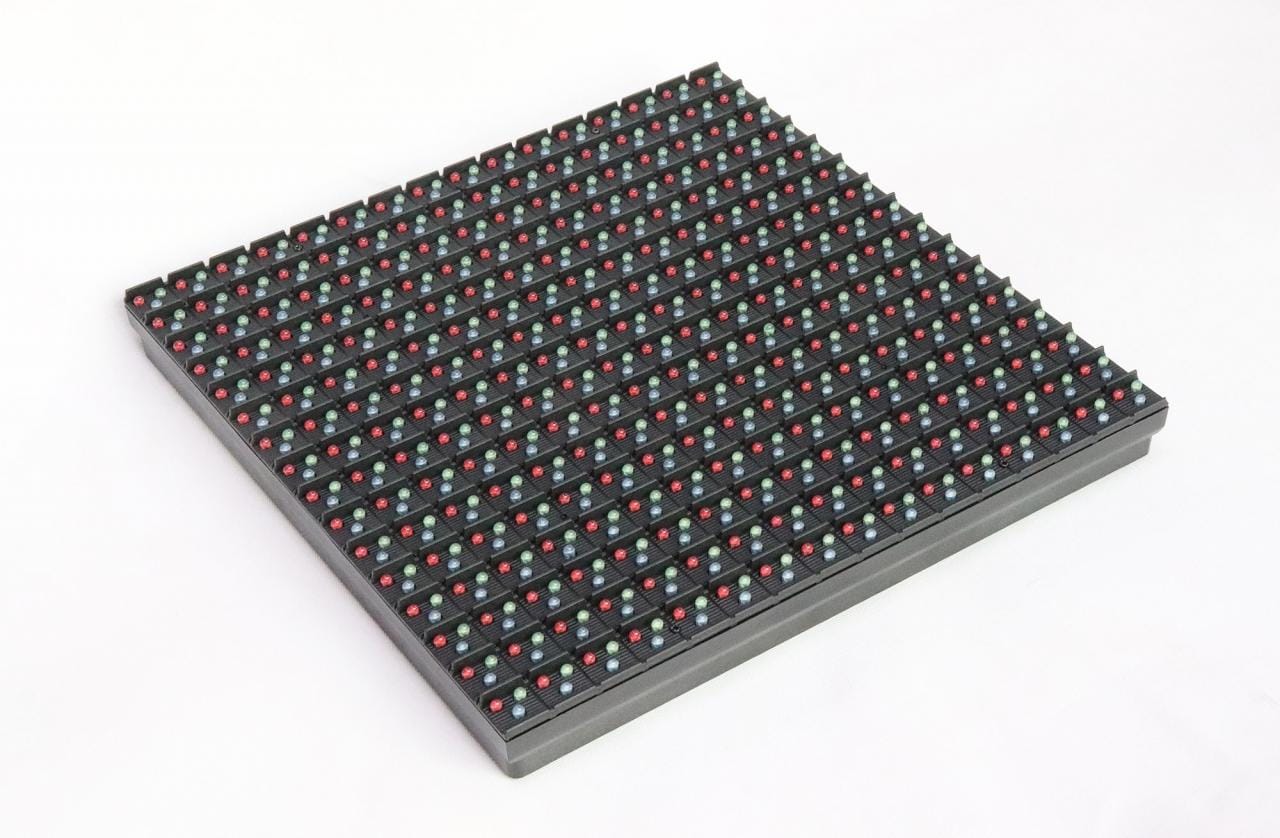
Concept DIP (Dual In-line Package) uses through-hole LEDs with leads soldered through the PCB. Classic, yes—but still relevant.
Why DIP refuses to die
- Extreme robustness – the physical anchoring of through-hole LEDs is excellent for high wind, vibration and harsh climates.
- High brightness – traditionally, DIP has been the king of super-bright roadside billboards and stadium scoreboards.
- Proven long-term stability – decades of outdoor projects with known aging behaviour.
Limitations
- Large pixel pitch – not suitable for fine pitch; viewing distances usually >10–15 m.
- Design bulk – less slim and elegant than modern SMD/COB/MIP structures.
- Transparency and aesthetics – DIP is not suited for high-transparency or minimalist glass facades; it’s a blunt instrument.
You still consider DIP when:
- You are building traditional highway billboards in tough climates.
- Viewing distance is long and “brutal reliability” outranks aesthetics.
- Service windows are rare and accessing the structure is expensive.
For more architectural and see-through media façades where design matters, SMD/COB mesh or grille systems make far more sense; our mesh LED displays flexible mesh curtain display guide looks at those architectures in depth.
7. Matching packaging to application types
Rather than asking “Which is best?”, ask “Which is best for this job?”
7.1 Transparent retail windows and interior glass
Key requirements:
- High transparency
- Attractive image at 2–5 m viewing distance
- Frequent glass cleaning
- Safety around customers
Typical winners:
- SMD + GOB for robust interior walls or window frames.
- COB-based transparent film for high-end flagships.
- Specialized SMD or COB on ultra-thin substrates.
You can see how these options map across film products and viewing distances in the LED film screens guide and related product category content.
Here, packaging must integrate into building skin:
- Wind load, thermal expansion, and structural movement
- Long-term exposure to rain, UV and temperature cycles
- Safety for people on the ground
For glass curtain façades, solutions like media glass, transparent strips, mesh and grille come into play. Depending on pixel pitch and design, these might combine:
- SMD modules (often with coatings or GOB),
- COB elements integrated into glass laminates,
- Or mesh/grille designs based on rugged SMD constructions.
Use cases such as glass curtain wall LED screen are less about chasing the newest package acronym and more about pairing a stable packaging choice with the right architectural system.
For deeper structural and optical aspects of LED in glass, LED glass screens transparent LED glass guide is a good resource.
For large surfaces where transparency, ventilation and low weight matter:
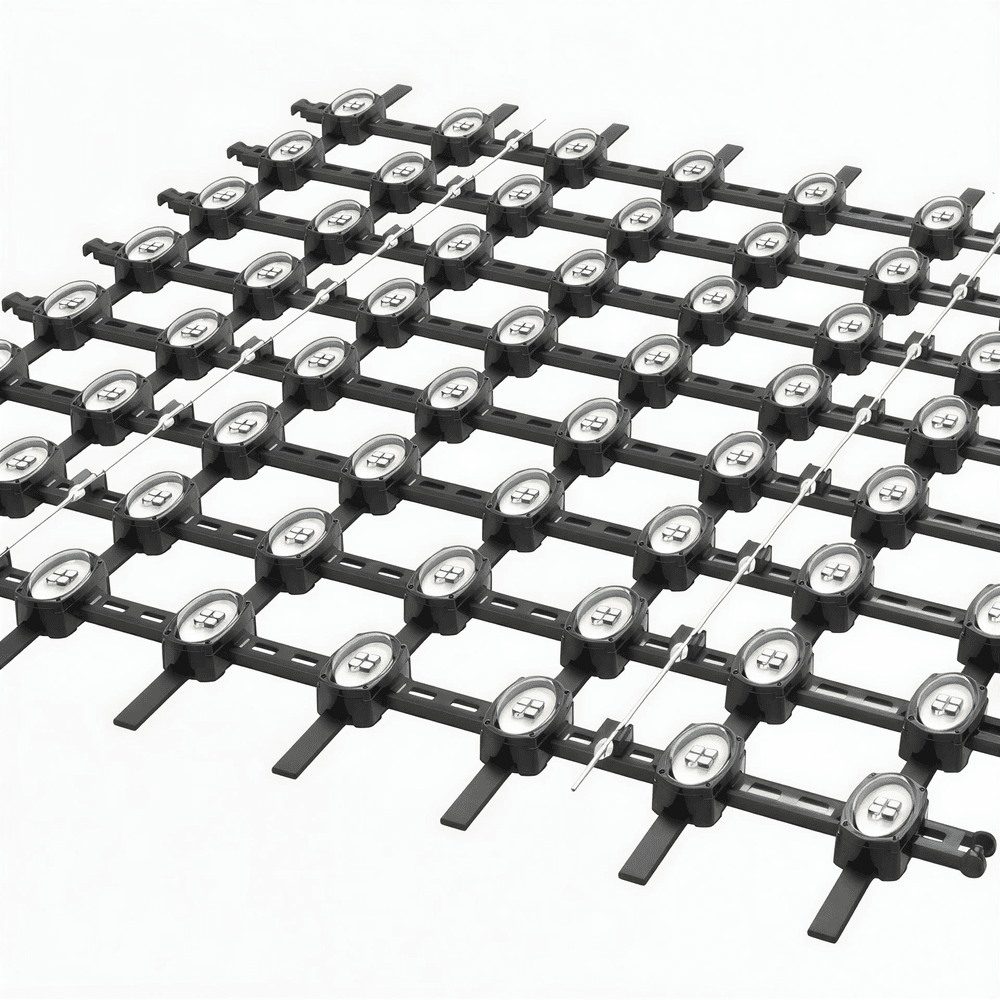
- Mesh LED displays and grille screens are usually SMD-based, sometimes with protective coatings and robust housing.
- COB and MIP are currently less common here due to cost and structural scale.
System design (cabinet, frame, fixing, drainage, cabling) dominates the failure risk more than packaging alone—but packaging still influences:
- Maintainability at height,
- Visual uniformity over large areas,
- Resistance to cleaning and weather.
We explore these systems in the mesh LED displays flexible mesh curtain display guide.
7.4 Classic outdoor billboards and stadiums
Here, the look is secondary to rugged brightness:
- DIP: still relevant for very large, long-distance viewing where lifetime and brute strength matter.
- SMD: dominates where closer viewing and sweeter image quality are required.
MIP may start to enter premium stadium and TV-camera-critical areas, but for most projects, the choice is still DIP vs SMD (sometimes with GOB) based on required pitch and environmental conditions.
8. A practical 2026 decision checklist
When you’re specifying a screen, work through this sequence:
- Define the system type first Transparent glass, film, mesh, grille, indoor wall, billboard, smart glass, etc. Product families like our transparent LED screen product range make this step clearer than working from packaging names.
- Fix the viewing geometry
- Minimum and typical viewing distance
- Resolution expectations
- Content type (UI text? broadcast video? ambient patterns?)
- Assess risk environment
- Can people touch or hit the screen?
- Is there risk from balls, luggage, equipment?
- How is it cleaned? Who does it?
- Match packaging to that risk
- Low risk, moderate budget → SMD may be fine.
- High touch/impact → COB or SMD+GOB.
- Brutal outdoor, long distance → DIP or rugged SMD.
- Ultra-fine pitch premium application → COB or MIP.
- Check supplier process, not just acronyms Whatever packaging you choose, insist on:
- Binning and color uniformity docs
- Aging and stress test reports
- IP and IK-related evidence
- Long-term project references
9. From white paper to project reality
The real value of understanding SMD vs COB vs GOB vs MIP vs DIP is not to memorize acronyms—it’s to ask better questions when you talk to manufacturers.
Instead of:
“Do you have COB?”
Try:
“Show me how your COB or GOB modules are tested for impact, humidity and thermal cycling in applications similar to my glass façade / retail window / stadium project.”
And instead of:
“Is MIP better than SMD?”
Ask:
“Given my viewing distance, environment and maintenance constraints, what packaging is most stable for the next 7–10 years?”
If you’d like a packaging recommendation specific to your drawings and risk profile, you can share your project details with ChinaLEDScreens transparent LED display factory and push us to justify why we propose SMD, COB, GOB, MIP or even DIP—not just what we can manufacture.