Talk To Our Expert, Get A Solution in 20 minutes
Share your LED screen needs. Our experts will provide solutions and a quick response.

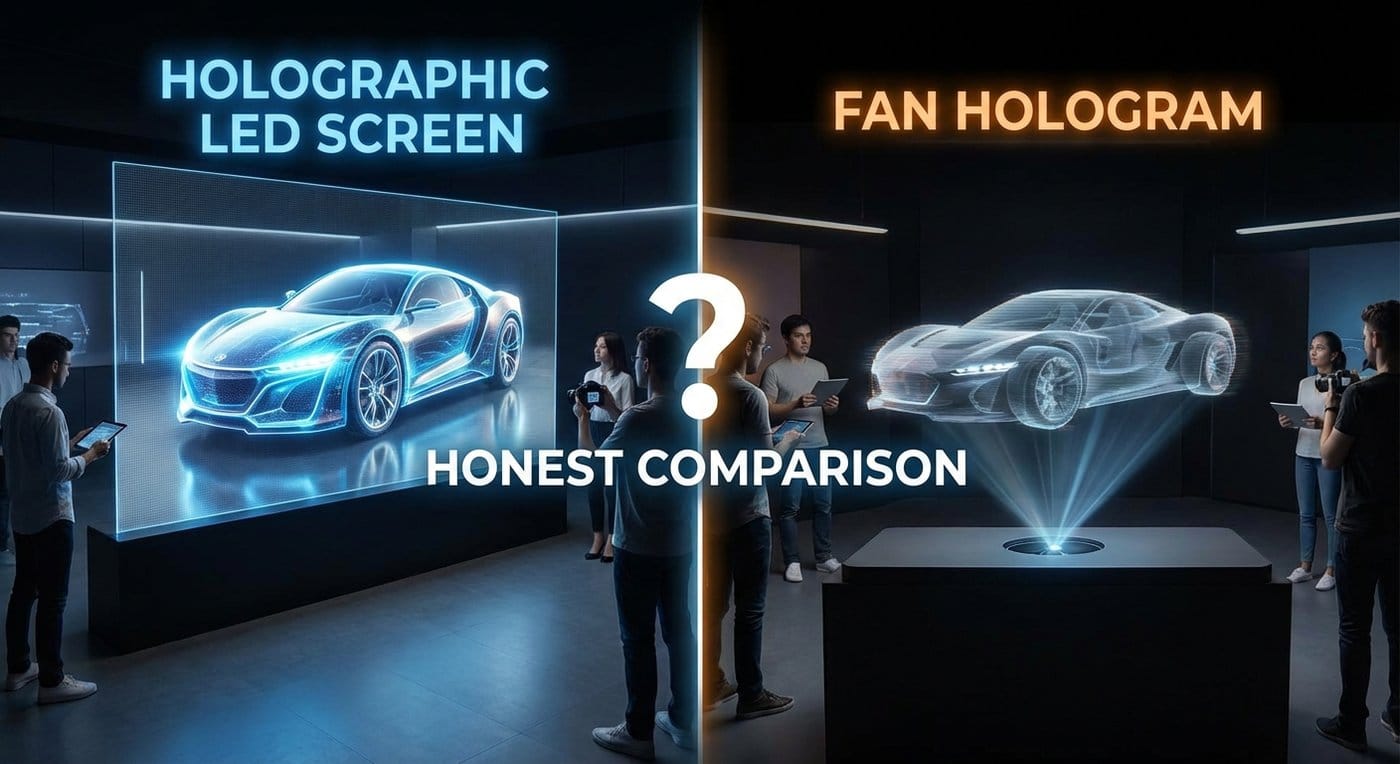
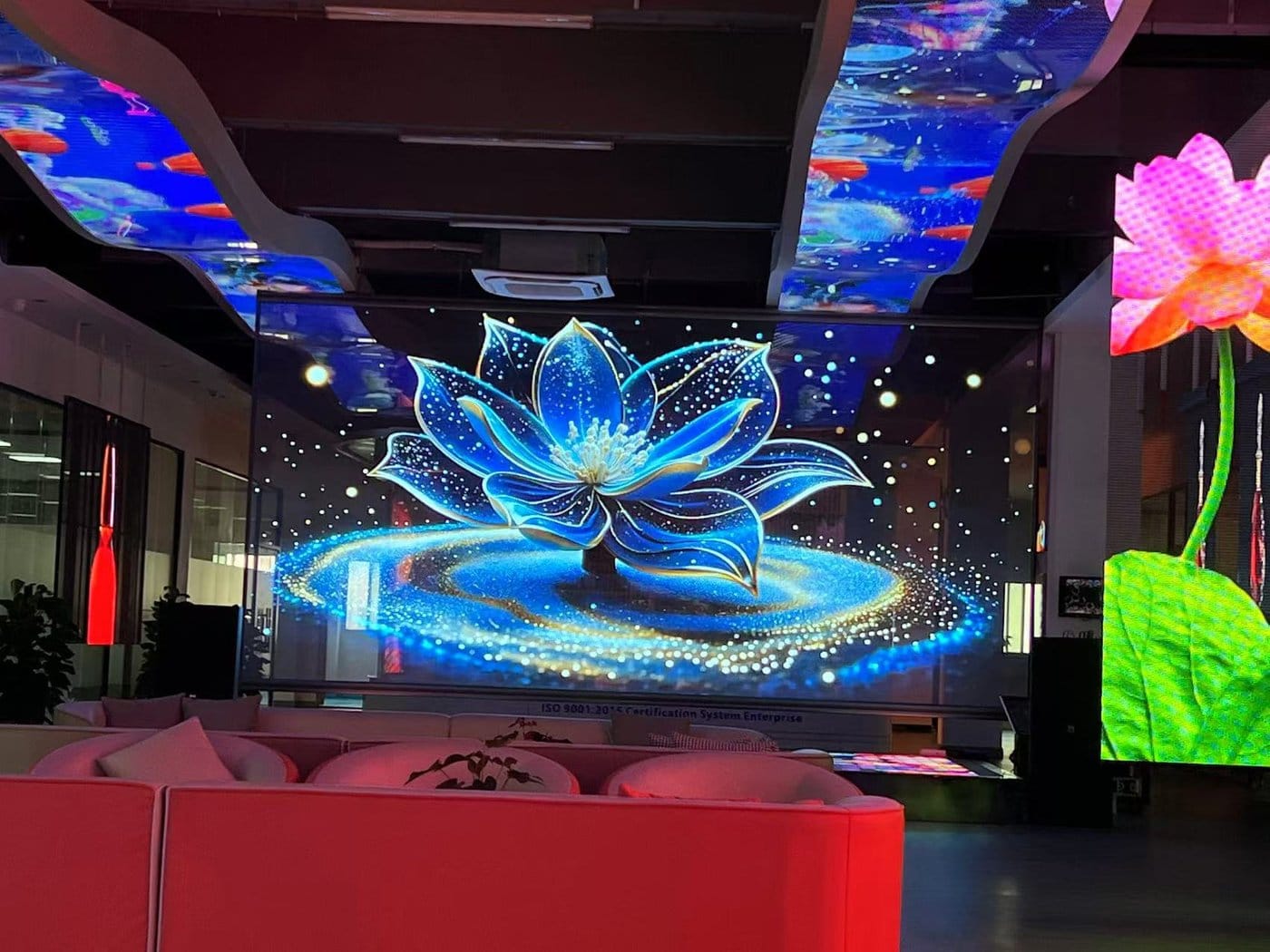
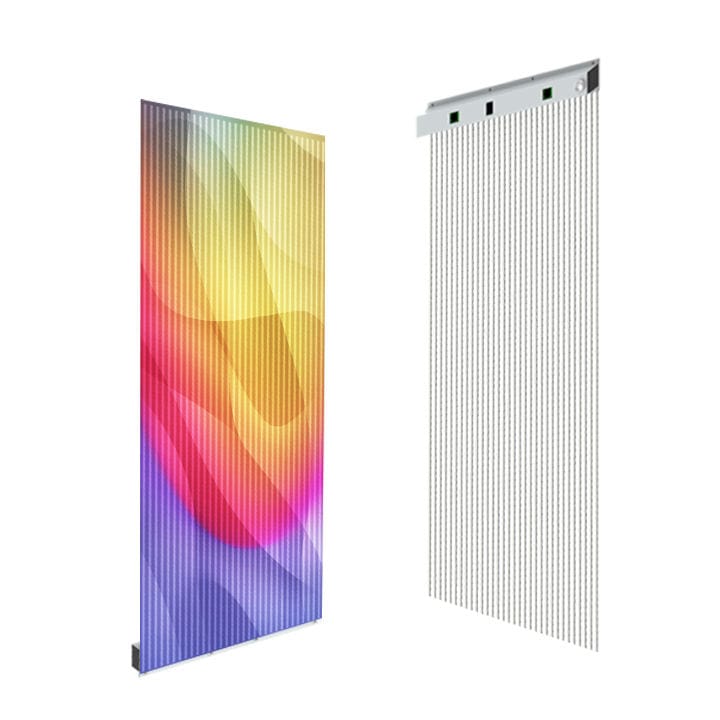
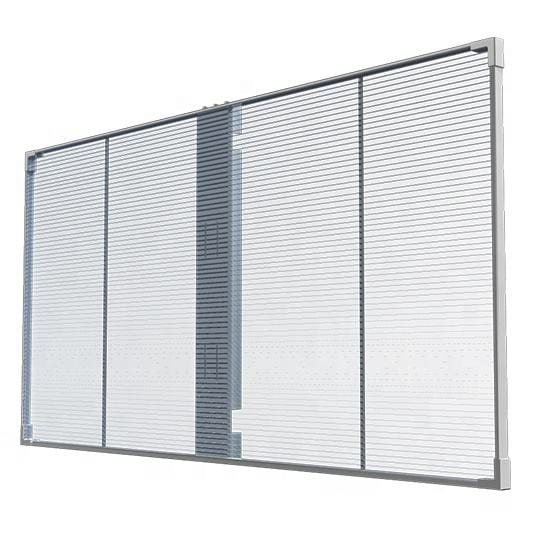
A holographic LED screen is essentially a transparent LED display engineered so the physical structure looks like a light grid. The “holographic” feeling is not true volumetric projection—it’s a perception effect created by high transparency plus high-contrast content that appears to float in front of the background.
In retail terms: you can show a model, a product, or a logo in motion while keeping the store interior visible—a major reason transparent/holographic screens are positioned for storefront windows.
Learn more (ChinaLEDScreens):
A hologram fan (also called a 3D hologram fan) uses persistence-of-vision (POV): LEDs mounted on one or more blades spin fast, and the controller lights them at precise moments to “draw” an image in the air. That’s why hologram fans can look surprisingly 3D for single objects (shoes, bottles, logos)—but they’re still a device that must be mounted, protected, and positioned safely in public spaces.
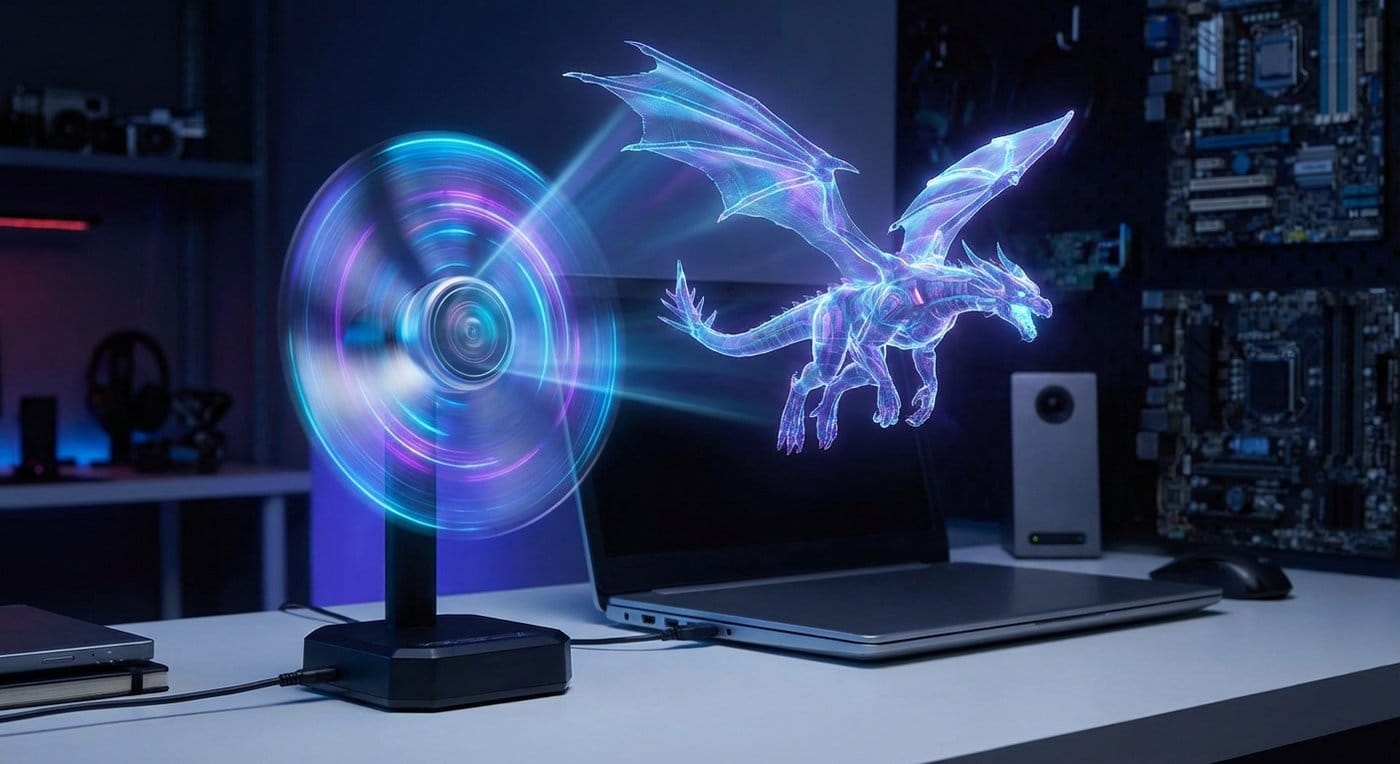
Hologram fans often win for small, centered objects. The POV illusion can feel like the object is floating in front of you, especially in controlled lighting and close viewing.
Holographic LED screens win for human-scale storytelling and large scenes—because they behave more like a transparent video canvas. The real advantage is combining content with the visible background (merchandise, interior design, architecture).
Truth you should tell your team:
Retail windows have glare, reflections, and uncontrolled ambient light. Transparent LED solutions rely heavily on contrast between emitted light and the environment.
Holographic LED screens are storefront-friendly because they can display content without obstructing visibility into the store.
Hologram fans can look washed out in harsh daylight unless positioned deeper inside or shaded—because the fan’s “air image” has no physical screen surface to hold contrast.
Practical daylight rule:
In public environments, rotating hardware changes your approval, liability, and placement strategy.
Hologram fans involve high-speed rotating parts and usually require protective housings/grilles and careful placement.
A holographic LED screen has no rotating parts, so the safety conversation is closer to normal LED signage: electrical routing, mounting, access control, and local fire/egress rules.
Honest conclusion: If it’s within reach of customers, children, or high-traffic corridors, holographic LED is far simpler to approve and live with.
Holographic LED displays are commonly used for storefront windows and large-format installations because they keep the view open while adding motion content.
You can build a “fan wall” by syncing multiple fans, but it becomes a grid of mechanical devices: more noise, more points of failure, more cleaning challenges, and more visible hardware.
Rule of thumb:
For hologram fans, you must plan:
Uptime reality: If your retail team wants “set it and forget it,” holographic LED behaves more like signage. Fans behave more like devices.
Hologram fans rotate at high speed, so even with good engineering, they may introduce subtle audible presence and airflow—fine for events, less ideal for luxury retail calm.
Holographic LED screens fit into signage workflows—playlists, schedules, and brightness policy. Hologram fans often rely on a device/app workflow (vendor-dependent).
Content truth: both systems can look bad with the wrong content. But the failure modes differ:
If the window must remain open and bright—especially for luxury and lifestyle brands—transparent/holographic screens are ideal for maintaining store visibility while displaying content.
Choose holographic LED when:
Choose hologram fans when:
Fans are a natural fit: portable “wow” factor for fast, temporary builds.
Holographic LED wins if your booth design wants architectural storytelling (big transparent wall, branded portal look) rather than a single object.
Holographic LED/transparent screens fit high-end environments where openness matters—lobbies, galleries, and premium interiors. Fans can still work for exhibit objects, but placement and safety dominate.
Fans are generally poor outdoor candidates unless fully protected in controlled enclosures. Holographic LED/transparent systems are the realistic approach for architecture-adjacent media.
Most buyers focus on purchase price, but the real decision is total cost of ownership.
Fan hologram hidden costs:
Holographic LED hidden costs:
Holographic LED pays back when you need storefront-scale storytelling that attracts attention without blocking merchandise view. Fans pay back best when used as a high-impact hero device people film and share at close range.
Pick one:
If customers can reach it, treat rotating hardware as a project risk.
For holographic LED, prioritize high-contrast subjects and avoid “full-white screen” behavior that kills the floating perception.
Not in the sci-fi sense. It’s a transparent LED display that can produce 3D-like floating visuals without glasses, largely through transparency and contrast-driven perception.
You can build multi-fan arrays, but you’ll be managing a wall of devices. For storefront-scale glass storytelling, holographic LED is typically the more scalable approach.
Buying fans for a space that needs architectural calm, premium aesthetics, and day-in/day-out operation. Fans are amazing for hero moments—less ideal as permanent “building media.”
Choose Holographic LED Screen if you need: transparent windows, large-format storytelling, public-space safety, signage-like operation.
Choose Hologram Fan if you need: portable wow, floating product object, pop-ups/trade shows, and you can manage safe placement.
Send these 6 items and we’ll recommend the right approach (and when to combine both):