Talk To Our Expert, Get A Solution in 20 minutes
Share your LED screen needs. Our experts will provide solutions and a quick response.

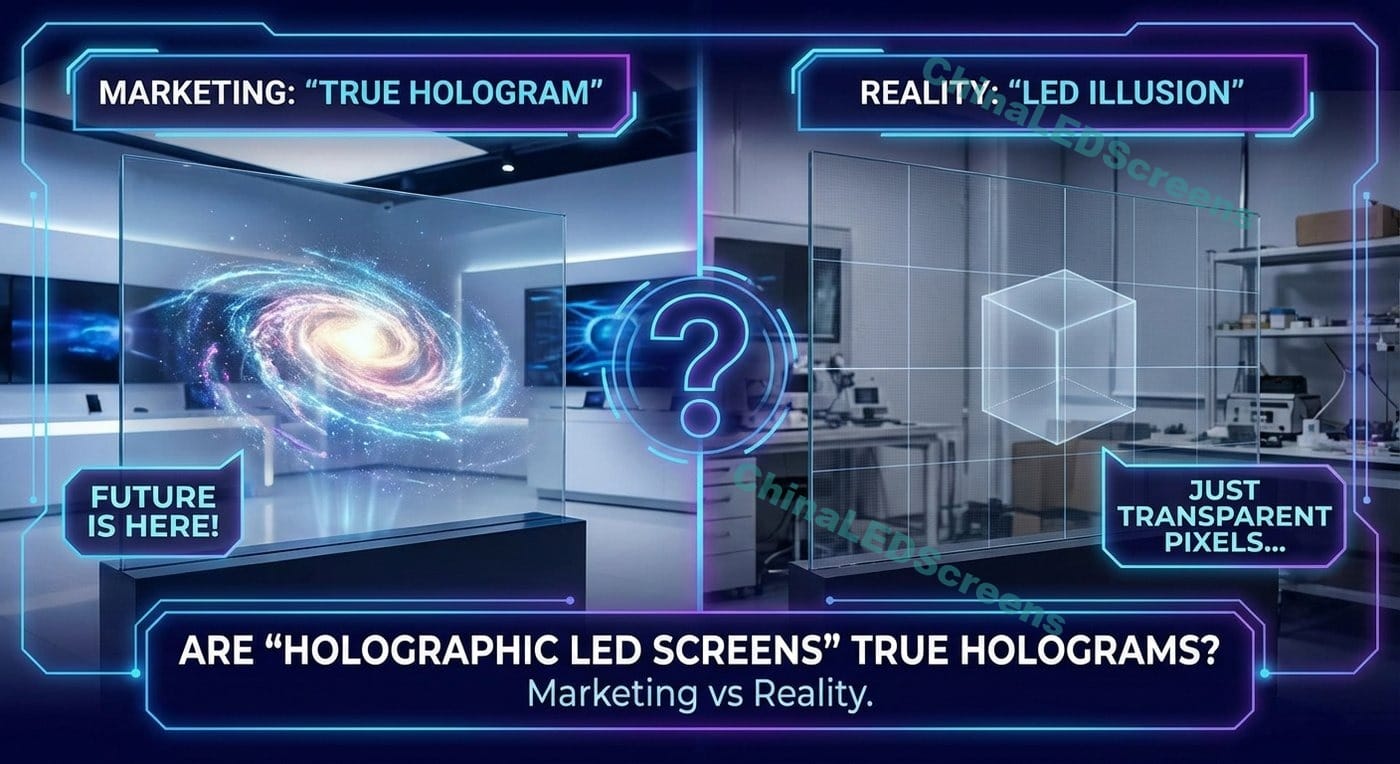
Most products sold as “holographic LED screens” are not “true holograms” in the strict optics sense. In science, holography is about recording (or computing) an interference pattern so light can be diffracted back into a reconstructed wavefront—a genuine 3D light-field experience in principle. In the signage world, “holographic” usually means a transparent, see-through LED display that creates a convincing floating 3D-like illusion—especially when content is designed for depth cues and the environment is right. That’s “marketing true,” not “physics true.”
So the honest buyer’s conclusion is:
A useful way to keep this straight is to focus on what the display is doing to light.
A “true hologram” (in the classical optics framing) isn’t just a picture with depth vibes. It’s a record (or computed pattern) that can recreate the light wavefront from a scene. That’s why holography is often described in terms of interference patterns and diffraction. This wavefront reconstruction is what can deliver strong depth cues—especially parallax (the view changes as you move), not just perspective tricks.
Even simplified explanations from reference sources emphasize the key idea: holography records more than intensity; it’s about capturing enough information to reproduce the 3D character of the original light.
A fast buyer test:
Most “hologram” marketing solutions deliver perspective and motion cues (very effective), but not true, continuous parallax for walk-around viewing.
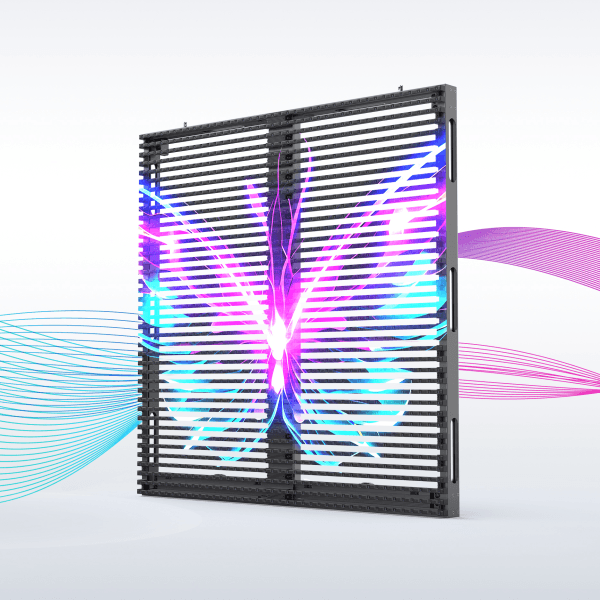
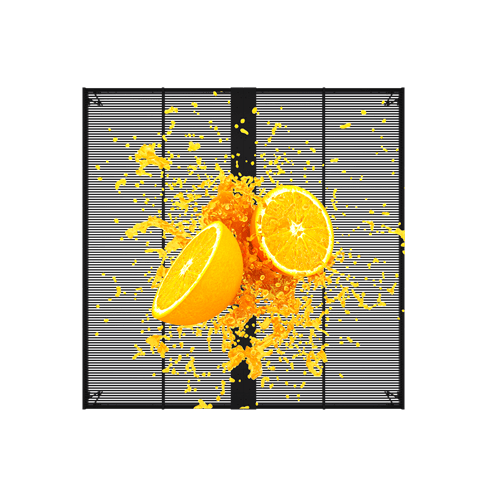
In the LED display market, “holographic LED screen” usually refers to a transparent, self-emissive LED structure (often grid-like or film-like) that can mount on or near glass and stay visually “open” when off.
A typical product-positioning statement (and what buyers should extract from it) is:
For example, a category/product description like the one on ChinaLEDScreens emphasizes transparent, self-emissive visuals, “floating” effect, and glass-friendly installation.
If you want the direct starting points for your own internal linking structure, these are the most relevant hubs to connect from this article:
When a client says “I want a hologram,” they could mean any of these. Your job (and your article’s job) is to sort it in 60 seconds.
Pepper’s Ghost is a reflection-based illusion: you reflect an image off a transparent surface (often arranged around ~45° geometry) so it appears to exist “in space.” It can look spectacular—because it’s been optimized for stagecraft for more than a century—but it typically depends on controlled angles and lighting.
Reality check: It’s not a volumetric object floating freely; it’s a clever reflection.
These spinning LED devices create 3D-ish visuals by rapidly drawing light patterns in air. They’re effective for small footprint installs and viral videos, but they’re not glass-integrated architectural signage.
Reality check: Great for close-up novelty, limited scale and brightness in some environments.
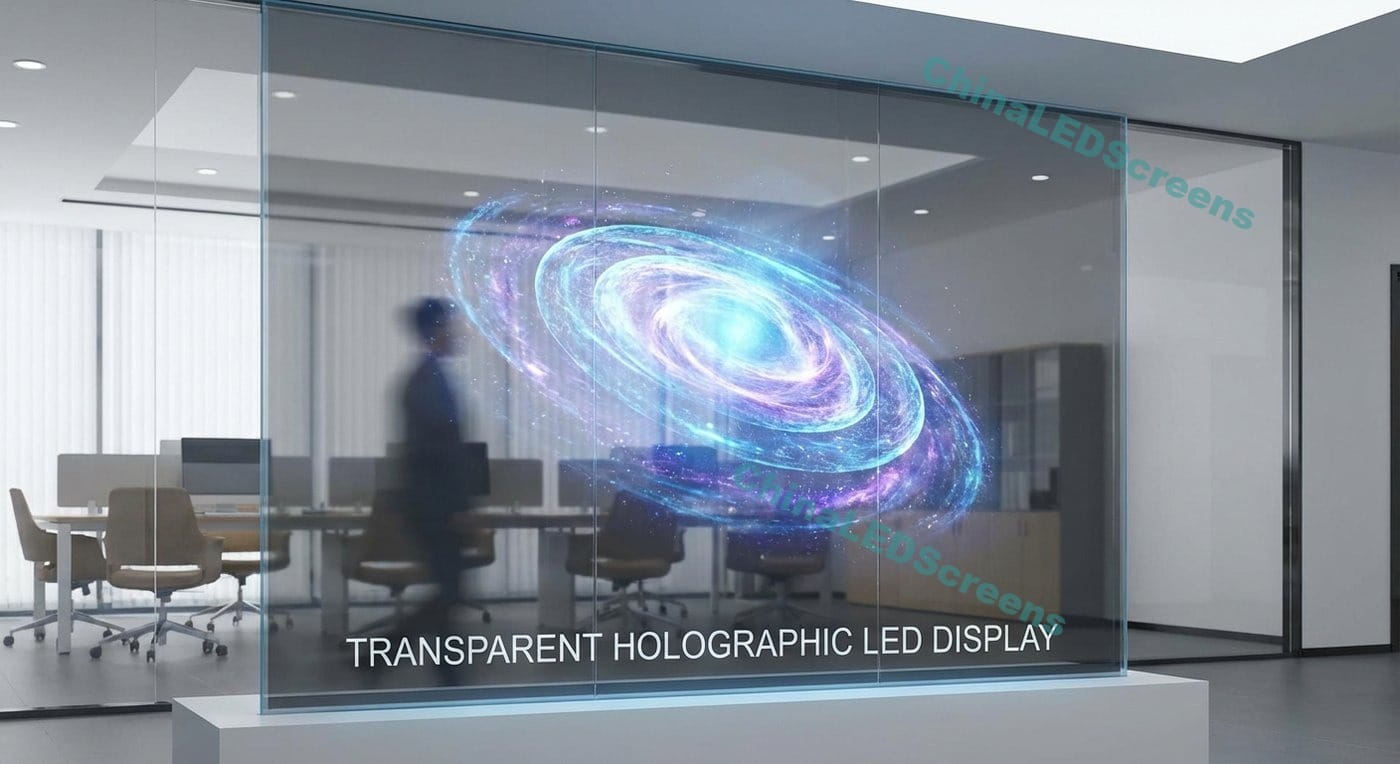
This is the category your topic is really about: see-through LED displays designed for windows and glass partitions. The “holographic” feel comes from:
A typical product description in this category highlights transparency and a floating effect rather than wavefront reconstruction.
Reality check: It’s a transparent LED display that can look holographic with the right content—not a true optical hologram.
There are research and advanced commercial directions that aim at richer 3D light reproduction, but scaling them into large, bright, daylight-friendly public displays is still hard and constraint-heavy (computation, optics, viewing zones, etc.). Industry commentary commonly notes the “hologram” term is often misused in marketing.
Reality check: If the requirement is “walk around it like a real object,” you’re in a different budget/technology conversation.
Here’s a procurement-friendly way to explain it without dunking on anyone’s marketing.
| What you want | Best-fit category | Why | Where it fails |
|---|---|---|---|
| Floating visuals in a retail window without blocking daylight | Transparent “holographic LED” | Self-emissive, high transparency, strong “wow” | Not true wavefront holography; limited walk-around parallax |
| Stage “hologram” reveal for an audience in front | Pepper’s Ghost | Very convincing in controlled geometry | Viewing angle + lighting constraints |
| Small viral display with 3D-ish pop | LED hologram fan | Compact, attention-grabbing | Scale/brightness/finish constraints |
| True multi-view 3D perception | Light-field / volumetric / holography approaches | Richer 3D cues possible | Complexity, cost, practicality at large scale |
If you’re selling to integrators and brand teams, the fastest way to build trust is to replace hype with testable requirements.
If a vendor answers these clearly, they’re treating it like an engineering product—not a magic trick.
This is where your article can quietly outperform competitors: real buyers want a checklist.
Transparency isn’t just “see-through when off.” Buyers care about:
A product-style description in this category often leads with high transparency as a core selling point.
If your content includes logos, pricing, or small text, you need a pitch that supports legibility from the real viewer distance. If content is mainly motion graphics and bold shapes, you can tolerate a coarser pitch.
Retail windows and exhibits get filmed constantly. If the display isn’t camera-friendly, users will record banding/flicker and your “wow” becomes a complaint thread.

This is the make-or-break truth most vendors won’t say loudly:
The “holographic” feeling is mostly content + environment, not just hardware.
If you want a one-liner that protects you legally and sells effectively:
“A holographic LED screen is a transparent LED display that creates a hologram-like floating visual effect—best viewed from intended angles—without being a physics ‘true hologram’ that reconstructs wavefronts.” That aligns with how holography is defined in reference optics sources, while acknowledging how the signage market uses the word “hologram.”
Even when it’s “not a true hologram,” the business case can be strong because:
If you want one clean, citeable datapoint on the broader category of digital display influence, trade coverage of a Nielsen grocery-store DOOH study reports that four out of five brands saw increases up to ~33% in additional sales in that context. Use that carefully (as category context, not a guarantee), then bring it back to your buyer’s measurable goals: footfall, dwell time, and campaign recall.
They can look 3D-like without glasses because the content uses depth cues and the display is transparent, but it’s not the same as a true hologram reconstructing a full light field.
Usually, no. Most installs are designed for a primary viewing zone. If “walk-around parallax” is the requirement, you must evaluate different technology classes.
No. Pepper’s Ghost is reflection-based stagecraft; “holographic LED” is a self-emissive transparent display category. Pepper’s Ghost explanations from science centers describe the reflection geometry clearly.
Retail windows, showrooms, exhibits, and glass partitions where you want attention without blocking visibility—and where you can control content design to maximize the floating effect.
So, are “holographic LED screens” true holograms?
In physics terms: no—true holography is wavefront reconstruction via interference patterns and diffraction. In market terms: they’re a highly effective transparent display category that can look holographic when the content and environment are designed for it. (Transparent LED Screens Display Screens)
If your article teaches readers this distinction (without being smug), gives them a comparison table, and provides a spec + content checklist, it will rank—and it will convert.