Talk To Our Expert, Get A Solution in 20 minutes
Share your LED screen needs. Our experts will provide solutions and a quick response.

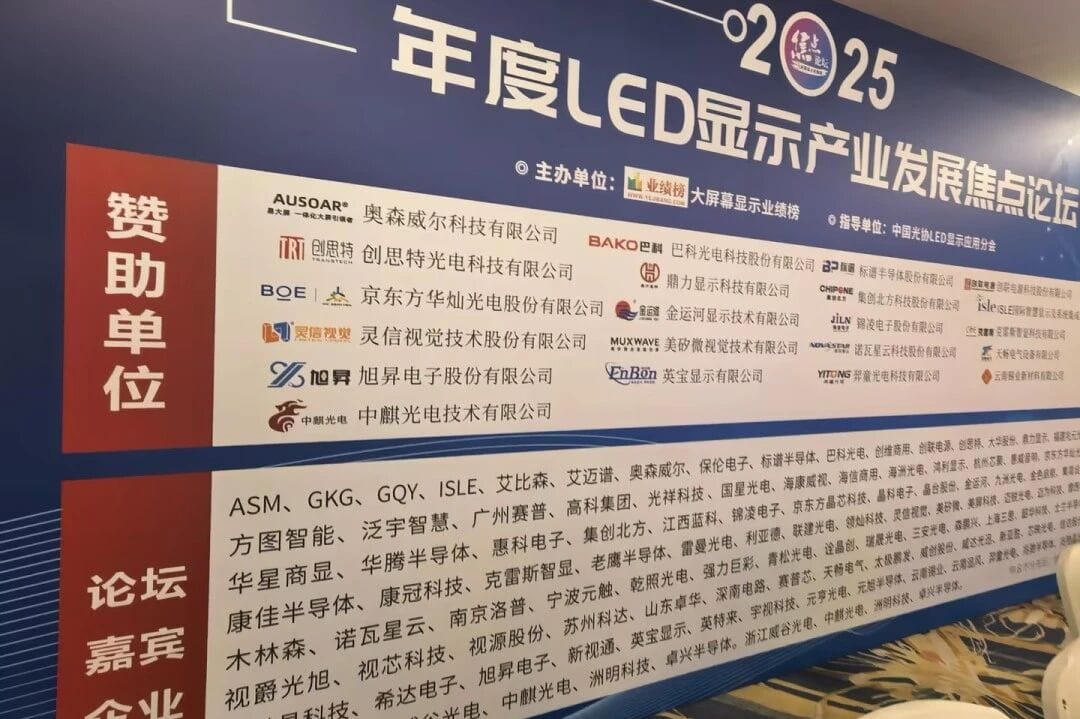
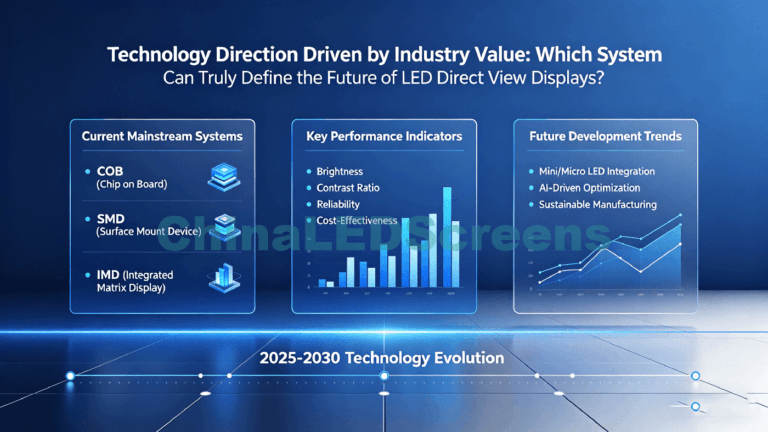
At the 2025 LED Display Industry Development Focus Forum held in Shenzhen, one message came through clearly: COB is no longer just a “cutting-edge option”—it’s becoming one of the core engines pushing the LED display industry forward.
As COB scales, the competition is getting tougher, the pricing is dropping faster, and the application map is expanding beyond “high-end pro rooms” into everyday commercial spaces—especially where glass + transparency matter.
If you’re evaluating transparent display routes in 2025, start with the broader decision framework in the Transparent LED Display Guide.
COB (Chip-on-Board) is a packaging route that mounts LED chips directly onto a PCB substrate. Compared with traditional SMD, COB removes the “independent package” step—LED chips connect more directly to the board-level system.
Forum discussions highlighted several practical upgrades COB brings:
One widely repeated claim at the forum: annual maintenance cost for COB can be as low as ~43% of comparable SMD products (application and environment dependent).
For teams who care about “why some factories can deliver stable COB and others can’t,” see our process and QC viewpoint on Technology & Quality.
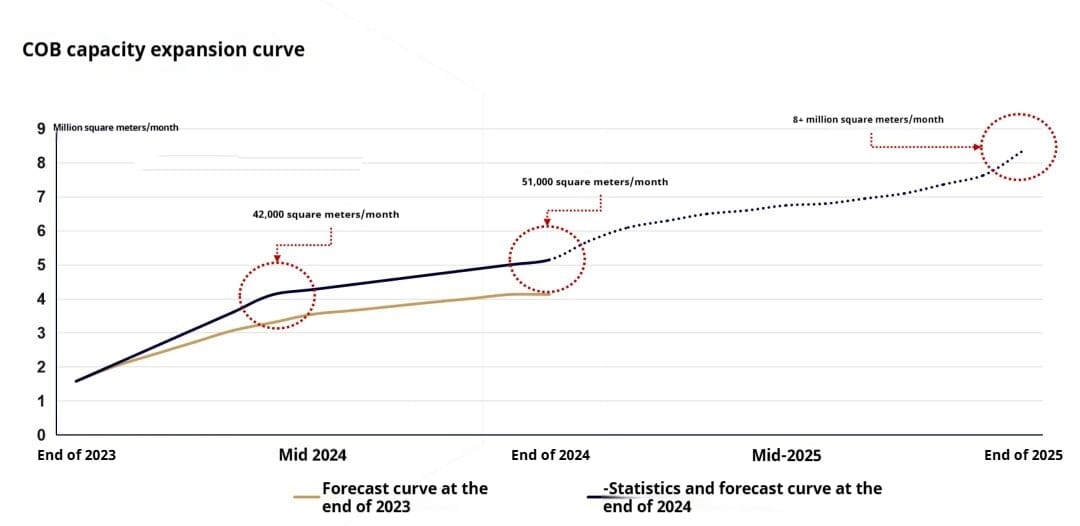
Forum data pointed to a rapid scale-up:
TrendForce (集邦咨询) estimates global COB output value could reach ~USD 815M this year, +25% YoY, outpacing the broader LED display market growth rate.
COB capacity was cited around 60,000㎡/month in 2024, projected to reach 88,700㎡/month this year, with ~20,000–30,000㎡/month of added capacity.
A major driver is the entry of traditional display giants and panel-related manufacturing ecosystems, reshaping the competitive landscape.
In Q1 2025, the average COB product price reportedly dropped ~31.4% YoY—a larger decline than SMD—making COB economically possible in more scenarios.
As cost drops and reliability rises, COB is expanding quickly:
COB remains strongest where stability and image quality are non-negotiable:
Demand growth was emphasized in:
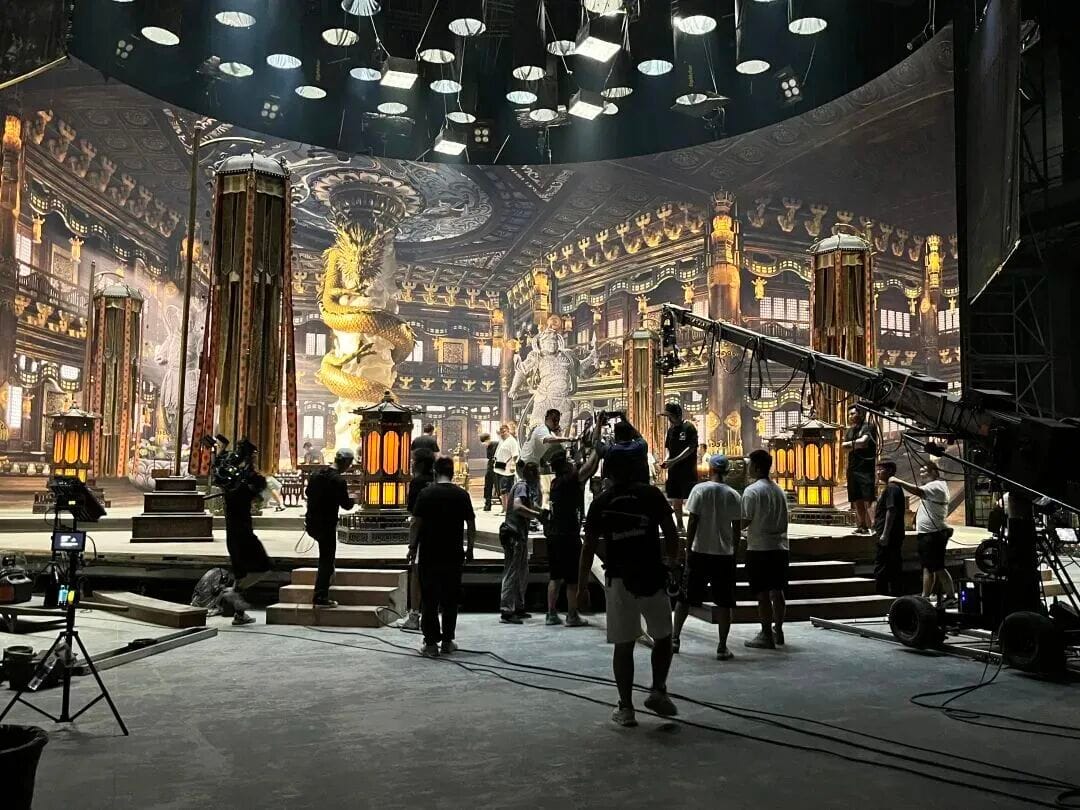
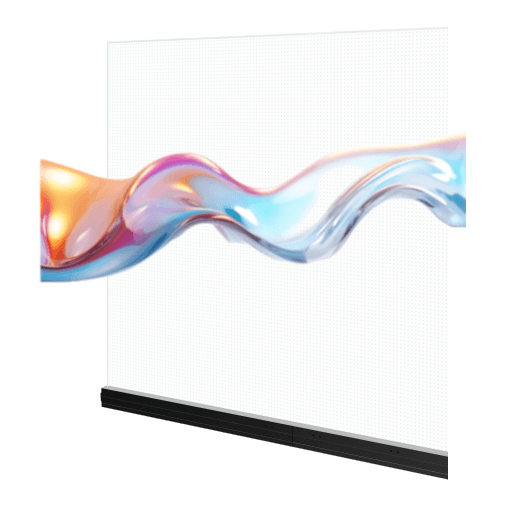
A particularly important trend: COB is pushing into more diverse spaces—storefront windows, chain restaurants, museums, financial institutions, auto dealerships, exhibitions—where transparent COB can reshape how “glass” behaves as a media surface.
This is where ChinaLEDScreens positions itself differently: transparent LED is our long-term lane, not a side project. Explore our portfolio at ChinaLEDScreens.
For glass window communication and retrofit-style projects, this reference is useful: LED Film Screens Guide.
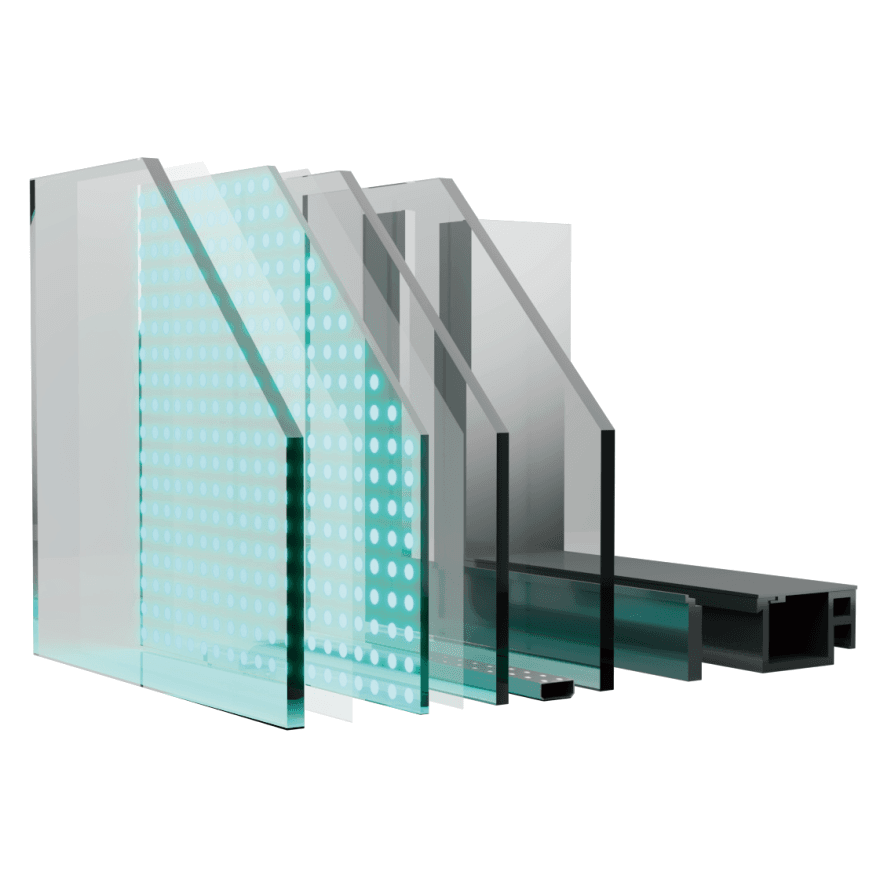
ChinaLEDScreens’ differentiated COB direction centers on transparent display engineering:
The intended outcome:
For a product-direction reference aligned with this route, see our Transparent Flexible LED Film Screen (COB).
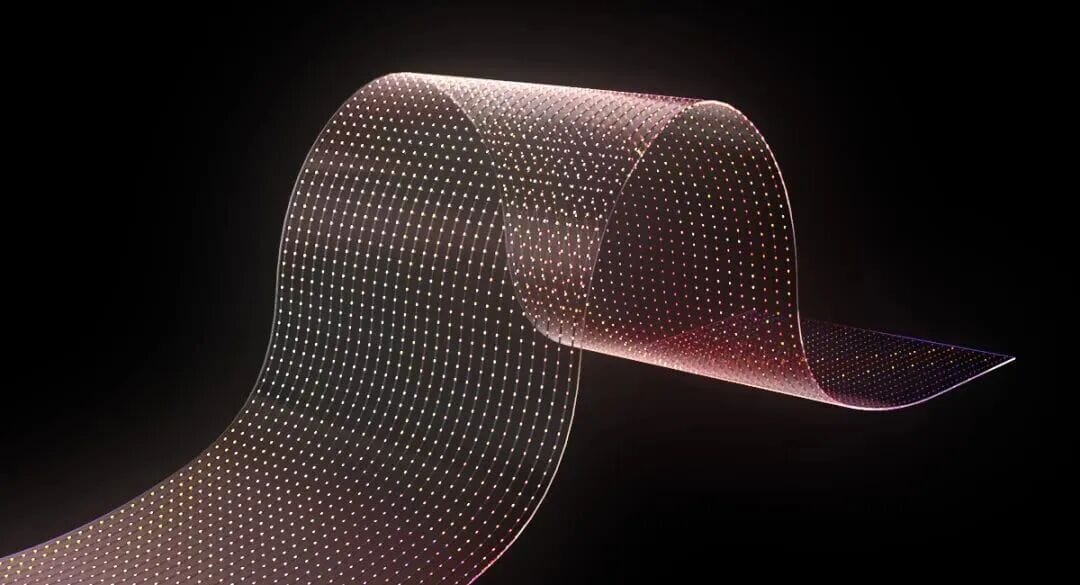
ChinaLEDScreens also described a second product line: a holographic / “invisible” screen concept designed to reduce the boundary between display hardware and architecture:
If you’re designing experience-driven retail or stage visuals, see Holographic LED Screen.
A central point in the forum narrative: transparent products must be commercially practical.
ChinaLEDScreens claims:
That kind of operating-cost reduction matters most to:
With yield assumed at ~90%, the forum cited actual capacity utilization only ~60–65%, suggesting oversupply pressure is already showing.
Meanwhile, the number of companies with ≥200㎡/month capacity reportedly rose from 7 (July 2023) to 16 (2025)—reducing market concentration.
COB and MiP (Micro LED in Package) are still competing. Some industry players expect coexistence, not a winner-takes-all replacement.
Forum discussions highlighted paths like:
If you’re a display engineer, integrator, architect, or contractor, here’s the practical takeaway:
If you want an OEM/ODM partner for transparent projects, engineering documentation, and factory-direct delivery, see ChinaLEDScreens OEM/ODM Services.
ChinaLEDScreens (founded 2009) is a China-based factory dedicated to transparent LED display solutions. We help brands, architects, integrators, and general contractors transform glass into dynamic media—without blocking visibility or daylight. Our portfolio includes transparent LED screens, LED glass screens, LED film screens, flexible LED film, holographic LED screens, and mesh LED displays, backed by global compliance support, strict QC, end-to-end R&D/manufacturing, stable supply chain, fast response, and reliable after-sales support.