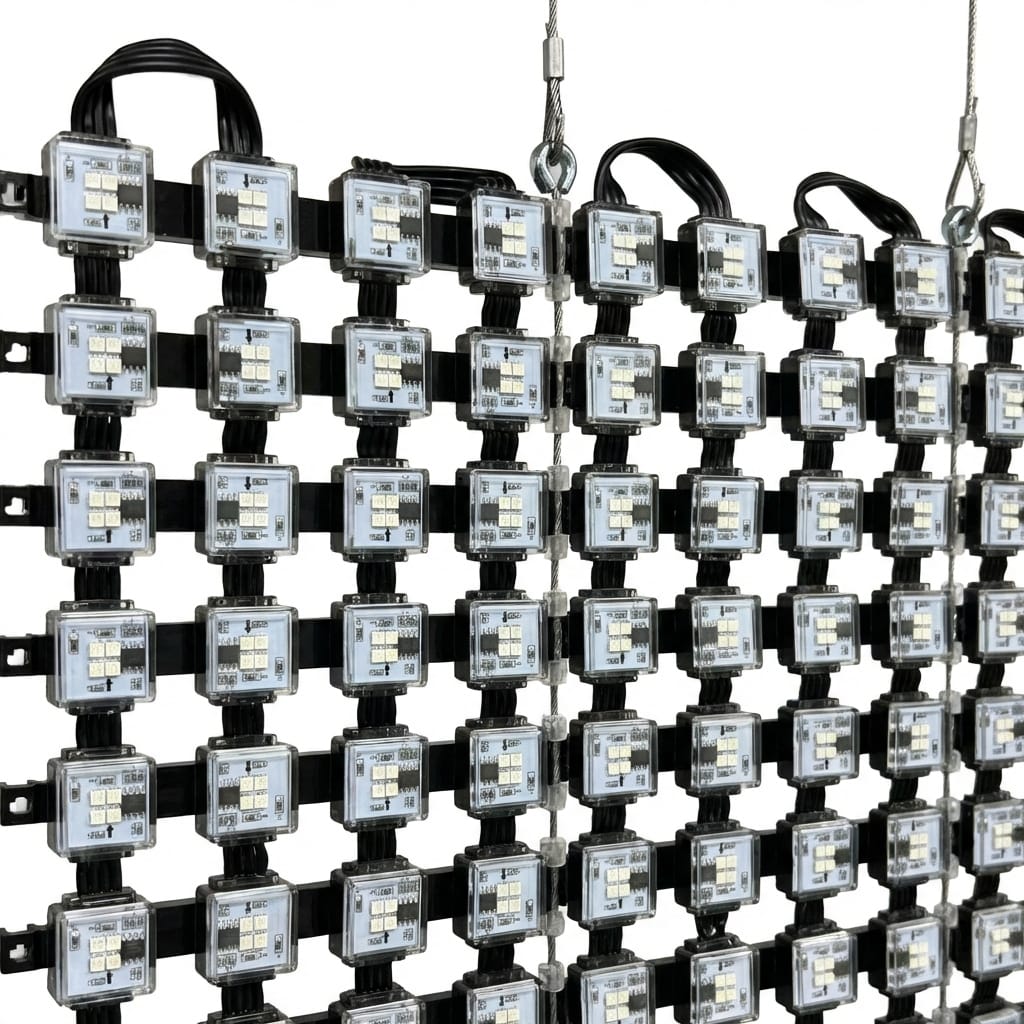
Transparent LED displays are one of the easiest products in our industry to misunderstand—because a lot of what’s sold as a “spec” is actually a marketing shortcut. The result is predictable: projects get delayed, budgets get “revised,” and the screen ends up underperforming in the exact conditions the client cares about most (daylight, weather, and long-term stability).
This guide debunks the five myths that most often derail procurement conversations—using engineering logic and standards-based thinking you’d apply to any outdoor electrical system.
If you’re new to the category, start with our overview on ChinaLEDScreens and then bookmark the Transparent LED display guide for a deeper selection framework.
Why these myths keep showing up
Transparent LED is a system (LEDs + mechanics + power + control + sealing + installation method). Myth-driven buying happens when one part of that system is treated as the whole story—like “IP65” being used as a substitute for actual outdoor engineering.
Also, “transparent” projects often live in the hardest real-world environments: glass façades (thermal stress), storefront windows (glare + reflections), and tall exterior surfaces (wind + lightning exposure). Those conditions punish weak assumptions fast.
Before you even debate “which model,” make sure you know which transparent technology family you’re talking about:
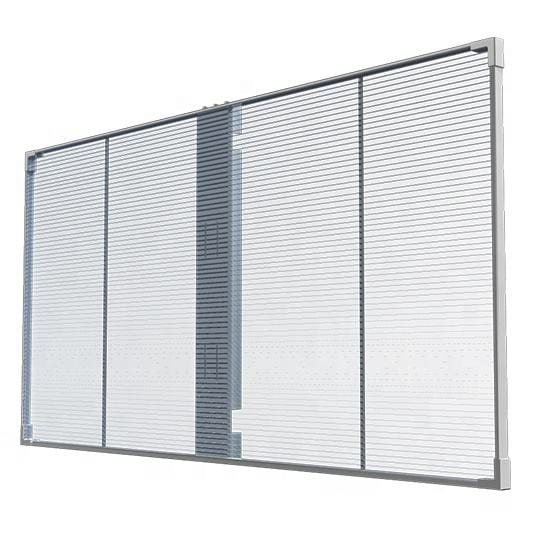
- Rigid transparent cabinets (modular, serviceable, frame-based)
- LED film (ultra-thin aesthetics; surface prep and edges matter)
- LED glass (building-envelope integration; façade rules apply)
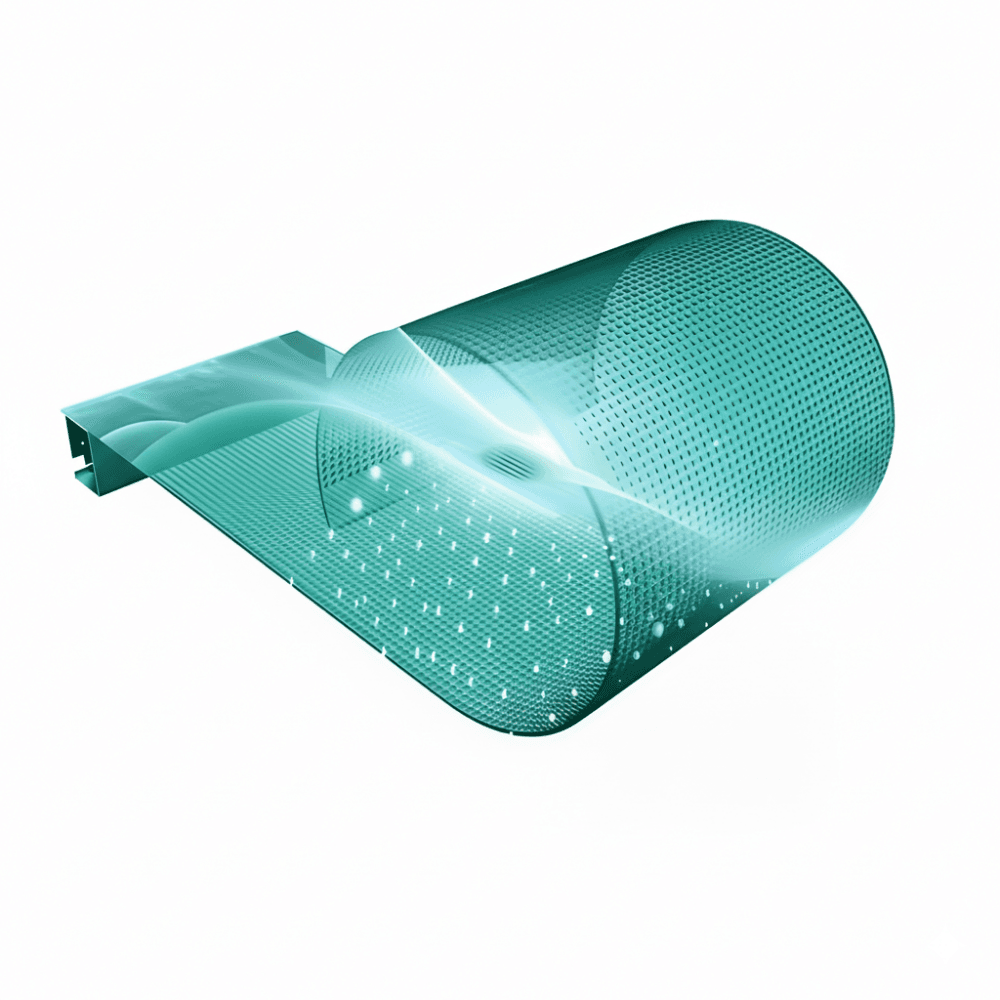
- Mesh / grille / curtain (best for facades where wind + airflow dominate)
To compare those families with fewer headaches later, you can use:
Myth #1 — “Transparent LED is too dim to be useful in daytime”
Reality: Daytime visibility is about nits + contrast + content, not “transparent vs not”
Yes, transparency changes the daylight math. You’re seeing both the content and the real-world background through the display. That means you’re fighting glare, reflections, and visual noise.
But “too dim” is usually the wrong diagnosis.
What actually decides daytime performance:
- Brightness (nits): whether the screen can compete with ambient light
- Contrast: whether dark areas look dark (or washed gray)
- Content style: whether your visuals are designed for transparent viewing
- Placement: viewing angle, sun direction, glass reflections, interior lighting
What to do instead (practical)
- Define your daylight scenario
- Full sun directly on the viewing side is a different project than shaded street canyons or under-canopy storefronts.
- Design content for transparency
- Transparent displays love high-contrast motion graphics, bold typography, and controlled negative space.
- Ultra-detailed video often looks weaker because the background competes.
- Use auto brightness control
- Automatic dimming protects hardware at night and reduces unnecessary heat load.
- Don’t “solve” daylight with brute force
- Running max brightness all day may increase thermal stress and long-term maintenance burden.
Spec questions that kill this myth fast
- What is calibrated brightness, not peak?
- Is there auto brightness (ambient sensor or schedule)?
- Can the supplier show real daylight photos/videos (not just night shots)?
If you want a clear baseline on how transparent LED is typically selected and positioned, start from Transparent LED display guide.
Myth #2 — “Transparent LED can’t be used outdoors”
Reality: Outdoor readiness is a checklist of protections, not a slogan
Transparent LED can be used outdoors—but only if it’s engineered as an outdoor system:
Outdoor performance is determined by:
- Ingress protection (dust + water)
- Sealing details (gaskets, doors, cabinet joints, cable glands)
- Surge and grounding design (storm reality)
- UV + corrosion strategy (especially coastal)
- Thermal design (solar gain + hot ambient air)
- Structural design (wind loads + anchoring)
- Service access (how repairs happen safely)
The outdoor truth: “IP65” is not a magic spell
Even if a product is labeled “IP65,” outdoor success depends on where that rating applies and how the system is installed.
Common leak points in real installs:
- Door seams / latch areas
- Panel-to-panel joints
- Bottom edges where water sits
- Connectors/cable entry points
- Poor cable routing (no drip loop)
- Bad re-sealing after service
When outdoor transparent LED makes the most sense
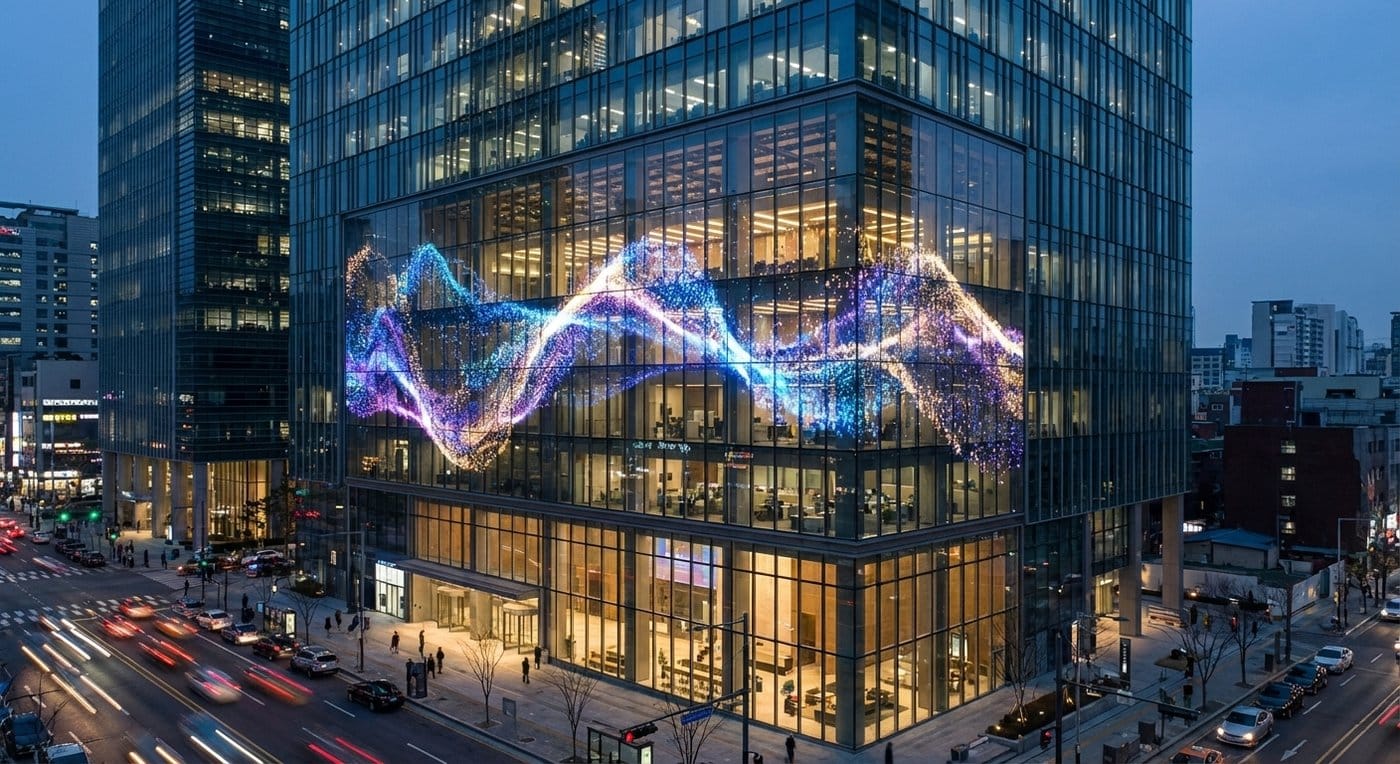
Outdoor transparent LED is most reliable when the structure supports airflow and wind performance—this is why many serious façade projects use mesh/grille styles.
If your project is façade-driven, compare options here:
Myth #3 — “Higher transparency is always better”
Reality: You’re trading off transparency, image strength, and structure
“Transparency %” is easy to sell because it’s one number. But your customer doesn’t buy a percentage—they buy visual impact, brand presence, and architectural harmony.
Higher transparency usually means fewer LEDs per area (or wider spacing), which can reduce:
- perceived image density
- contrast in bright ambient conditions
- ability to show detailed content
A practical way to choose transparency (no fluff)
Choose transparency based on what the display must compete with:
- Retail windows (close viewing + reflections + daylight): You often need stronger apparent image density than “maximum transparency” marketing suggests.
- High facades (long viewing distance): The eye integrates pixels over distance. More open structures can still look powerful at night.
Don’t skip the mockup
Ask for a simple A/B demo:
- same content, same camera exposure
- in bright ambient conditions
- from real viewing distances
If you only evaluate at night, you’ll overestimate daytime performance.
Myth #4 — “Film, glass, mesh, cabinet… it’s all basically the same”
Reality: They’re different installation ecosystems
These technologies are not interchangeable. They have different:
- mounting methods
- service access options
- risk profiles outdoors
- long-term maintenance realities
- integration complexity (especially for glass)
Here’s the decision shortcut:
- Transparent cabinet LED: modular, predictable structure, serviceable
- LED film: ultra-thin aesthetics; installation quality is everything
- LED glass: integrated into the building envelope; treat it like façade engineering
- Mesh/grille: best for wind/weight/airflow-driven facades
Use these for deeper comparisons:
Myth #5 — “Transparent LED is low-maintenance and therefore low-cost”
Reality: You don’t avoid maintenance—you choose which kind
Transparent installs often look “lightweight,” so people assume they behave like a TV. They don’t.
Your lifetime cost depends on:
- Cleaning frequency (dust/pollution kills contrast)
- Seal integrity (gaskets, joints, cable entries)
- Thermal stress (especially in sun-heated glass zones)
- Electrical protection (surge exposure)
- Service model (how fast modules/PSUs can be replaced)
- Spare parts strategy (downtime prevention)
Maintenance you should plan (and budget) for
- Cleaning plan (and safe access method)
- Regular inspection of seals and cable entries
- Module swap procedure and spare module plan
- Calibration/visual uniformity checks for premium installs
- Power system checks (distribution, connectors, grounding integrity)
If you want to anchor your credibility in manufacturing process and QA, use:
1) Spec & evidence request checklist
Ask your supplier to provide a single “proof pack”:
- Brightness: calibrated range + dimming method + recommended content style
- Ingress: where the rating applies (front only vs full cabinet) + sealing approach
- Cable entry: glands/connectors + drip loop routing guidelines
- Thermal plan: how heat is removed and where power supplies sit
- Corrosion/UV: materials/coating strategy (especially coastal)
- Structural: wind load basis + anchoring details
- Service: module replacement method + expected MTTR + spare parts list
- Warranty: exclusions (water damage, corrosion, installation conditions)
2) Acceptance testing plan (simple, effective)
- Day test: midday visibility from the actual viewing angles
- Night test: low-brightness uniformity check (banding/flicker perception)
- Weather readiness: verify sealing after installation; confirm drainage/cable routing
- Service test: time a real module swap and reseal procedure
When you shouldn’t choose transparent LED
Transparent LED is not always the best answer if your top priority is maximum daytime impact under harsh sun at close range, or if the site has no safe service access.
Also, if wind/weight dominates the engineering constraints, you’ll usually get a cleaner path with mesh/grille rather than forcing a dense cabinet approach.
Start selection here:
Conclusion: the myth-free buying mindset
The best transparent LED projects don’t “win on specs.” They win because the buyer aligns:
- the real lighting environment (day vs night),
- the correct technology family (cabinet vs film vs glass vs mesh), and
- the outdoor proof checklist (ingress, surge, UV/corrosion, thermal, structure, service).
Do that, and transparent LED stops being risky and becomes what it’s supposed to be: a way to turn glass into media without sacrificing the building.
For a fuller category overview, use: