Talk To Our Expert, Get A Solution in 20 minutes
Share your LED screen needs. Our experts will provide solutions and a quick response.

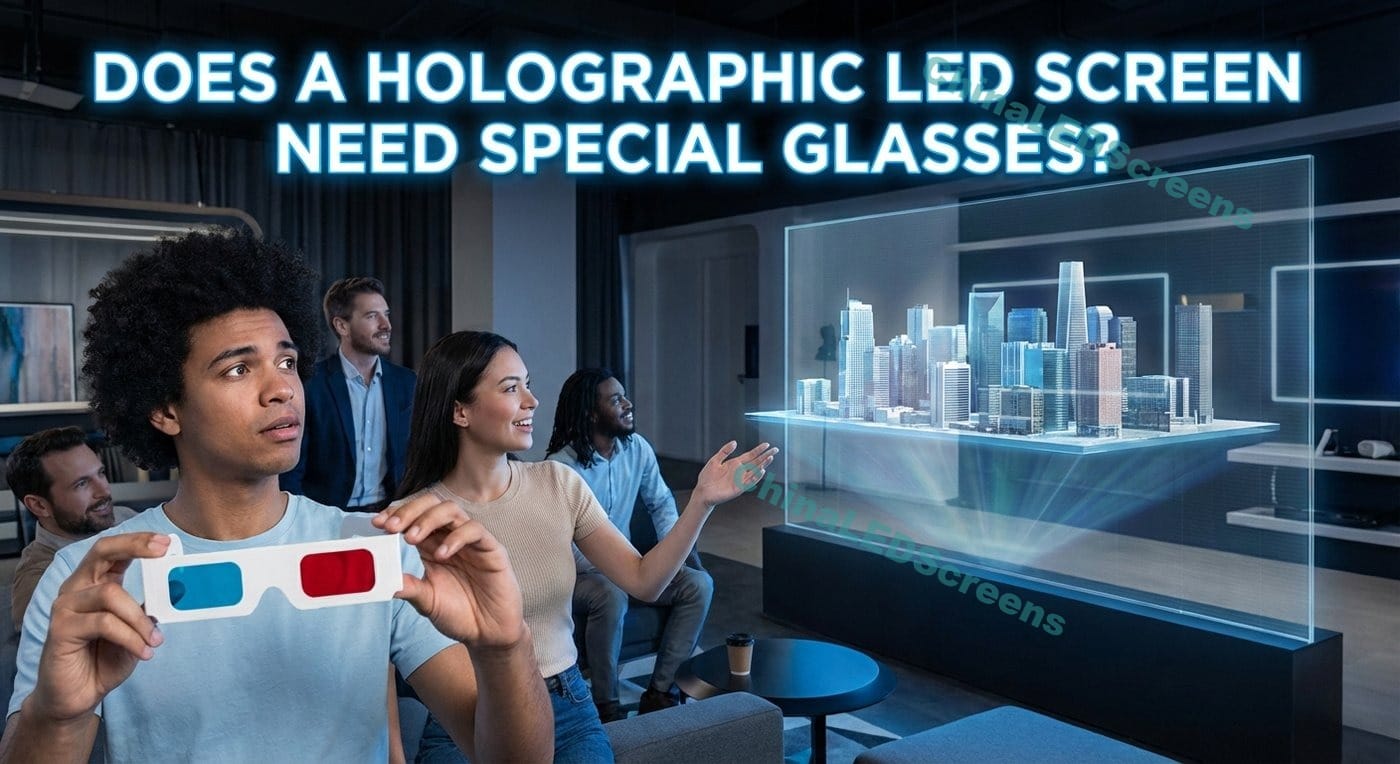
If you’ve ever watched a “floating shoe” or a “3D perfume bottle” look like it’s hovering in a shop window, you’ve probably asked the exact same thing your clients ask me:
“Wait… do people need to wear special glasses for this?”
No — a holographic LED screen does not need special glasses. The effect is designed to be glasses-free, because retail, museums, and public spaces can’t rely on visitors wearing anything.
That said (and this is where buyers get confused): the word “holographic” is used loosely in the market. Some “3D” systems do involve glasses or headsets — but those are not what we mean when we say holographic LED screen in the transparent LED industry.
This post breaks it down in plain language, but with real engineering logic — so you can explain it confidently to architects, brand teams, and AV integrators.
In our world, a holographic LED screen usually refers to a transparent LED display structure that creates a strong floating / depth illusion — especially when installed on glass.
Think of it as:
If you want a clean product definition, start here:
Here’s the key idea:
A holographic LED screen doesn’t “project real 3D light fields” like a science fiction hologram. Instead, it delivers very strong depth cues that your eyes and brain interpret as “floating”:
When the hardware + content are correct, your brain does the rest — and no glasses are required.
This table is the simplest way to stop client confusion:
| System | Needs glasses/headset? | Works for crowds? | Typical use |
|---|---|---|---|
| Cinema 3D (stereo) | ✅ Yes | ⚠️ Not ideal | theaters |
| VR / AR headsets | ✅ Yes | ❌ No | single user |
| Holographic LED screen | ❌ No | ✅ Yes | retail windows, museums, events |
| Transparent LED display (regular) | ❌ No | ✅ Yes | facades, atriums, glass walls |
If someone tells you “it’s holographic but you need glasses,” it’s almost always a different system (stereoscopic 3D, AR/VR, or a headset-based demo).
This is where buyers can get defensive if you sound too marketing-heavy, so here’s my honest wording:
A holographic LED screen is a glasses-free visual illusion that looks like a hologram in real environments — especially on glass — but it is not a “true volumetric hologram” that exists in free space.
And that’s okay. In commercial projects, the goal isn’t scientific purity — it’s impact + simplicity:
For public installations, that’s exactly why holographic LED is winning.
Let me be blunt: hardware alone won’t save you.
I’ve seen expensive screens look “flat” because someone played normal 16:9 ads with busy backgrounds. That kills the illusion.
If your client asks: “Why does that demo look amazing, but ours looks normal?” 90% of the time, it’s content design.
Not exactly.
Yes, both are related — and both are glasses-free. But a holographic LED system is often tuned for:
For a broader baseline comparison, these pages help clients understand the ecosystem:
Not always. Too much brightness can actually wash out depth in certain glass environments.
What you want is:
Also not true. Background matters a lot. If the background is visually noisy (busy shelves, bright daylight glare, reflections), the floating illusion weakens.
Below are the technical factors I focus on when specifying a system.
A holographic effect usually happens in short-to-mid viewing distances (storefront / exhibit zone). If pitch is too large, the illusion breaks.
Rule of thumb:
Higher transparency looks elegant on glass — but too sparse reduces image solidity.
This is why selecting the right product family matters. In some cases, a transparent LED film is the better solution (especially for glass retrofits):
Retail windows are challenging:
If the environment is bright, you may need:
Holographic effects are strongest when:
For proof points, clients love browsing real references:
Because it’s:
If your client is retail-focused, this page helps position the solution:
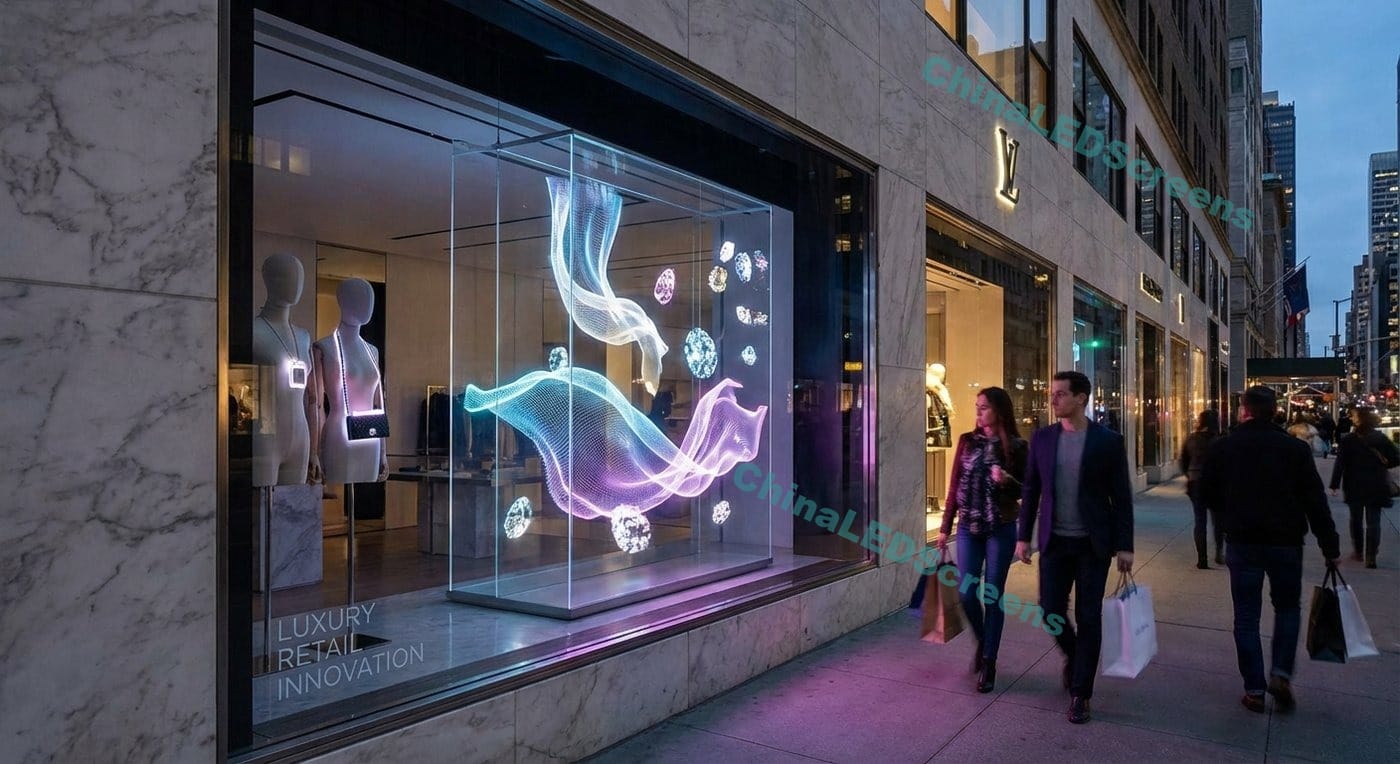
Great for:
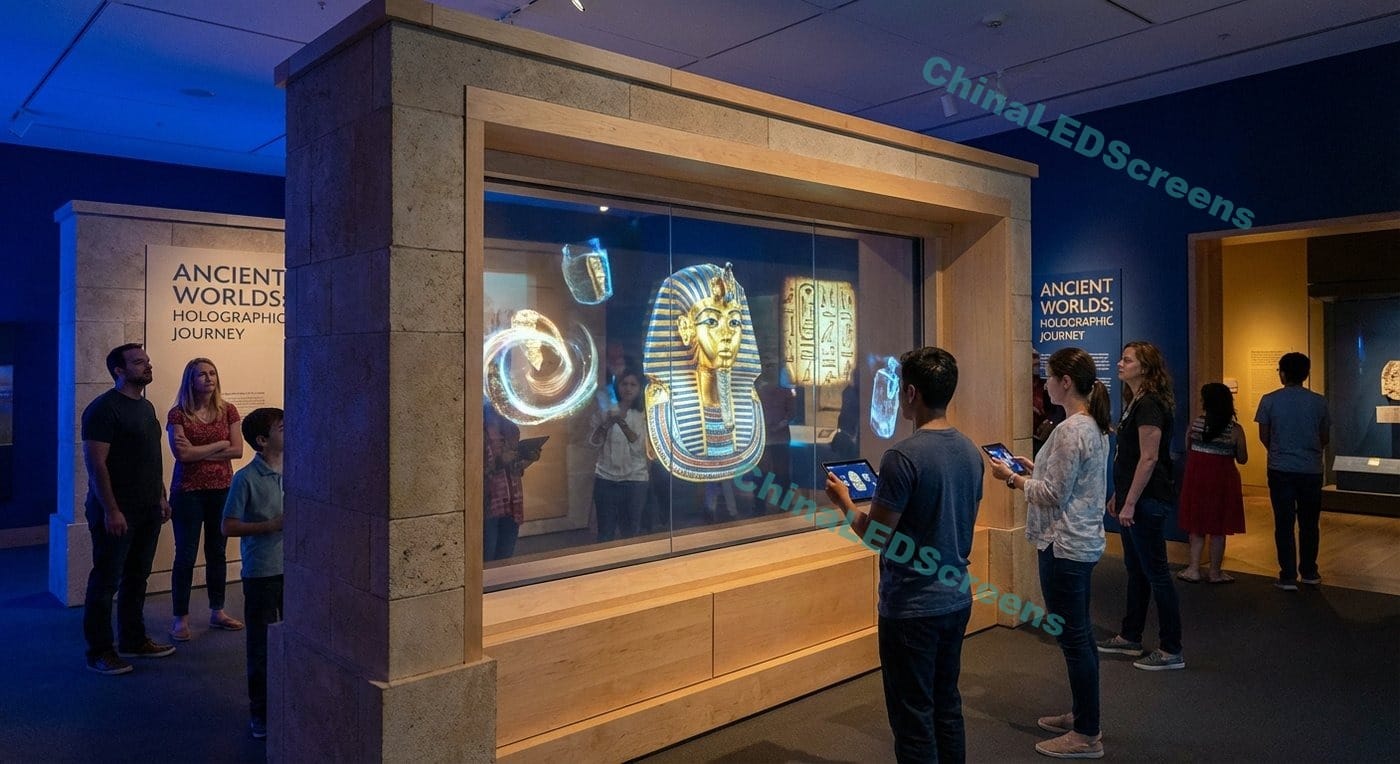
Holographic LED is a “walk-up and instantly understand” effect — which is why it’s used so often for launches.
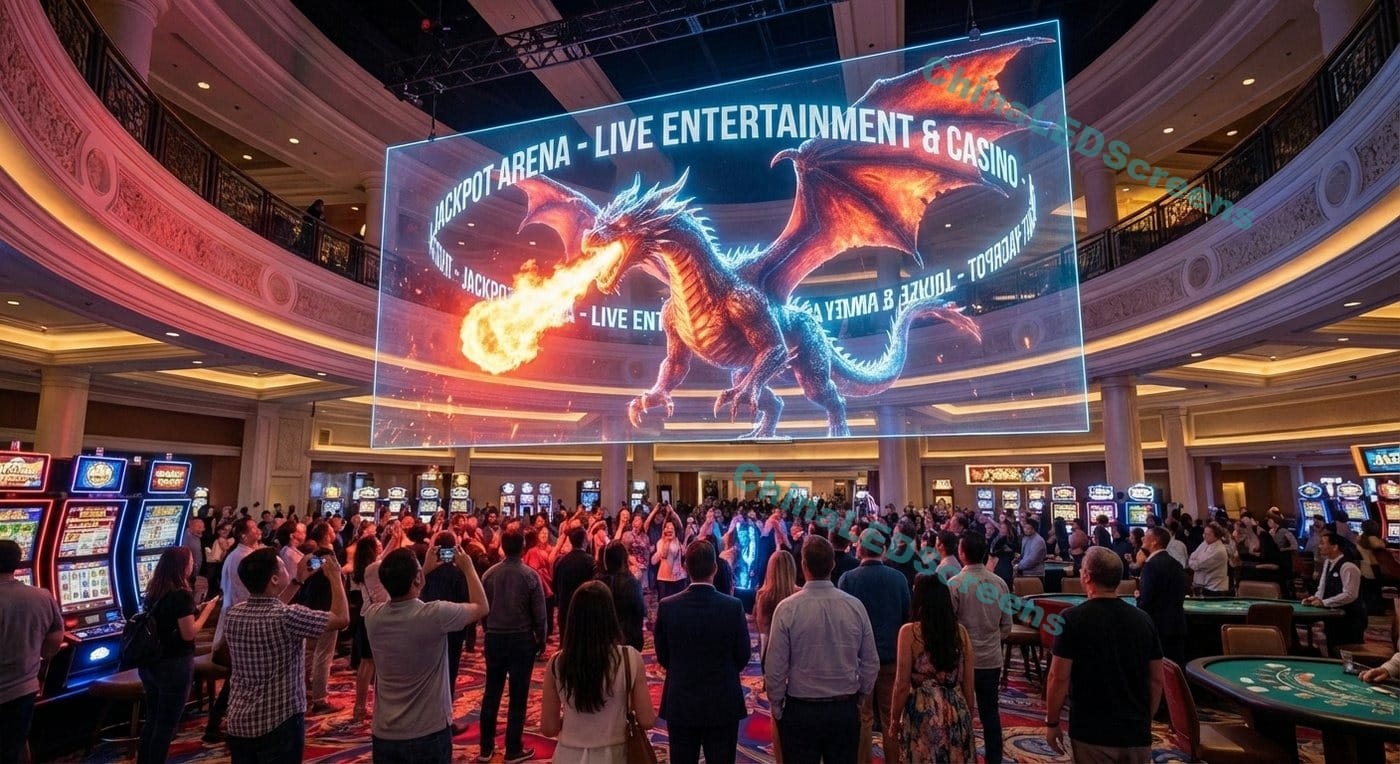
It signals “tech + premium” without the bulk of a solid LED wall.
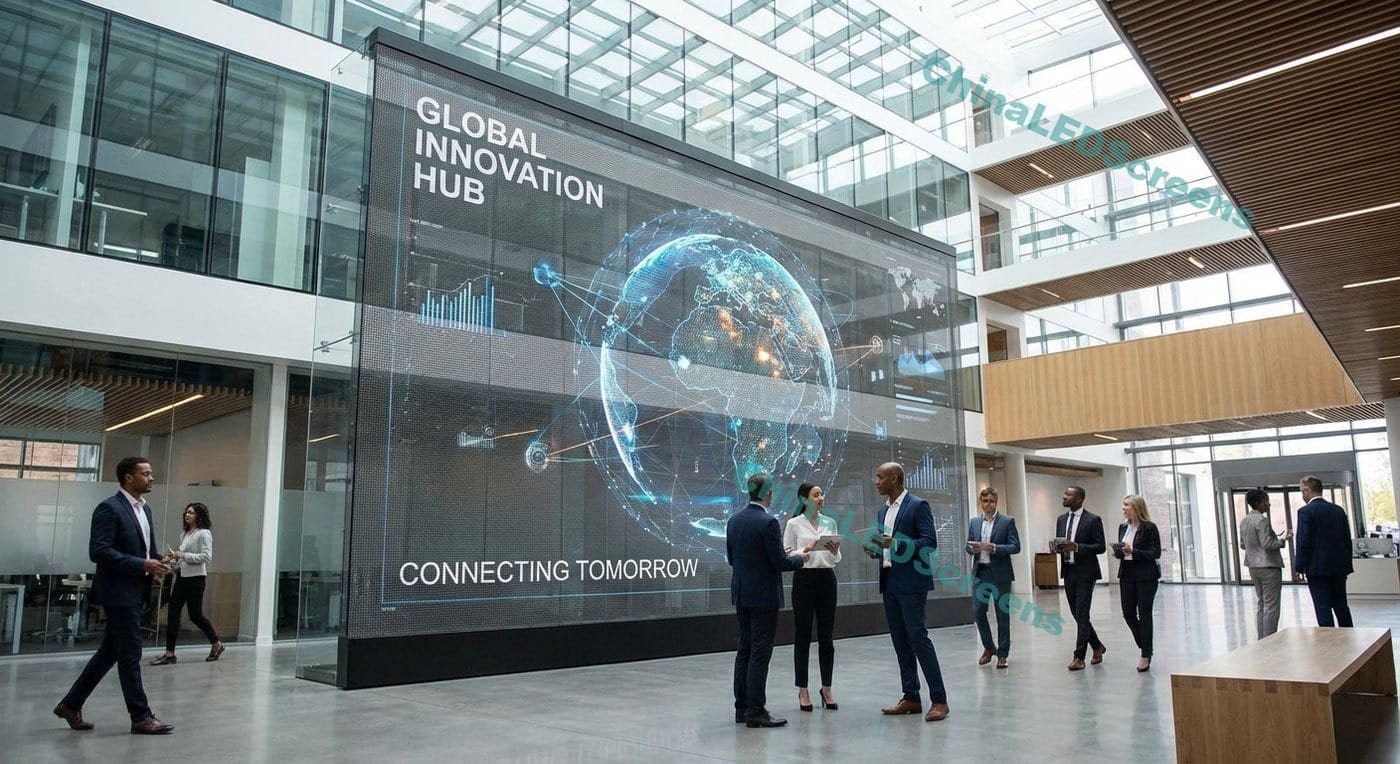
There are only a few scenarios:
If your project brief says “glasses required,” you’re not in standard holographic LED scope anymore.
Before your team quotes or specifies a holographic LED screen, lock these items:
If you skip content planning, you risk paying for “holographic hardware” and delivering a “normal video screen” experience.
Here’s how I explain it in one breath:
“You don’t need glasses. The screen is designed to look 3D-like to the naked eye by using transparent structure and content built for depth. If you need glasses, it’s a different 3D system.”
That line alone removes 80% of misunderstandings in early meetings.
To help your team choose the right family quickly:
No — holographic LED screens do not need special glasses. That “glasses-free” nature is exactly why they work so well in public spaces like retail windows and exhibitions.
Just remember: The best holographic result is hardware + environment + content. If you treat it like a normal screen and play normal ads, it will look normal. If you design it like a floating-content stage, it will look like a hologram — to everyone, with no glasses.