Talk To Our Expert, Get A Solution in 20 minutes
Share your LED screen needs. Our experts will provide solutions and a quick response.

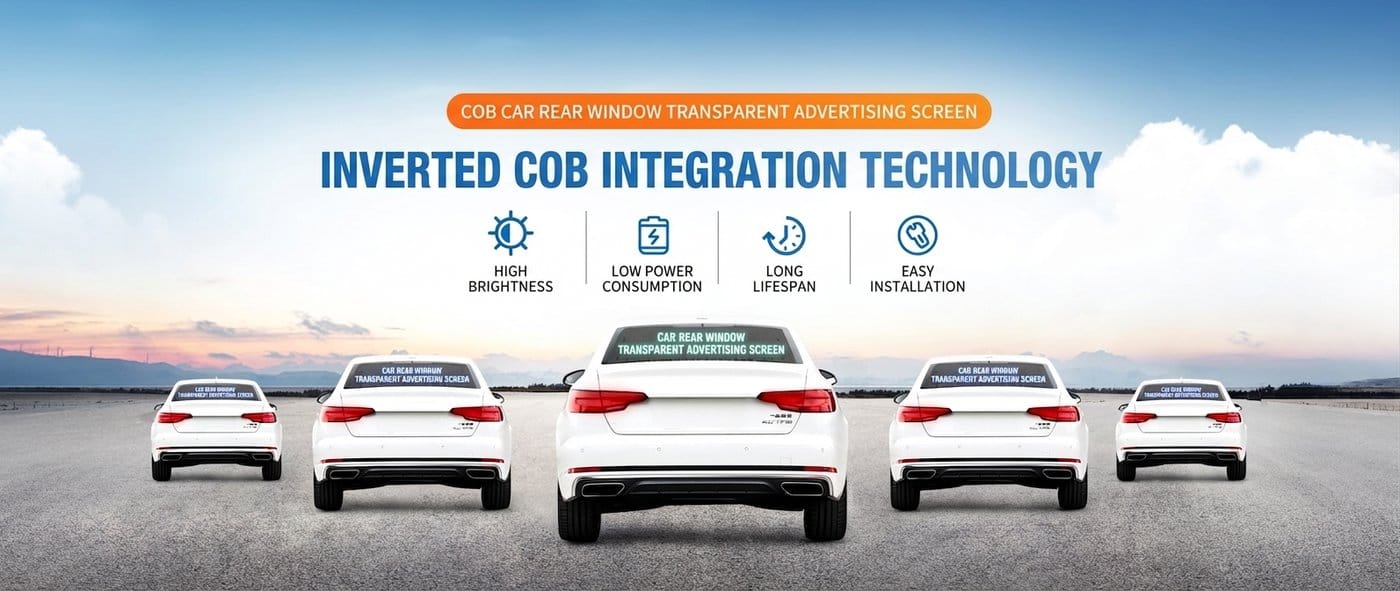
Vehicle windows are turning into media surfaces. That sounds futuristic, but the market logic is already here: advertisers want high-visibility formats, fleet operators want new revenue streams, and brands want something more premium than static vinyl wraps. At the same time, buyers are asking a harder question than “does it look cool?” They want to know whether a COB holographic transparent LED screen for vehicles is actually practical on a car window, bus window, shuttle window, or rear glass panel.
The honest answer is yes, but only in the right glazing position, with the right brightness strategy, and with realistic compliance expectations. From a commercial perspective, the timing is attractive. U.S. out-of-home ad spend grew to $9.13 billion in 2024, transit rose 10.6%, and the industry hit a record $9.46 billion in 2025. OOH also remains unusually action-oriented, with strong search, visit, and purchase behavior after exposure.
From an engineering perspective, though, vehicle glass is not the same as a retail storefront. The biggest filter is not display technology. It is window function. In the U.S., glazing areas required for driving visibility must meet a 70% light-transmittance rule under FMVSS 205, and UNECE Regulation No. 43 also centers light transmission requirements in safety glazing. That is why the smartest commercial discussion usually starts with rear glazing, rear-side glazing, and special-purpose transport windows, not the windshield.
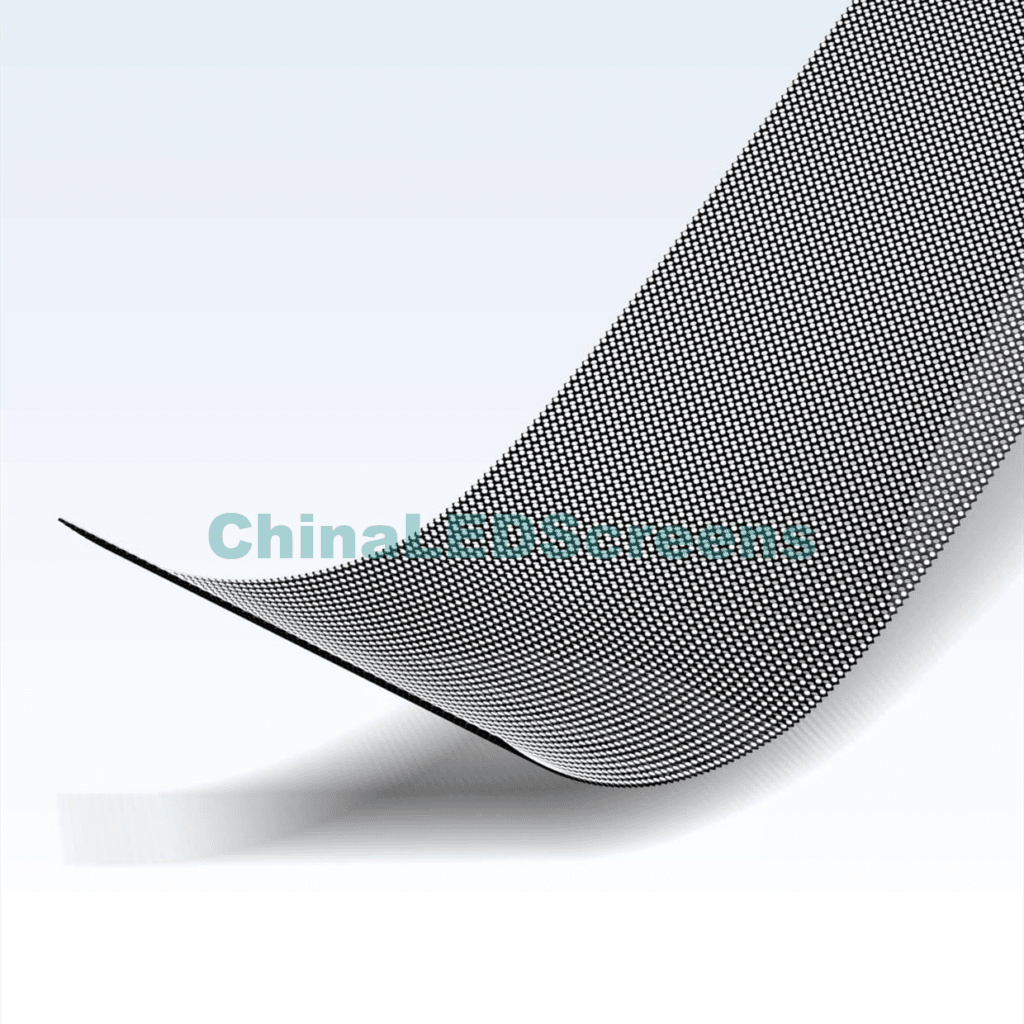
A COB holographic transparent LED screen is a lightweight, see-through display layer designed to sit on or within glass while still allowing a meaningful level of visibility and daylight. In the product concept you described, the screen uses a PCB-based hollow mesh circuit, stays under 2mm thick, reaches about 85% transmittance, supports 4500 cd/m² brightness, and uses a keel-free mounting structure with direct adhesive attachment to glass. Those are exactly the kinds of specifications that make transparent displays commercially interesting for vehicle and fleet applications.
The “COB” part matters because buyers usually want better robustness, tighter integration, and a cleaner surface than many older point-source or bulkier transparent formats. The “holographic” part is mostly a market-facing description: what customers respond to is the floating-image effect on glass, not a laboratory definition of holography. If your audience needs a broader technical foundation first, it is natural to guide them to the transparent LED display guide and your holographic LED screens guide.
This is where most articles get too vague. Vehicle window use is not one single use case.
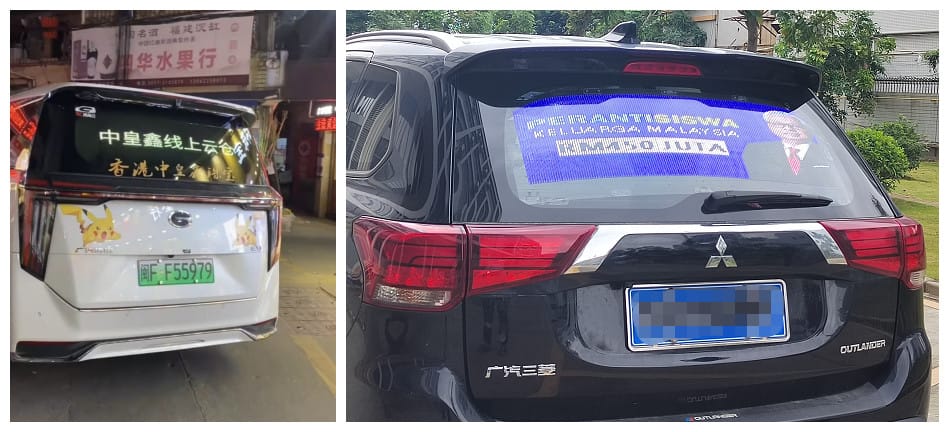
For rear bus windows, rear-side glazing on coaches, special-event shuttle windows, and some commercial fleet rear glass panels, transparent LED can make real sense. Those zones can support moving media, route branding, event promotion, tourism messaging, or even fleet-owned ad inventory. NHTSA interpretations also make clear that rear and rear-side windows on certain vehicle categories may not be treated the same way as glazing required for forward driving visibility under federal rules, though state and local law still matter.
For front windshields and front side windows, the picture is very different. Any technology that materially reduces legal light transmission or creates distraction risk becomes a compliance and safety problem quickly. TI’s transparent window display materials show that vehicle-window displays are a real design direction in automotive systems, including even front-window concepts, but those materials describe the broader application space, not blanket legality for commercial retrofits. In practice, that means you should position front-window use as a specialized R&D or OEM conversation, not as a simple aftermarket sales story.
So the best SEO and sales positioning is this: rear and non-critical glazing are the primary commercial targets; front critical-visibility glazing is the high-risk zone.
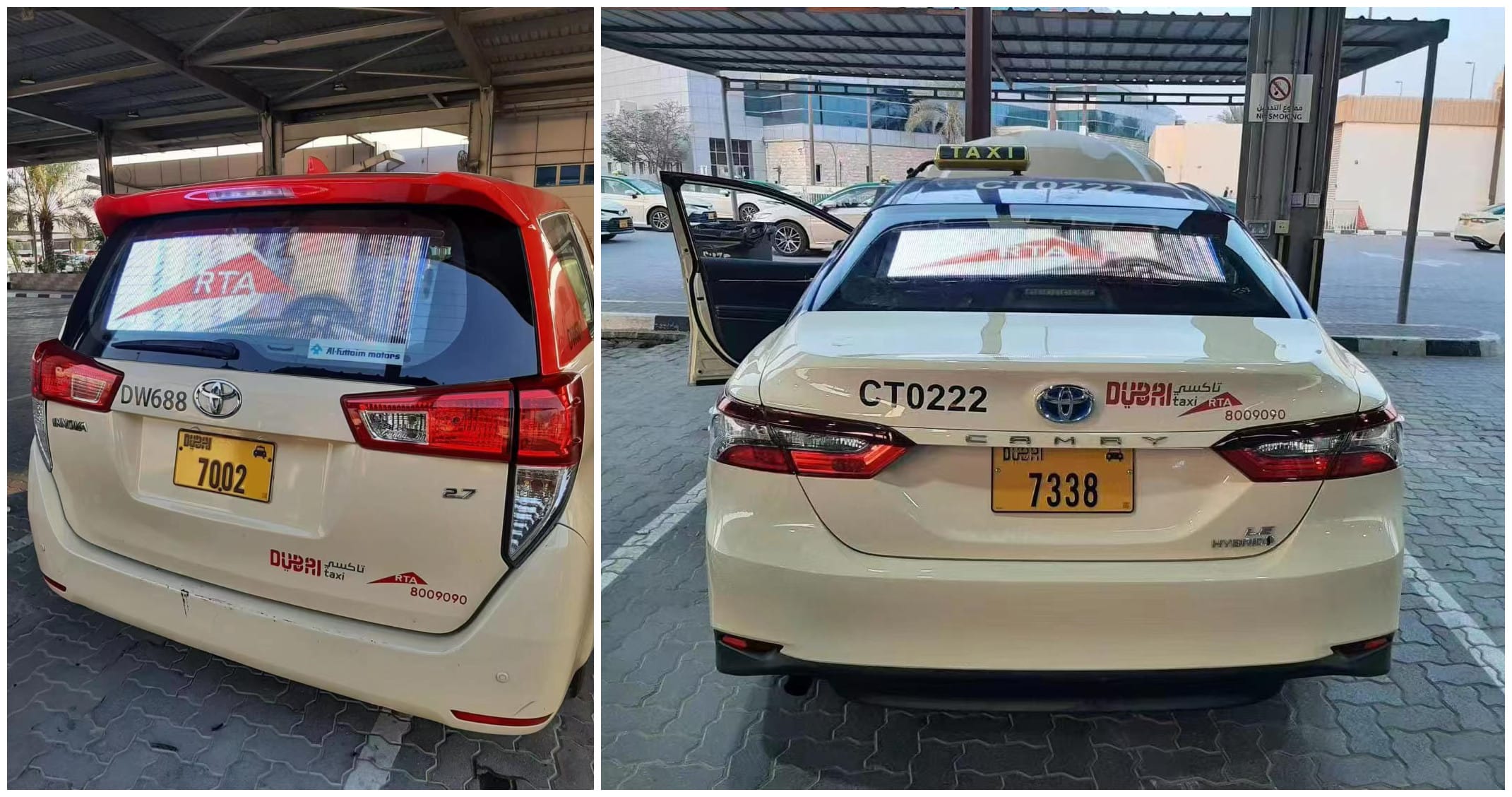
The commercial appeal is easy to understand. Transit and OOH media keep growing because they meet people in the real world, at the moment of movement and decision. OAAA’s data shows recent OOH exposure drives strong mobile action, store visits, and purchases. That matters because a bus window display is not just a “screen on glass.” It is a moving public touchpoint that travels through dense traffic, curbside dwell time, terminals, shopping corridors, and event routes.
A transparent LED format also solves a major weakness of traditional window-facing displays: it can preserve visibility and a more open look. LG’s retail case study is not vehicle-specific, but it is still useful because it demonstrates how transparent film can keep outward visibility while delivering dynamic messaging, self-adhesive installation, and commercial impact. LG reported 73% transparency, 2,100-nit brightness, ideal viewing from 25 to 75 feet, and positive influence on spontaneous purchases and brand perception. That is exactly why transparent media surfaces are appealing beyond buildings and into mobility.
For fleet operators, the opportunity usually falls into three buckets:
That last point matters. A window display that cannot be scheduled, brightness-adjusted, and updated remotely is much less compelling in a real fleet environment.
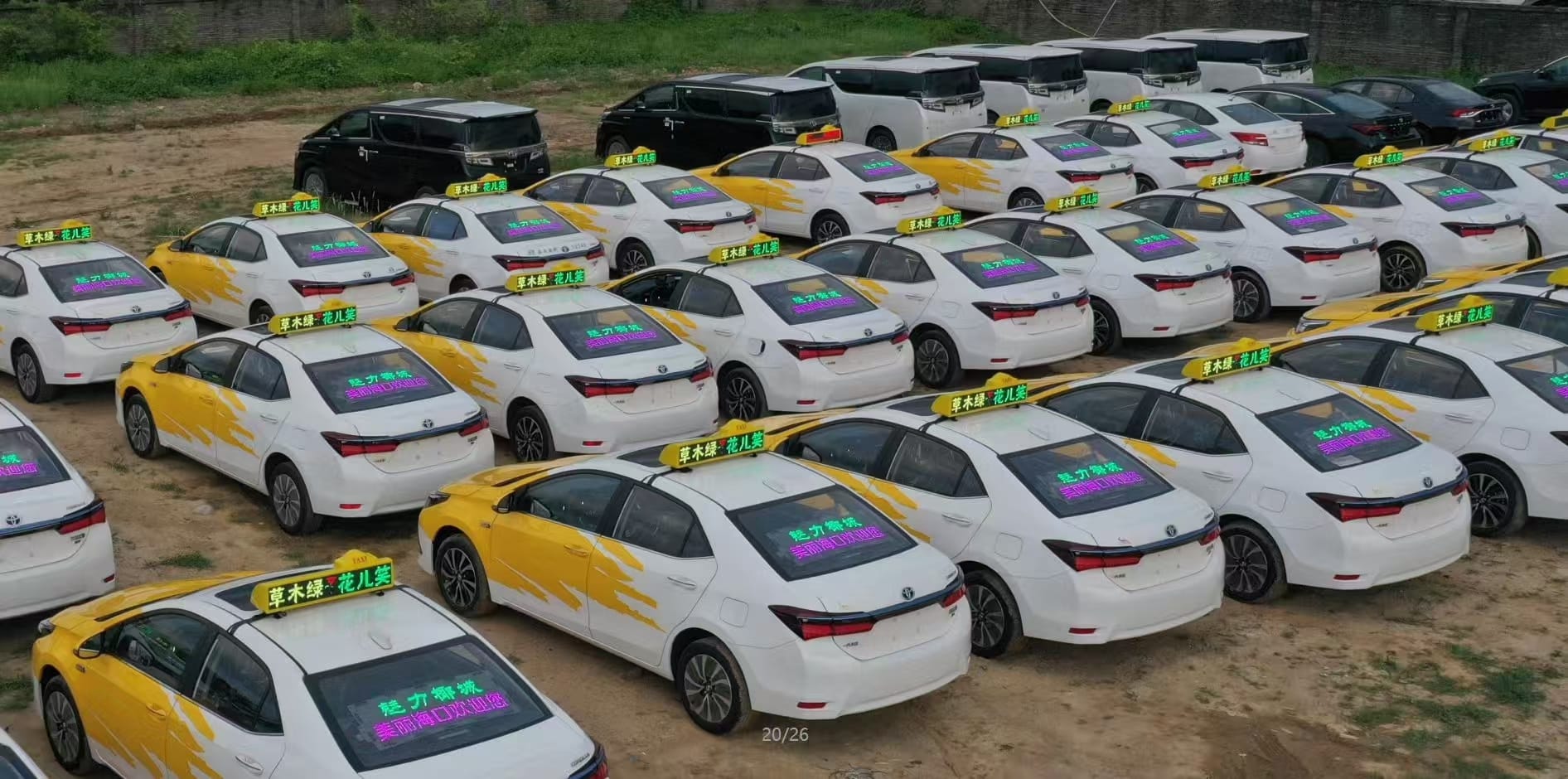
Buyers often ask about transparency and brightness first, but that is only the surface.
Transparency decides whether the display still feels acceptable on glass. In your product concept, 85% transmittance is strong positioning. It makes sense for buyers comparing transparent media to solid displays or wraps.
Brightness decides whether the screen is useful outside controlled indoor conditions. TI’s automotive transparent-window materials explicitly call for high optical output for daytime brightness, and adjacent transparent LED products in the public market often cluster in the low-thousands of nits or above depending on environment. In vehicle use, brightness scheduling matters as much as peak brightness because the bus parked at noon and the shuttle operating at dusk do not need the same output.
Weight and thickness matter more in vehicles than many buyers expect. Under-2mm thickness and very low square-meter weight are strong selling points because they reduce visual bulk, lower structural demand, and simplify installation planning.
Pixel pitch must match viewing distance. A city-bus rear window seen from nearby traffic needs a tighter pitch than a coach-side media window mostly viewed from farther away. Overspecifying pitch raises cost and power; underspecifying pitch makes moving content look crude.
Electronics quality matters because transport is harsher than storefront glass. AEC-Q100 is a useful automotive electronics benchmark to reference for supporting components because it exists specifically for stress-tested automotive environments, with temperature grades extending from standard passenger environments up to very demanding thermal ranges.
This is the section that wins trust with serious buyers.
In the U.S., FMVSS 205 sets a 70% light-transmittance requirement for glazing areas “requisite for driving visibility.” NHTSA also says manufacturers, dealers, distributors, and repair businesses cannot make compliant glazing inoperative below that standard on covered windows. At the same time, federal interpretations recognize more flexibility on rear and rear-side windows for trucks, buses, and some MPVs, while state law can still be stricter in operation.
Outside the U.S., UNECE Regulation No. 43 is an important reference for safety glazing and also uses a 70% light-transmission threshold in relevant contexts. So if the project is for export fleets, OEM cooperation, or homologated public vehicles, your content should never promise universal legality. The right wording is: application feasibility depends on window position, vehicle category, and local homologation rules.
That one sentence is commercially smart because it is both accurate and credible.
Vehicle-window installation needs a different conversation than building glass.
First, the buyer should confirm whether the screen is:
Second, cable routing must be planned around actual vehicle movement, window mechanisms, door hinges, and maintenance access. Third, power supply and control hardware should not be treated as an afterthought. Transparent film on glass is only one part of the solution; the reliability bottleneck is often the box, connector, routing path, or environmental sealing.
This is also where vibration and heat move from “technical details” to purchase criteria. Automotive environments bring constant motion, thermal cycling, UV exposure, wash cycles, and parked-vehicle heat buildup. If the project is serious, the buyer should ask about component qualification, adhesive behavior, service loops, controller placement, and field-replacement procedures. That is a natural point to guide prospects toward your LED film screens guide, adhesive flexible LED film guide, and transparent LED services page for project support.
The strongest commercial use cases are not random. They are predictable.
A city bus rear window works well for short-loop branding, event promotion, and district campaigns. A coach bus side or rear glazing zone works for premium tourism branding and sponsor-led campaigns. A shuttle fleet works well for campus, airport, expo, or hospitality routes where routes are controlled and visibility patterns are known. A ride-hailing or autonomous shuttle concept is more future-facing, but still useful content territory because TI’s transparent-window work shows the broader direction of in-vehicle glass as an information surface.
What usually works best creatively is simple:
Trying to run dense video on a small moving transparent window is usually a weak result. Transparent vehicle media performs best when it behaves like premium public signage, not like a tiny TV.
This is just as important as the sales case.
Do not push transparent LED for:
Also, if the buyer mostly wants maximum image density at close range and does not care about visibility through the glass, a transparent format may not be the best answer. Sometimes a conventional display, protected LCD, or non-window media surface is the better solution.
That kind of honesty increases conversion quality because it filters out weak-fit leads early.
Before you quote, get these answers:
If you cover those points, your quote will already feel more professional than most commodity suppliers. For buyers who need wider transport-oriented examples, it also makes sense to connect them to your transport and public venues LED solutions page and back to the ChinaLEDScreens homepage.
A COB holographic transparent LED screen for vehicle windows is commercially promising, but it is not a one-size-fits-all display. The right positioning is not “put LED on any car glass.” The right positioning is: use transparent LED strategically on non-critical glazing where visibility, premium aesthetics, and mobile media value can coexist.
That framing aligns with what the market is rewarding, what OOH data says about action and recall, and what safety-glazing rules are signaling about risk. Public proof points are still stronger in adjacent transparent-window and automotive-window-display categories than in mass-deployed vehicle LED retrofits, so the smartest SEO strategy is to lead with real buyer questions: where it fits, where it does not, how bright it should be, and what compliance issues come first.
That kind of article does not just rank better. It qualifies better leads.