Talk To Our Expert, Get A Solution in 20 minutes
Share your LED screen needs. Our experts will provide solutions and a quick response.

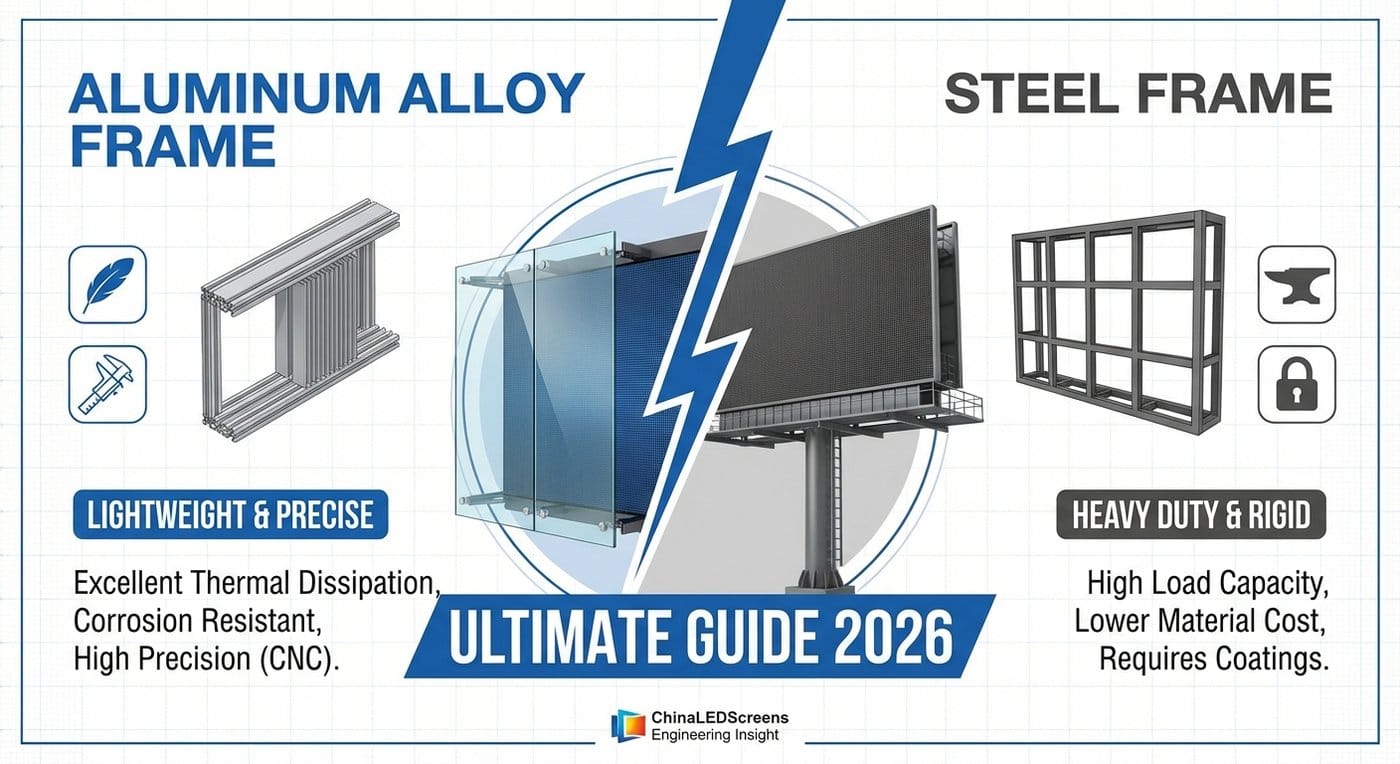
Selecting an LED screen is rarely just about pixel pitch, brightness, or refresh rate. For engineers, integrators, architects, and B2B buyers, the frame material—most commonly aluminum or steel—often decides whether the installation stays flat, safe, quiet, and serviceable for years.
A frame isn’t “just a frame.” It’s a mechanical reference surface for module alignment, a heat path (or thermal bottleneck), a corrosion system, a vibration and noise system, and the structural interface between electronics and the building. In transparent and architectural media applications, the frame also directly impacts openness, sightlines, and allowable loads on glass/curtain wall anchors.
Below is a practical, engineering-first comparison of aluminum vs. steel for LED screen frames—aimed at real project decisions, not marketing claims. For broader product context, you can explore our China transparent LED display solutions portfolio: https://chinaledscreens.com/
When a display goes wrong on site, the root cause is often mechanical:
Frame material influences all of that through four core properties:
These effects are magnified in large-area architectural installs such as a transparent LED screen for glass façades: https://chinaledscreens.com/transparent-led-screens/
or a mesh LED display system for architectural façades: https://chinaledscreens.com/mesh-led-displays/
Aluminum is significantly lighter than steel. In real projects, lower cabinet mass translates to:
This is one reason aluminum dominates many transparent systems and retrofit-friendly options like LED film screen solutions for glass surfaces: https://chinaledscreens.com/led-film-screens/
installations where the building envelope can’t accept heavy point loads.
Aluminum forms a protective oxide layer and generally performs well in humid environments. However, two engineering caveats often get overlooked:
Aluminum conducts heat well, which helps spread hotspot heat from power supplies and driver areas. But aluminum also expands more per degree than steel.
In practice, that means aluminum cabinets must be engineered around:
If you’ve ever seen a façade display that looks perfect at 20°C and shows seam stress at 40°C, thermal expansion strategy is often the reason.
Steel is stiffer per unit cross-section. To match stiffness with aluminum, you typically need:
High-quality aluminum cabinets can be extremely flat—but the design must be optimized. Poorly designed aluminum frames can “oil-can” (subtle waviness) and show seam lines under sunlight and thermal cycling.
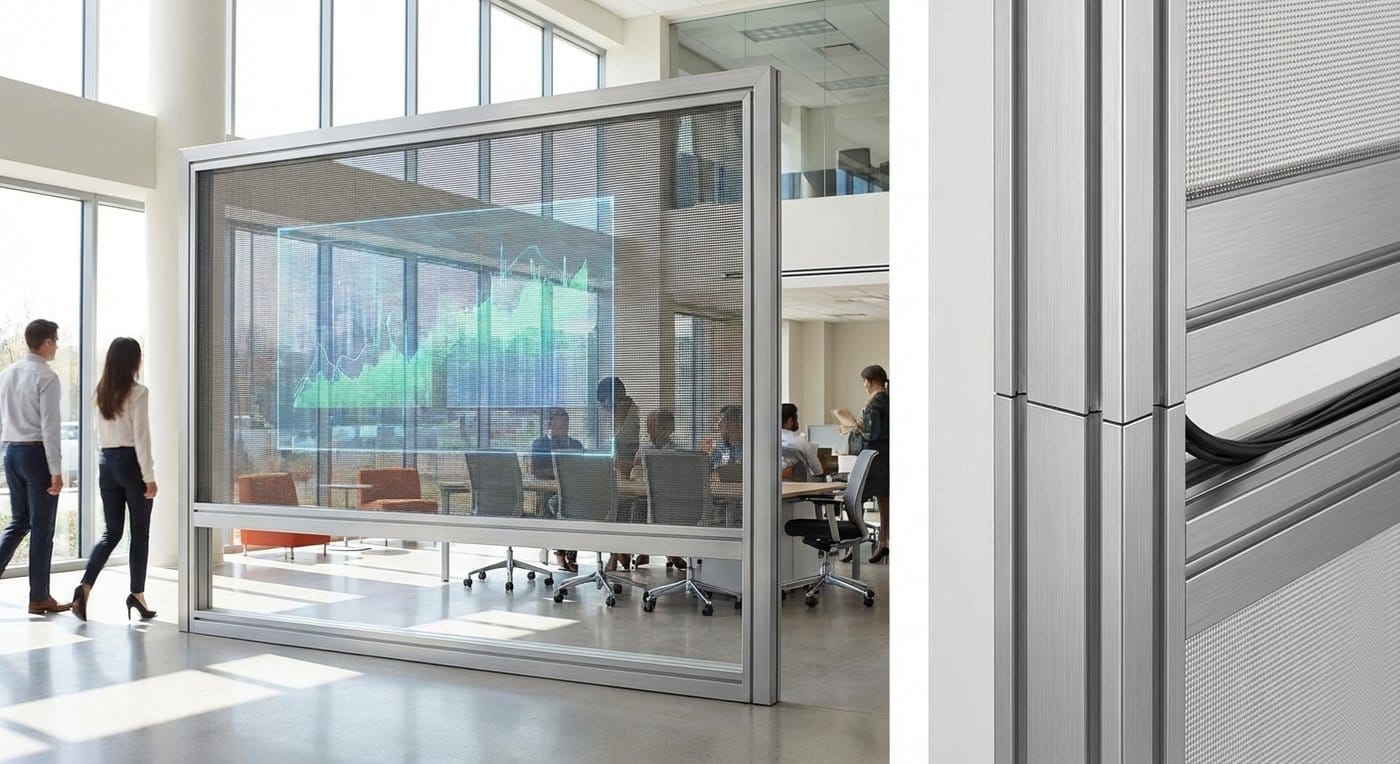
Steel’s core advantage is mechanical robustness. It’s forgiving when:
For large exterior architectural systems, stiffness is one reason steel subframes are still common behind lightweight display surfaces.
Steel is heavy. That affects:
In B2B procurement, steel sometimes looks cheaper per kg, but installed-system economics often favor aluminum once labor, structure, and schedule are included.
Steel requires protection—hot-dip galvanizing, zinc plating, powder coating, or multi-layer paint systems. Outdoors or coastal environments, a “standard coating” can fail faster than expected if:
Once corrosion begins, fasteners seize, access panels bind, and service costs rise.
Steel expands less with temperature changes, which can simplify seam stability across long runs. However, steel is not as thermally conductive as aluminum, so heat can concentrate unless you manage airflow and heat sinking.
For high-brightness, long-duty-cycle applications, thermal design can matter as much as stiffness. If you want a deeper view into performance engineering, see our notes on transparent LED display technology and quality standards: https://chinaledscreens.com/technology-quality/
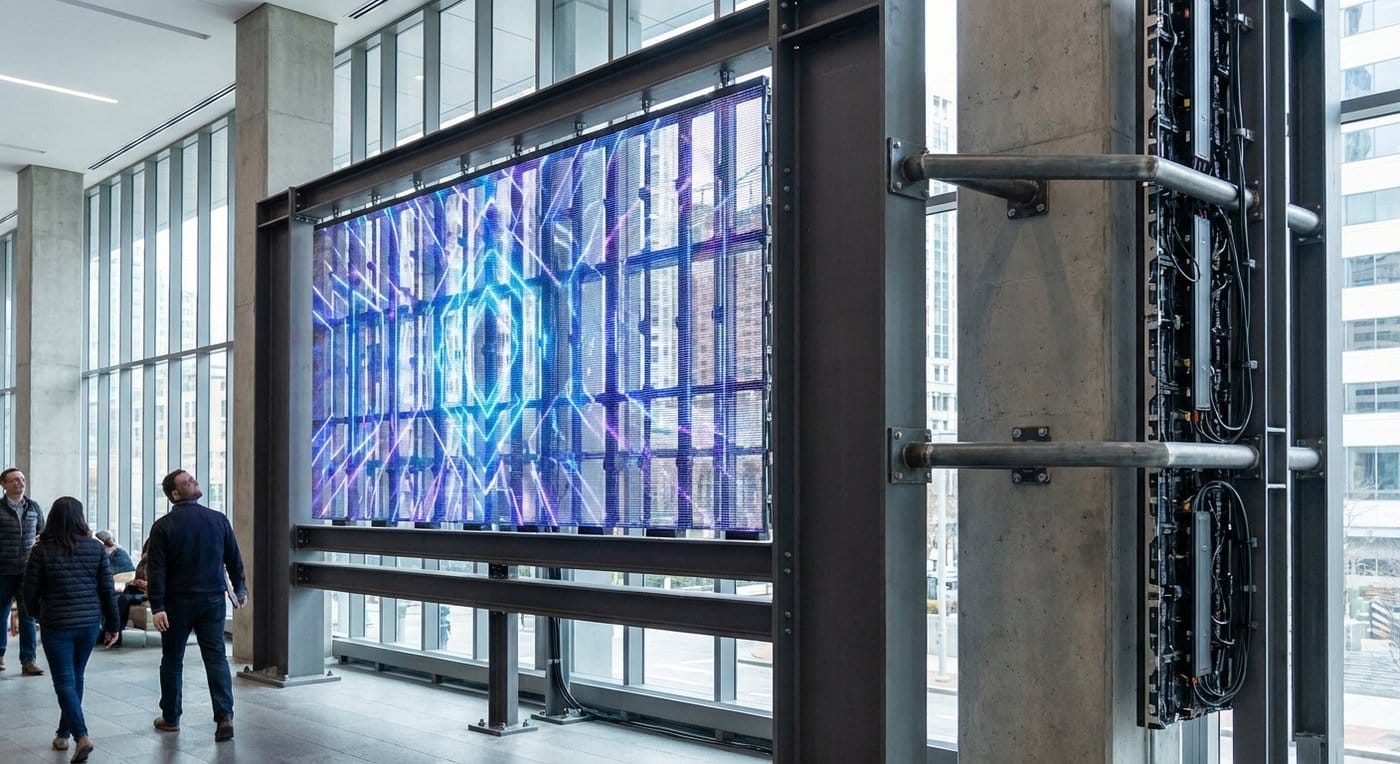
Flatness is a system outcome, not just a frame material choice. Material influences it through creep behavior, stiffness, and thermal cycling.
For close-view applications (lobbies, retail, showrooms), seam control often outranks raw strength.
On building envelopes, two things dominate: wind pressure and dynamic response (vibration). Steel’s mass can dampen vibrations, but it increases load. Aluminum reduces load, but may require better bracing to avoid flutter.
If you’re designing large exterior screens, consider whether a lighter, more open system like a mesh LED display system for architectural façades: https://chinaledscreens.com/mesh-led-displays/
or façade-oriented transparent solution is structurally and visually better aligned than a dense cabinet wall.
Frame material affects how the display behaves after thousands of service cycles:
Serviceability is crucial in transparent installations integrated into glass and architecture. For planning guidance, our transparent LED display project planning guide: https://chinaledscreens.com/transparent-led-display-guide/
is a useful reference point.
For architectural teams and agencies, the frame impacts visual “busyness”:
For glass-integrated solutions, consider alternatives like LED glass screen technology for architectural integration: https://chinaledscreens.com/led-glass-screens/
where the “frame” role shifts toward laminated structural glass behavior rather than conventional cabinet borders.
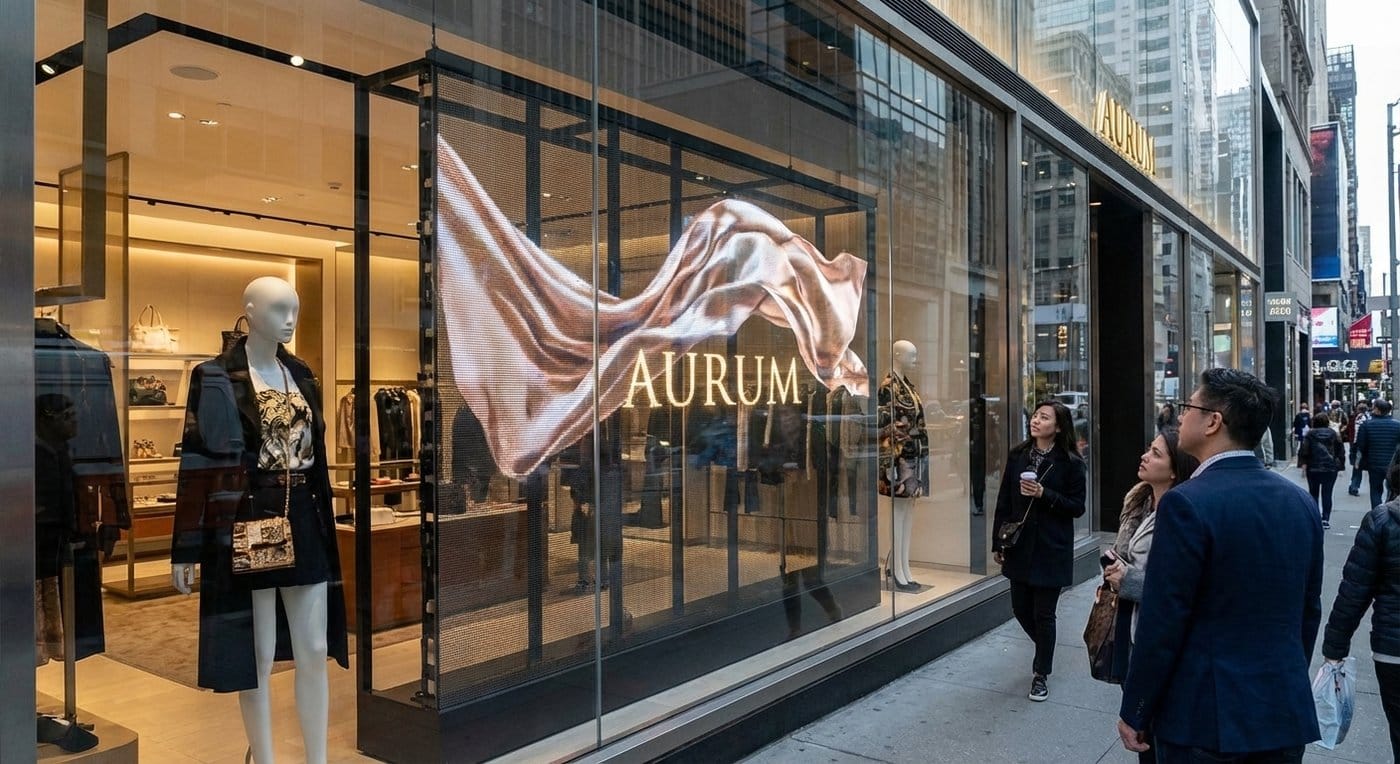
Priorities: slim profile, low weight, clean sightlines, quick install.
Steel can work, but it usually over-delivers strength and under-delivers elegance unless the substructure is already steel and hidden.
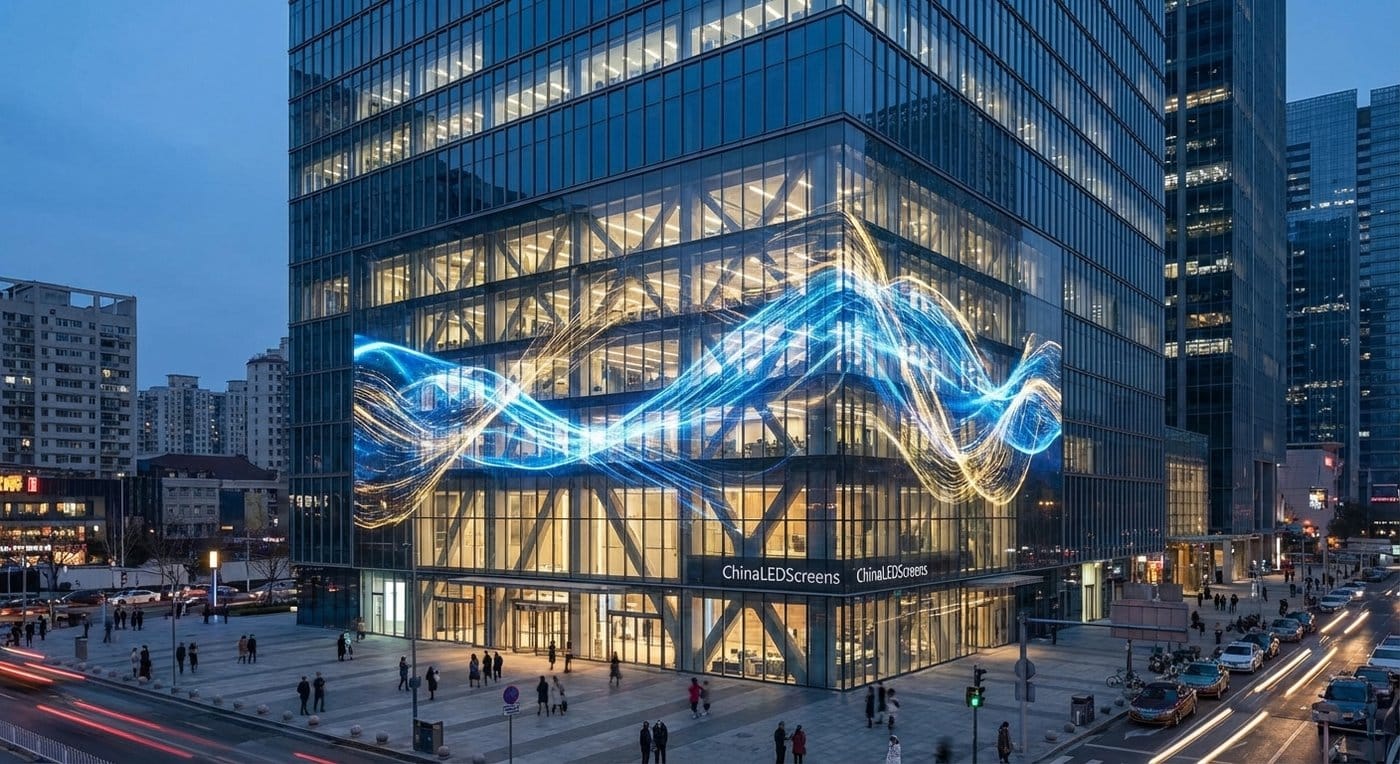
Priorities: wind load, thermal swing, corrosion resistance, long life.
and façade-friendly product families.
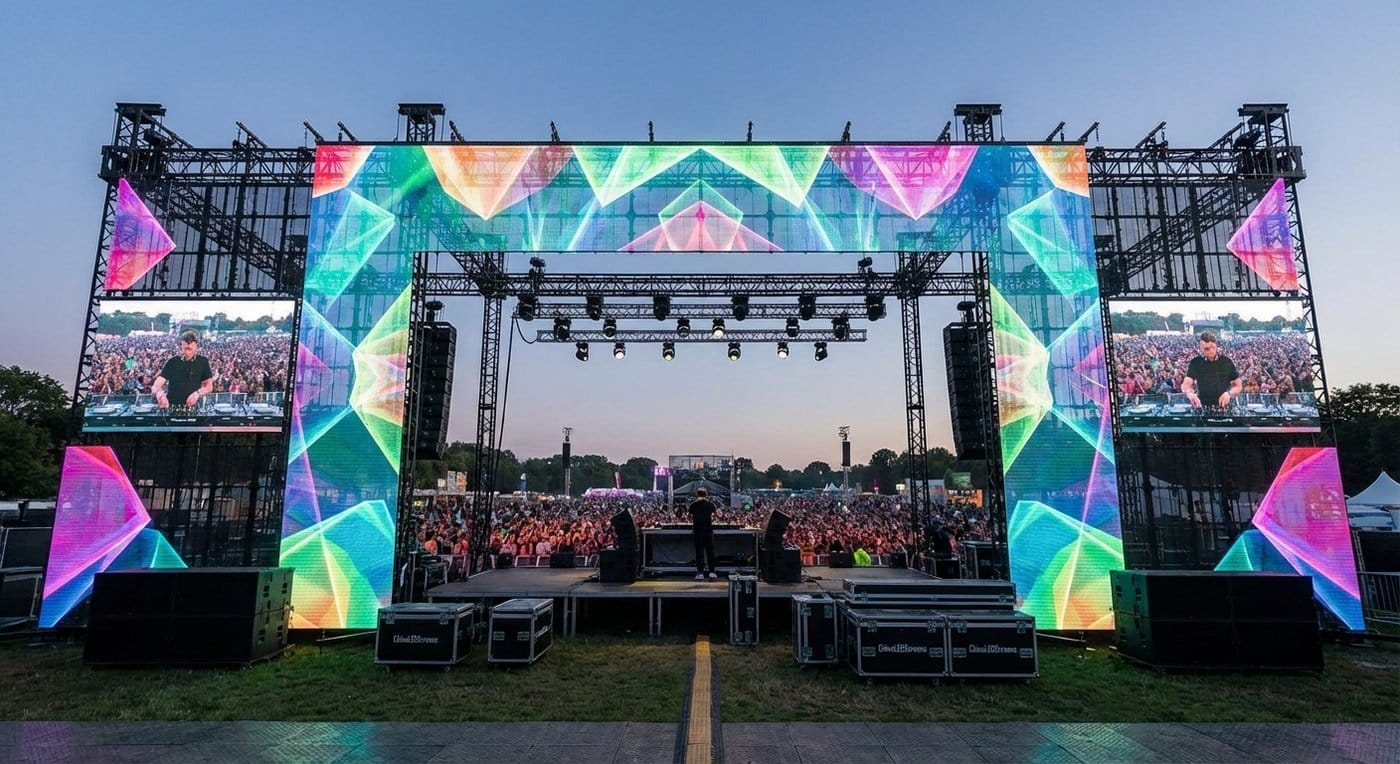
Priorities: impact resistance, fast locking, repeated assembly.
Priorities: corrosion, sealing, maintenance cost.
Either way, ask for test and QC evidence, not only material claims. Our approach to verification is outlined in LED display factory testing and quality control processes: https://chinaledscreens.com/technology-quality/
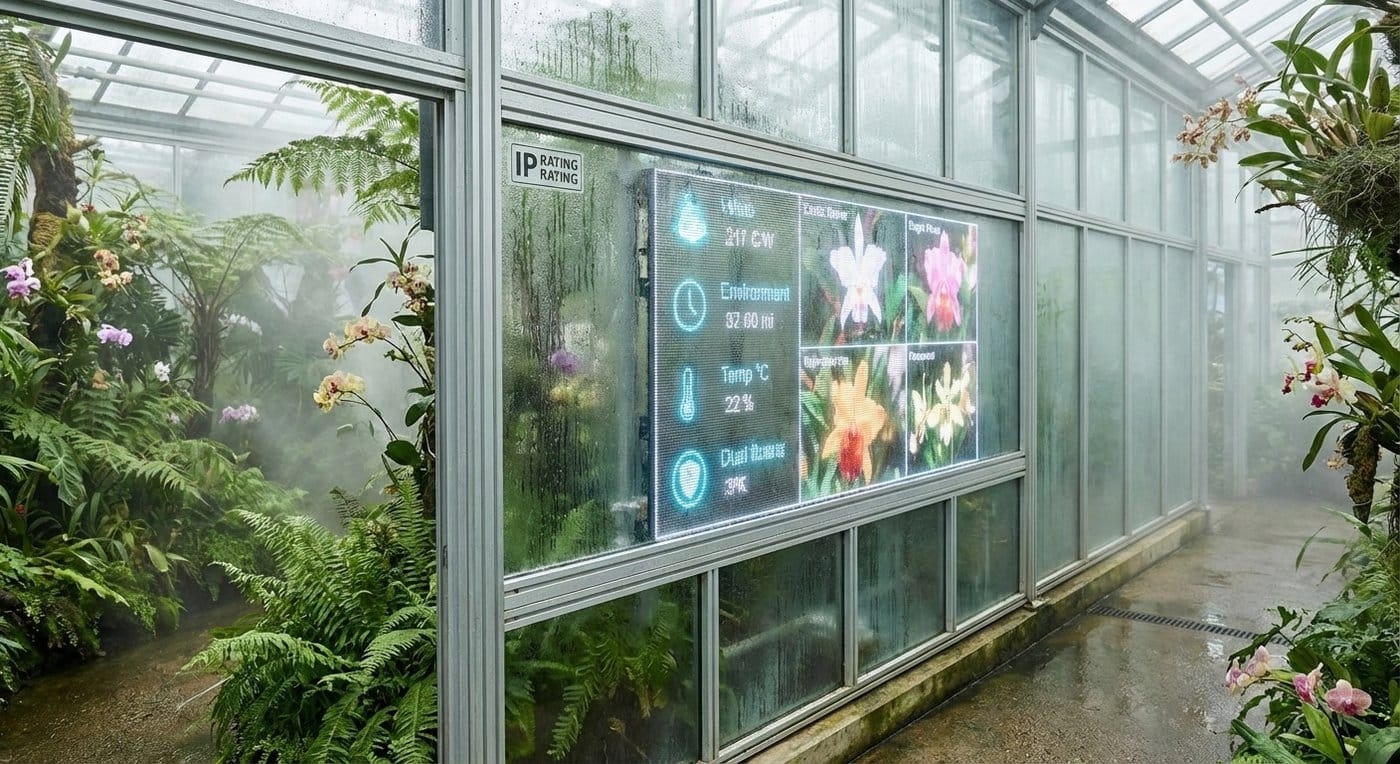
A more “deepmind” way to decide is to stop treating frame material as a single choice. Instead, assign materials to functions:
This functional split is frequently the best balance of cost, safety, and long-term flatness.
When comparing quotes, ask for these specifics:
If you want us to sanity-check a BOM or drawing set, use our ChinaLEDScreens contact and engineering support channel: https://chinaledscreens.com/contact-us/
—engineering review is often the fastest way to avoid costly site rework.
For most architectural and transparent projects, the best-performing solution is not purely aluminum or purely steel, but a well-isolated, well-coated, functionally divided system designed for thermal movement, corrosion reality, and service life.
To see how these decisions play out in real deployments, browse our transparent LED display project case studies: https://chinaledscreens.com/projects-case-studies/
and compare different structural approaches across industries.