Talk To Our Expert, Get A Solution in 20 minutes
Share your LED screen needs. Our experts will provide solutions and a quick response.

By ChinaLEDScreens | Factory-direct transparent display manufacturer (14+ years)
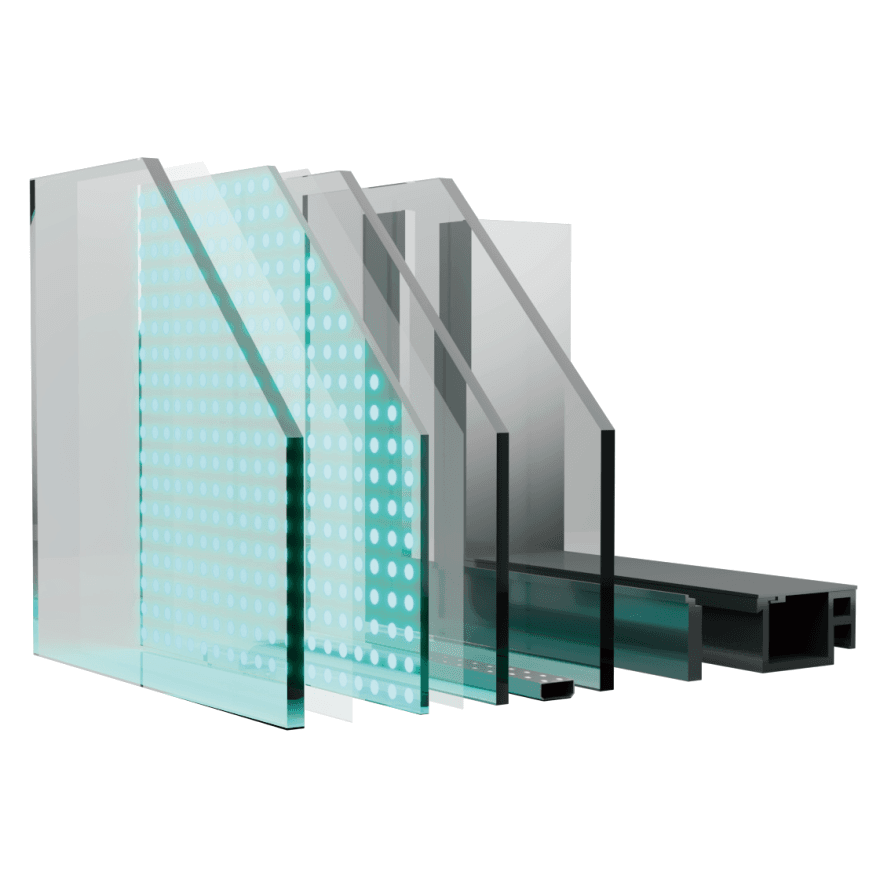
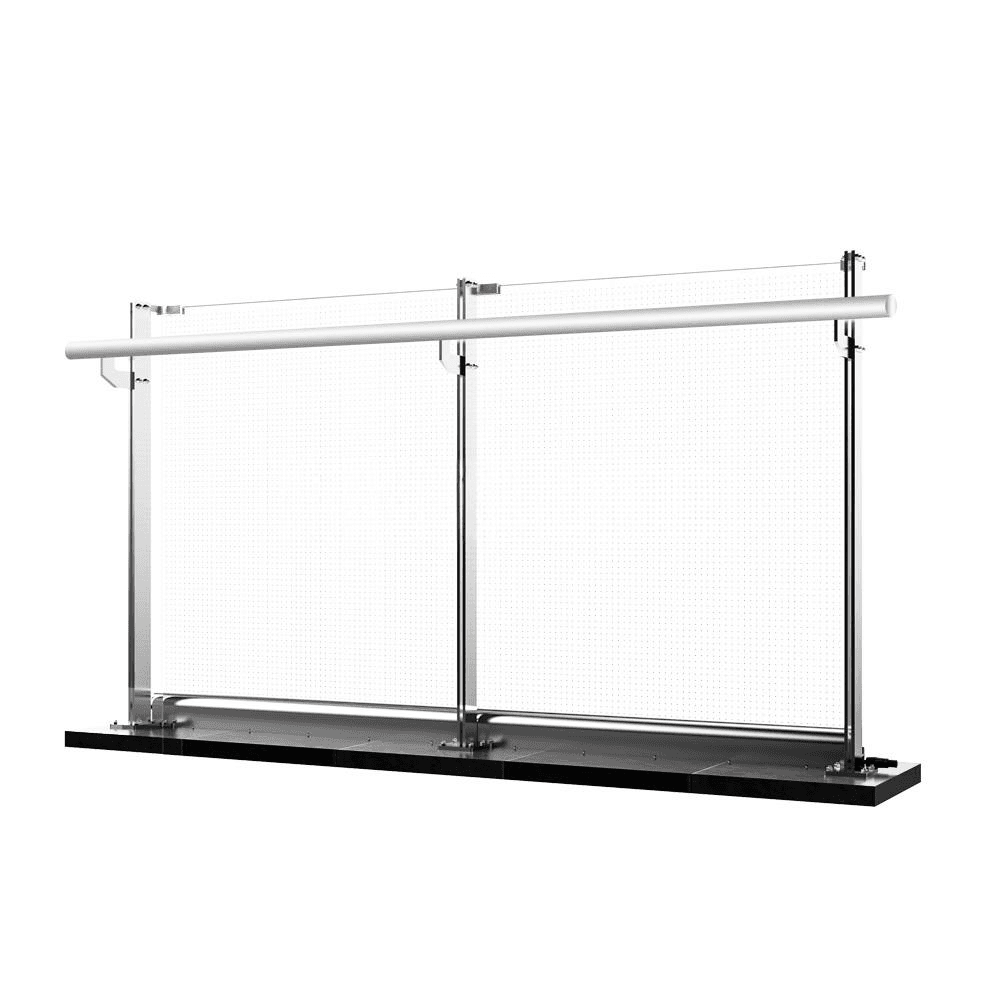
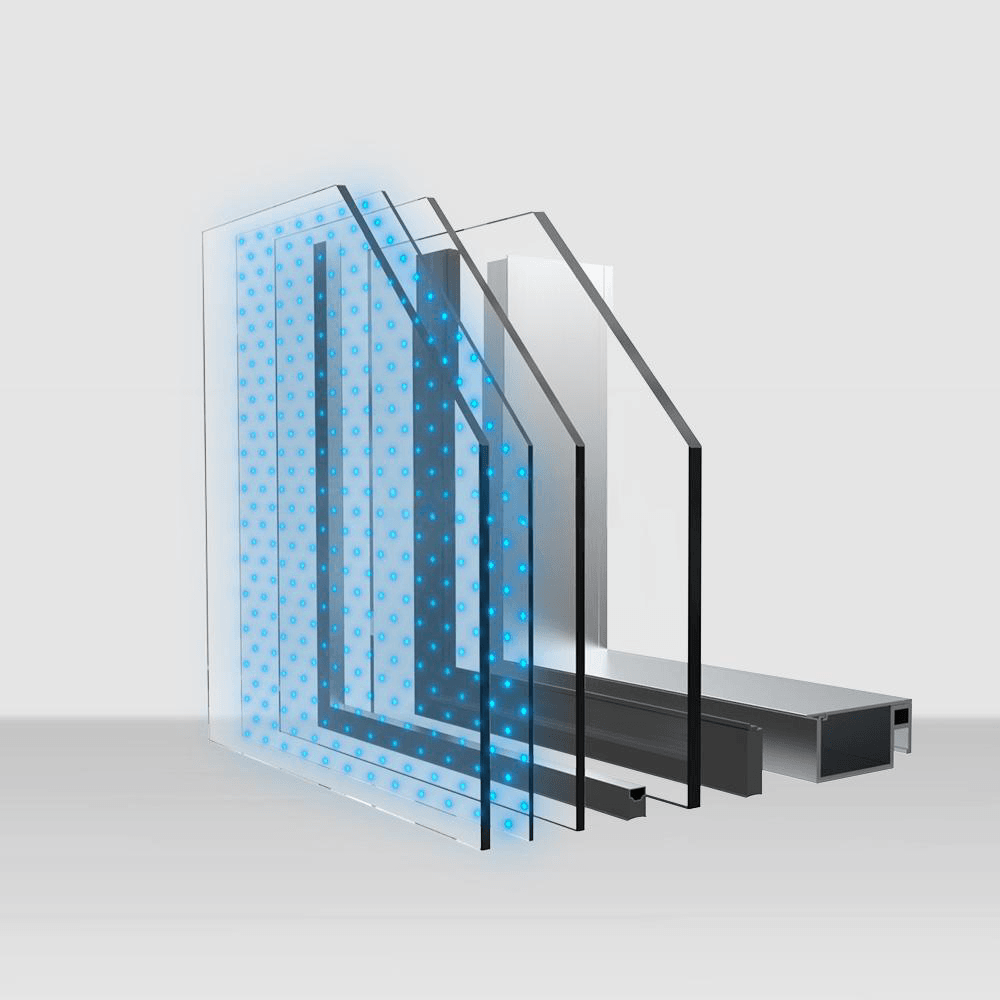
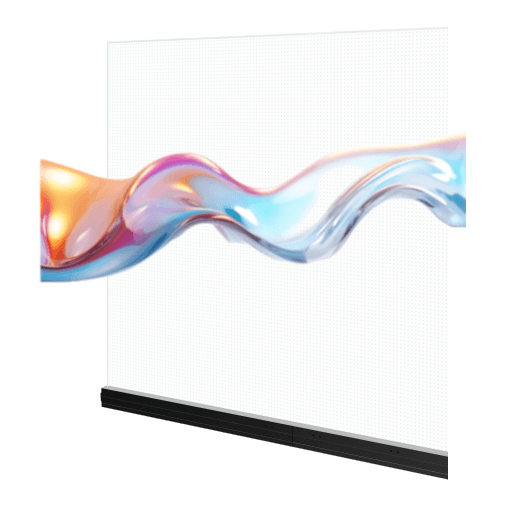
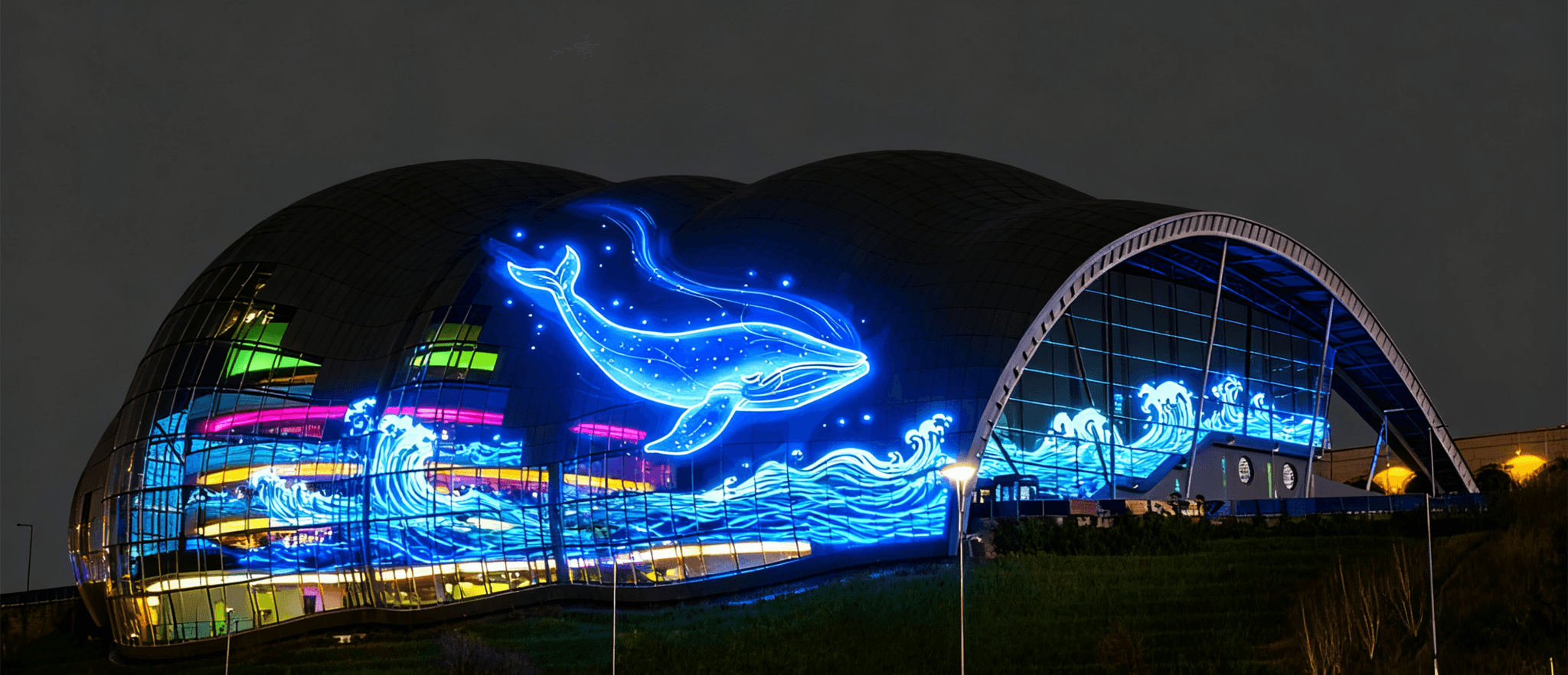
LED glass screens sit in a special place in the transparent display world. Unlike a transparent LED screen that mounts in front of glass, LED glass is the glass—a laminated safety panel with LEDs integrated into the structure. When it’s done properly, the result looks architectural in daylight and becomes a media surface at night, without hanging “a screen” on the building.
This page is written for real projects: architects, façade consultants, contractors, and integrators who need a clear, technical understanding of what LED glass is, where it fits, and what to watch for.
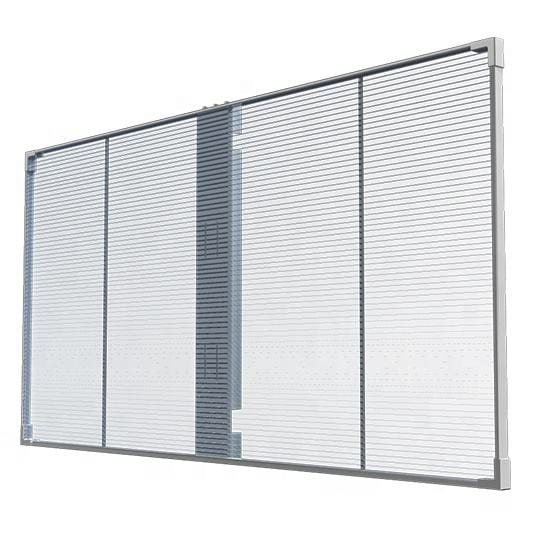
An LED glass screen (also called transparent LED glass or LED smart glass) is a laminated glass panel—typically tempered glass + interlayer (PVB or SGP) + embedded LED circuitry—manufactured as a safety glass unit.
It’s closer to a façade material than a digital sign.
Key difference vs. transparent LED screens:
This is why LED glass is popular for high-end architecture where the visual finish matters as much as the content.
Building façades & feature glazing When you want the media effect but still want a clean, “built-in” glass look.
Airports, stations, museums These projects usually require durable materials, safety standards, and clean integration.
Corporate lobbies & premium interiors LED glass works well for statement walls, entrances, and atrium features—especially when the display should feel like part of the interior design.
Retail flagships (high-end only) If a luxury brand wants a window display that looks like pure glass during the day, LED glass can be the right tool.
A typical LED glass quote can look “complete” while still missing the most important technical points. Here’s what to focus on.

For real projects, the glass build must align with the façade engineer’s requirements:
This matters more than many people realize.
In many architectural projects, SGP is preferred when the LED glass panel is part of a structural glazing system or must meet stronger performance requirements.
With LED glass, “transparency” is a design balance between:
If transparency is pushed too high, the visuals can look thin from a distance. If LED density is increased, transparency decreases. For most architectural applications, we recommend choosing based on typical viewing distance and content style (brand patterns, lines, gradients, large typography work better than small text).
LED glass is often used in areas with significant ambient light. You’ll want to specify brightness realistically based on:
LED glass is a building material. That means:
A good LED glass system is designed so that electronics and control elements are serviceable without dismantling the entire façade.
If you treat LED glass like “just a display,” the project usually runs into trouble. Treat it like glazing + electrical + control system, and it works smoothly.
1) Panel sizes and logistics Large glass panels have transport and handling limits. This affects module segmentation and design.
2) Cable exit points and concealment Where the power and data leave the glass—and how they’re hidden—makes a big difference to final aesthetics.
3) Control cabinet placement LED glass projects need control/driver placement that’s accessible, ventilated, and code-compliant.
4) Thermal environment Glass façades can heat up. You want smart power management and heat control designed into the system.
5) Compliance & documentation For US/EU projects, you’ll usually need:
ChinaLEDScreens supports these documentation requirements because LED glass projects almost always run through contractors and consultants.
If you’re deciding between common transparent display options, here’s the practical view:
Because LED glass typically trades pixel density for transparency and aesthetics, the content style matters. The best-performing visuals usually include:
If you load LED glass with tiny text or overly detailed images, it usually looks weaker than expected. We can provide content guidelines and pixel pitch recommendations based on your viewing distance.
LED glass requires both glass engineering and display engineering. Clients typically choose us because we cover both sides properly:
We’re happy to be direct: if LED glass isn’t the right fit for your budget, brightness, or timeline, we’ll recommend a better alternative early.
Exact values depend on your project, but here are common ranges:
| Item | Typical Range |
|---|---|
| Transparency | 70–90% (depending on design) |
| Brightness | Often 1,500–5,000 nits (project-specific) |
| Glass Type | Tempered laminated glass |
| Interlayer | PVB or SGP |
| Panel Size | Customized to façade constraints |
| Use | Indoor / semi-outdoor / façade (as designed) |
| Control | Sync / async, CMS-supported |
| Maintenance | Planned access from defined zones |
Is LED glass safe and structural? Yes—when designed as laminated safety glass to your local standards and project requirements.
Can it replace normal glass panels? In many projects, yes. But this must be confirmed by the façade engineer based on load, fixing, and glazing system.
Is LED glass suitable for direct sunlight? It depends on required brightness and glass orientation. For strong sunlight storefront windows, transparent LED modules may be more effective.
Can it be repaired easily? It requires a planned service approach. Good designs place electronics and control components for accessible maintenance.