Talk To Our Expert, Get A Solution in 20 minutes
Share your LED screen needs. Our experts will provide solutions and a quick response.

Explained clearly by a seasoned LED display expert
Transparent LED screens have become a standard choice for retail and commercial spaces where you want digital content on glass without sacrificing visibility or daylight. If you walk through any major shopping district today and see windows playing video while still looking like windows, that’s transparent LED — and there’s a reason it has become so common.
This page gives you a straightforward, engineering-level understanding of the technology based on what we’ve learned over 14+ years of designing, manufacturing, and supporting transparent LED installations at ChinaLEDScreens.
I’ll keep the explanations practical and honest — the way I’d explain them to an architect or integrator reviewing a project.
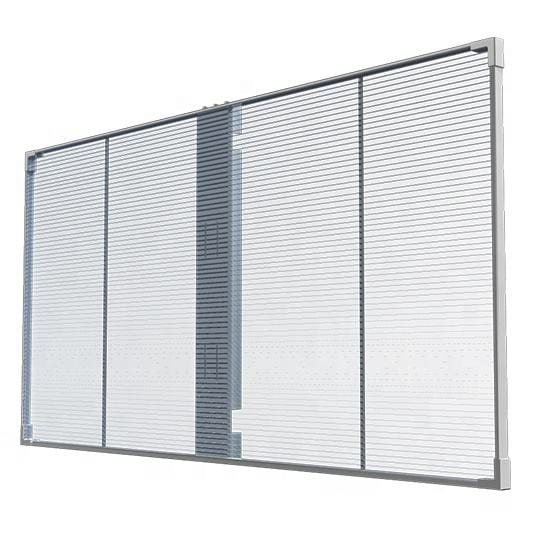
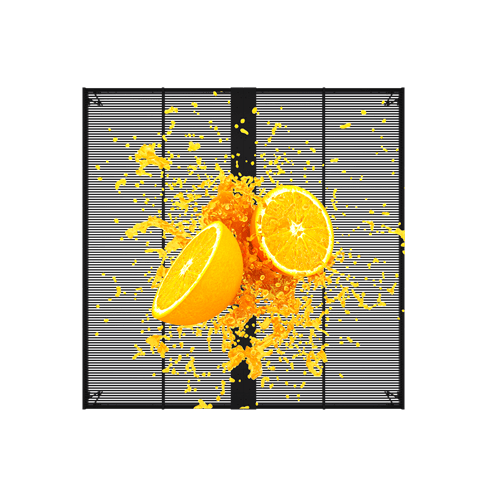
A transparent LED screen is a display made of thin LED strips with space between them. Those spaces are what allow you to see through the screen.
There’s no “transparent LED chip.” No special glass magically making images appear.
It’s simply smart structural design. LED strips create the image. The empty space creates the transparency.
When done correctly, you get:
That’s why transparent LED works so well for windows, atriums, and anywhere you don’t want a big opaque screen.
Here are the places where transparent LED consistently performs well:
This is the number one application worldwide. Retail brands like transparent LED because they can run campaigns while still letting customers see the product displays behind the glass.
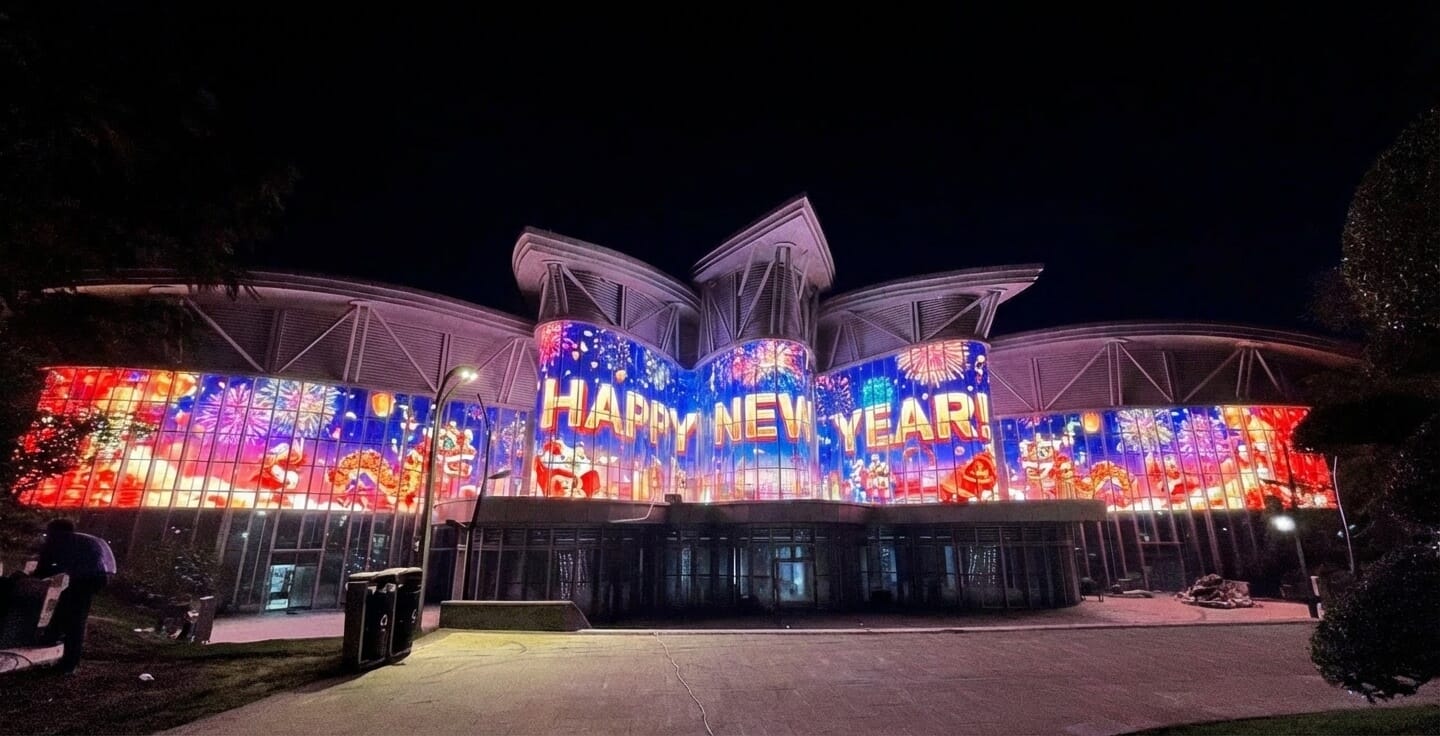
Mall atriums, railings, and glass balconies often use transparent LED because it doesn’t visually close off the space.
When a building has huge glass surfaces, transparent LED gives you media capability without destroying the façade.
Auto dealers, electronics stores, and galleries use transparent LED to add motion or branding without blocking sightlines.
Good for offices or showrooms that want dynamic content without turning a transparent divider into a wall.
If your project involves glass and you want to “add content without losing openness,” this technology fits.
There are many numbers in LED spec sheets. Only a few of them truly affect performance.
Here’s what you should pay attention to:
Measured in nits. This determines daylight visibility.
If sunlight hits the glass directly, brightness becomes the first thing to decide.
How close the LEDs are to each other. Affects clarity and viewing distance.
You don’t choose pitch based on “the latest model.” You choose based on how far viewers stand.
The percentage of open space.
Retail usually aims for 65–75% transparency. Architectural façades may go 80–90%.
It’s a balance — more transparency means fewer LEDs, so image clarity goes down.
Transparent LED systems are light compared to traditional LED.
Most installations fall between 7–12 kg/m², which is friendly for most glass structures.
This is often overlooked but critical.
Retail windows usually need front service, meaning the technician works from inside the store.
Façades may allow rear service.
Transparent LED is simple in principle, but installation must be handled correctly.
Here are real-world considerations:
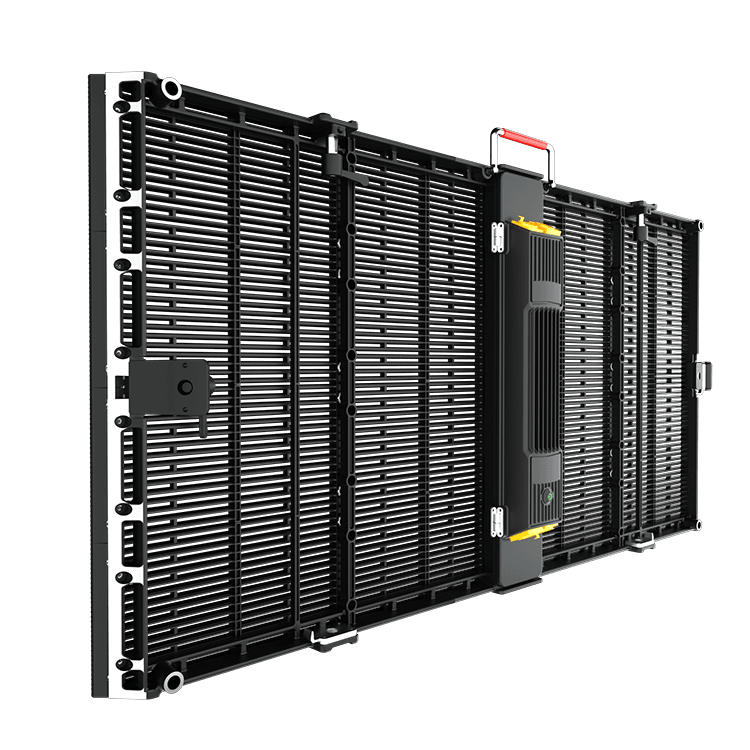
Even though the screens are light, they still require a proper mounting system — usually slim aluminum frames or brackets that sit close to the glass.
Cables must be handled cleanly so they don’t distract from the transparency. Good planning makes a huge visual difference.
Transparent LED breathes well due to the open structure, but enclosing it inside sealed glass can cause heat buildup.
Especially on multi-panel installs, maintaining straight horizontal lines is crucial for clean visuals.
Tempered glass is fine. Laminated glass is fine. But some coated or double-glazed structures may require adjustments.
These are the details that determine whether the final result looks premium or improvised.
Transparent LED screens are a good fit if you want:
If that describes your project, transparent LED is the most proven option.
Transparent LED is not the solution if:
A lot of confusion in the market comes from mixing these categories. Each of the six has a specific role — transparent LED screens are the “workhorse” category, but not universal.
A quick comparison based on practical factors:
| Technology | Visibility | Brightness | Structure Required | Best Use |
|---|---|---|---|---|
| Transparent LED Screens | Good | Very High | Light frame | Retail / windows |
| LED Glass | Excellent | Medium | Glass replacement | Architecture |
| LED Film | High | Medium | Frame/lamination | Interiors |
| Adhesive Film | Very High | Medium-Low | No frame | Small/medium windows |
| Holographic LED | Very High | Low | Minimal | Premium showrooms |
| Mesh LED | Medium | Very High | Steel/outer structure | Big façades |
Transparent LED screens win when your priority is brightness + visibility + durability.
Here’s what actually matters to a project team:
We control chip selection, driver IC, transparency structure, and PCB design.
Documentation, EMC compliance, installation drawings — these aren’t afterthoughts.
If a product won’t work for your brightness, viewing angle, or structure, we say so.
From wiring diagrams to on-site guidance, we stay involved.
Misalignment, moisture issues, low-brightness installs — we know how to avoid them.
This is why integrators and contractors prefer working with a factory that understands real conditions, not just catalog specifications.
(Actual ranges — customized configurations available)
| Parameter | Range |
|---|---|
| Pixel Pitch | P2.6–P31.25 |
| Transparency | 60–90% |
| Brightness | 3,000–10,000 nits |
| Weight | 7–12 kg/m² |
| Module Size | 500×1000mm / custom |
| Power | 300–800W/m² max |
| Maintenance | Front or rear |
| Installation | Frame, brackets, hanging |
Yes. That’s the core function of the product.
If brightness is chosen correctly, yes.
No — open structure allows ventilation.
Yes. The system is fully modular.
Yes. Also you can use LED Film for curves.
Send us:
We’ll recommend the correct pitch, brightness, and structure — usually within a few minutes.