Talk To Our Expert, Get A Solution in 20 minutes
Share your LED screen needs. Our experts will provide solutions and a quick response.

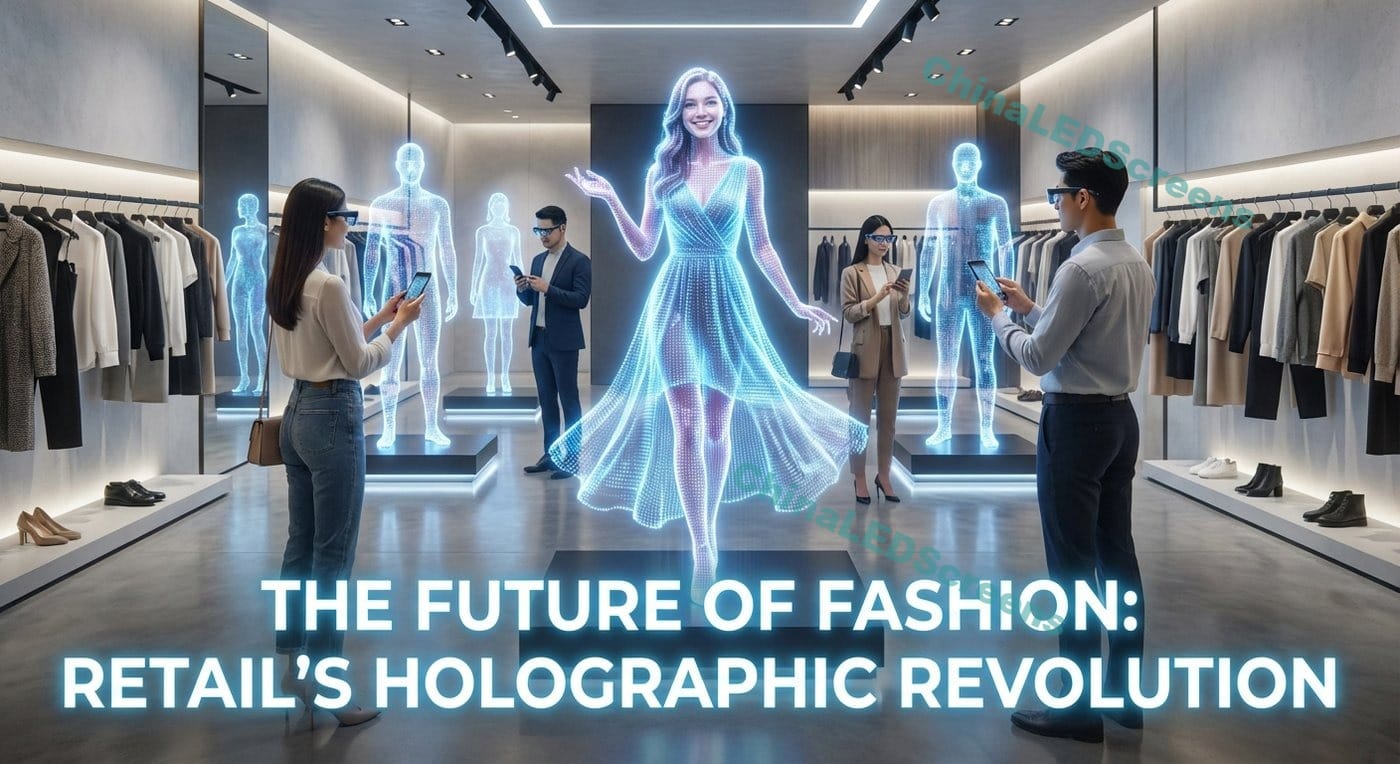
Mannequins are great at one thing: always being there. But modern retail needs windows that behave like media—switching narratives by time of day, product drops, and local events. That creates three friction points with physical mannequins:
A holographic LED model replaces that static constraint with a programmable asset. You can run a morning commuter message, a lunchtime product highlight, and an evening “hero loop” with different models and styling—without changing the physical set.
In practice, the term gets used loosely. In projects, it usually falls into three technical paths:
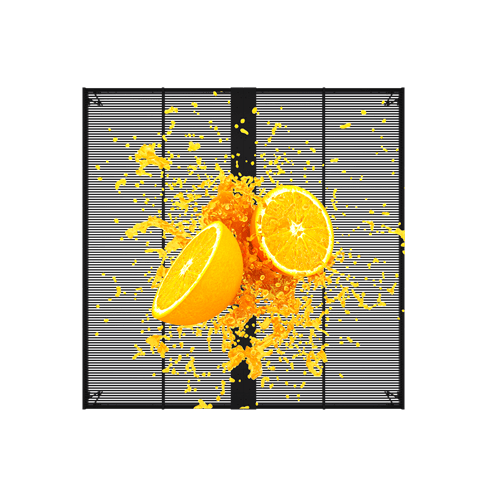
A holographic LED screen is typically a sparse LED pixel structure designed to keep transparency high. When you play bright elements on dark backgrounds, viewers perceive the content as floating “in front” of the space behind it—this is the core mechanism described in holographic LED explainers. (Transparent LED Screens Display)
For virtual mannequins, this is gold: you can render a life-size model with crisp edges and let the real store interior remain visible. When the content stops, the window returns to glass—minimal visual penalty. (This “clear when idle, unforgettable when on” positioning is exactly why holographic LED is being adopted for premium windows.) (Transparent LED Screens Display)
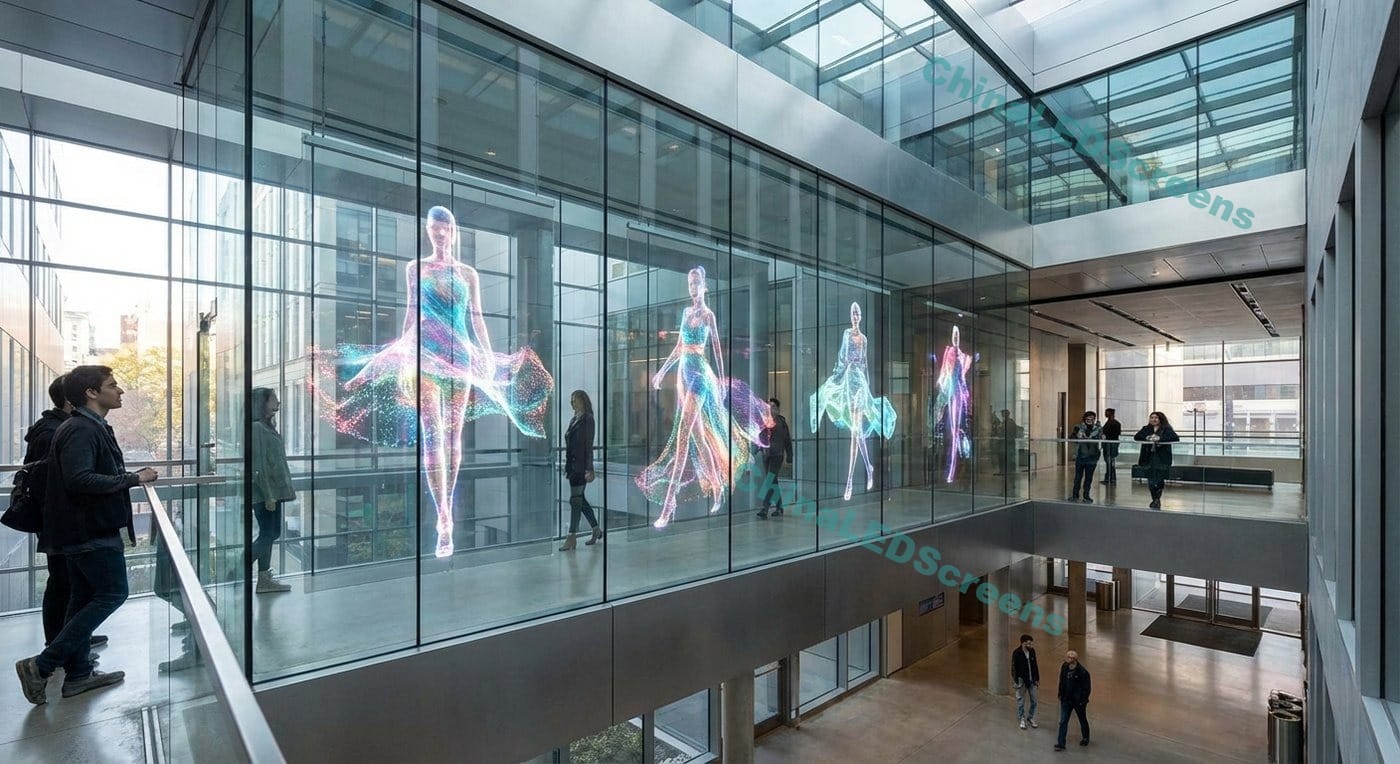
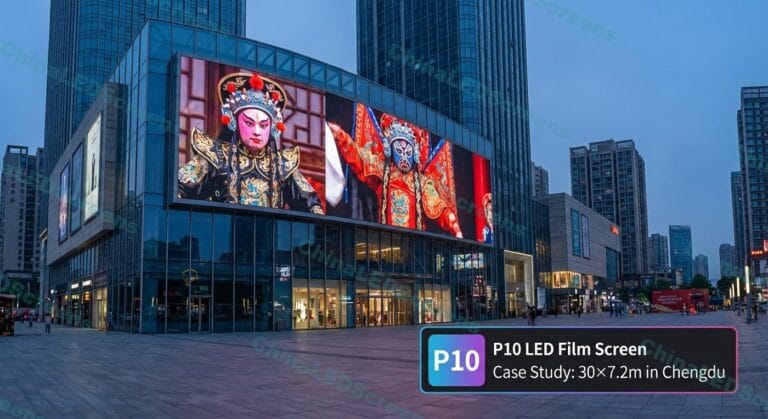
LED film screens are engineered to do one job well: turn glass into a digital surface without turning the space behind it into a sealed box. (Transparent LED Screens Display) Compared with rigid cabinets, film is often faster to deploy on interior-facing glazing and can tile edge-to-edge for a large media wall.
If your goal is “virtual mannequins,” film excels when the model is part of a broader narrative—runway loops, brand animations, price callouts—while keeping daylight and sightlines.
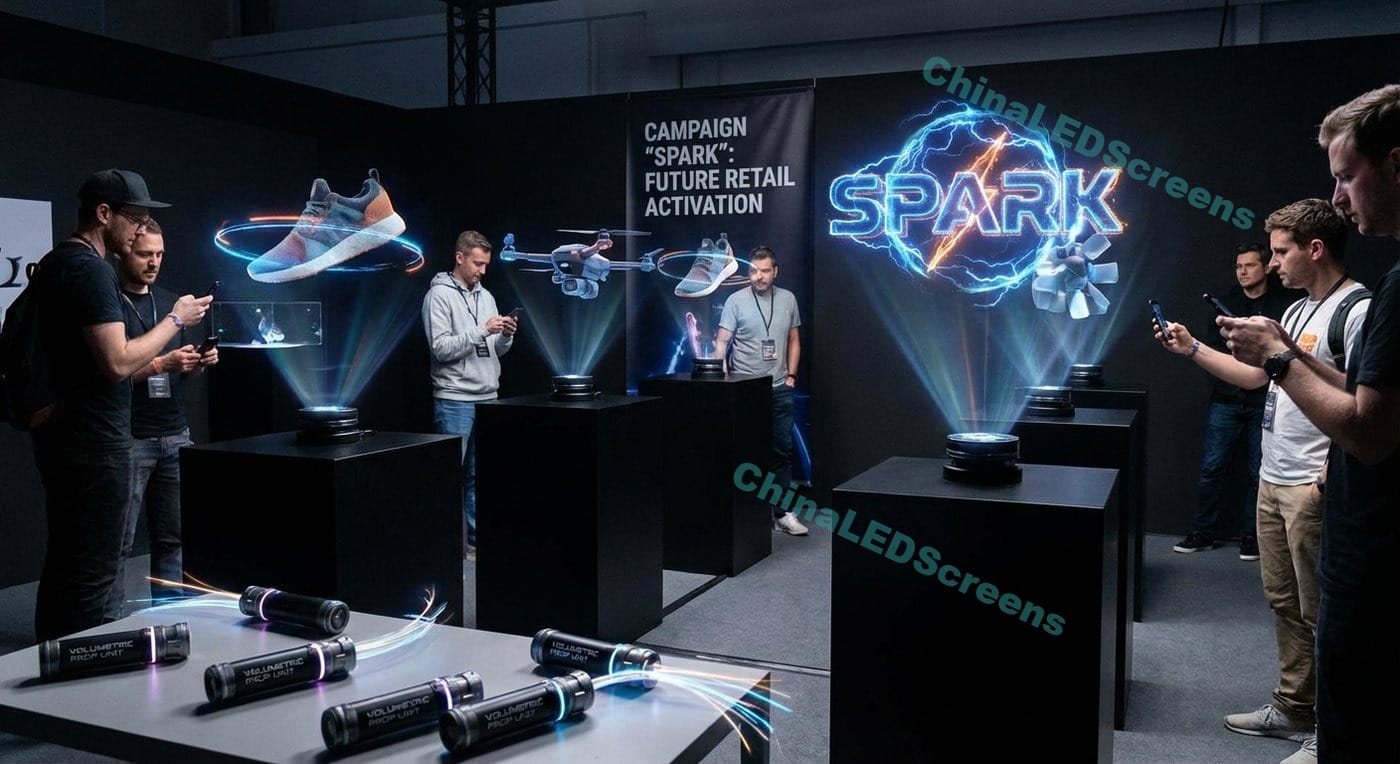
Hologram fans create an illusion of 3D objects floating in air; they’re mainly intended for advertising and marketing in malls, airports, and public areas. (HAMK Unlimited) This is less “architectural glass” and more “attention hook.” For mannequin replacement, it’s usually a secondary layer: a prop inside the window that plays one hero visual, while your glass display carries the full story.
Best fit: Holographic LED screen or LED film (depending on transparency and pitch needs). Your priority is not just brightness—it’s perceived premium. For luxury, the window must feel like architecture first. That’s why high transparency and clean “off-state” matter.
Use cases that win:
Best fit: Holographic LED screens where close viewing distances require tight control of content contrast. (Transparent LED Screens Display) In these environments, the viewer is slower and closer, so you can deliver higher perceived quality with controlled lighting.
If your layout includes corners or wrap zones, prioritize systems that can align cleanly and keep cabling disciplined. For other transparent façade formats, mesh/strip approaches exist, but for “virtual models,” the key is the human silhouette readability at distance.
This is where most “virtual mannequin” projects either succeed or look cheap.
The “holographic” effect depends on high transparency + strong contrast content. (Transparent LED Screens Display) That means:
Life-size models must be proportionally correct. When scale is wrong, the viewer instantly reads it as “a screen playing a person,” not “a person in the space.” Practical rule: decide if it’s 1:1 fashion model or stylized digital character—don’t accidentally land in-between.
Luxury brands win with restraint:
Use auto-dimming schedules and store rules:
Whether it’s creators filming or customers sharing, camera-friendly playback matters. High refresh and stable control reduce visible artifacts; more importantly, avoid patterns that cause banding in phone videos. (Your marketing team will thank you.)
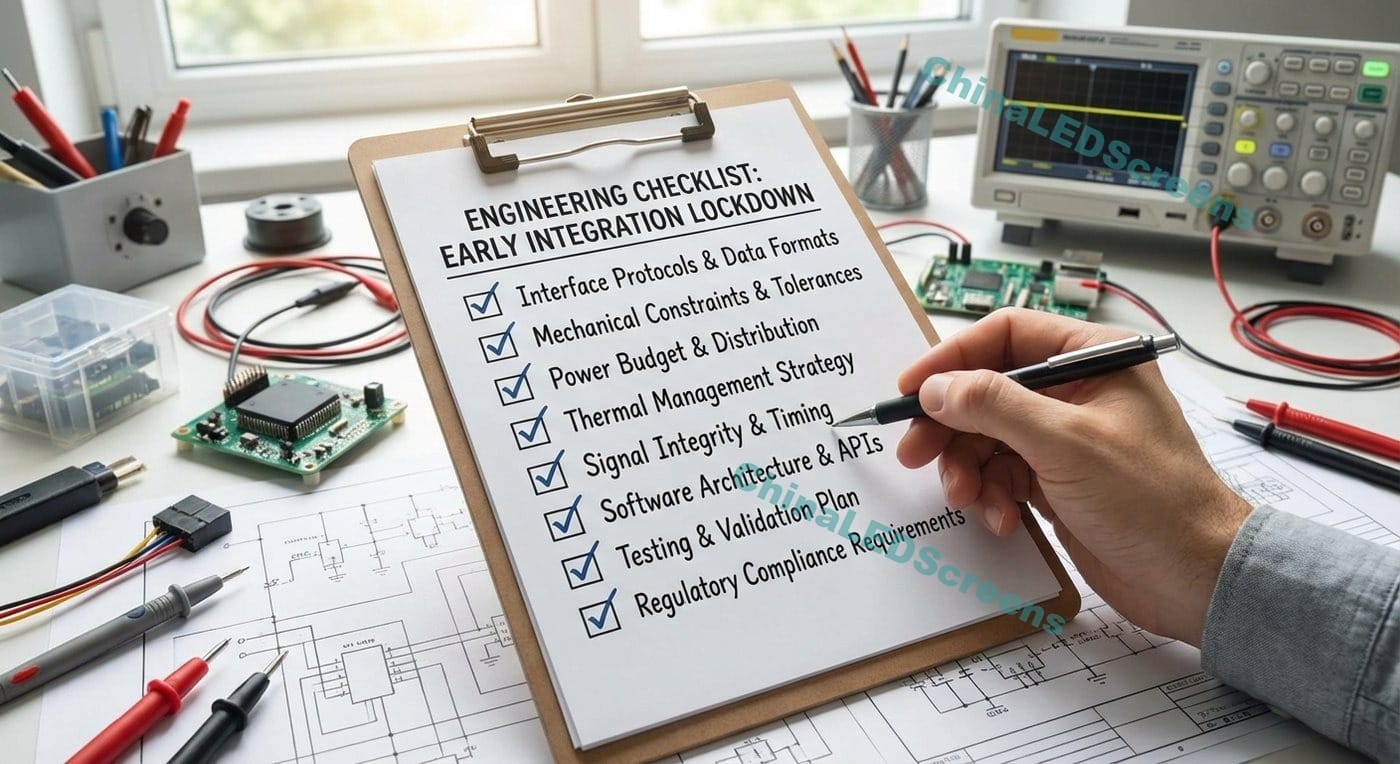
Most commercial deployments want a mature control ecosystem for scheduling and stability. For mesh-style façades, control compatibility often highlights category-standard processors like NovaStar; similar expectations show up across transparent display deployments. (Transparent LED Screens Display) Operationally, the win is this: marketing can change campaigns like swapping a playlist, not rebuilding a window.
Your service plan should specify:
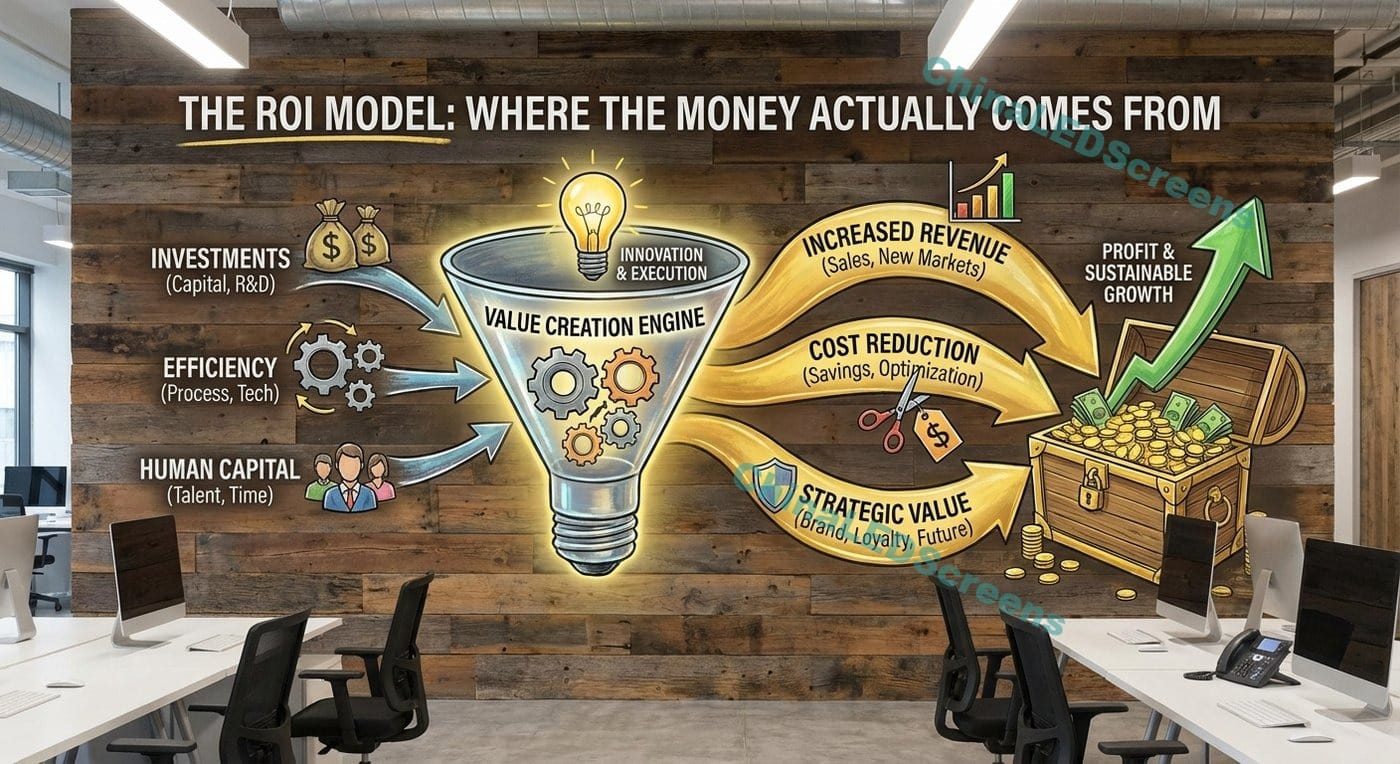
“Replacing mannequins” isn’t only a capex story. It’s an operations + marketing performance story.
Brands selling holographic retail solutions emphasize outcomes like driving traffic, increasing brand awareness, and revenue lift from attention-based visuals. (HYPERVSN) To measure ROI without guessing:
Week 1: Define success
Week 2: Prototype content rules
Week 3: Install + commission
Week 4: Measure + iterate
In many stores, yes—especially if your primary goal is storytelling and campaign rotation. Some brands still keep 1–2 physical mannequins for tactile realism and use virtual models for motion and rapid refresh.
If your goal is the strongest “floating” effect and premium illusion, holographic LED content rules matter most. (Transparent LED Screens Display) If your goal is turning large glass into a digital surface while staying lightweight and fast to install, LED film is often the practical choice. (Transparent LED Screens Display)
Treating content like normal signage. Virtual mannequins need contrast-first, human-scale, calm motion, and a strong night policy to feel premium. (Transparent LED Screens Display)
If you share these 6 inputs, we’ll suggest a pitch + layout + content rules:
Contact ChinaLEDScreens: https://chinaledscreens.com/