Talk To Our Expert, Get A Solution in 20 minutes
Share your LED screen needs. Our experts will provide solutions and a quick response.


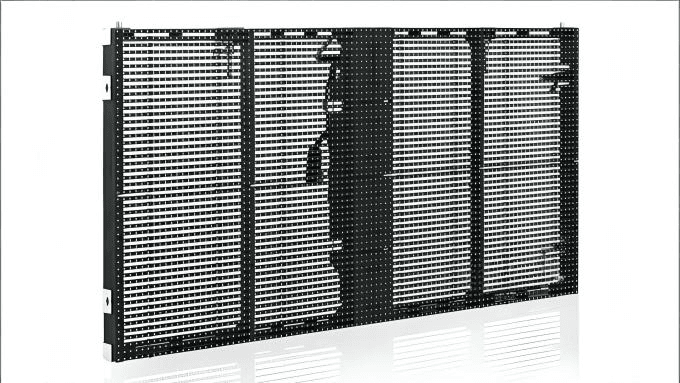
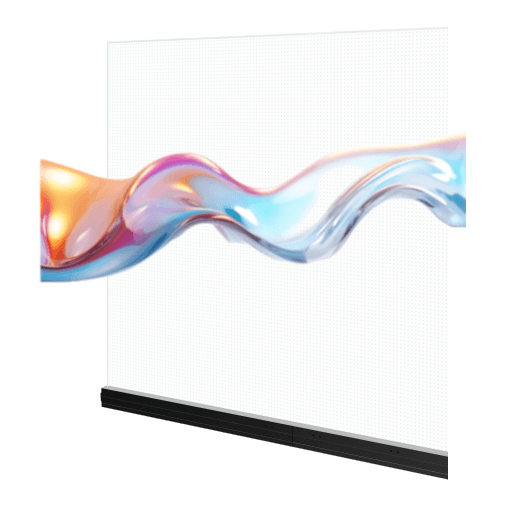
This is the most widely used transparent LED category.
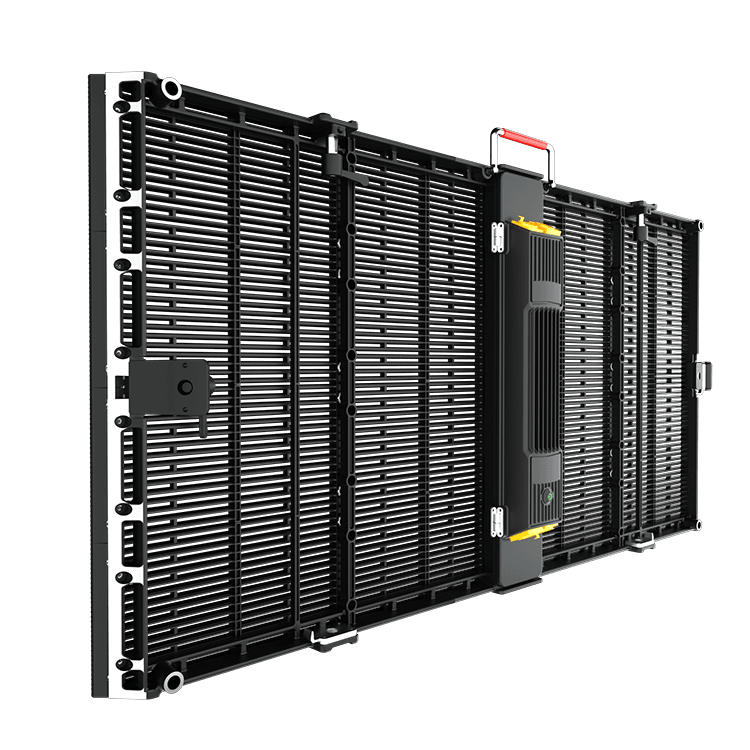
It consists of modular cabinets or strip-based panels with high brightness and stable performance.
Where it works well:
etail windows
Shopping mall atriums
Glass partitions
Indoor/outdoor mixed environments
Strengths:
High brightness (3,000–8,000 nits)
Good structural stability
Easy to service (front or rear)
Broad pixel pitch options
Limitations:
Not the best choice for luxury interiors or projects requiring a seamless glass finish.
👉 More details → Transparent LED Screens Guide
👉 More details → Transparent LED Screens Products
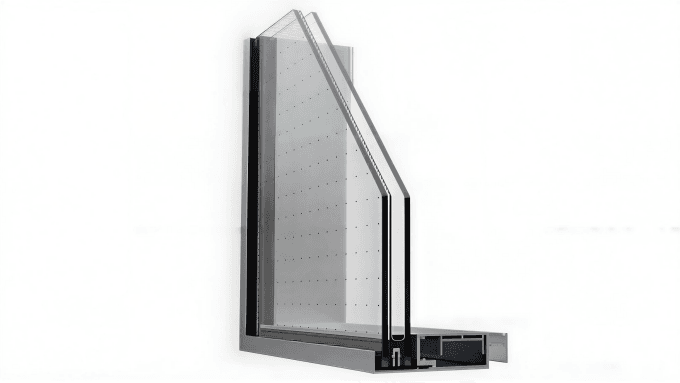
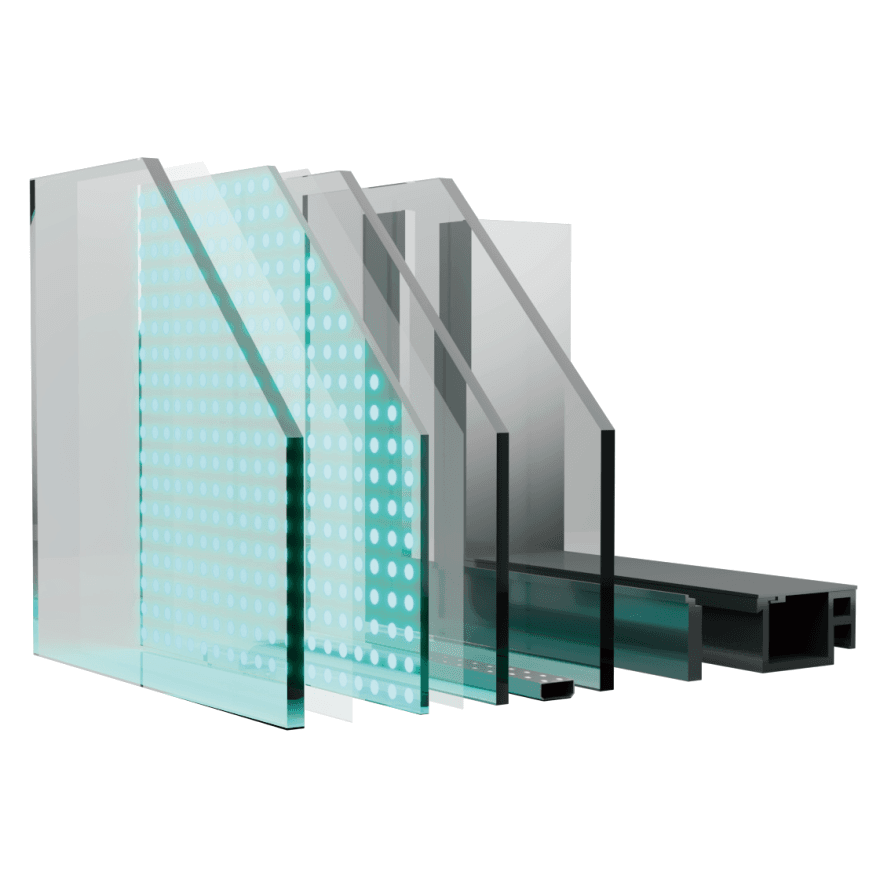
This isn’t a “screen in front of glass” — the LEDs are laminated inside tempered or SGP-glass layers.
If you want the display to look like a piece of architectural glass rather than a mounted system, this is the correct product.
Where it works well:
Airports
Museums
Premium façades
Environments requiring very clean aesthetics
Strengths:
Integrated, permanent solution
High safety rating
No visible structure
Long lifespan
Limitations:
Higher cost
Requires coordinated planning with façade engineers
👉 More details → LED Glass Screens Guide
👉 More details → LED Glass Screens Products
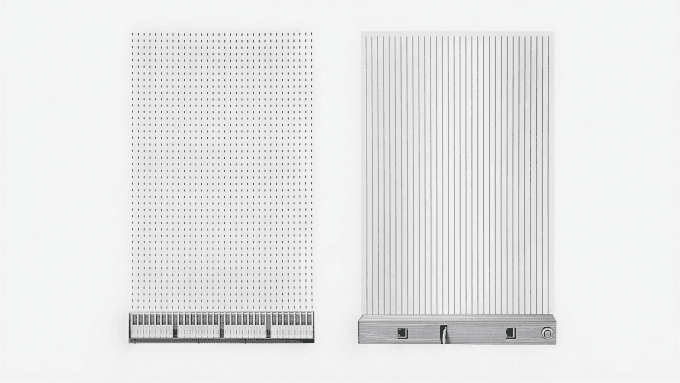
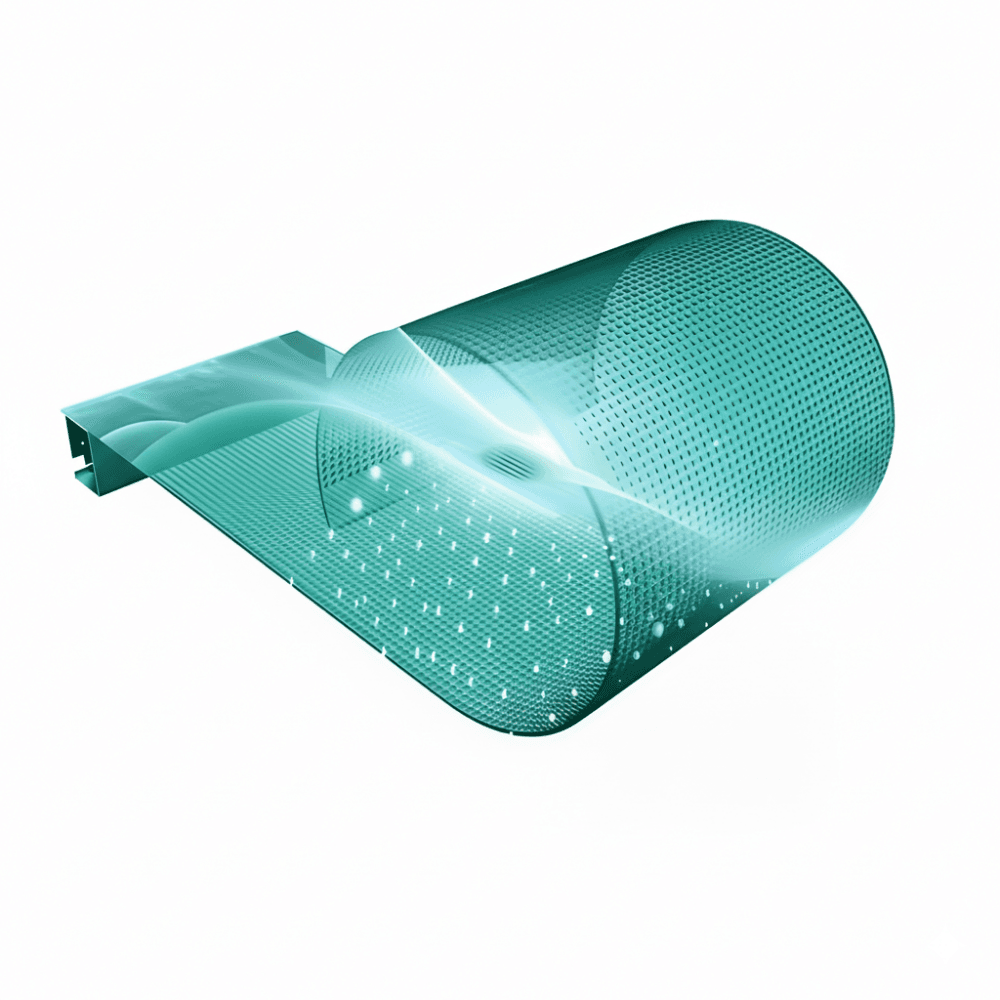
LED film is extremely thin and lightweight. It is usually installed using brackets, tension frames, or laminated within glass.
Where it works well:
Large glass walls
Corporate lobbies
Indoor architectural projects
Places where weight load must remain low
Strengths:
Very light
High transparency
Can be curved or customized
Good for oversized surfaces
Limitations:
Lower brightness than rigid transparent LED
Requires skilled installation to avoid wrinkles or tension issues
👉 More details → LED Film Screens Guide
👉 More details → LED Film Screens Products
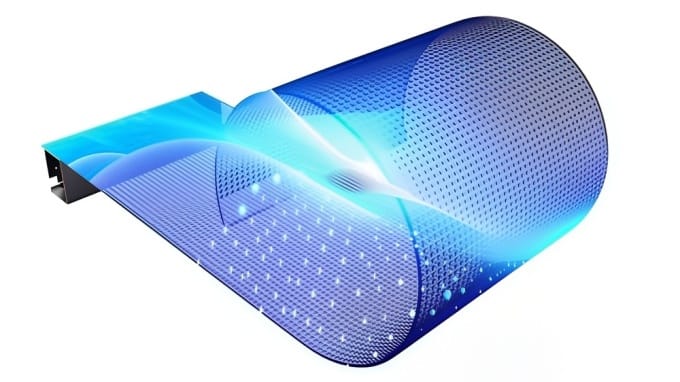
This is LED film with an added self-adhesive layer. Instead of frames or lamination, it is directly applied to the glass surface.
Where it works well:
Large glass walls
Corporate lobbies
Indoor architectural projects
Places where weight load must remain low
Strengths:
Very light
High transparency
Can be curved or customized
Good for oversized surfaces
Cost Efficient
Limitations:
Lower brightness than rigid transparent LED
Requires skilled installation to avoid wrinkles or tension issues
👉 More details → LED Film Screens Guide
👉 More details → LED Film Screens Products
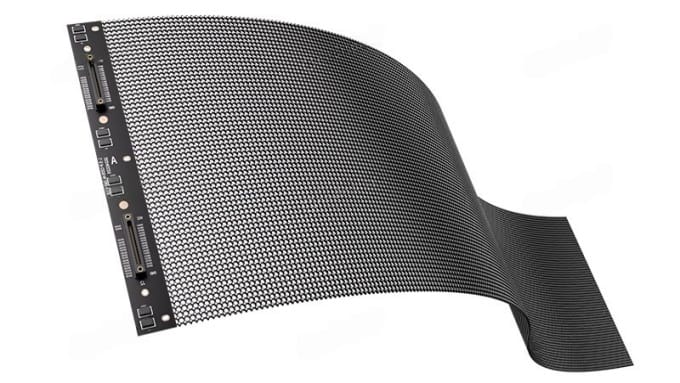
These are lightweight LED grids designed to create a hologram-like “floating” image effect. Not a replacement for high-brightness transparent LED, but a specialized display for premium environments.
Where it works well:
High-end retail
Showrooms
Exhibitions
Spaces prioritizing visual effect over brightness
Strengths:
Extremely high transparency
Clean, minimal footprint
Strong visual impact at close range
Limitations:
Not suitable for environments with high ambient light
Lower brightness compared to standard transparent LED
👉 More details → Holographic LED Screens Guide
👉 More details → Holographic LED Screens Products
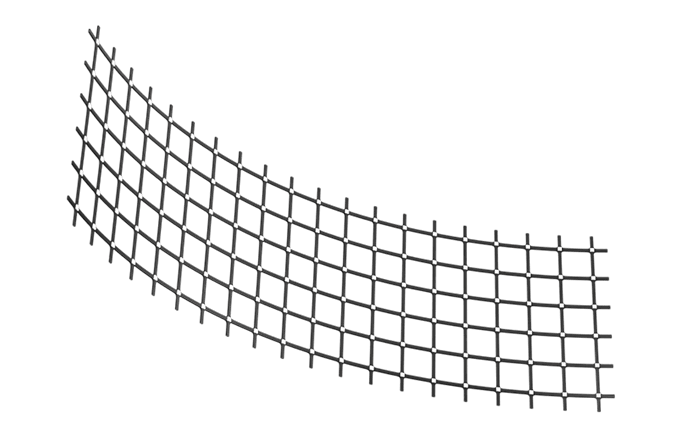
This is a flexible, net-like LED display that hangs or tensions like a curtain. It keeps airflow and visibility while creating large-scale visuals on façades or stages.
Where it works well:
Landmark façades and building media skins
Stages, touring shows, event backdrops
Atriums and suspended interior features
Curved/irregular surfaces needing wrap-around installs
Strengths:
Ultra-light, highly breathable (low wind load)
Flexible mounting (hang, wrap, tension)
Scales well for oversized areas
Strong impact from distance
Limitations:
Not ideal for close viewing or fine text
Content must be simple and high-contrast
Outdoor installs need movement + access planning
👉 More details → Mesh LED Displays Guide
👉 More details → Mesh LED Displays Products
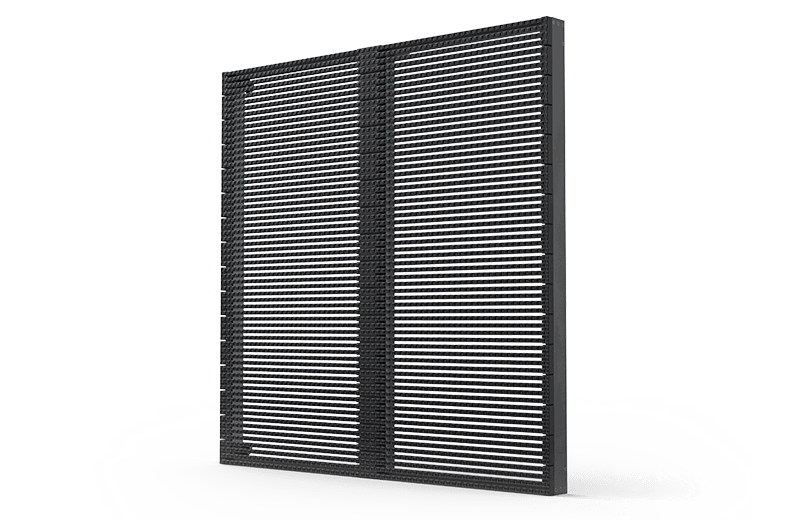
This is a rigid strip/bar LED system with open spacing. It’s built for permanent outdoor façades where wind load, weight, and clean alignment matter.
Where it works well:
Mall exteriors, towers, stadium skins
Large outdoor building façades
Projects needing stable, architectural alignment
Strengths:
Lower wind resistance than cabinet LED walls
Lighter at scale, easier for façade engineering
Outdoor brightness with good ventilation
Cleaner, more rigid look than mesh curtains
Limitations:
Less flexible for irregular shapes than mesh
Not for close-range high-resolution viewing
Requires proper sub-structure and service access
👉 More details → Grille LED Screen Guide
👉 More details → Mesh LED Displays Products
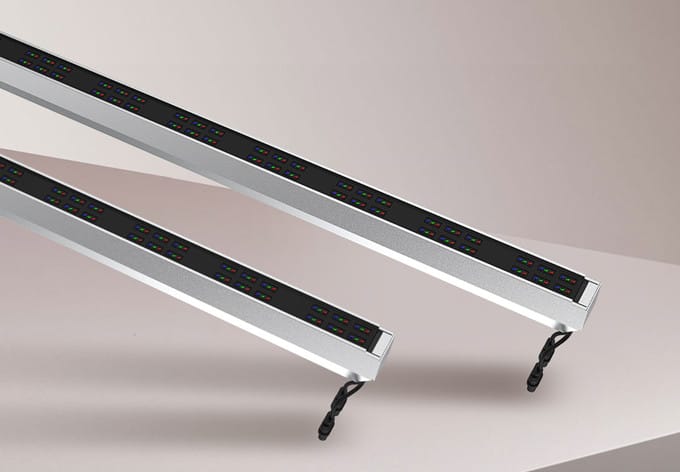
These are pixel-addressable linear strips for animated building lines—waves, chases, gradients, and branded motion effects along edges and outlines.
Where it works well:
Rooflines, corners, canopies, entrances
Architectural accent lines on façades
Bridges, plazas, retail districts
Strengths:
Motion effects without a full façade screen
Integrates easily into building geometry
Great for scheduled scenes and event modes
Lower structural load than large LED screens
Limitations:
Not for detailed video—best for patterns and motion
Long runs need careful power injection planning
Outdoor quality depends on sealing and connectors
👉 More details → LED Video Light Strips Guide
👉 More details → LED Video Light Strips Products
| Technology | Transparency | Brightness | Indoor/Outdoor | Weight | Best Use-Case | Cost |
| Transparent LED Screens | 55–90% | ★★★★☆ | Both | Medium | Retail windows, malls | $ |
| LED Glass Screens | 70–99% | ★★★☆☆ | Indoor | Heavy | Architecture, façades | $$$ |
| LED Film Screens | 50–90% | ★★★☆☆ | Indoor | Ultra-light | Large glass areas | $ |
| Adhesive LED Film | 60–95% | ★★★☆☆ | Indoor | Ultra-light | Retail windows | $$$ |
| Holographic LED Screens | 50–95% | ★★☆☆☆ | Indoor | Light | Premium displays | $$$ |
| Mesh LED Displays | 40–95% | ★★★★★ | Outdoor | Medium | Media façades | $ |
| Grille LED Display | 30–80% | ★★★★★ | Outdoor | Medium | Building exteriors, Stadiums | $$ |
| LED Video Light Strip | 60–95%+ | ★★★★☆ | Outdoor | Light | Building outlines, Creative Art | $$ |
7. If you aren’t sure, send the following:
We will tell you in 5 minutes which solution fits.
We select LED chips, driver ICs, PCB layouts, and transparency ratios based on the application — not on whatever the distributor has in stock.
We provide CE, RoHS, EMC, load calculations, wiring diagrams, mounting drawings — the documents Western contractors actually need.
We’ll tell you directly if your wall, brightness requirement, or installation approach isn’t suitable for a certain product.
Design → mock-ups → manufacturing → installation → maintenance guidance.
Long enough to know what works and what commonly fails in the field.
Minimal. Transmittance typically ranges from 60%–95% depending on category.
Transparent LED screens and mesh LED can. LED film categories may require shade depending on brightness.
Average 50,000–100,000 hours, depending on chip quality and brightness usage.
Yes, but only along designated cut lines and with proper tools.
Transparent LED screens, mesh LED, and LED glass all support module or strip-level service.