Talk To Our Expert, Get A Solution in 20 minutes
Share your LED screen needs. Our experts will provide solutions and a quick response.

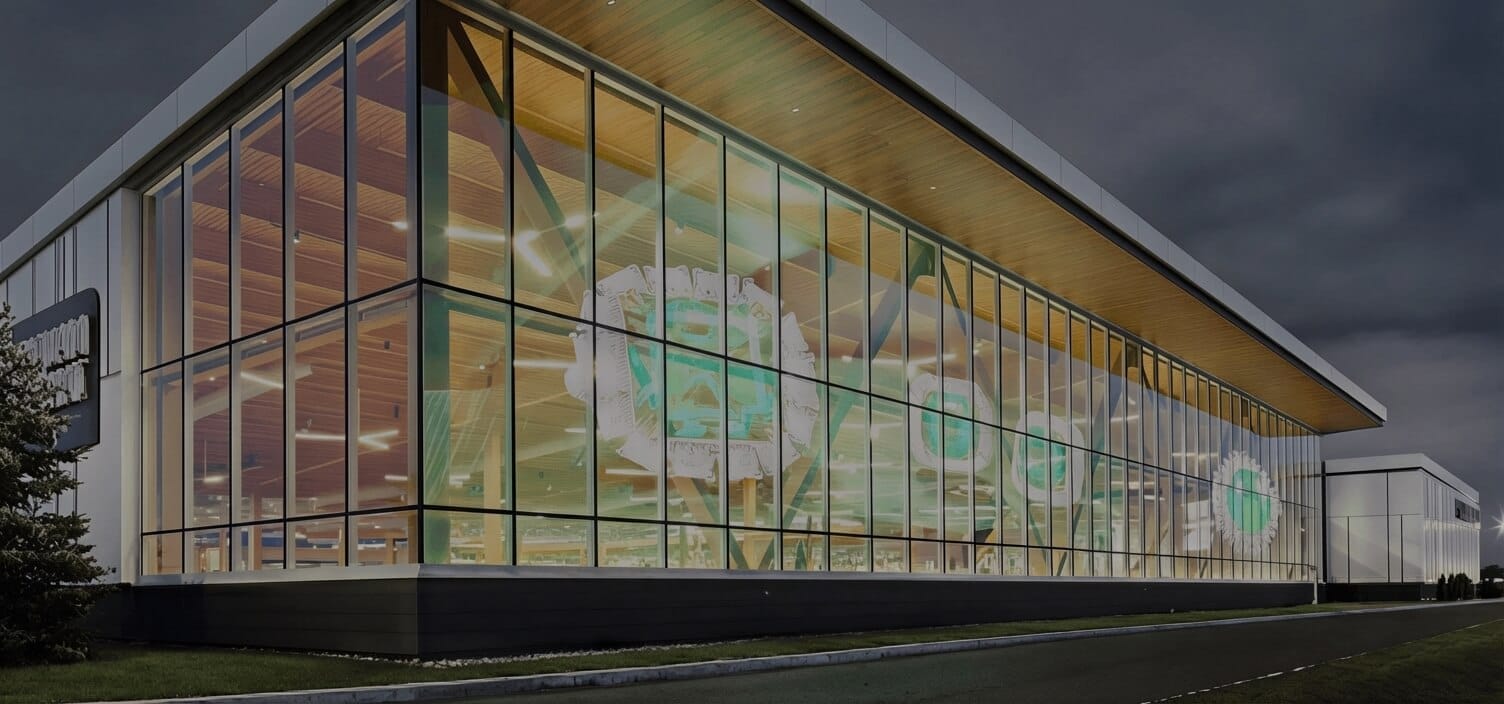
ChinaLEDScreens | Factory-direct transparent LED display solutions
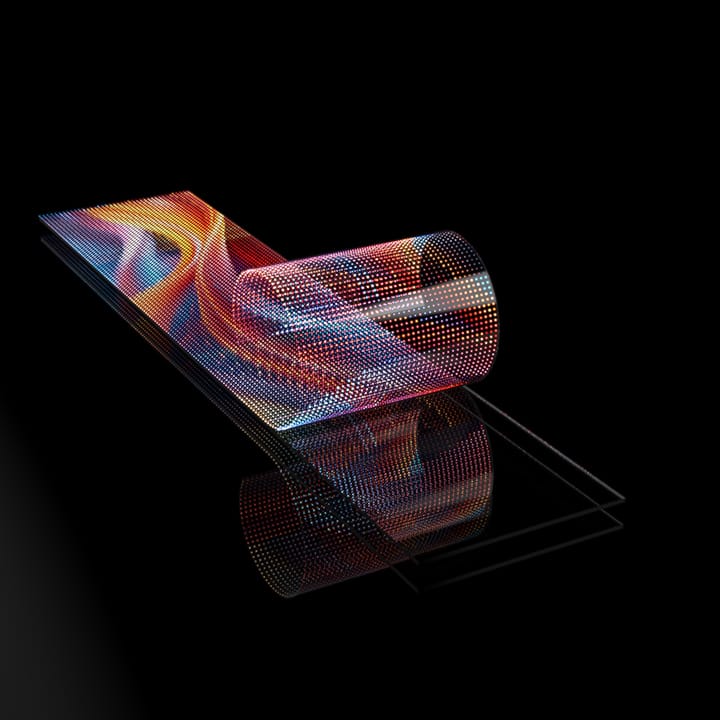
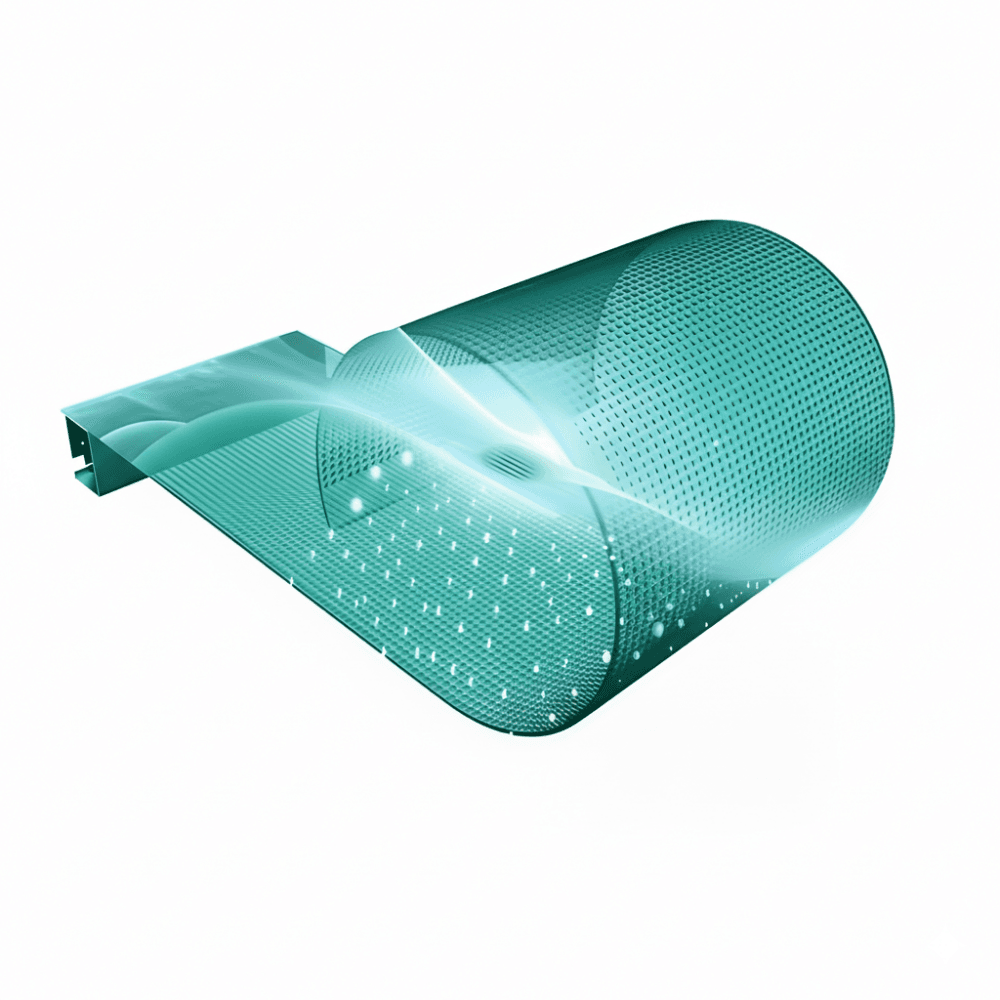
Adhesive flexible LED film is the “fast deployment” branch of transparent LED. If you want glass to stay open and bright, but you don’t want frames, cabinets, or heavy structure, self-stick LED film is usually the first category to evaluate.
In plain terms: it’s a transparent LED film with an adhesive backing, designed to apply directly to glass so your window becomes a display surface with minimal visual bulk. It’s popular with retail chains and showrooms because it’s clean looking, lightweight, and quick to roll out across multiple locations.
Adhesive flexible LED film is a transparent LED display layer designed around three practical requirements:
It’s typically used on interior-facing glass or protected glass zones where you want digital content without changing the architecture.
This product category shines when speed, cleanliness, and repeatability matter.
Perfect for campaign content, promotions, seasonal launches, price messaging, and brand visuals—without covering your merchandise or blocking the store view.
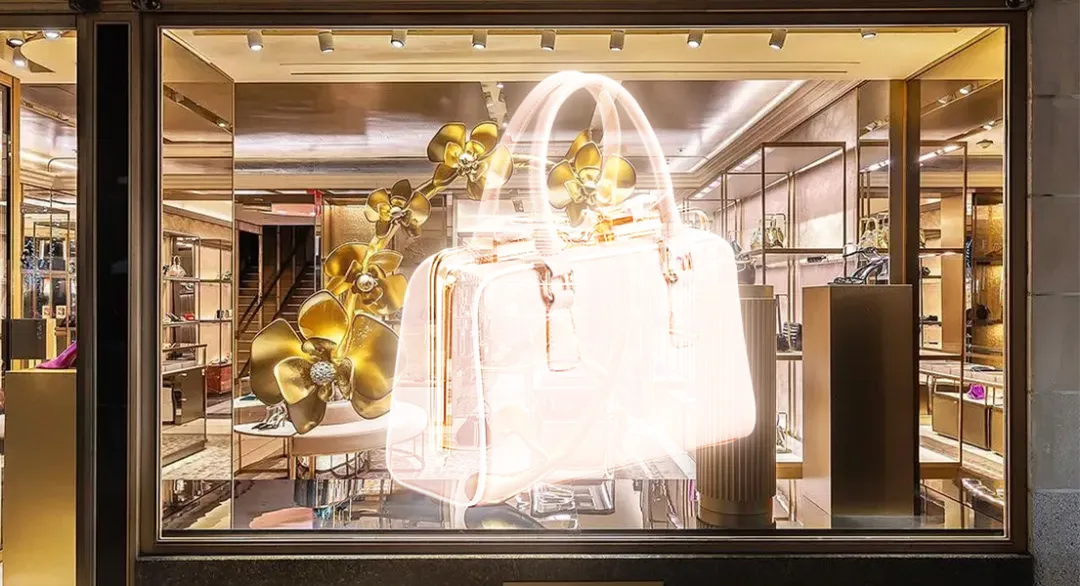
If you need the same glass display deployed to 10, 50, or 200 stores, adhesive film is often the most scalable method because installation is straightforward and consistent.
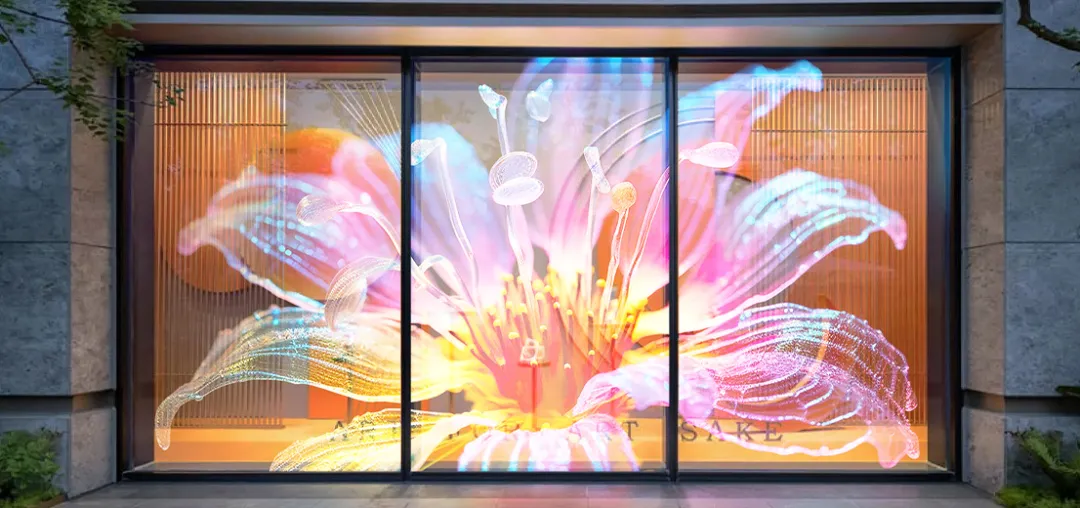
You can turn glazing and partitions into a dynamic branding layer—especially effective for “hero” moments near entrances.
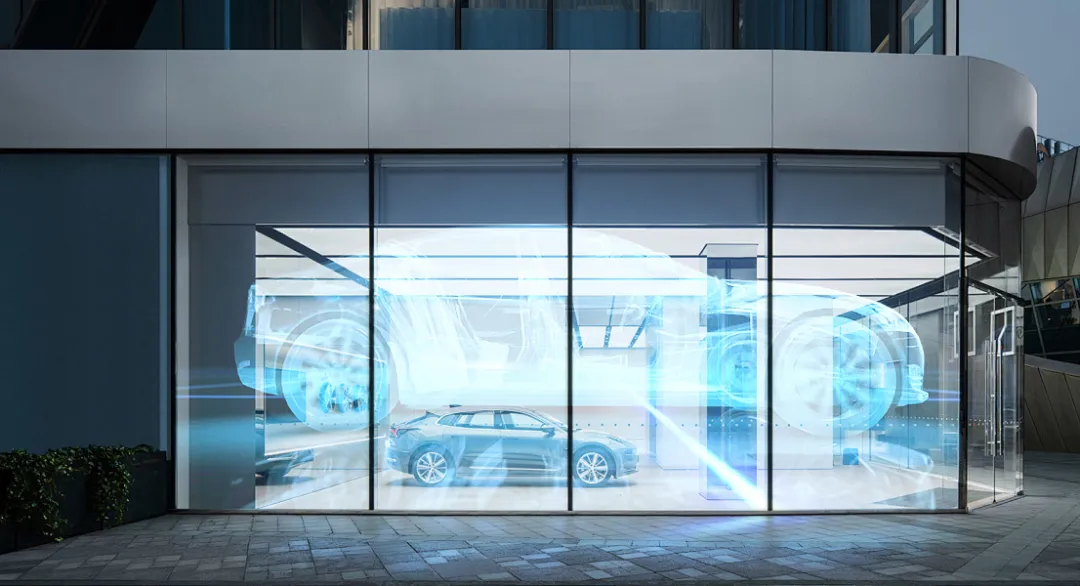
Great for transparent wayfinding, notices, and brand messaging on glass partitions.
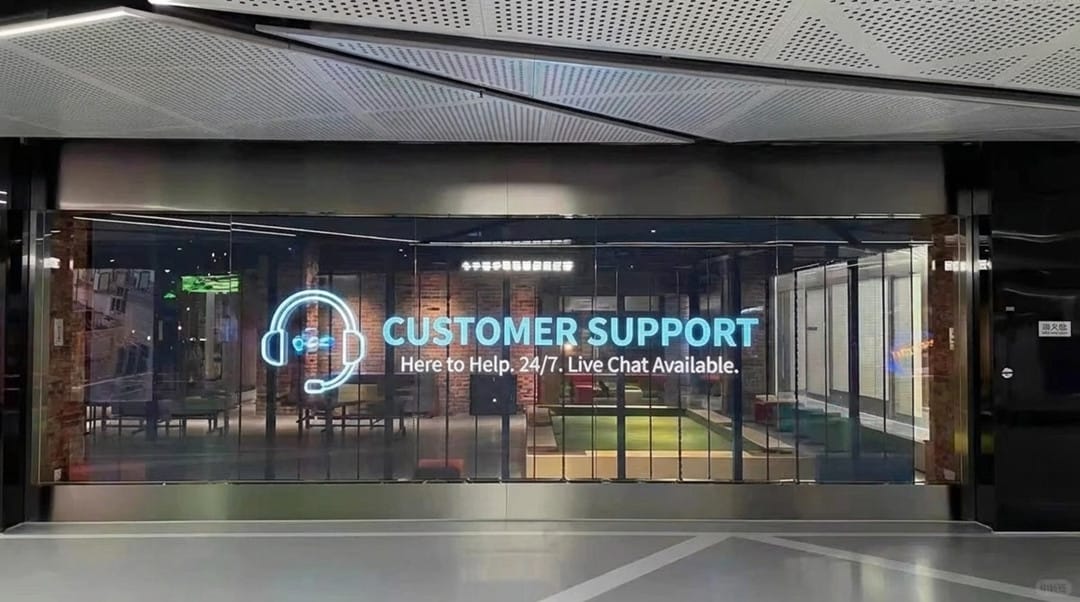
Because it’s lightweight and doesn’t require major structural work, it’s a strong option when timelines are short.
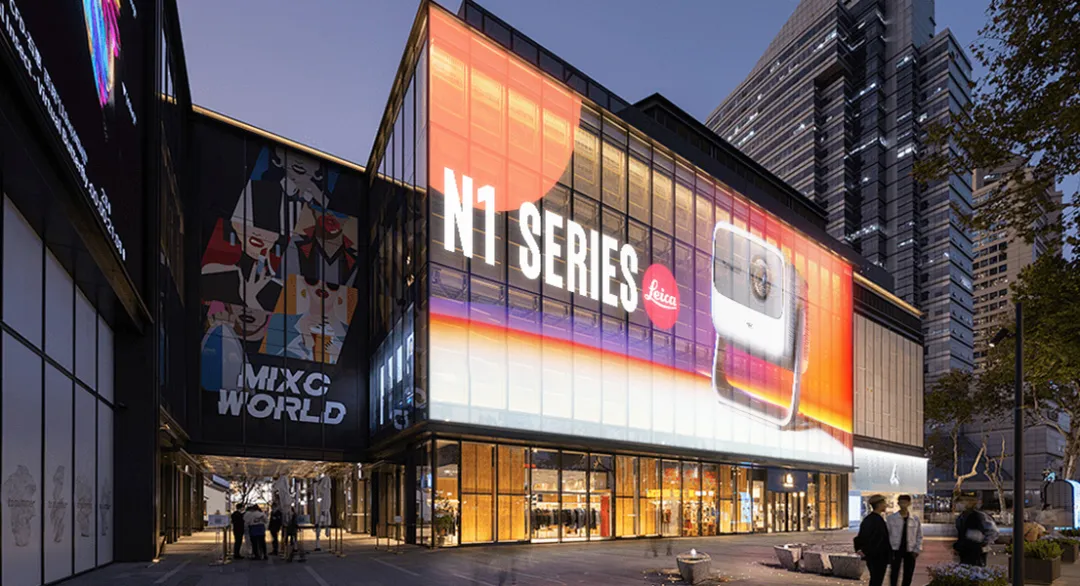
No bulky cabinet edges. No visible frames. In a well-managed install, it looks like the content is simply living on the window.
This is the biggest practical difference vs modular transparent LED. Adhesive film is chosen specifically when you want transparency without engineering a mounting structure.
For many storefront projects, the install is more like a careful application process than a construction job.
Self-stick film is designed to preserve sightlines and daylight, which is the whole point of transparent LED in the first place.
Adhesive film isn’t hard to apply—but finish quality is everything. A premium result depends on three things:
Any dust, oil, moisture, or coating issues will show up as bubbles, edge lift, or uneven adhesion over time.
Film installs are unforgiving. If the first module is off by a few millimeters, the seam line becomes visible across the whole wall.
The film can look “invisible,” but cables can ruin the aesthetic quickly if they’re not planned. Decide early where power and data exit the glass and how they’re hidden.
Practical tip: For chain rollouts, standardize an install method and checklist so every store looks consistent.
Higher transparency keeps the glass open, but the image becomes lighter. If you want stronger visuals, accept slightly lower transparency.
For indoor and mall-facing windows, most adhesive film performs well. For harsh direct sunlight, you may need to compare against modular transparent LED screens, depending on the brightness requirement.
Self-stick film is commonly used at typical retail viewing distances (a few meters). If your audience views the display from very close, pitch selection becomes more sensitive.
A wide viewing angle matters for storefronts, because people rarely stand perfectly centered. Off-angle color shift is one of the first “cheap” signals in a window display—so this spec matters.
Self-stick film is not serviced the same way as cabinets. Make sure your project plan covers:
It’s better to be upfront here—this reduces returns and bad project experiences.
Avoid self-stick LED film when:
These two are often confused.
Transparent displays look best when content respects the glass:
If you want, we can provide basic content rules based on your pitch and window size.
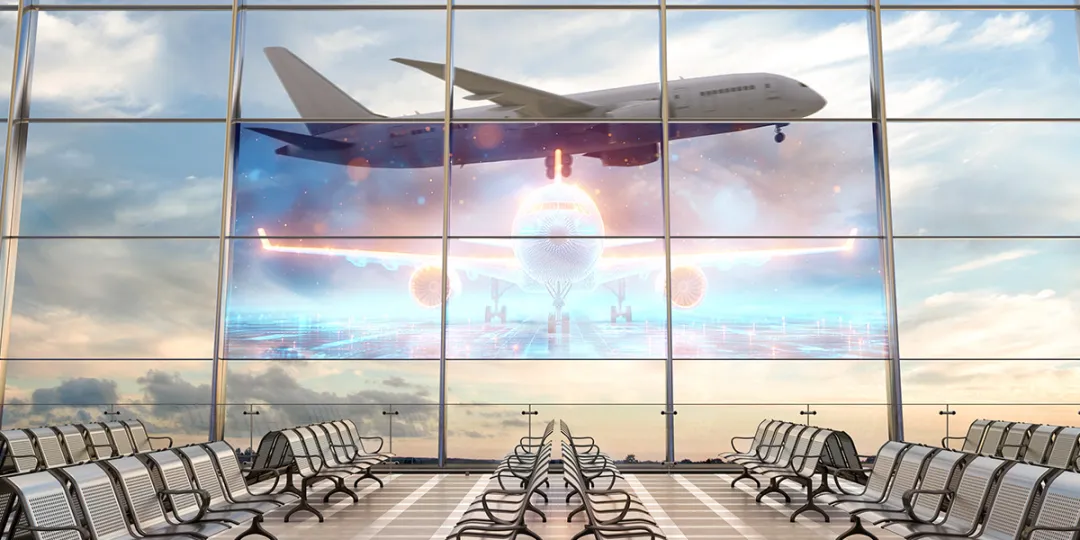
When customers buy adhesive film, what they’re really buying is a result on glass. That result depends on product consistency, installation guidance, and after-sales support.
ChinaLEDScreens provides:
We’ll also tell you honestly if your project should use a different transparent LED technology.
Will it block the view from inside the store? No—adhesive film is designed to maintain visibility; perceived openness depends on transparency and pixel density.
Is it easy to install? It’s install-friendly, but surface prep and alignment decide the final quality.
Can it be used on curved glass? Often yes (within bending limits). Curved glass is a common reason customers choose film-based solutions.
Is it suitable for outdoor use? Typically it’s best for indoor or protected glass zones. For exposed outdoor façades, mesh or modular transparent LED may be more appropriate.
If you send us:
We’ll recommend whether adhesive film is the right choice, suggest a sensible spec range, and provide a fast quote path.