Talk To Our Expert, Get A Solution in 20 minutes
Share your LED screen needs. Our experts will provide solutions and a quick response.

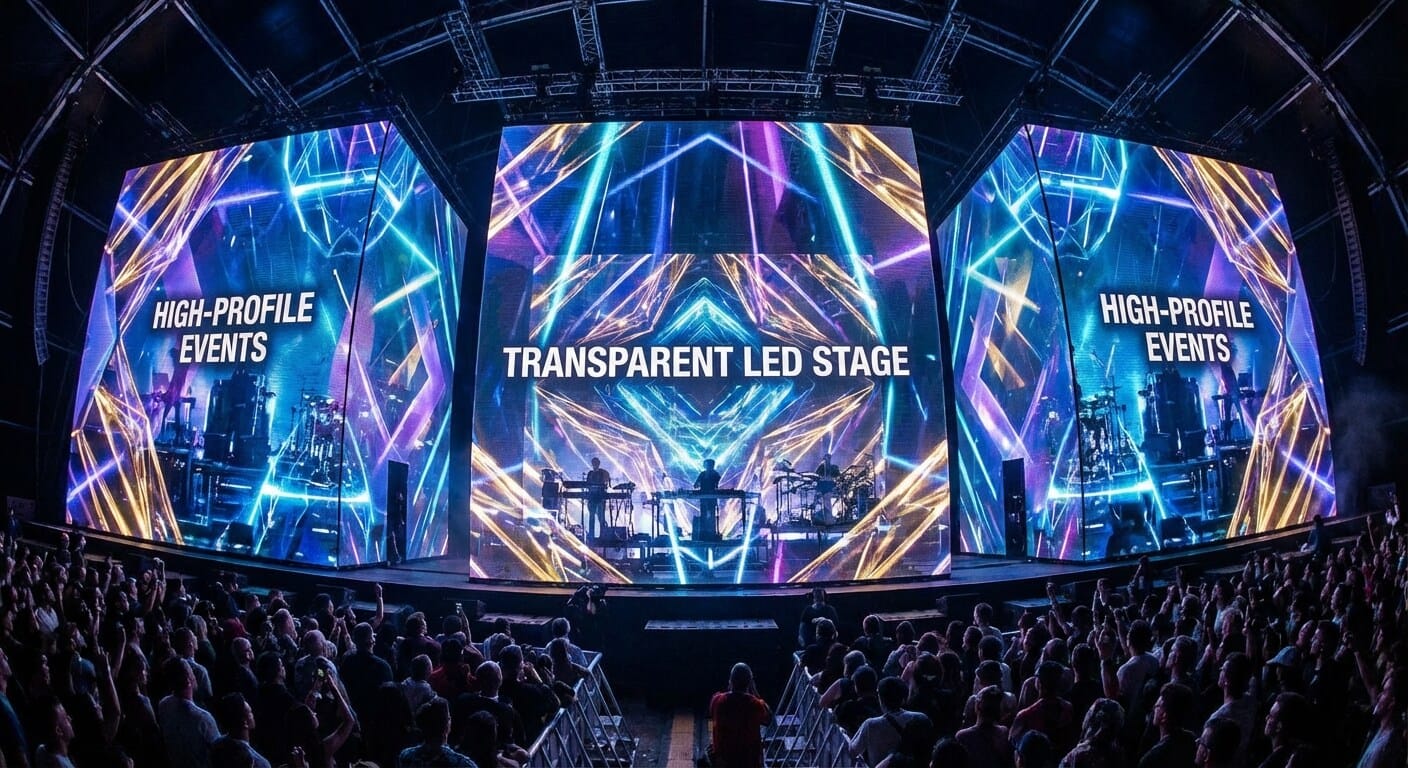
Transparent LED on stage has quietly shifted from “cool trick” to a core design tool in 2024–2025. Not because it’s trendy—but because it solves a real touring problem: how do you add video impact without killing depth, lighting, sightlines, or reveal moments? A solid LED wall is visually powerful, but it’s also a giant blackout curtain. Transparent LED (and its cousins—mesh, grille, holographic “see-through” screens) gives designers a new lever: layered imagery + lighting + physical scenery all living in the same volume.
Below are recent, high-profile productions that used transparent LED (or semi-transparent LED surfaces) in ways that matter to engineers, integrators, and production buyers—and what we can learn from each.
A transparent LED wall lets you keep moving lights, scenic pieces, automation, and performers behind the video layer. Designers can “print” content in mid-air, then reveal what’s behind it with backlight, haze, and contrast control. That’s why transparent LED often reads as more 3D than a bigger, brighter solid wall.
A common pattern in big shows now is controlled reveal:
This is exactly the kind of staging trick that wins in arenas and TV broadcasts—because it’s legible to both the back row and the camera.
Modern transparent touring panels are built for rental workflows—frames, dollies, faster rigging, predictable service access—because designers want the effect every night without fragile scenic builds. Product families like ROE Visual’s Vanish series are explicitly positioned around touring and festival use. (ROE Visual)
If you want one “clean” 2024–2025 example that’s documented by multiple pro-AV outlets, this is it.
Reports on the tour highlight a major scenic element—“The Monolith”—and call out the use of transparent ROE Visual V8T panels as part of the visual system. (AVNetwork) PLSN also notes the LED product choice around the Monolith as ROE Visual Vanish V8T-GOB, including custom integration details. (plsn.com)
Eurovision stages are basically a live R&D lab: huge audience, global broadcast, fast changeovers, and design that must support dozens of different looks.
ROE Visual states that Vanish V8T transparent LED panels were part of the Eurovision 2025 stage build. (ROE Visual) Independent trade coverage also describes the Vanish V8T panels forming a multi-layered stage background that enabled transparency/layering effects. (Installation) Additional broadcast-technology reporting describes the stage incorporating a semi-transparent LED back wall among multiple video surfaces. (TVBEurope)
Eurovision’s use case is a perfect example of “multi-surface storytelling”:
This is a great case study because the design logic is explicitly explained in professional coverage.
Live Design reports the tour used ROE Vanish V8T Transparent LED panels, with a staging approach where the screen can hide/reveal the band and expand the perceived stage size. (Live Design Online) A Lighting & Sound America reprint further supports the choice, noting that being able to light through the screen was a key reason and identifying the screen as ROE’s Vanish V8T. (Lighting & Sound America)
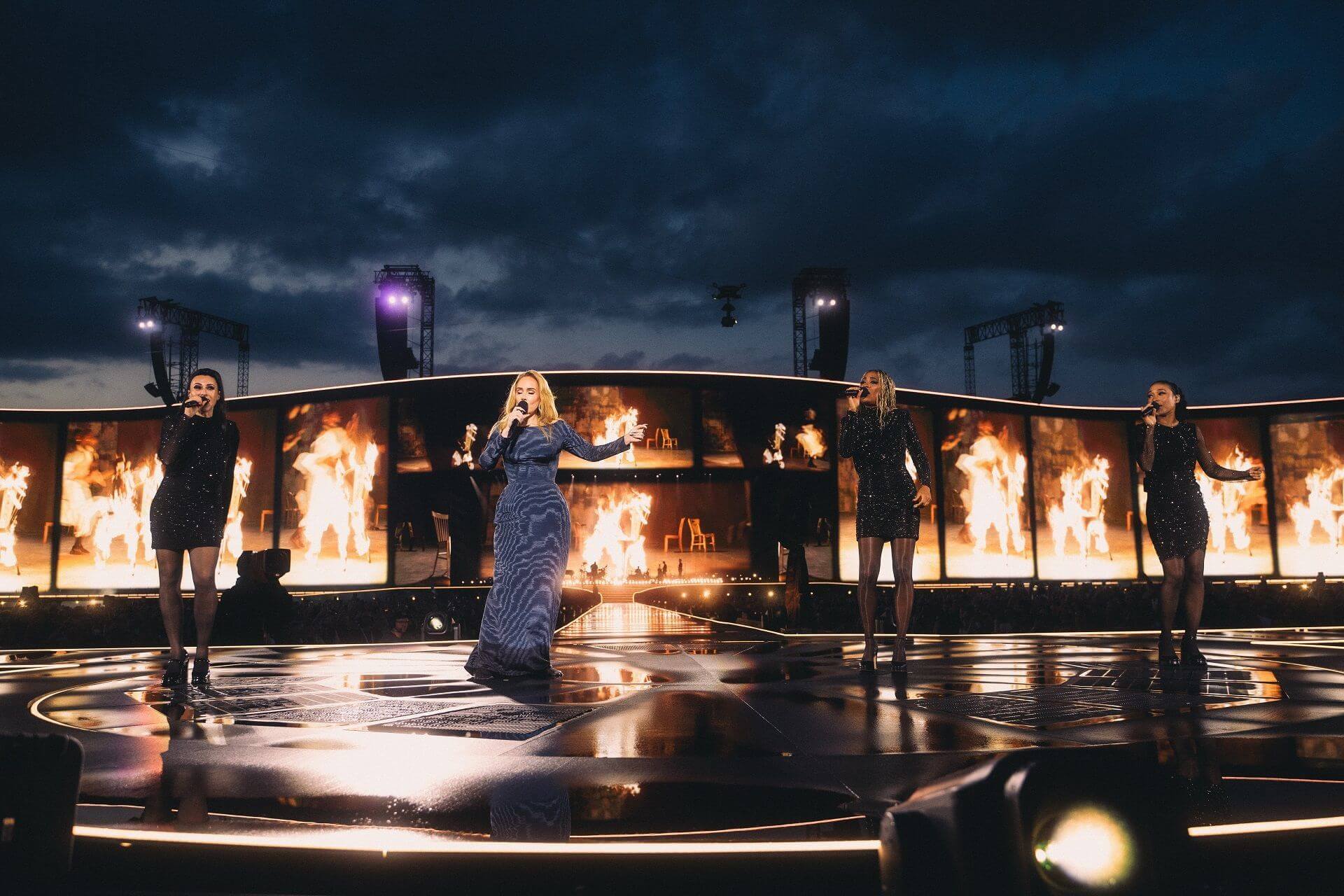
While Adele’s Munich shows are famous for the scale of LED, they also show the state of the art in processing, playback, and operational reliability at extreme size—relevant to anyone bidding high-stakes live events.
Disguise published a breakdown of supporting the show’s Guinness World Record-breaking LED spectacle, including the size scale and content/processing focus for the Munich run. (Disguise) ROE Visual also published a release about the Munich production and record context. (ROE Visual)
Even when the hero LED surface isn’t transparent, these mega-productions influence transparent LED workflows because:
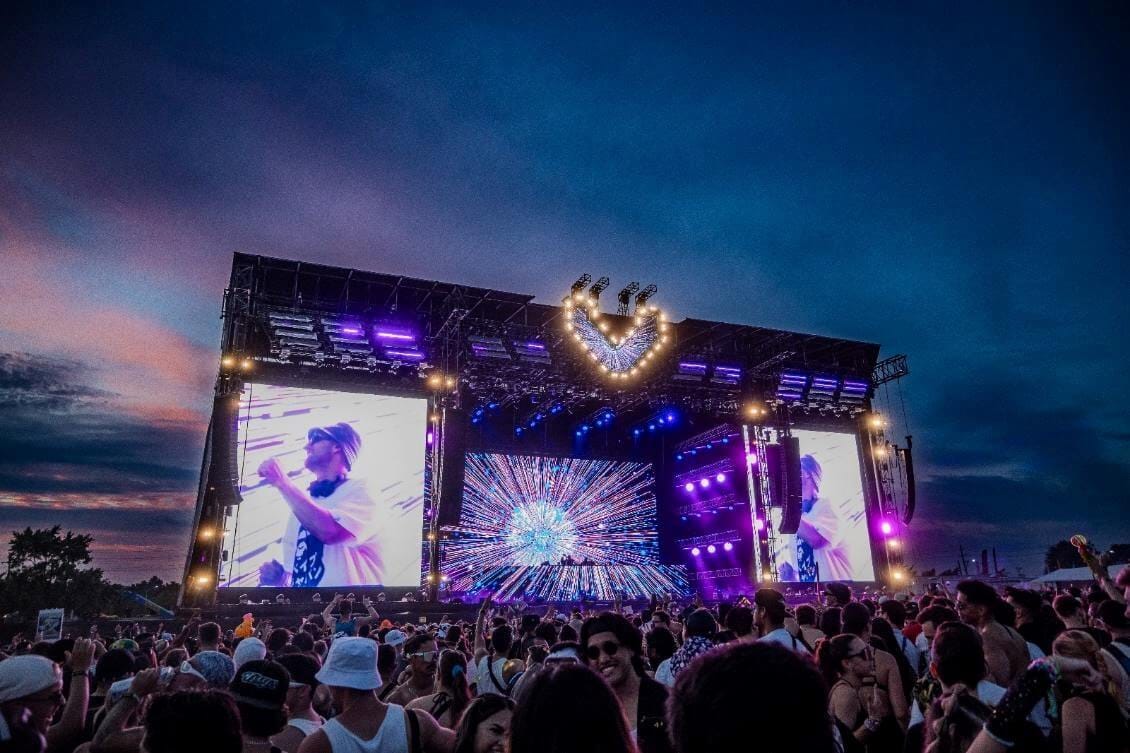
Electronic festivals are one of the fastest adopters of transparent surfaces because the creative goal is often volumetric visuals—things that feel like they float.
Solotech describes creating a “holographic effect” at VELD using ROE Vanish V8T transparent LED for a headliner need. (Solotech)
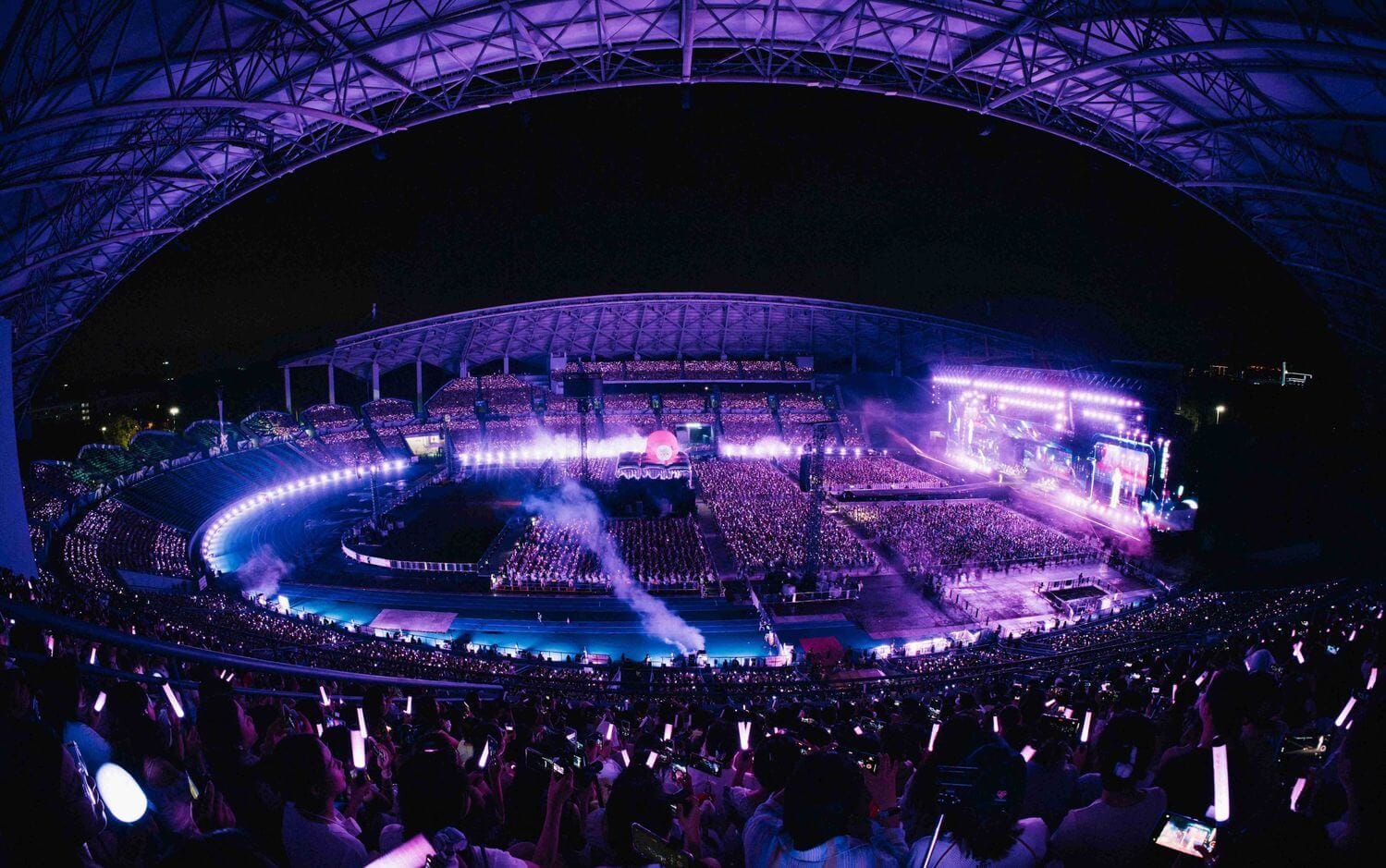
The Asia touring market is pushing very large-area transparent deployments, often combined with louver/grille mechanics for outdoor stadium conditions.
A Lightlink project news post describes ~1,800㎡ of transparent LED used in Roy Wang’s 2025 stadium tour in Guangzhou, also mentioning self-rotating louver screens. (SZLightLink)
Treat this as a “market signal” more than a third-party audited case study:
In practice, “transparent stage LED” can mean:
If your end goal is layered stage depth, you’ll usually evaluate multiple families. A good starting point is a category overview like transparent LED screens, then branching into purpose-built options for the venue type and rigging constraints.
On a solid wall, designers can fill the frame with bright video. On transparent LED, the best shows treat content as negative space design:
This is why transparent LED is so common in events and touring rental scenarios—where daily repeatability and fast scene changes matter. If you’re building for that market, the requirements often align with a rental LED screen for events mindset rather than a fixed-install mindset.
ChinaLEDScreens (founded 2009) focuses on transparent LED display solutions with OEM/ODM capability, global compliance support, and manufacturing QA—useful when your project needs repeatable performance across venues and tight timelines. If you’re comparing approaches, it helps to look at:
For design teams that want “floating” visuals rather than a classic transparent wall, holographic LED screens are often evaluated alongside transparent panels; for outdoor stages where airflow and structural openness dominate, mesh LED curtain display guidance becomes more relevant. (Internal links above were selected from your provided keyword–URL mapping. )
If you want a fast scoping conversation, start at ChinaLEDScreens and share: