تحدث مع خبيرنا واحصل على حل في غضون 20 دقيقة
شارك احتياجاتك بشاشات LED. سيقدم الخبراء لدينا حلولاً ورداً سريعاً.


ChinaLEDScreens | High-brightness, wind-friendly LED for outdoor façades
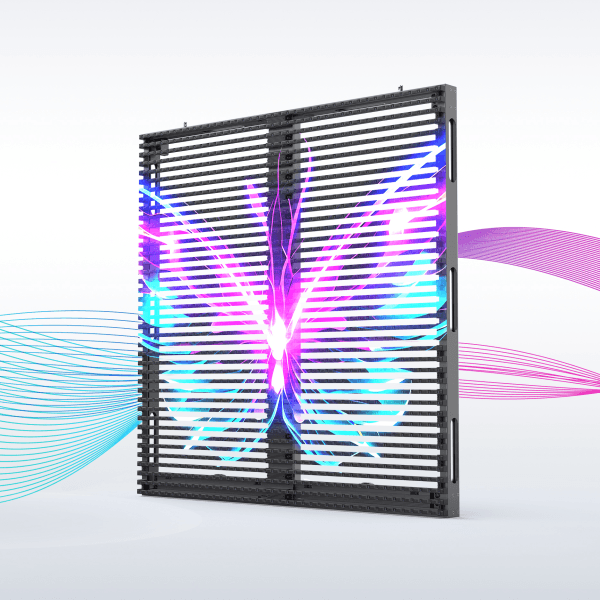
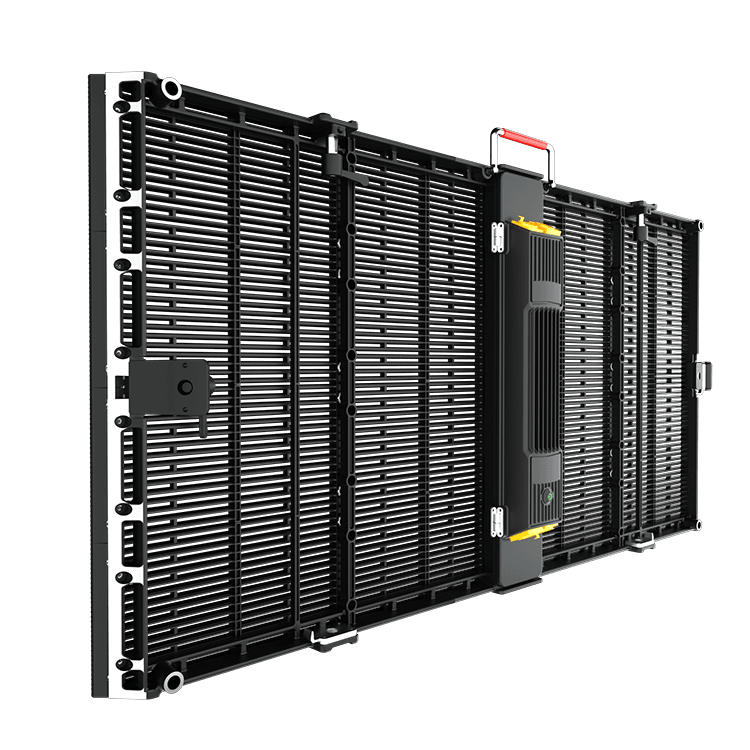
Grille LED screens (often called LED grille displays, LED louver screens, أو façade grille LED) are built for one clear purpose: large outdoor building media where wind load, weight, and ventilation matter as much as the image.
Compared with cabinet LED walls, grille LED keeps the structure open—so air passes through, the system stays lighter, and heat can dissipate more naturally. That’s why grille LED is widely used on shopping mall exteriors, towers, stadium skins, and landmark façades, where a solid panel system would be heavy and structurally demanding.
This page explains what grille LED screens really are, when they’re the best choice, and how to specify them like a professional.
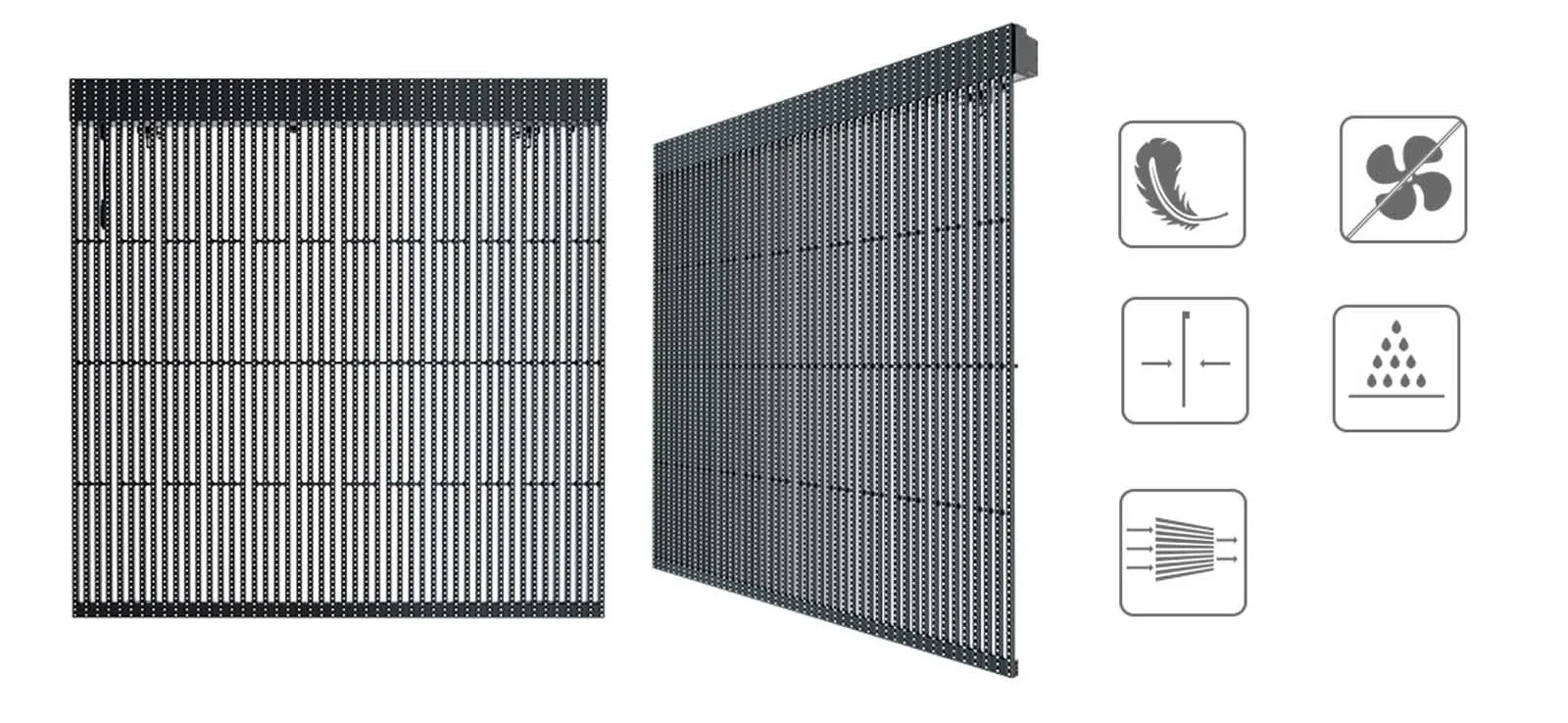
A grille LED screen is an outdoor LED display built from rigid strip modules (or louver-style bars) arranged with intentional gaps between them. Those gaps create:
Think of it as a structured architectural LED system—more rigid and engineered than a curtain-style mesh, and more wind-friendly than solid cabinets.
These categories are easy to mix up:
If your project is a true outdoor façade that needs stable alignment and engineering-style mounting, grille LED is usually the right category.
Grille LED is perfect for wrapping large façade zones with strong brightness while keeping ventilation and reducing wind load.
The open structure helps reduce pressure and weight, which can simplify feasibility on tall structures.
Often used for exterior skins because they handle wind and long-term outdoor operation well.
Useful where airflow and open architecture are already part of the structure.
Grille systems can provide high brightness and durability with faster rigging than heavy cabinets in some setups.
Open spacing means less wind pressure on the structure—critical for large façades.
On a 500–5,000 m² media façade, weight becomes a major cost driver. Grille LED reduces structural demand.
Grille LED is typically specified to stay readable in daylight where necessary.
Airflow helps thermal stability, especially on sun-facing buildings.
When the screen is off, a well-designed grille LED façade visually recedes compared with a solid black cabinet wall.
Most façade viewers are not standing 1 meter away. Choose pitch based on:
Brightness must match daylight conditions, but content style matters too:
Outdoor reliability is less about LEDs and more about:
Grille LED relies on clean alignment. Poor structural tolerance causes:
Define service logic early:
Façade screens are long-term assets—you should plan service like a building system, not like a poster.
A grille façade project should be planned like a construction package:
When these are engineered early, installation becomes predictable and scalable.
Grille LED is designed for big impact, not fine detail. Best content practices:
A well-programmed grille façade looks like architecture in the day and media at night.
Choose another solution if:
Grille façade projects succeed when the supplier understands both product and façade reality.
ChinaLEDScreens supports grille LED projects with:
We’ll also be direct if the project would perform better with mesh curtain systems or another category.
Is grille LED suitable for windy façades? Yes. Reduced wind resistance is a major reason it’s chosen.
Does it block the building view? It’s partially transparent depending on spacing. From many angles and distances, it appears lighter than solid cabinets.
Can it be used for full video content? Yes, but best results usually come from content designed for distance and the open structure.
How is it maintained? Typically by strip/module replacement. Access planning (lift lanes, platforms, or rear access) should be defined early.
أرسل لنا:
We’ll recommend the right pitch and brightness, propose a mounting approach, and provide a project-ready quotation path.