تحدث مع خبيرنا واحصل على حل في غضون 20 دقيقة
شارك احتياجاتك بشاشات LED. سيقدم الخبراء لدينا حلولاً ورداً سريعاً.

ChinaLEDScreens | Transparent LED film screen solutions for glass
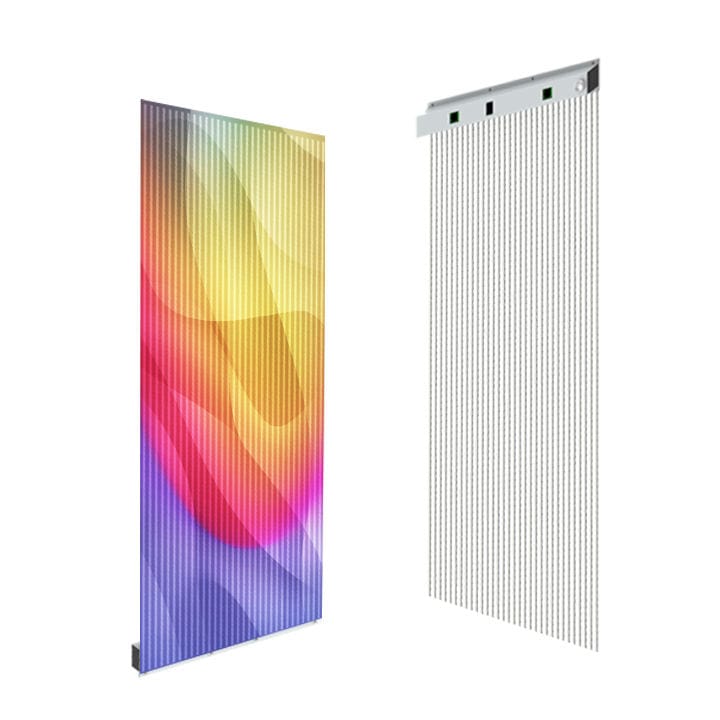
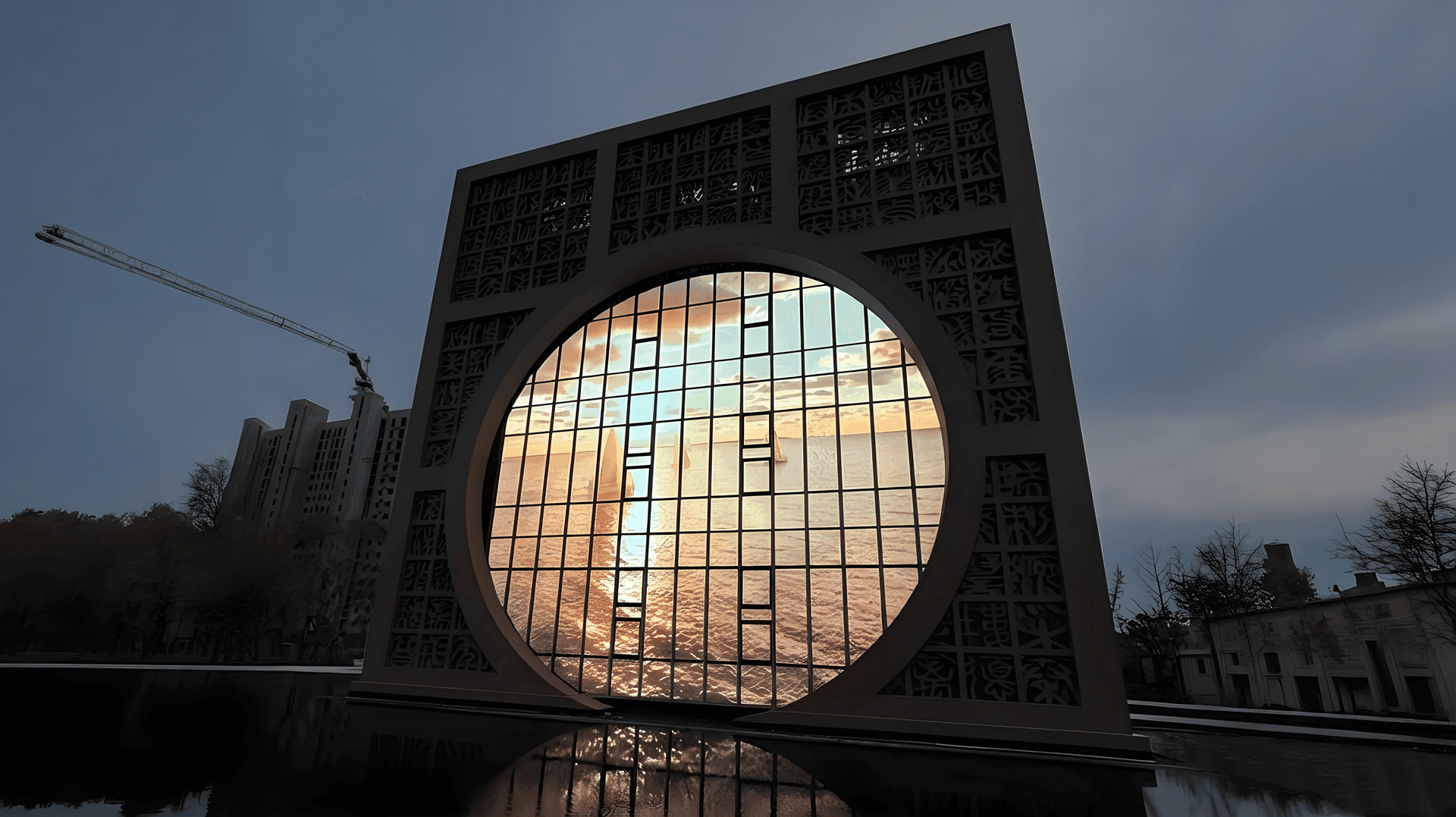
LED film screens are built for one job: turning glass into a digital surface without turning the space behind it into a “sealed box.” They’re used on curtain walls, storefront glazing, and interior glass where you want motion and messaging, but you still need daylight, visibility, and a clean architectural look.
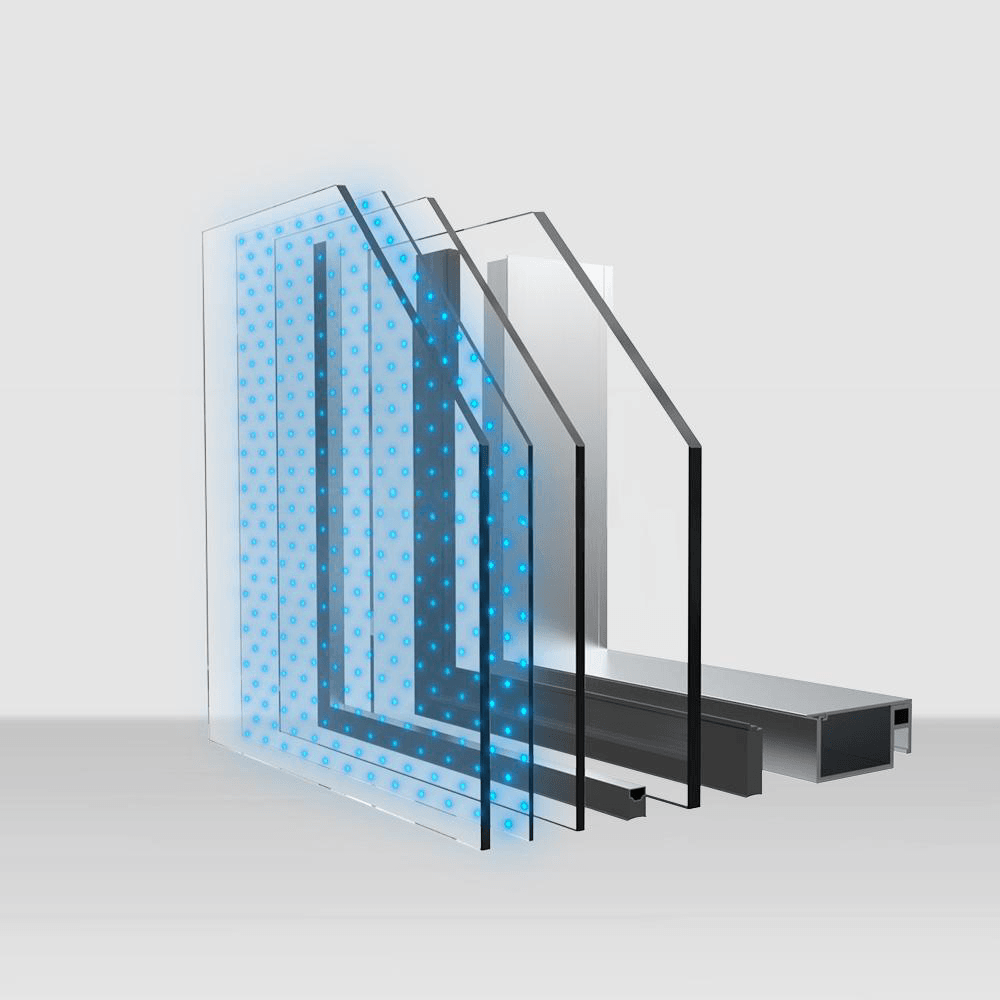
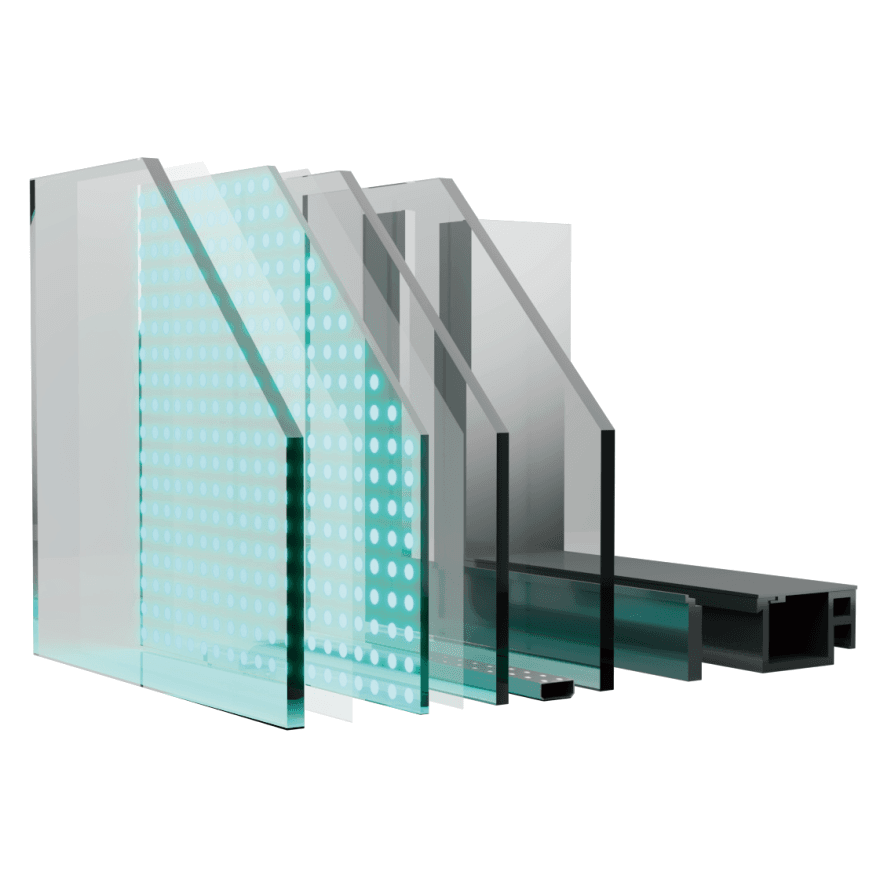
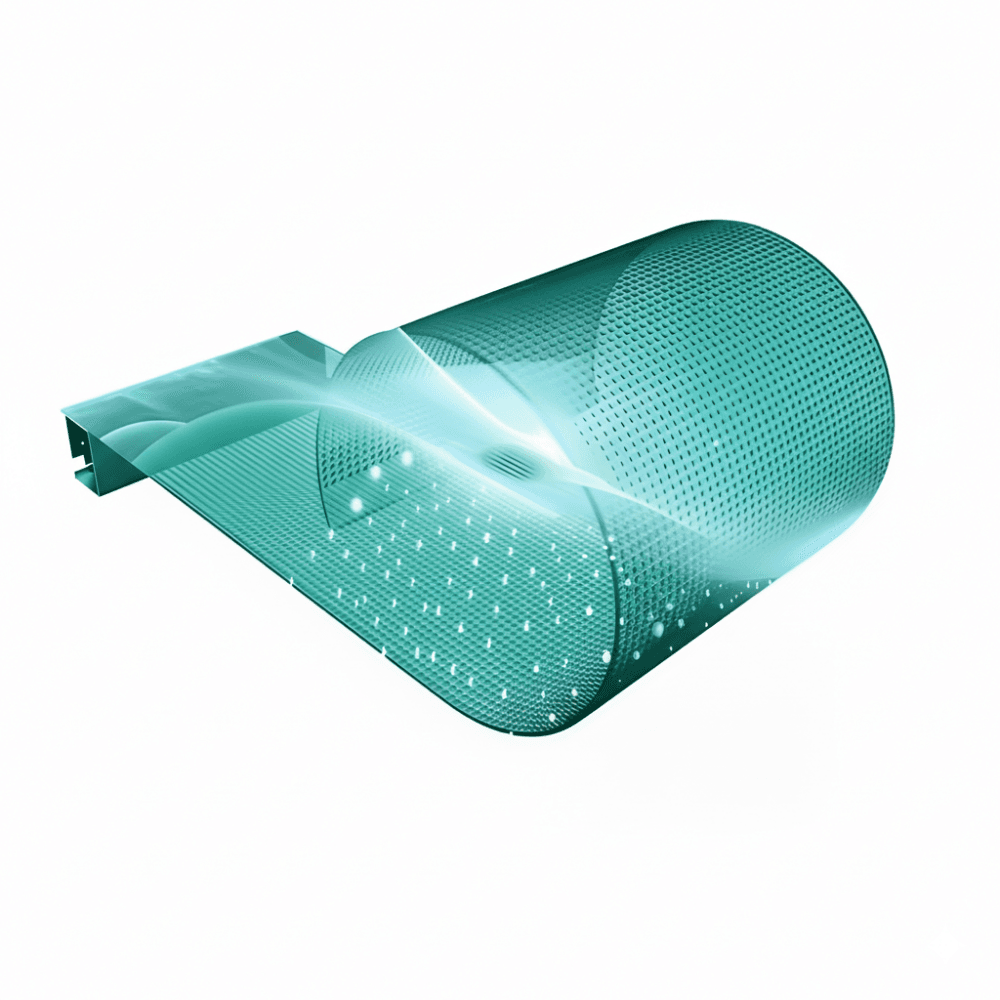
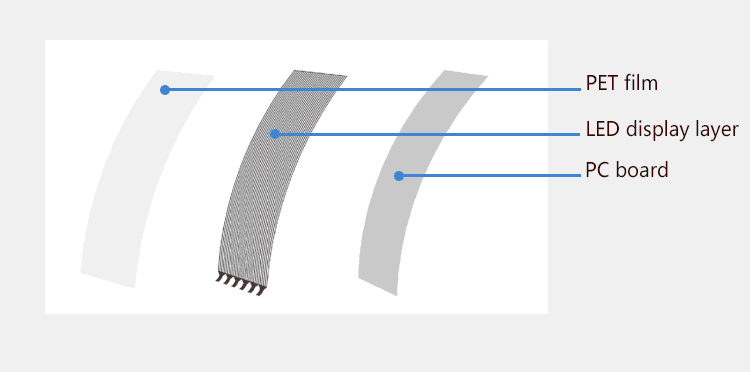
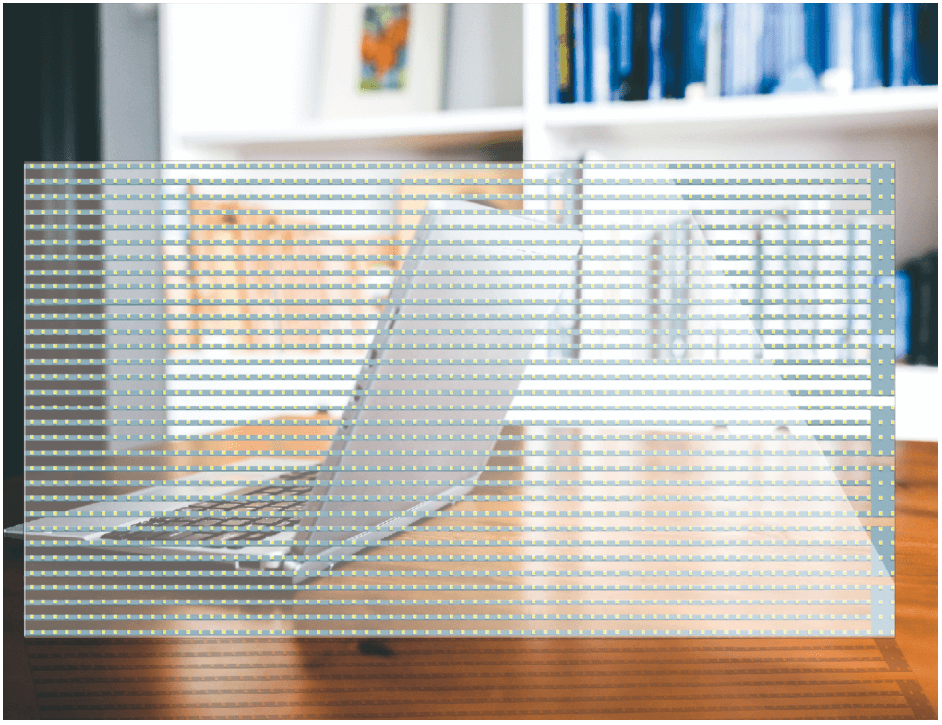
This page covers non-cabinet LED film screens made with a layered structure (PET film + LED display layer + PC substrate)—ultra-thin, ultra-lightweight, high-transparency systems designed to sit directly on glass with minimal visual bulk.
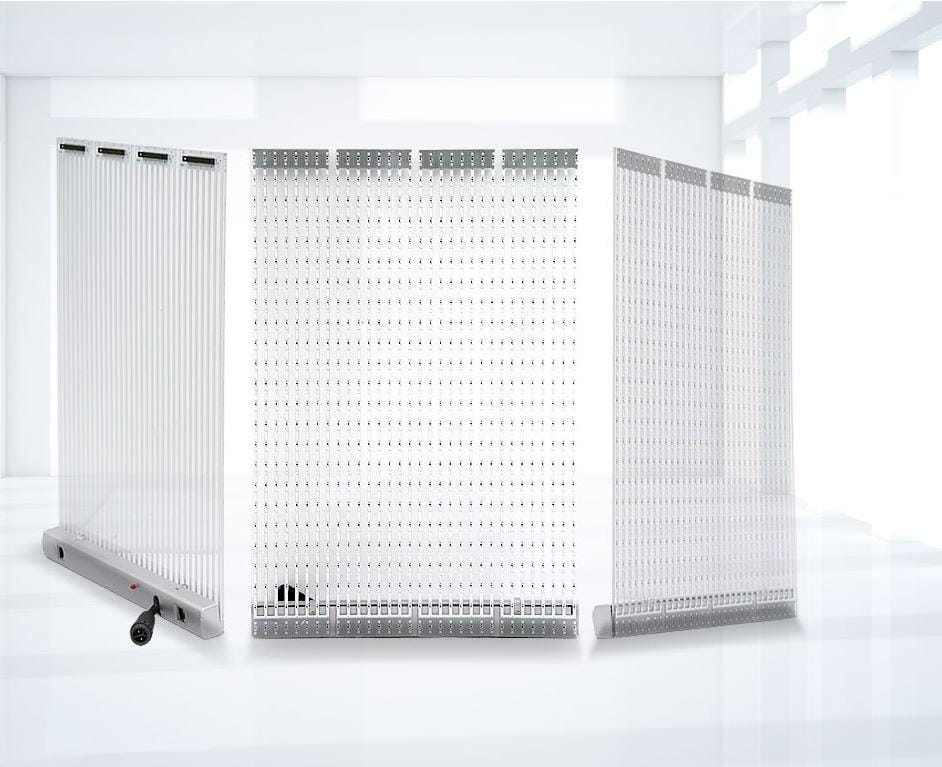
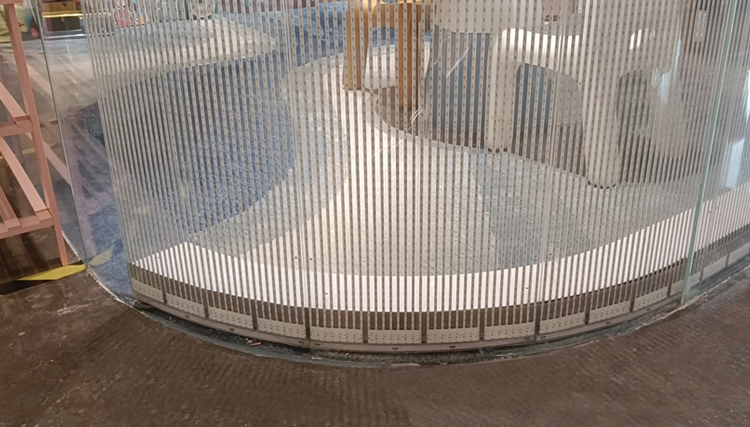
An LED film screen is a transparent LED display built on a thin polymer structure that becomes a “digital layer” for glass. Instead of heavy cabinets, you get a lightweight film-style module designed to keep the glass feeling like glass—especially during the day.
Structure (3 layers):
People confuse these categories constantly.
If your project is a large curtain wall, landmark glazing, or a premium lobby glass feature, the PET/PC structured film approach is usually the more “architectural” direction.
LED film screens are commonly specified for: office tower curtain walls and city landmarks, street-facing retail windows, banks, real estate showrooms, automotive dealerships, and metro entrances. They also appear in airports, malls, hotels, museums, corporate lobbies, and exhibition halls where you want branding, promotions, wayfinding, or immersive visuals without blocking daylight.
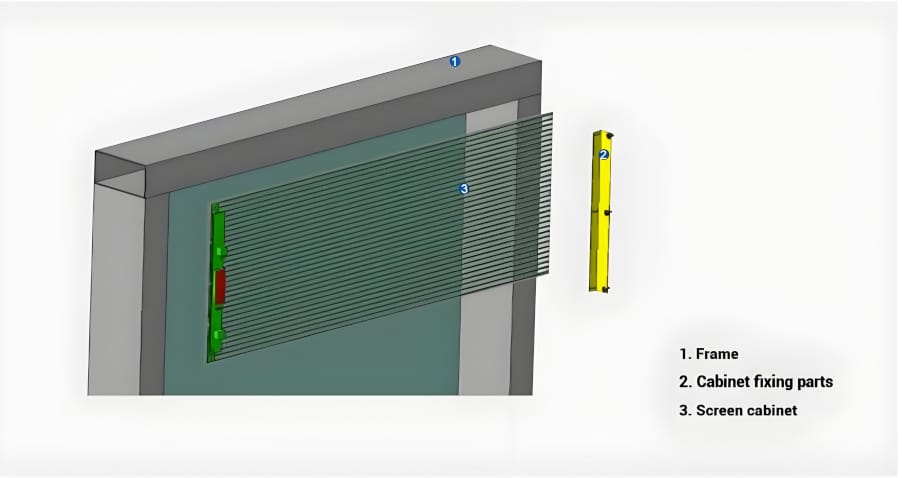
A typical install follows a simple sequence:
(For best results, the “secret sauce” is surface prep, alignment, and cable routing—those three decide whether it looks premium or improvised.)
When a client says “we want LED film on glass,” these are the decisions that control outcomes:
If the glass gets strong direct sun, design around daylight visibility, reflections, and content style. LED film can perform well in many environments, but sun-facing glass requires smarter brightness planning and content choices.
LED film looks best with:
If you plan to show small text like a phone screen, you’ll need tighter specs and stricter viewing control.
Confirm:
Fanless designs simplify installs, but you still need to consider heat in sealed façade cavities or sun-heated glazing zones.
ChinaLEDScreens supports glass LED projects with a manufacturer mindset: stable production, repeatable QC, and documentation support for integrators and contractors. We focus on solutions that balance 17. الوضوح، والسطوع، وكفاءة الهيكل—the same reasons LED film is chosen in the first place.
Will LED film block the view? It’s designed specifically to preserve visibility and daylight, with transparency up to about 85% depending on configuration.
Can LED film be customized for irregular glass? Yes—bendable/cuttable designs support bespoke layouts in many projects.
Is it suitable for public venues and big glass walls? Yes—typical use cases include curtain walls, malls, airports, lobbies, and exhibitions.
If you’re considering LED film for a curtain wall, storefront, or lobby feature, we can tell you very quickly whether it’s the right technology—and what configuration makes sense.
Share a few basics and we’ll review it from an engineering perspective:
You’ll get a practical recommendation (film vs transparent LED vs LED glass), suggested specs, and a clear next step for budget and planning.tes.