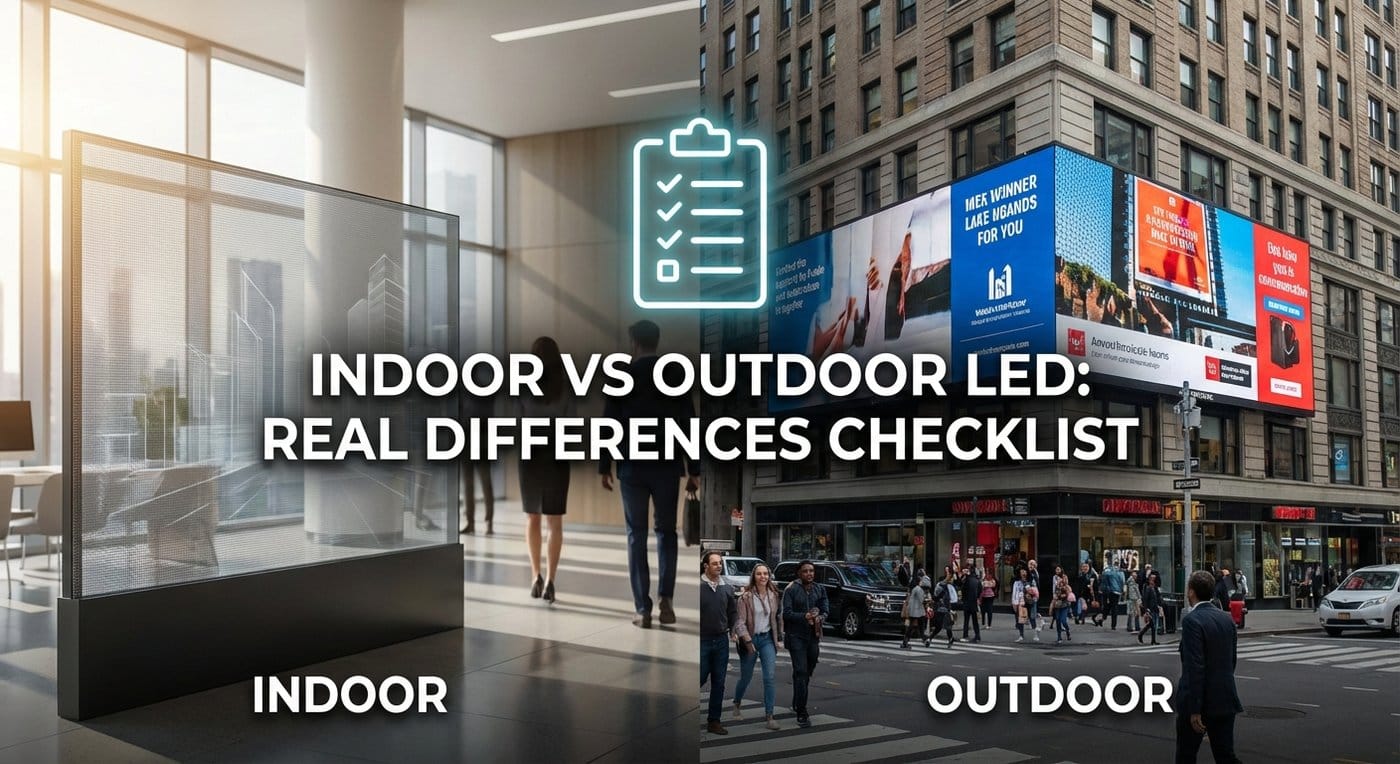
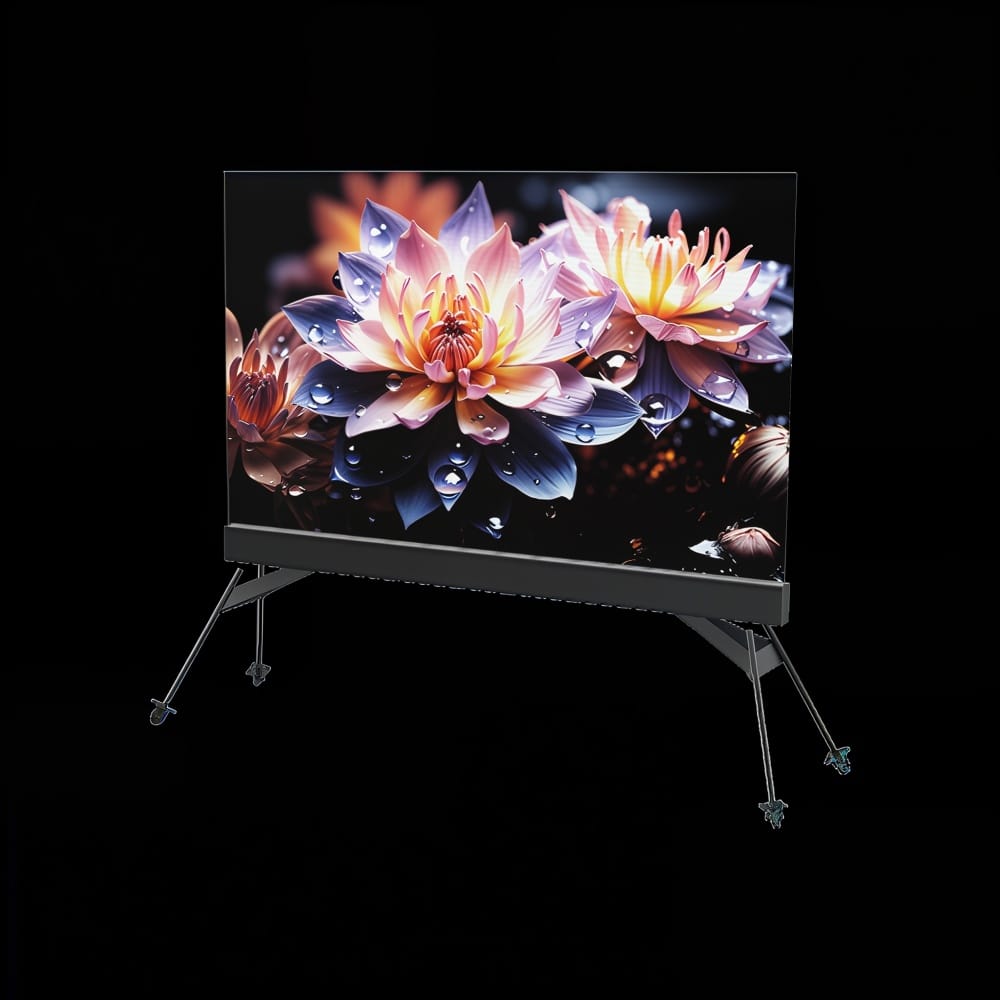
“Indoor vs outdoor” sounds like a simple checkbox. In transparent LED projects, it isn’t.
Put LEDs on (or near) glass and the real enemies show up fast: daylight, reflections, heat buildup behind glazing, wind vibration, moisture, and maintenance access. Choose the wrong class and you don’t just get a slightly worse picture—you get a system that’s hard to keep stable, hard to service, and expensive to “patch” after installation.
This guide is written for the people who have to make it work in the real world: LED engineers, AV integrators, architects, agencies, and contractors. (If you’re new to our ecosystem: ChinaLEDScreens has focused on transparent LED solutions since 2009; you can start at the ChinaLEDScreens transparent LED display factory homepage.)
The quick reality check
- A high IP rating does وليس automatically mean “outdoor-ready.”
- A high “nits” number does وليس automatically mean “sunlight-readable all day.”
- The hardest projects are the gray zones: “indoor” windows with direct sun, and “outdoor” façades that trap heat behind glass.
If you want a fast orientation on typical configurations, review our شاشات الـ LED الشفافة الداخلية 22. و شاشة الـ LED الشفافة الخارجية pages—then use the checklist below to lock the right specification.
The real differences checklist (copy/paste into your RFQ)
1) Exposure: where does the screen actually live?
- Inside or outside the building envelope? (Behind sealed glazing is “dry,” but can be “hot.”)
- Direct sun hours on the display plane (morning vs afternoon matters).
- Wind category (corner façades and high floors behave differently).
- Pollution profile (coastal salt fog, industrial dust, road grime).
- Cleaning method (soft wipe vs façade wash vs water spray).
Why it’s different: outdoor designs must assume water/dust + corrosion + vibration. “Indoor behind glass” must assume heat soak and reflections.
2) Visibility: define “readable” in your scene
- Viewing direction: outside→in, inside→out, or both.
- Content type: brand motion, product video, readable text, or ambient visuals.
- Day/night operation: ambient sensor + dimming schedule (don’t treat this as optional).
- Transparency requirement: the architect’s target vs what you can realistically keep with the required pixel pitch.
Indoor mistake: picking a very transparent structure, then expecting small text to read from 2–3 meters. Outdoor mistake: picking high brightness, then forgetting night dimming and light-pollution limits.
3) Brightness: ask for sustained, not just peak
Require two numbers in the quotation:
- Peak brightness (marketing number)
- Sustained brightness at defined ambient (e.g., 25°C and 40°C), plus the control method that prevents overheating
Indoor reality: glare often matters more than raw nits. Outdoor reality: heat limits brightness; weak thermal design turns “8,000 nits” into “throttled to 4,000.”
4) Protection: “IP” is not the whole story
Write these into the spec:
- IP rating front and back (not just one side)
- Conformal coating / potting for PCBs and connectors
- Cable entries with sealing + drip loops (outdoors)
- Condensation strategy (vents/drain paths) for day-night swings
Deep truth: many failures aren’t rain—they’re moisture + condensation + connector corrosion over time.
5) Structure & mounting: transparency reduces wind load, not engineering
Confirm:
- Load path goes to mullions/structure, not glass
- Vibration retention (latches, fasteners, locking)
- Thermal expansion allowances on long runs
- Safe access points for install and future swaps
If your project is a large façade where wind/weight is the constraint, read the شاشات العرض LED الشبكية دليل الستائر الشبكية المرنة—mesh is often the “outdoor” answer when close-range resolution isn’t the priority.
6) Service access: plan maintenance on day one
Ask early:
- Front service possible? If yes, what tools/clearance are needed?
- If rear service is required, where is the access route (catwalk, lift, interior corridor)?
- What is the worst-case swap scenario (power supply behind glass, corner module, top row)?
Indoor trap: interior finishes get built around the display, and access disappears. Outdoor trap: access exists, but poor protection makes swaps frequent.
7) Power & thermal: different constraints indoors vs outdoors
- Indoor: noise and airflow matter (fans can be unacceptable in premium spaces).
- Outdoor: derating matters (hot electronics + sun + long runtime), and surge protection/grounding are non-negotiable.
Include in RFQ:
- Circuit loading assumptions (peak vs typical content)
- Surge protection scope
- Temperature monitoring + alarms
What changes between indoor and outdoor in plain language
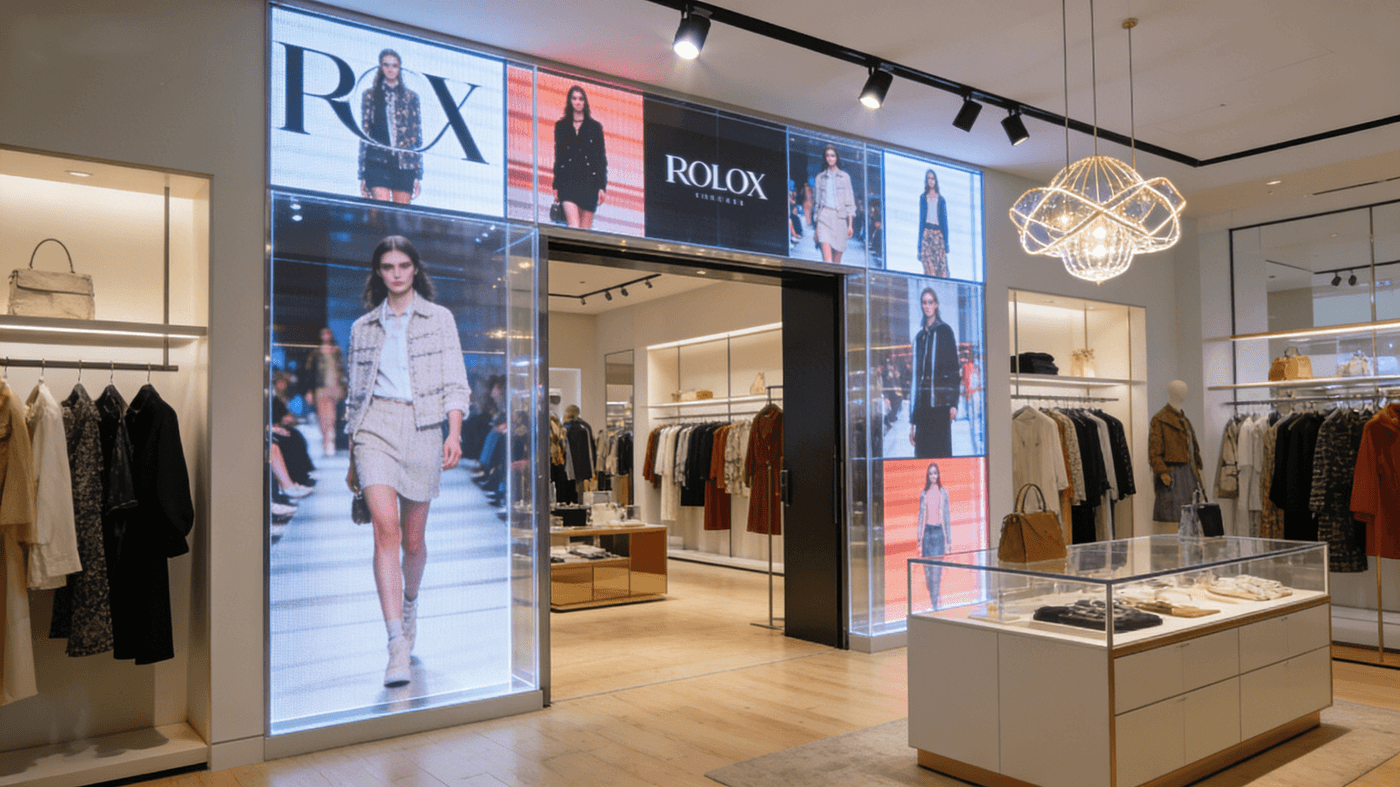
Indoor transparent LED: you’re fighting reflections and viewing distance
In indoor projects, the most common “why does it look weak?” complaint is glare. Glass, polished floors, and spotlights wash out content even when the screen is bright enough on paper.
Practical moves that actually help:
- Design content for contrast (avoid thin fonts and low-contrast color combos).
- Confirm minimum viewing distance and choose pitch accordingly.
- Demand smooth dimming so it looks premium at night (no harsh “steps” or flicker).
Indoor is also where aesthetics get judged hardest: thin structure, clean cable routing, minimal visible hardware.
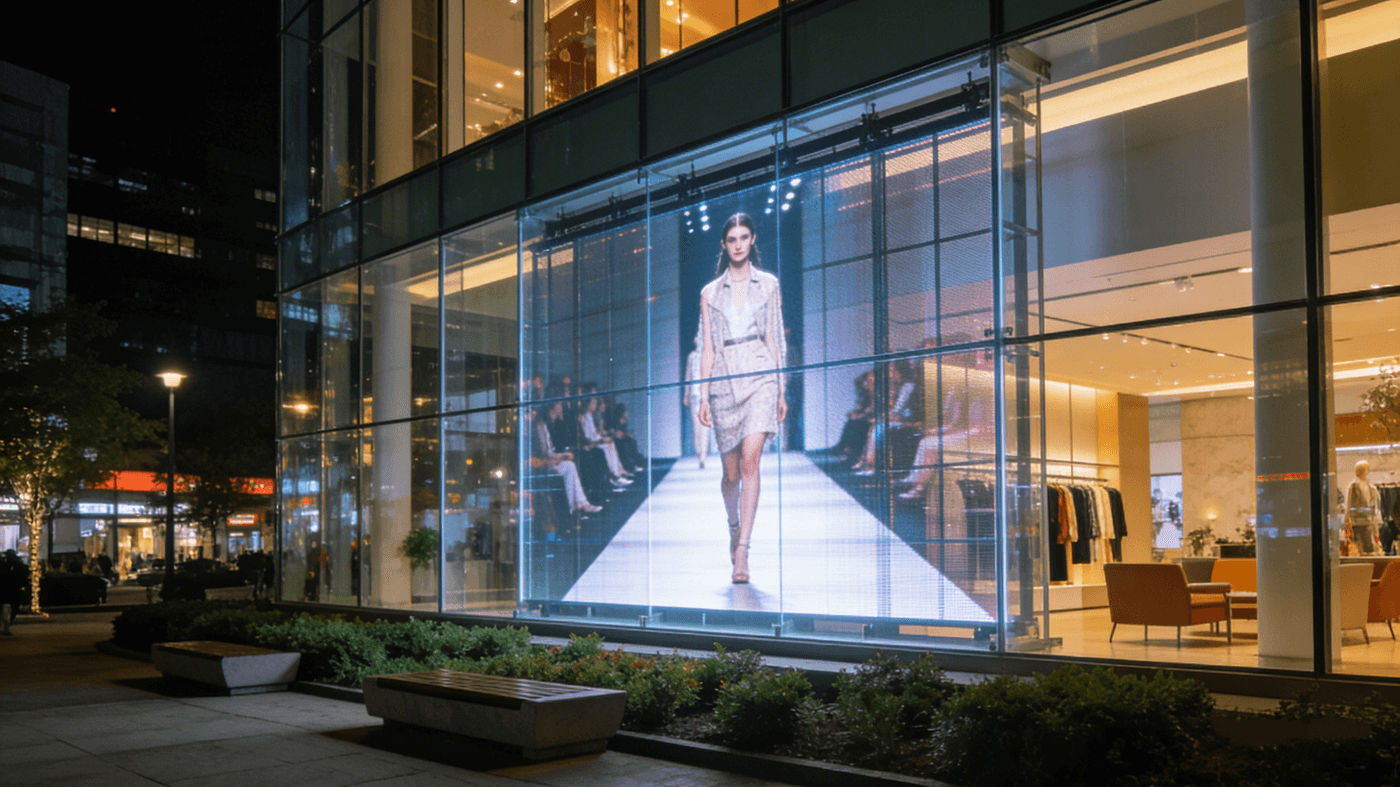
Outdoor transparent LED: you’re fighting heat, moisture, and long-term stability
Outdoor is where two products can look identical on a spec sheet and behave very differently after one summer.
What separates “real outdoor” from “outdoor-labeled”:
- How connectors and PCBs are protected (coating, sealing)
- How the system handles condensation
- How it manages thermal limits without ugly brightness pumping
- Corrosion strategy for coastal/urban environments
Also: plan the nighttime story. A façade that’s perfect at 2 pm can become a complaint (or a compliance issue) at 11 pm unless brightness control is built in.
Product family matters: not all transparent LED is the same
Indoor/outdoor decisions get much cleaner when you choose the right family first.
LED glass screens: when “glass-first” integration is non-negotiable
If the display is part of the building material (curtain wall, balustrade, architectural feature), LED glass moves the conversation into lamination, structure, and compliance. Use the دليل شاشات زجاج الـLED الشفاف when the architect cares more about the glass system than the LED cabinet.
LED film screens: when you need minimal visual obstruction
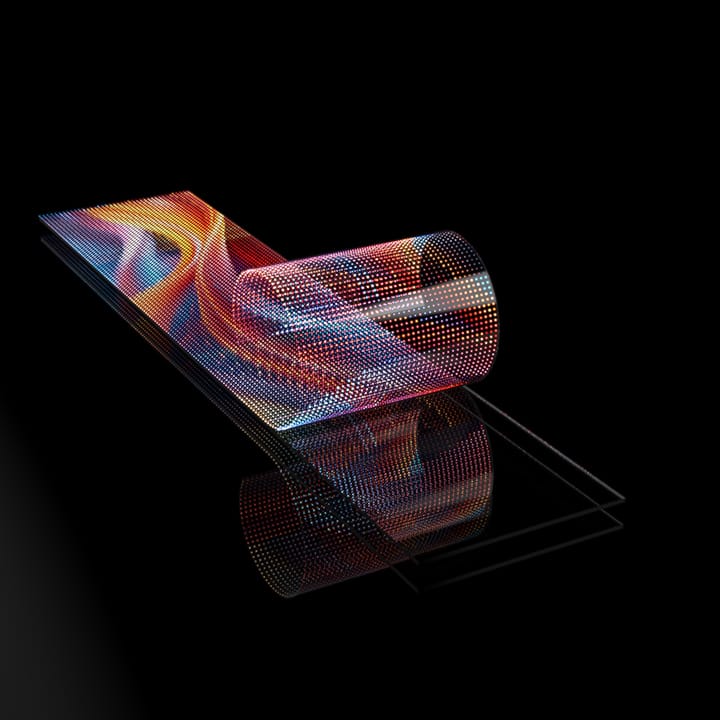
Film is chosen for retail windows and interior glass when you want ultra-thin installation and a cleaner look. Start with the دليل شاشات فيلم LED.
Reality check: film can be excellent indoors, and it can work in semi-protected outdoor scenes—but UV, heat, and long-term adhesion must be engineered, not assumed.
The five procurement mistakes that cost the most
- Buying “outdoor” for an indoor window because it sounds safer (then the structure is too visible and the fans are too loud).
- Shopping by peak nits instead of sustained brightness under heat.
- Forgetting night dimming (then the display becomes a complaint magnet).
- Assuming IP rating solves condensation (it doesn’t—design has to handle it).
- Not designing service access (then every fault becomes a construction problem).
A simple decision map you can use in meetings
- Indoor + controlled lighting + close viewing: indoor transparent LED is usually best.
- Indoor but direct sun through glass: treat it as “indoor install, outdoor brightness/thermal thinking.”
- Outside the envelope: outdoor transparent LED, full protection + structure + surge + monitoring.
- Very large façade, far viewing, wind/weight constraints: evaluate mesh early.
Closing: write your RFQ to describe reality
The best transparent LED projects don’t win because someone found a cheaper pixel pitch. They win because the RFQ described the real scene: sun, reflections, heat, wind, cleaning, access, and the day-night operating plan. Do that, and indoor vs outdoor becomes a clear engineering choice—not a guess.