How to Import Transparent LED Displays from China (2026 Guide)
How to Import Transparent LED Displays from China (2026 Guide)
Why importing transparent LED is different (and why projects fail)
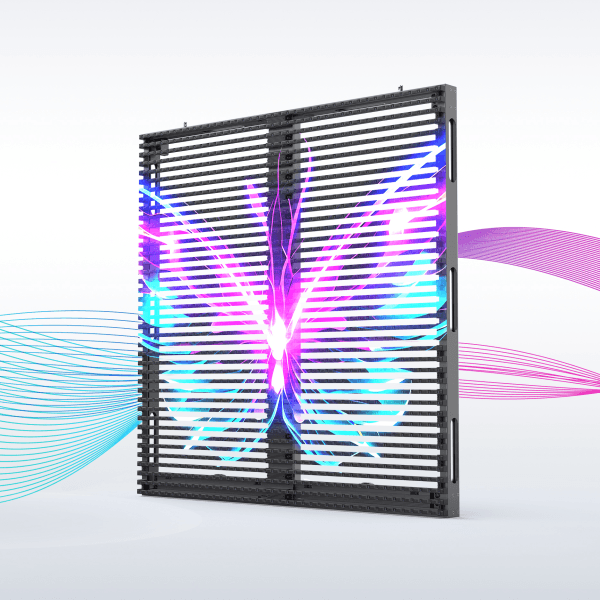
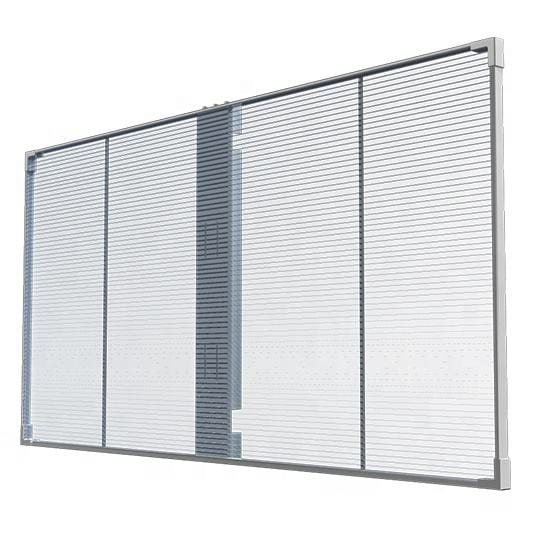
Transparent LED isn’t “just another LED wall.” You’re importing a system that must behave like architecture: it lives on glass, fights daylight, runs long duty cycles, and must stay serviceable without turning a façade into a maintenance nightmare.
Most failed imports follow the same pattern:
The buyer compares spec sheets instead of use-case reality
The supplier quotes a “good” configuration, then quietly swaps parts under pressure
QC is reduced to “power on + no dead pixels”
Logistics and spares are treated as an afterthought
This guide is written for engineers, integrators, agencies, and project owners who want repeatable import outcomes, not one lucky shipment.
If you’re still deciding which transparent category you actually need, start with a practical baseline like this transparent LED display guide and then come back to the import workflow.
Table of Contents
Step 0: Define what you’re importing (before you ask for a price)
Transparent LED isn’t one product family. Your import plan changes depending on whether you’re buying:
Local compliance constraints (building codes, electrical standards, signage rules)
If you need a structured way to translate “application” into a product direction, browsing a supplier’s use-case map can help—e.g., transparent LED display solutions pages often reveal how they think about scenarios, constraints, and tradeoffs.
Step 1: Build a shortlist that filters out 80% of risk
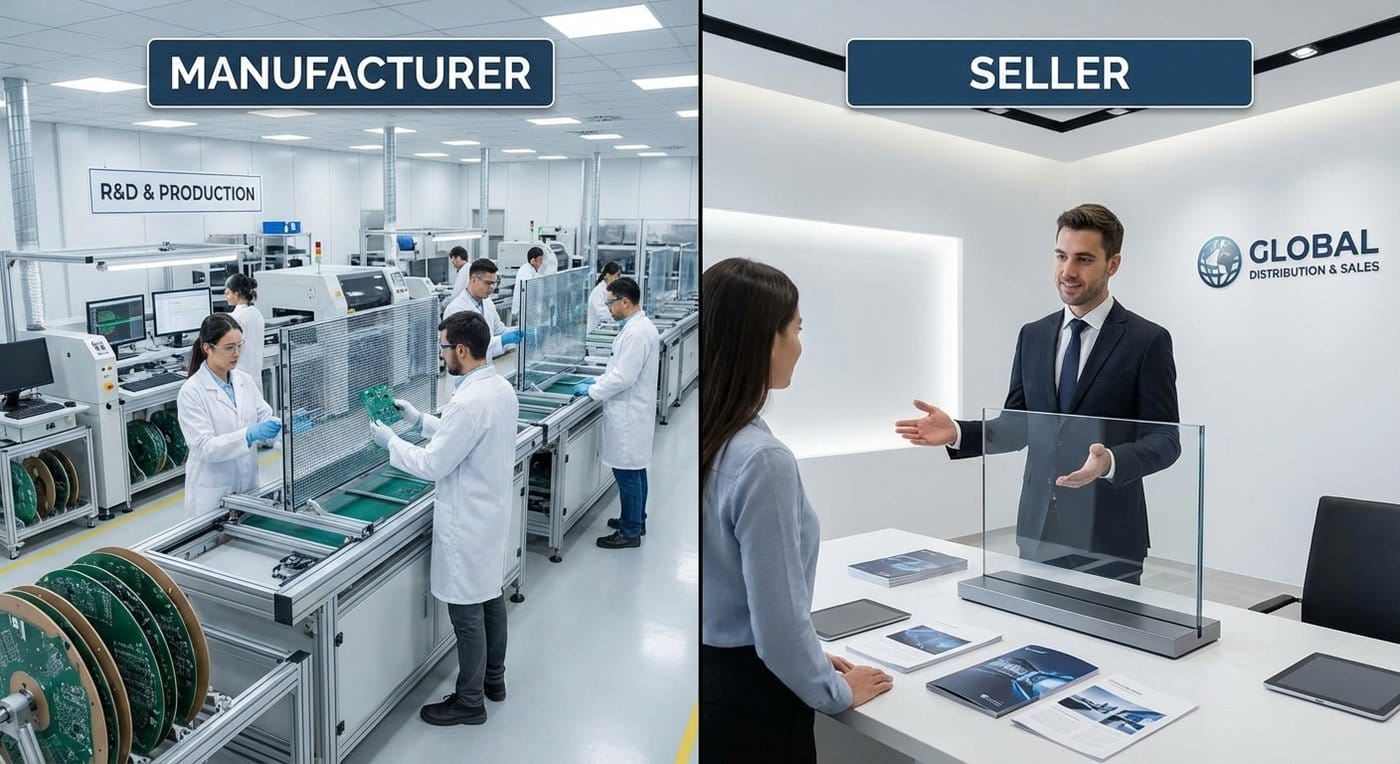
Manufacturer vs “seller”
In China, you’ll meet:
Actual manufacturers (control process, stable BOM, real QC ownership)
Integrators/traders (can be fine, but you must verify supply chain control)
Ask for the factory address, production photos/video, and serial-number traceability examples
Ask who owns the calibration system and who writes the aging/burn-in procedure
Ask whether the quoted model has repeatable BOM (same LED bin, same driver IC family, same PSU spec)
If you want a reference point for how a factory-led supplier positions itself (R&D + manufacturing + export workflows), you can look at how ChinaLEDScreens introduces its scope and product coverage—then use those same questions on every supplier you evaluate.
Don’t skip the “projects proof”
Spec sheets are easy to polish. Real installations are harder to fake.
Ask for:
Project photos with context (distance, daylight, mounting approach)
A short “what went wrong + how we fixed it” story (good suppliers have scars)
Confirmation of spare part continuity for 5–7 years
A good sanity check is to browse a supplier’s projects and case studies and see if the installations resemble your environment (wind, humidity, salt air, desert sun, etc.).
Step 2: Write an RFQ that prevents the “spec sheet trap” game
A strong RFQ forces suppliers to quote the same reality.
When evaluating a supplier, look for how they describe their manufacturing discipline and test philosophy. For example, a dedicated technology & quality page is often where a factory reveals whether they have real process control—or just marketing claims.
Step 8: Packaging, shipping, and customs execution
Packaging (don’t let “standard packing” decide your outcome)
For façade or glass-adjacent products, insist on:
Shock protection (corner protection + foam density appropriate to weight)
Moisture control (desiccants + sealed packing where needed)
Sea freight: best cost for volume; plan schedule buffers
Air freight: for samples/urgent replacements; costly but saves projects
Hybrid: ship core order by sea, critical spares by air
Customs: your broker is part of the engineering team
Treat your customs broker like a stakeholder:
Share BOM, product description, use case, and compliance documents
Confirm duties/taxes early to avoid budget surprises
Make sure invoice descriptions are accurate (mislabeling creates risk)
Step 9: Installation, spares, and after-sales (where import ROI is decided)
Your import doesn’t end when the container lands. It ends when the system runs reliably.
Spares policy (realistic, not optimistic)
For first projects, many integrators use a baseline like:
Extra modules to cover early failures + handling damage
Spare power supplies and key control components
A documented “matching strategy” (color/brightness bin consistency)
Remote support + documentation
Insist on:
Wiring diagrams and labeling standard
Control system configuration backup
Fault diagnosis checklist with decision tree
Response-time commitments for technical questions
If you’re sourcing from a factory that offers OEM/ODM services, clarify what “ODM” actually includes: firmware tweaks, mechanical customization, private labeling, packaging standards, and spare continuity commitments.
A realistic import timeline (plan backward from opening day)
Phase
Typical duration
Risk if rushed
Requirements + RFQ
1–2 weeks
Wrong product family / wrong spec
Sampling + validation
1–3 weeks
Daylight/thermal surprises onsite
Production
2–6 weeks
BOM drift, inconsistent calibration
FAT + inspection
2–7 days
Hidden defects ship overseas
Shipping (sea)
3–7 weeks
Missed opening dates
Customs + delivery
3–10 days
Documentation delays
Install + commissioning
1–3 weeks
Spares/support gaps
The “deep” import habits that separate pros from first-timers
Lock the BOM like you lock structural steel grade—because it is the system’s DNA
Ask for sustained brightness and thermal behavior, not peak marketing numbers
Treat service access as a design constraint, not a future problem
Build spares into the first order, not the second emergency order
Use third-party inspection strategically: first order, new model, or new supplier
Closing: make your first import repeatable
Importing transparent LED from China in 2026 is not hard—the hard part is making it förutsägbart: spec reality, supplier discipline, QC depth, and a logistics plan that respects schedules and spares.
If you want help scoping an RFQ, validating a BOM, or aligning a solution path with your façade constraints, you can contact our team and share your use case, drawings, and viewing conditions.