Поговорите с нашим экспертом, получите решение за 20 минут
Расскажите о ваших потребностях в светодиальных экранах. Наши эксперты предоставят решения и быстрый ответ.

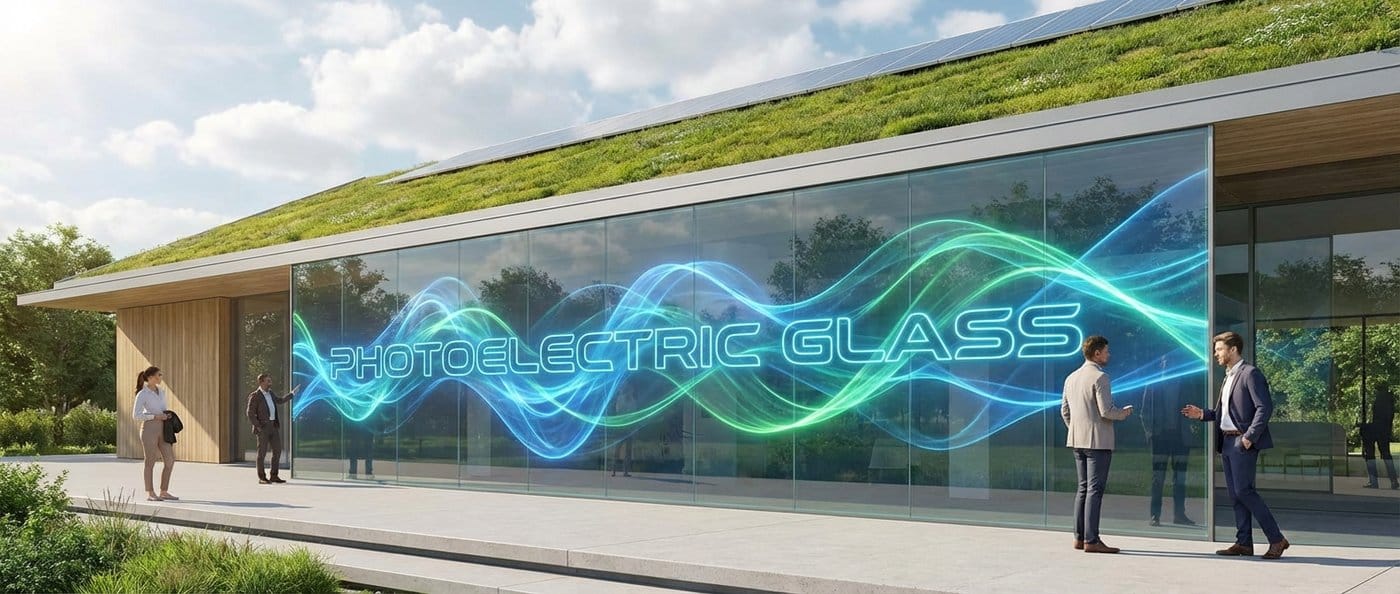
If you’ve been on an architecture or façade project long enough, you’ve heard the term “photoelectric glass” used like everyone agrees on what it is—until the RFQ lands on your desk and you realize three different suppliers are quoting three different technologies.
In practice, “photoelectric glass” is a loose umbrella term for glass that does more than pass light. It describes glass integrated with an opto-electronic function—usually one of these:
8. В ChinaLEDScreens , when clients say “photoelectric glass,” they’re most often talking about the third category: architectural glass integrated with LED display capability—especially for retail windows and media façades.
This article breaks down what “photoelectric glass” is, why confusion happens, and how to spec it so your project doesn’t derail later.
A practical definition that stops miscommunication:
Photoelectric glass is architectural glass that integrates an electronic function—power generation, light modulation, or visual display—without giving up the structural and optical role of glass.
That definition is broad by design. The real value is knowing which “branch” you’re buying, because each branch has different performance metrics, costs, and risks.
Что это такое: Laminated glass that embeds PV cells (thin film or crystalline patterns) to produce electricity. What it’s best for: Façades or skylights where energy generation is the goal, and visual content is not. What buyers often miss: You’re optimizing for kWh yield, shading, orientation, and safety, not pixel pitch, grayscale, or refresh rate.
If you ask a BIPV supplier for “brightness” or “transparency at 45°,” you’re probably in the wrong category.
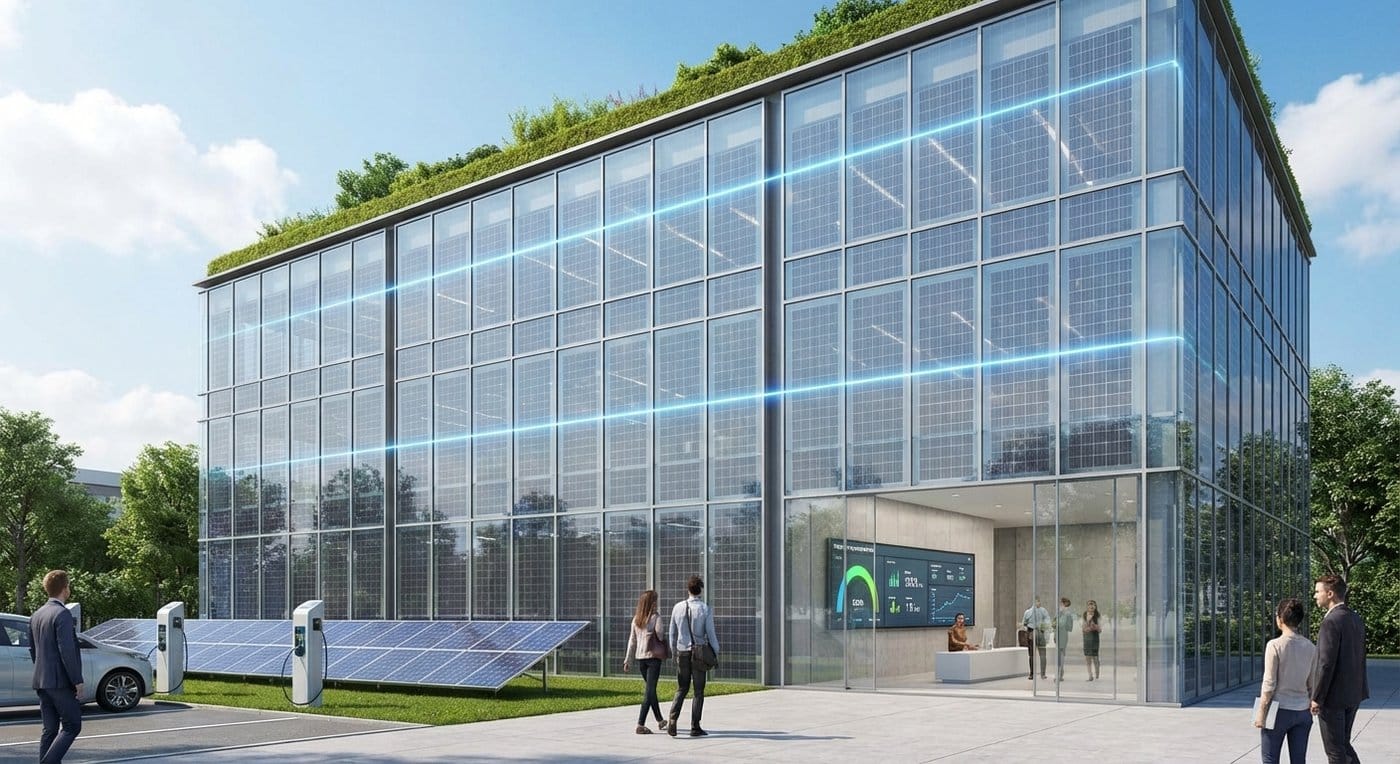
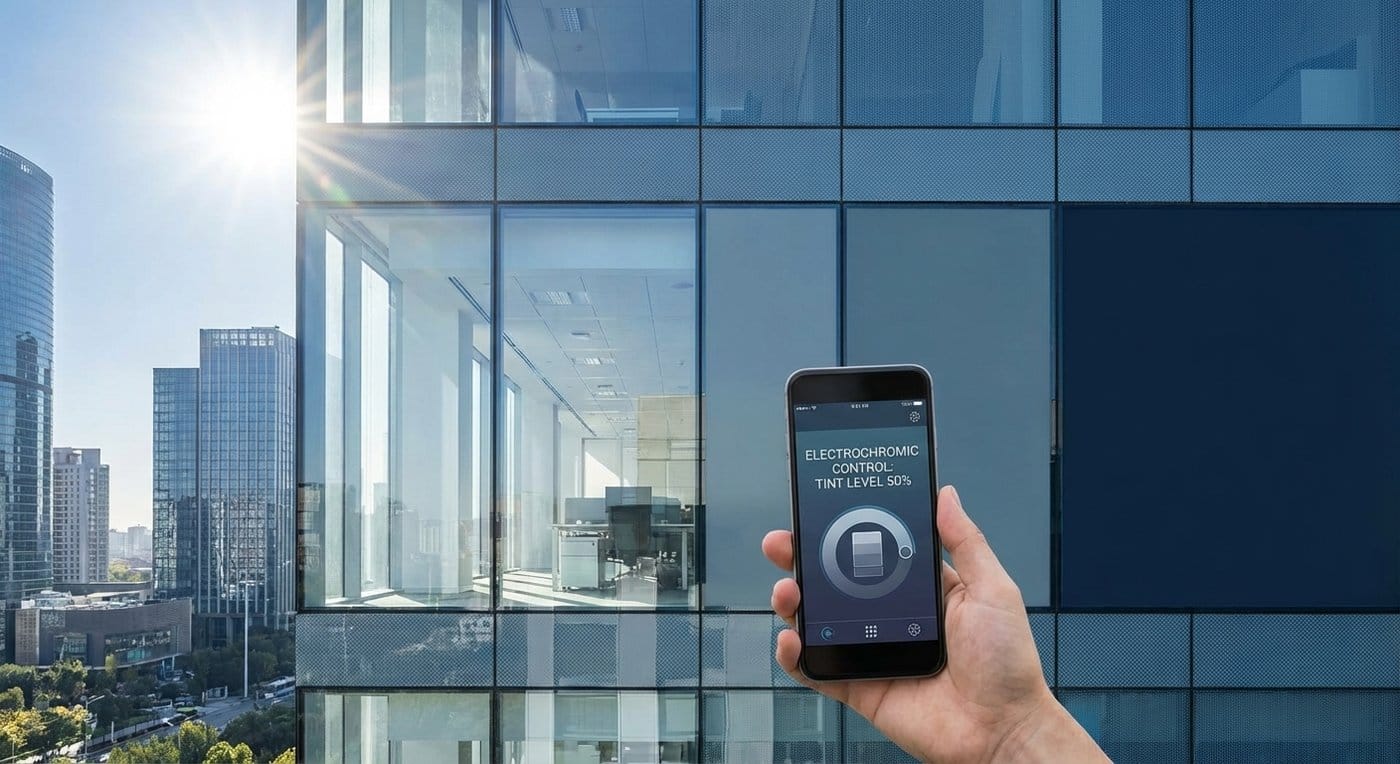
Что это такое: Glass that changes tint when voltage is applied, often used for glare control and comfort. What it’s best for: Premium façades and interiors where daylight and solar control are the priority. What buyers often miss: Switching uniformity, haze, color cast, and long-term cycling behavior can matter more than “maximum tint level.”
Again: this is not a display category.
This is the category that overlaps with transparent LED procurement and media façade projects.
Что это такое: A glass assembly (often laminated safety glass) that integrates an LED layer and electronics to display content while keeping a “glass-first” aesthetic. For deeper product framing, see our Светодиодные экраны на стекле / Прозрачное светодиодное стекло / Руководство .
Where it fits best:
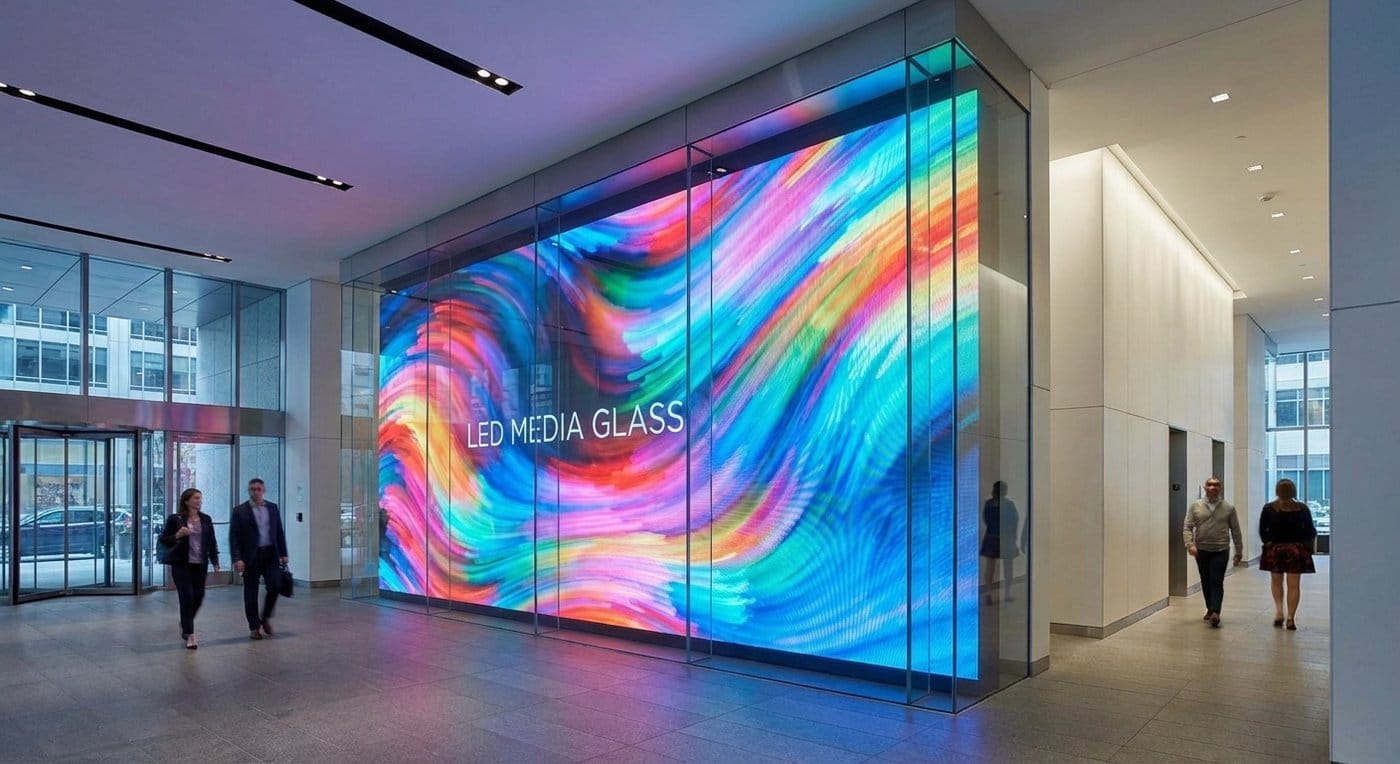
When people imagine “photoelectric glass,” they often picture a magical sheet of glass that is the screen.
In reality, LED media glass is a system:
If you want a broader reference point on how transparent display systems are generally categorized and specced, start with our transparent LED display guide .
Suppliers love a single transparency percentage. Architects love a single number too—until the first mock-up shows haze, reflections, or a visible grid.
For LED media glass, you need to clarify:
For glass-based displays, sustained brightness is constrained by thermal limits and lamination realities. Peak numbers are easy; stable daytime readability is hard.
Ask for:
On building envelopes, pixel pitch can become a budget trap. The right question is: what’s the minimum viewing distance where the content must look coherent?
A practical procurement habit:
Many projects fail aesthetically because of:
For brand façades, color quality becomes part of the architecture.
Here’s the decision logic I use with architects and integrators:
Reference: LED glass media screen .
Start with: transparent LED display guide .
A good baseline is the руководство по светодиодным плёночным экранам .
When the display is integrated into glass, your spec must cover:
If these aren’t solved early, the project gets expensive in detailing.
For LED photoelectric glass, mock-ups are not optional. You need to see:
A façade client will approve the clean render. Your operations team will inherit the service reality. Make sure you have a documented access plan.
If you want to see how these decisions play out across real builds, review our projects and case studies .
The reason “photoelectric glass” is trending in architecture is simple: glass is already everywhere—retail windows, curtain walls, atriums—and owners want those surfaces to communicate.
The most successful projects treat display glass as part of a broader solution stack:
A useful way to explore application framing is our решениях с прозрачными светодиодными дисплеями .
“Photoelectric glass” isn’t a single product—it’s a category name that can mean PV glass, smart tint glass, or LED media glass. Once you identify the branch, the specs become obvious—and your procurement gets safer.
If your intent is glass that displays content, treat it as an architectural system, demand mock-ups, and spec sustained performance—not showroom numbers.
And if you want a clean starting point for planning, procurement, and comparison across transparent systems, anchor your team around our transparent LED display guide and then narrow down into Светодиодные экраны на стекле / Прозрачное светодиодное стекло / Руководство or the руководство по светодиодным плёночным экранам based on your façade constraints.