Talk To Our Expert, Get A Solution in 20 minutes
Share your LED screen needs. Our experts will provide solutions and a quick response.

When an industry veteran meets a capable new challenger, COB display technology enters a fresh wave of innovation.
Recently, Ledman Optoelectronic’s latest moves in the COB space once again pulled attention back to this technical route. As one of the mainstream directions for Micro LED ultra-HD displays, COB is attracting more and more players into the competition.
In this increasingly crowded race, a new face has started to lay out a clear product strategy with a different mindset — ChinaLEDScreens. Can a company focused on COB display innovation carve out real room in a market full of strong incumbents? Learn more about our factory background and product scope at ChinaLEDScreens.
COB (Chip-on-Board) is an integrated packaging route that mounts LED chips directly onto a PCB substrate. In recent years, it has become increasingly favored for ultra-HD display applications.
Industry leaders such as Ledman have secured a position in the ultra-HD market through COB advantages. Their performance in areas like reliability and contrast has helped COB earn broader market acceptance.
As one industry analyst put it: “COB is moving from ‘optional’ to ‘must-have.’ As pixel pitch keeps shrinking, COB’s combined advantages in protection, reliability, and visual performance become more obvious.”
It’s within this industry context that ChinaLEDScreens chose to enter the COB arena with a more differentiated product direction—especially for architectural and glass-based scenarios that require careful trade-offs between visibility, structure, and image performance. For a broader buyer’s framework, see our 투명 LED 디스플레이 가이드.
Unlike players that focus on traditional direct-view COB, ChinaLEDScreens leans into a more differentiated path: COB transparent displays.
According to the product team, the goal isn’t just to make “a transparent screen,” but to make a transparent screen that is usable, scalable, and commercially sensible.
For projects evaluating high-transparency glass installs, start with our Transparent LED Screens category.
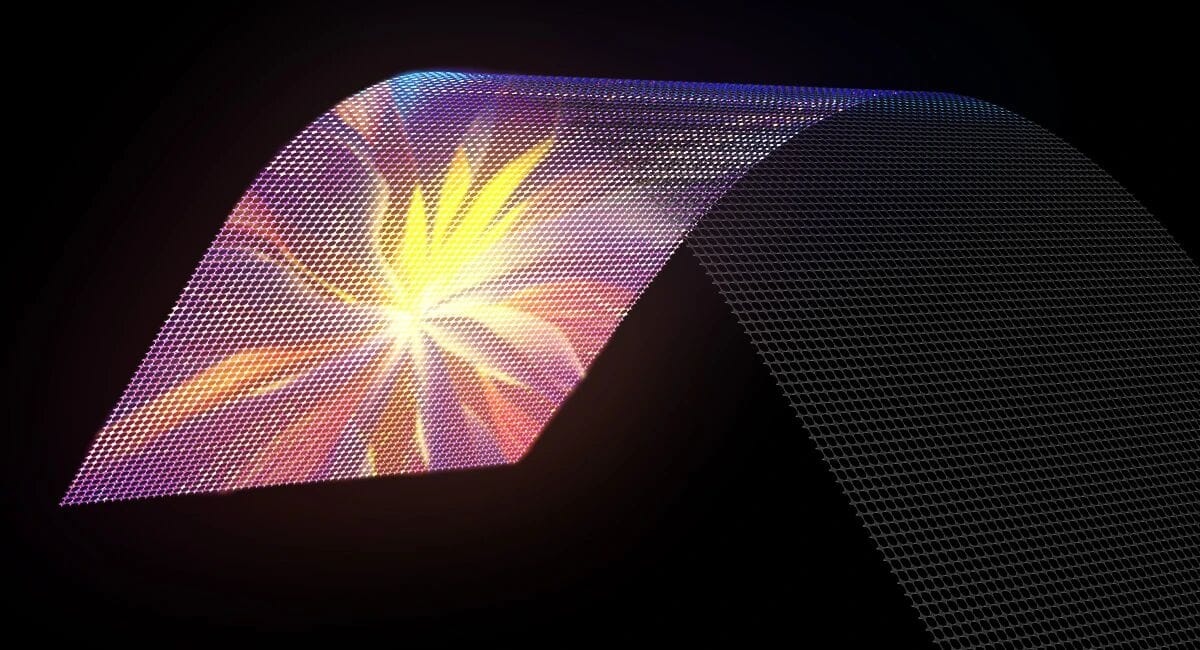
The article highlights a COB transparent concept that uses:
The result: when the system is off, it can appear close to standard glass; when powered on, it delivers bright, saturated dynamic visuals — aiming to push transparency and picture performance together instead of forcing a compromise.
For readers who want the manufacturing/QC perspective behind “COB + transparent,” see COB transparent LED display technology.
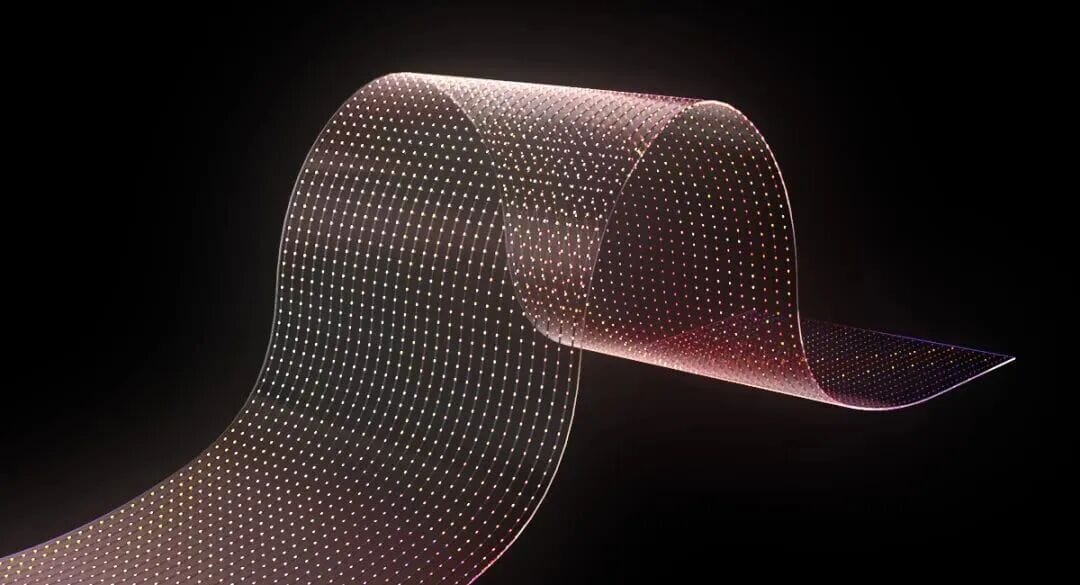
Another key point in the original post is cost-performance: it claims a maximum power of ~200W/m², with average power around 30–50W, positioned as significantly more energy-efficient than conventional approaches.
The positioning is clear: technology must return to business fundamentals — customers need solutions they can afford, deploy, and maintain.
The original post describes a dual product strategy:
If you’re building a stage/retail/museum “floating content” concept, explore Holographic LED Screens.
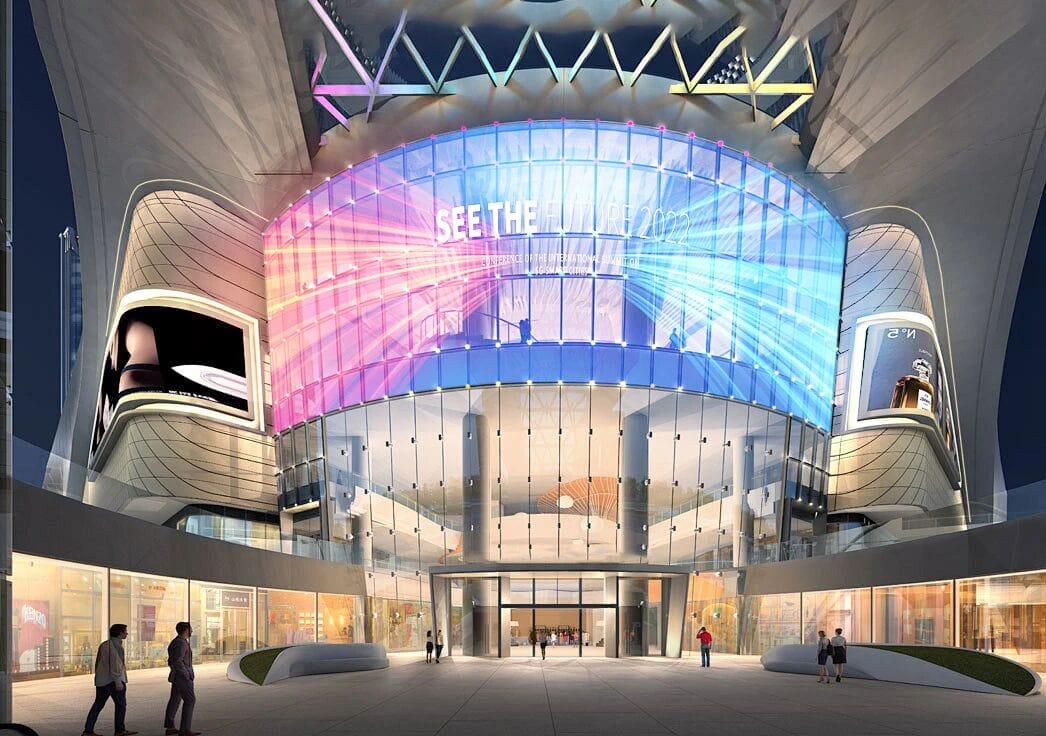
Technology value is proven through deployment. The post gives examples of transparent COB screens being used in real scenarios such as:
A premium brand’s flagship store used transparent displays in the storefront window to keep the space visually open while running dynamic product content, claiming a 30% increase in foot traffic.
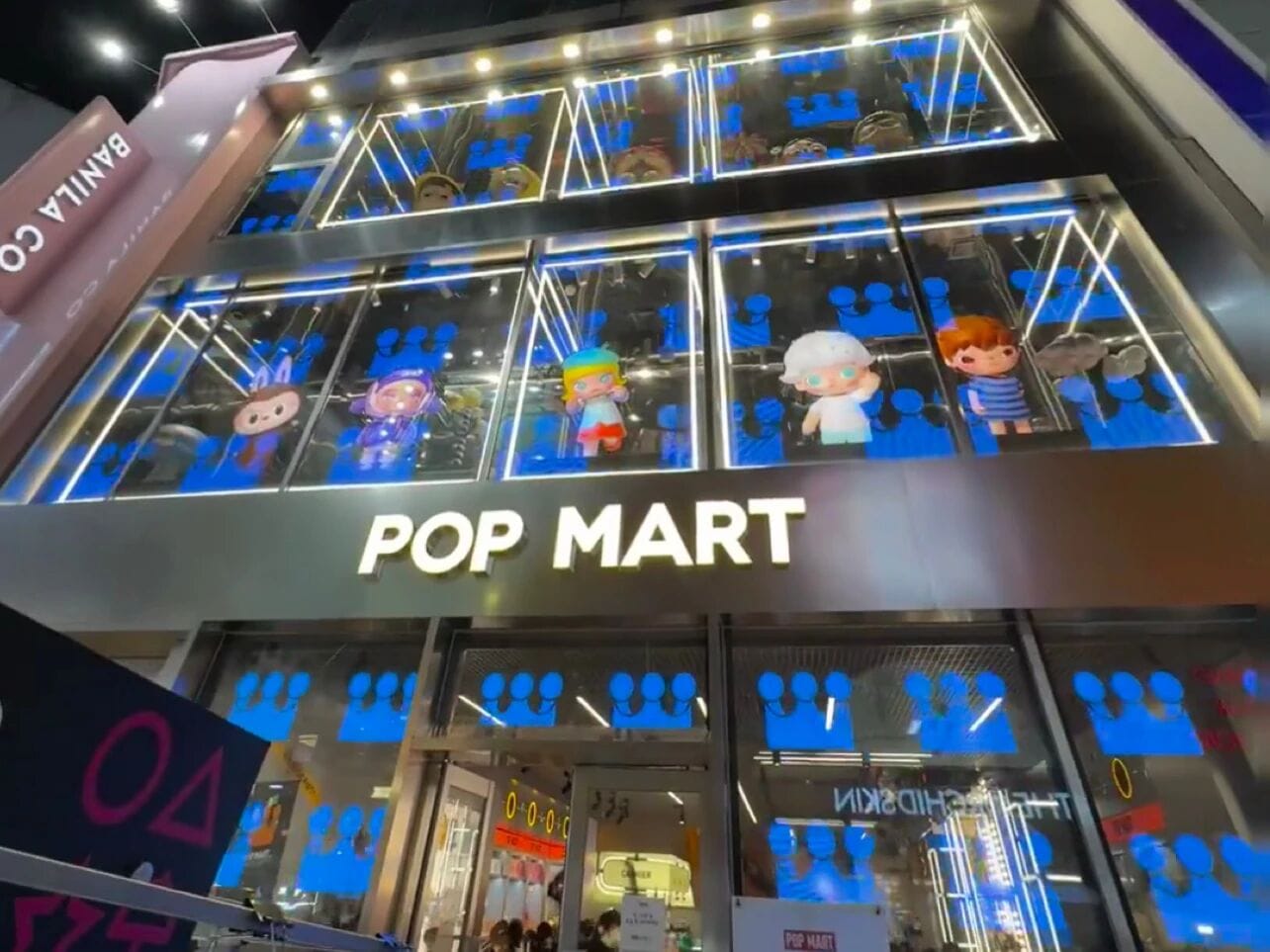
A chain restaurant used transparent screens as daytime partitions (keeping openness and light), then switched to nighttime information displays — a “one product, two functions” approach that improves space efficiency.
A channel partner quoted in the post notes that customers used to compromise between transparency and display performance — and that this conflict is being reduced as transparent display engineering improves.
Even with differentiation, COB remains fiercely competitive. Beyond established players, more companies are joining the route. The real challenge is balancing:
The post emphasizes a practical direction: instead of blindly pursuing extreme parameters, prioritize customer value such as:
It also states the company is developing a next-generation COB transparent display that aims to maintain high transparency, improve picture performance, and optimize cost structure.
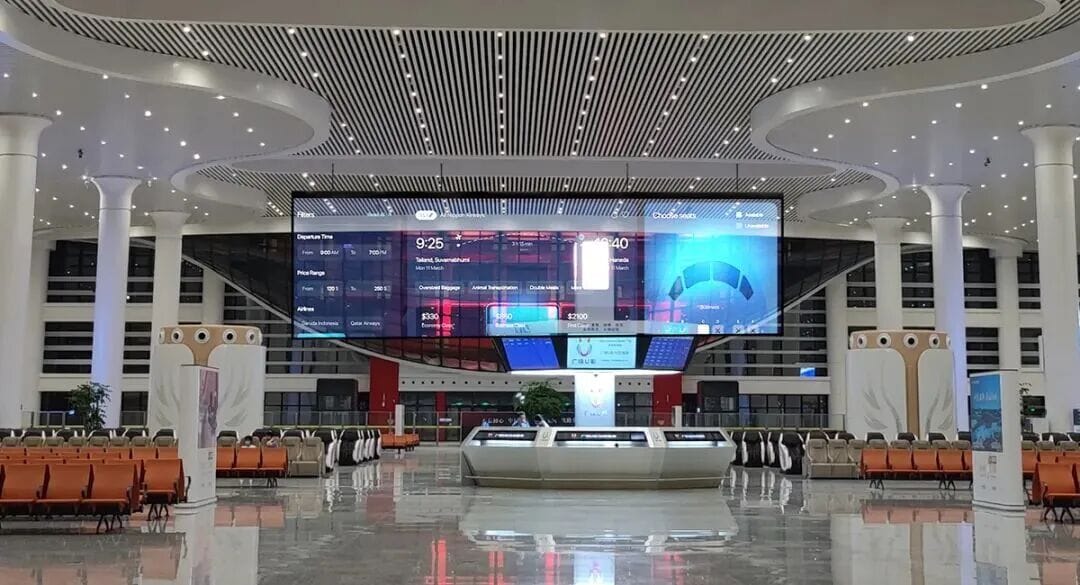
ChinaLEDScreens, founded in 2009, is a China-based factory focused on transparent LED display solutions for brands, architects, integrators, and general contractors—turning glass into dynamic media without blocking daylight or visibility. Our portfolio includes transparent LED screens, LED glass screens, LED film screens, flexible LED film, holographic LED screens, and mesh LED displays.
For OEM/ODM projects, engineering documentation, and delivery support, see our transparent LED OEM/ODM services.
If your project is specifically evaluating COB-based transparent film, you can also reference our COB transparent LED film screen product direction.