Parla con il nostro esperto, ottieni una soluzione in 20 minuti
Condividi le tue esigenze in fatto di schermi LED. I nostri esperti ti forniranno soluzioni e una risposta rapida.

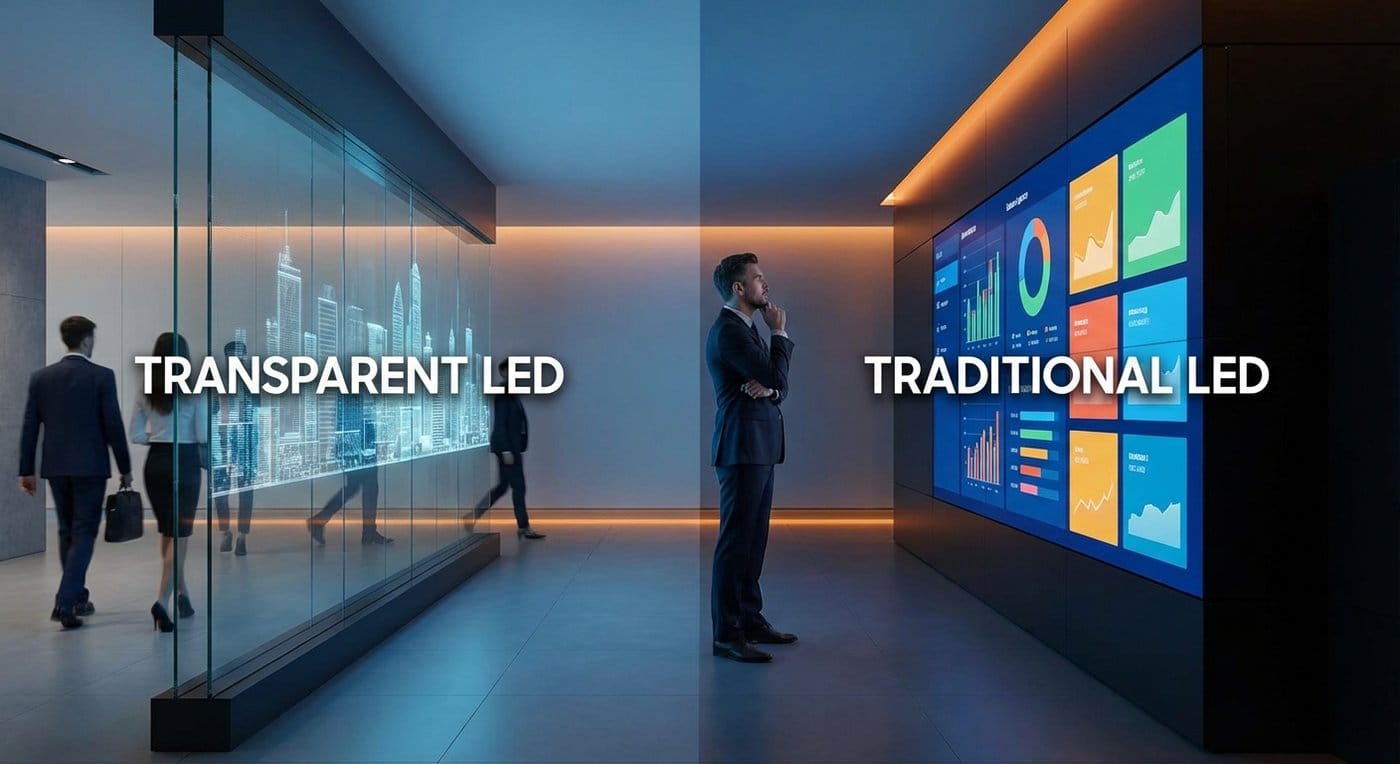
If you’re choosing between transparent LED and traditional LED, the real risk isn’t picking the “wrong technology.” It’s buying a system that doesn’t match the job—then spending the next 2–5 years fighting heat, glare, weak contrast, structural constraints, or maintenance overhead.
At Schermi LED cinesi, we build transparent LED solutions—but we’ll say this clearly: traditional LED is still the best answer in many scenarios (stadiums, large outdoor billboards, control rooms, stage backdrops, high-brightness daytime viewing, etc.).
So let’s make this a practical decision guide—engineer-friendly, budget-aware, and aligned with real deployments.
The field of display technology has witnessed significant evolution, particularly with the emergence of LED displays, which have become prominent in both outdoor and indoor applications. Traditionally, LED displays were primarily used for large outdoor billboards, but advancements have led to their incorporation into diverse environments, transforming visual communication and information delivery with high brightness, long lifespans, and vivid colors. More recently, the introduction of transparent LED screens has provided an innovative alternative, allowing for integration in spaces where visibility and aesthetics are paramount.
Both traditional LED displays and transparent LED screens operate on the principles of light-emitting diodes (LEDs). Traditional LED screens utilize RGB (red, green, blue) lamp beads to create visuals, while transparent LED films employ micro LED lights embedded on a thin, flexible layer that uses integrated circuits. This design enables the transparent displays to produce high-resolution images and videos while maintaining a high degree of transparency, which is a distinguishing feature compared to their solid counterparts. The micro LED configuration not only enhances visual clarity by eliminating hot spots and glare but also supports a lightweight and ultra-thin design conducive to various applications, from storefronts to event stages.
A key differentiator between traditional and transparent LED displays is their appearance. Transparent LED screens are designed to maintain an openness of vision, allowing viewers to see through the display while still conveying dynamic content. In contrast, traditional LED displays offer strong brightness and vibrant visuals but lack the see-through quality that transparent displays provide. This property is particularly advantageous in retail and advertising sectors, where maintaining aesthetic appeal and visibility of surrounding environments is crucial.
Energy efficiency is another area where transparent LED screens excel. Their structural design includes open spaces between LED strips, reducing power consumption while still delivering effective visual performance. Traditional LED screens, although more energy-efficient than older technologies, do not match the energy-saving capabilities of transparent displays, which are tailored to meet modern environmental standards.
From an installation and maintenance perspective, transparent LED screens are often more flexible and easier to manage than traditional LED cabinets. Their lightweight nature allows for simpler integration into various architectural designs without the need for extensive support structures. Moreover, their low maintenance requirements and ease of upkeep contribute to their growing popularity in various commercial applications.
Most buyers use “traditional LED” to mean opaque, direct-view LED displays, including:
These systems prioritize brightness, contrast, pixel density, ruggedness, and viewing uniformity—with no requirement to see through the display.
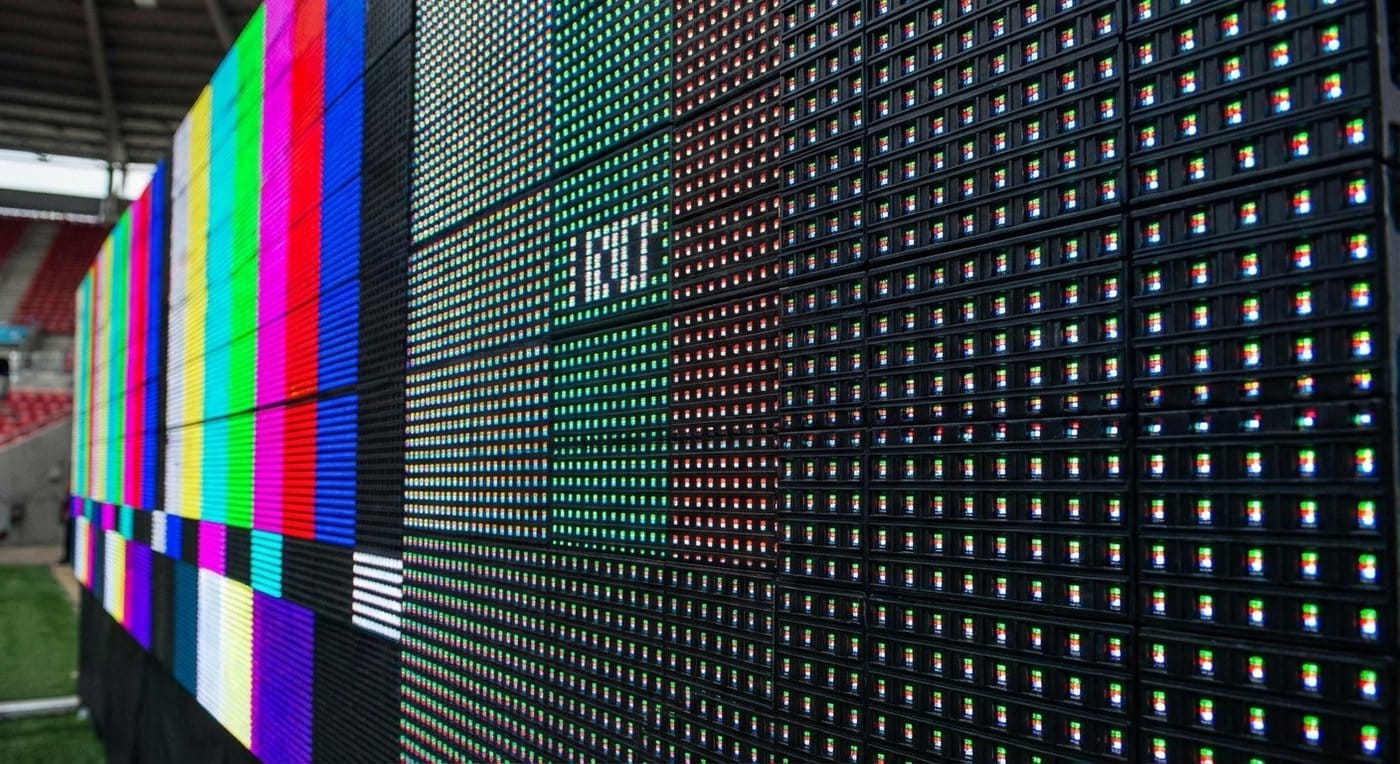
Transparent LED is a family of see-through display architectures designed to preserve visibility/daylight, typically for glass-based spaces:
Transparent isn’t “better.” It’s different: you’re trading some optical and pixel-density freedom to gain architectural openness.
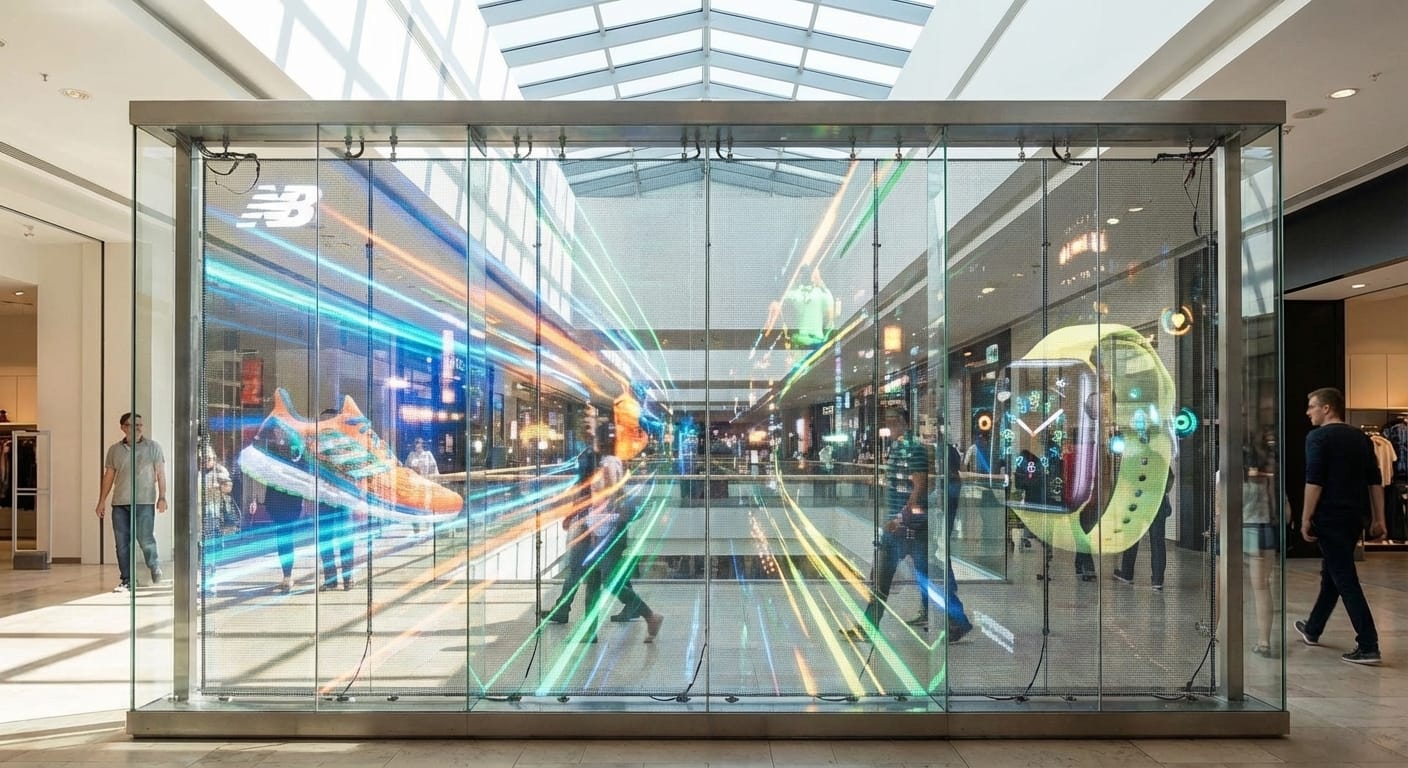
Traditional LED screens offer several benefits that make them a popular choice for various applications.
One of the primary advantages of traditional LED screens is their high brightness and contrast levels. This capability allows them to deliver vivid images even in brightly lit environments, making them suitable for outdoor advertising and bright indoor spaces. The black mask design employed in these screens absorbs ambient light, enhancing visual performance further.
Traditional LED screens boast diverse installation options. They can be mounted on walls, suspended from ceilings, or placed on the ground, providing flexibility to adapt to different settings and requirements. However, their relatively complex structure may require careful consideration of load-bearing capacities, wiring, and heat dissipation, often necessitating professional installation and maintenance services.
Transparent LED screens also present distinct advantages that cater to specific business needs.
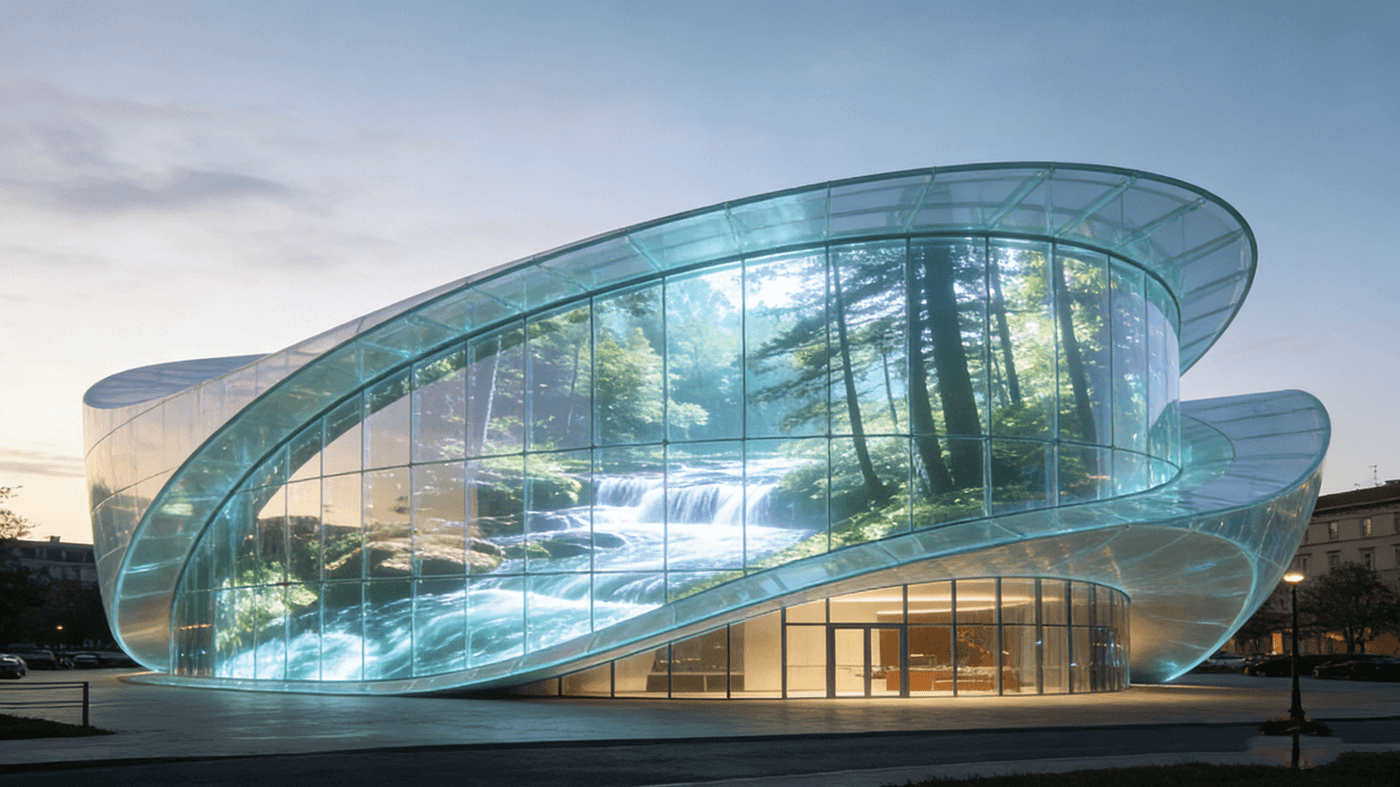
One of the most compelling benefits of transparent LED screens is their ability to integrate seamlessly into architectural designs. Their see-through technology allows for the display of dynamic content without obstructing views of the surroundings, making them ideal for retail environments and modern office spaces. This aesthetic enhancement can significantly boost a brand’s image and draw customers’ attention.
Transparent LED screens are lightweight and easy to install, requiring minimal structural modifications to existing buildings. This characteristic allows businesses to leverage these screens in places where traditional displays might be impractical or impossible to install.
The customizable nature of transparent LED screens enables businesses to tailor displays to various shapes and sizes, enhancing visual appeal and customer engagement. Furthermore, they can create immersive experiences through interactive content, adding an innovative dimension to marketing strategies.
Despite their benefits, traditional LED screens also have drawbacks.
Traditional LED screens typically involve a more complex maintenance process due to densely packed internal components. This complexity often requires specialized technicians for fault diagnosis and component replacement, potentially leading to higher long-term operational costs.
While traditional LED screens are energy-efficient compared to older technologies, they still consume more power than transparent LED screens, which can impact operational costs over time.
Transparent LED screens are not without their limitations.
To maintain transparency, the LED density in transparent screens is reduced, resulting in lower brightness compared to traditional LED displays. This limitation can affect visibility in very bright environments, necessitating careful consideration of where these screens are deployed.
The initial cost of transparent LED screens may be higher due to their advanced technology and aesthetic advantages. Businesses must evaluate whether the long-term benefits and potential for increased customer engagement justify this investment.
| Factor | Transparent LED | Traditional LED |
|---|---|---|
| Best fit | Glass windows, atriums, curtain walls | Video walls, billboards, stage, control rooms |
| Daylight impact | Preserves visibility and daylight | Blocks view; dominates visual field |
| Contrast control | Harder (light passes through/behind) | Stronger perceived contrast |
| Pixel pitch flexibility | More limited by transparency goals | Broad range (fine pitch to large pitch) |
| Installation | Structural + glass constraints matter | Structure is usually more straightforward |
| Maintenance | Must plan access carefully | Often easier to access/service |
| Content style | Motion graphics, brand loops, big text | Anything (UI, video, broadcast, detailed text) |
Ask one question first:
A storefront window, atrium, and glass curtain wall are “visibility-first.” A highway billboard, arena ribbon board, or stage IMAG wall is “image-first.”
Transparent LED often operates with ambient light behind it (the outdoors, sunlight through glass, interior lighting), which can reduce perceived contrast.
Traditional LED, being opaque, can control the visual field more easily—especially for:
If your project involves cameras, high refresh stability, and strict uniformity, traditional LED remains the safest baseline.
Most buying mistakes happen here.
For transparent LED projects, treat pixel pitch as viewing-distance-driven, not ego-driven. If you over-spec pitch for a window, you may lose transparency, increase load/power, and gain little real-world readability.
Transparent LED projects often have unique constraints:
If your structure can’t accept cabinets or you need ultra-light visual media, consider alternatives like mesh LED displays (façade-scale, wind-friendly) using a mesh LED display approach or the deeper selection guide here: Guida all'acquisto dei display LED mesh.
Traditional LED is often heavier, but structurally simpler: you build a wall, mount the display, manage service access.
Maintenance isn’t about “will it fail?”—it’s about how you service it when something fails.
If you’re planning an architectural application, your procurement checklist must include:
A practical pattern we see: transparent LED for the window, plus a traditional LED feature wall deeper inside the store.
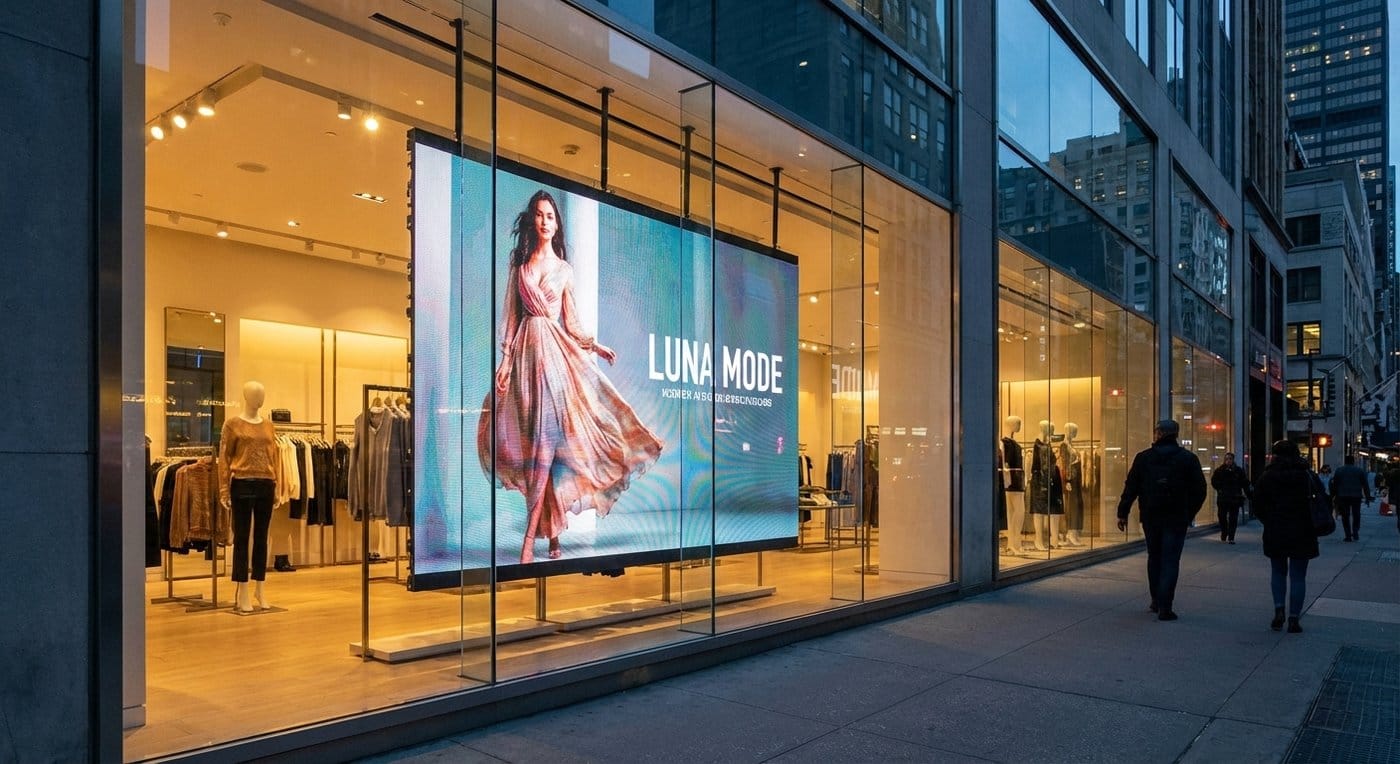
If the goal is premium, high-resolution brand experience, traditional fine-pitch LED usually wins. It delivers:
Transparent LED makes sense only when the lobby architecture demands openness (glass behind the display is part of the design).
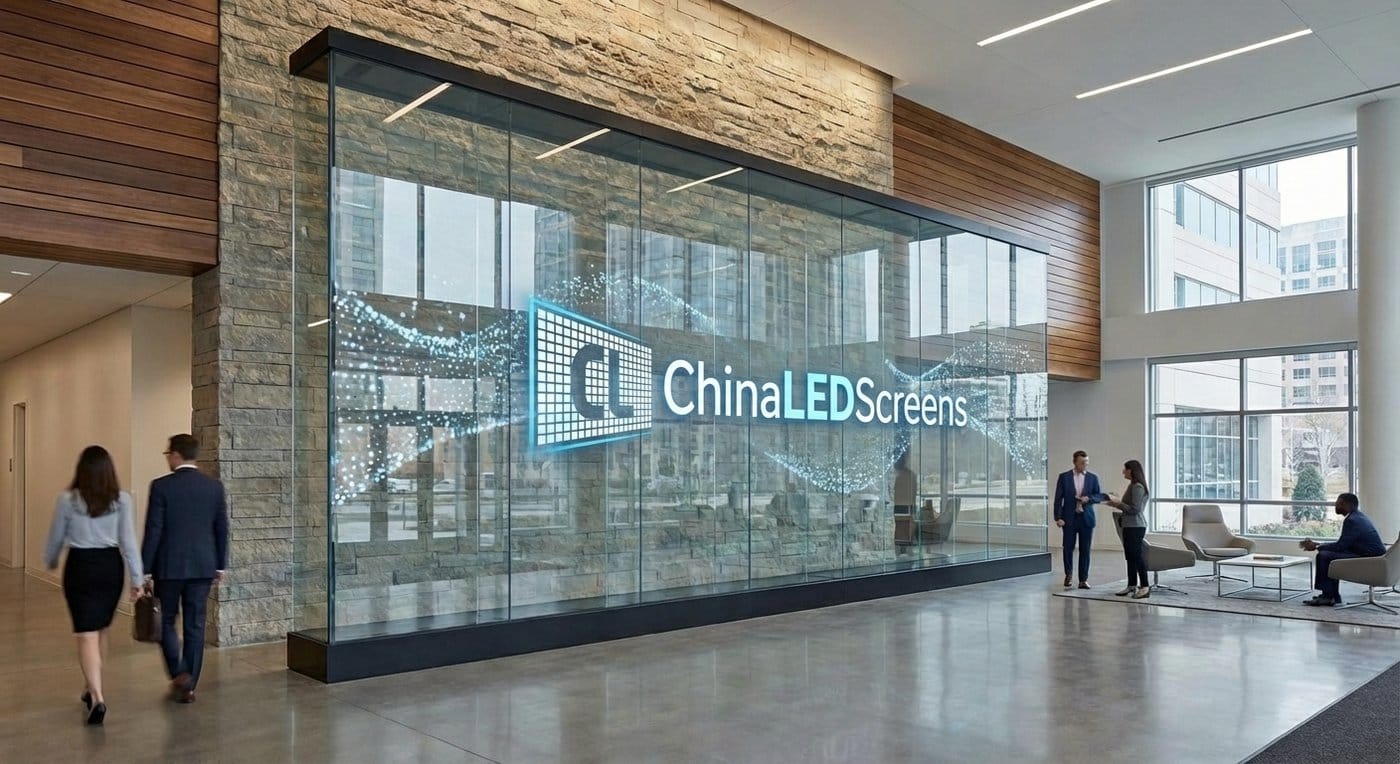
This is where many teams make the wrong comparison. The real choice is often:
If the building needs “lightweight media skin,” explore:
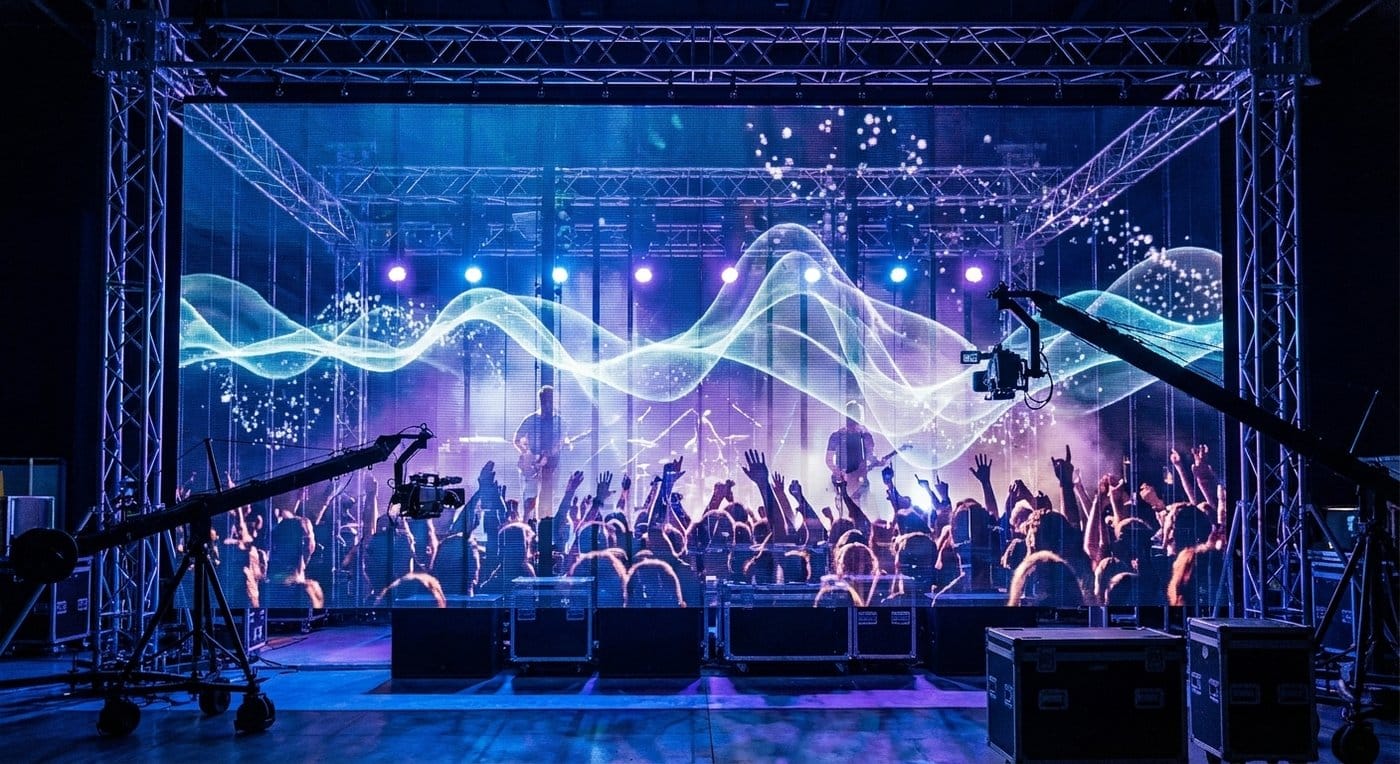
Traditional rental/stage LED remains the default:
Transparent/holographic effects can be layered creatively, but they’re usually not the “main wall” for critical viewing.
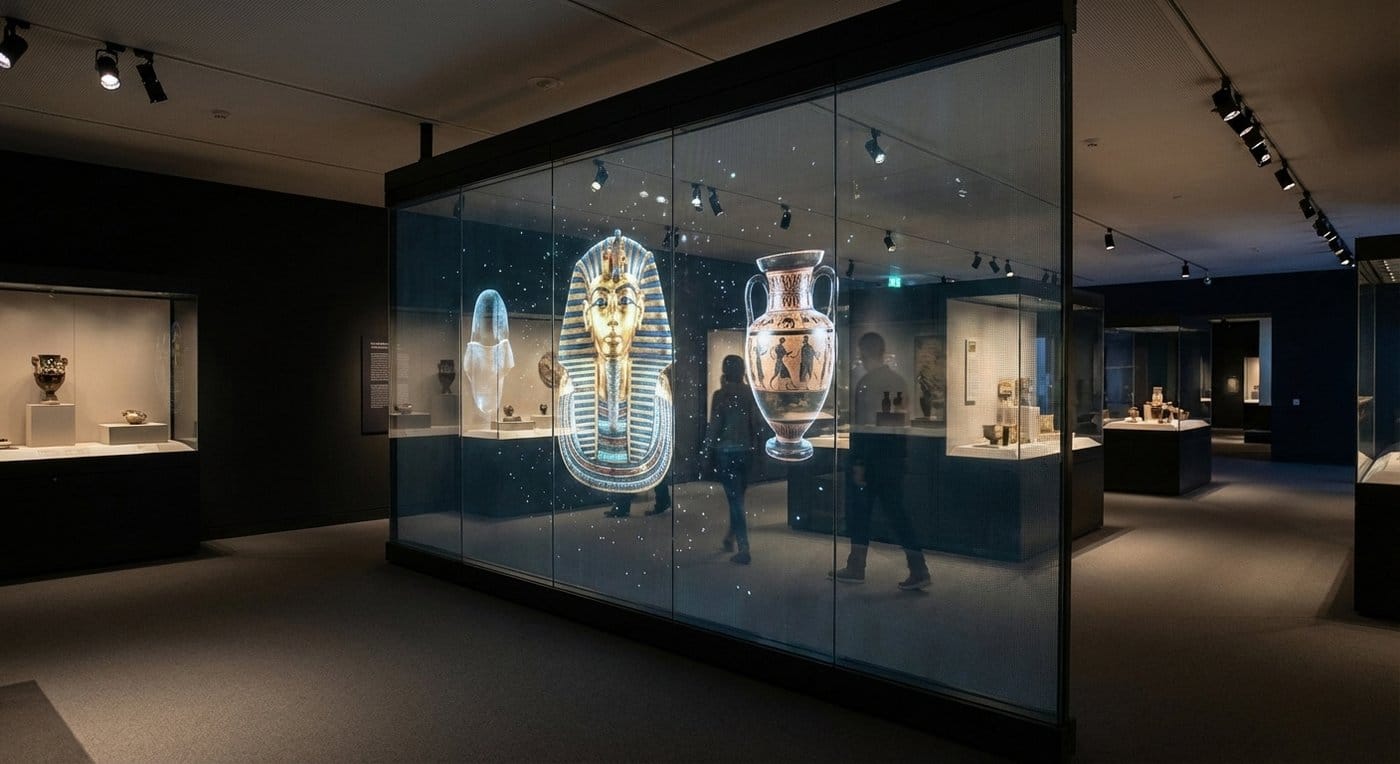
This is a split decision:
If the requirement is “floating visuals,” holographic concepts can also play a role (but ensure content is designed for that medium).
Transparent LED can look “more expensive” upfront because:
But in architecture/retail, ROI is often tied to:
Traditional LED ROI is typically tied to:
Power depends heavily on brightness settings, content, and duty cycle. Don’t compare “max power” only—compare:
If you want to see how we structure engineering + QC for architectural deployments, start with Tecnologia e qualità, then review how we support delivery under Servizi.
If you’re presenting to stakeholders, use this rule:
And if you need proof and references for stakeholder buy-in, collect comparable deployments from Projects & Case Studies.
Transparent LED is growing fast because architecture is changing—more glass, more mixed-use spaces, more demand for digital experiences without sacrificing openness. But traditional LED isn’t being replaced; it’s evolving in parallel and remains the most reliable answer in many “display-first” environments.
If you want, we can help you shortlist the best-fit architecture (traditional vs transparent vs mesh/film/glass) based on:
Start at Schermi LED cinesi and share your scenario—we’ll respond with an engineer-style recommendation, not a sales pitch.