Поговорите с нашим экспертом, получите решение за 20 минут
Расскажите о ваших потребностях в светодиальных экранах. Наши эксперты предоставят решения и быстрый ответ.

ChinaLEDScreens | Architectural “media lighting” for façades, edges, and creative lines
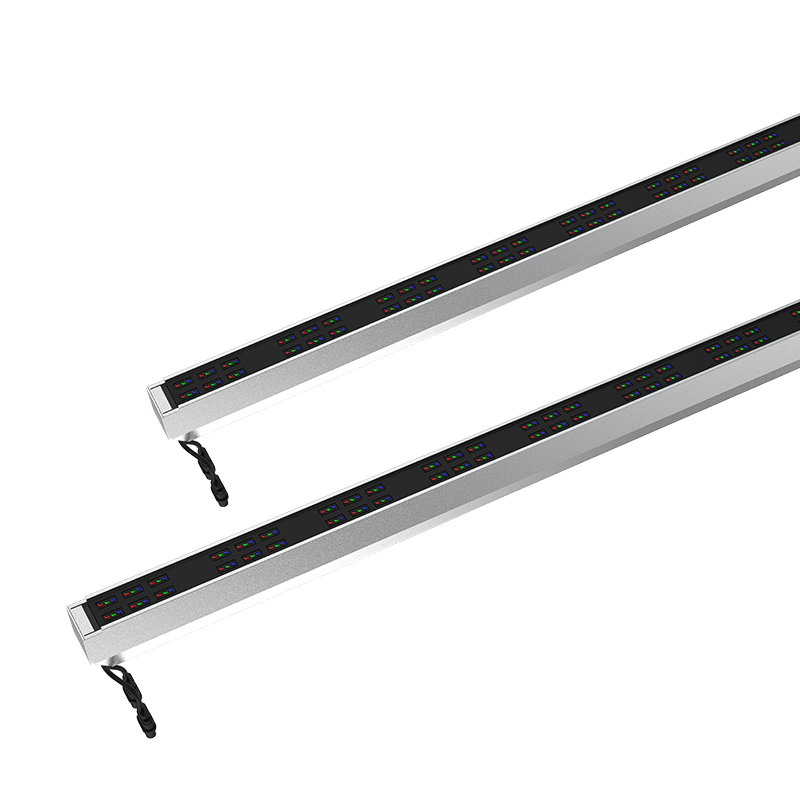
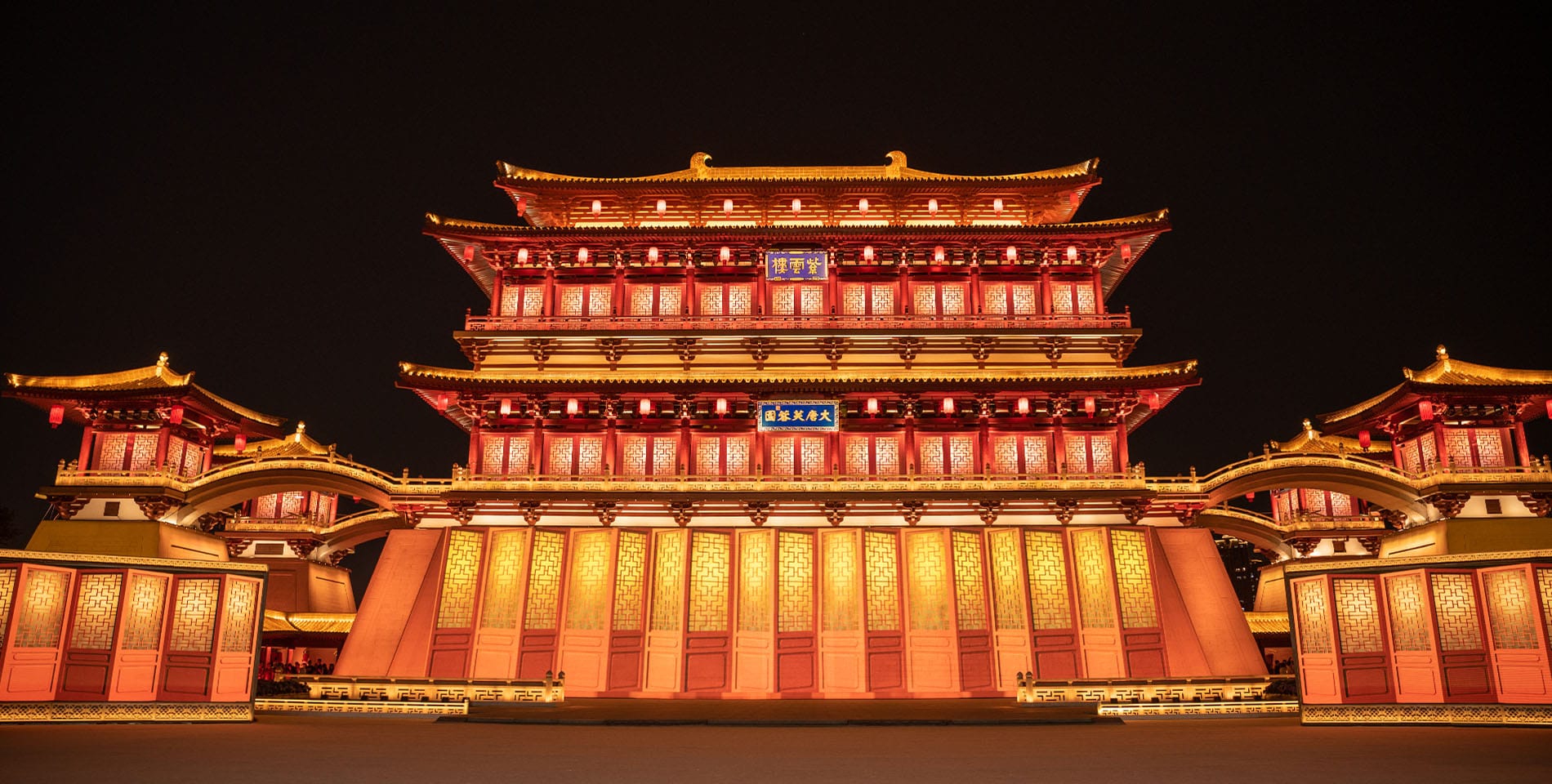
LED video light strips are not regular outline light strips. They’re closer to a linear LED display—a strip-based system where LEDs are pixel-addressable, so the building line can play motion, patterns, gradients, and simple graphics.
If a client says: “We want the façade lines to move,” “We want waves across the building,” or “We want branding animations on edges,” they usually mean Светодиодные видеополосы.
This guide explains how video light strips work, where they fit, and how to specify them so the result looks intentional—not like random twinkling LEDs.
An LED video light strip is a linear strip with controllable pixels. Each segment (or each LED) can be addressed independently through a controller, letting you run:
Think of it as media lighting, not illumination.
Key difference vs standard LED light strips:
Video strips are used when you want a building to feel alive at night, but you don’t want (or can’t install) a full LED screen façade.
Rooflines, parapets, and vertical corners that can run animated “brand motion” without covering the façade.
Great for creating moving lines on ribs, fins, mullions, or layered cladding.
Creates premium arrival moments and can be synced with events or promotions.
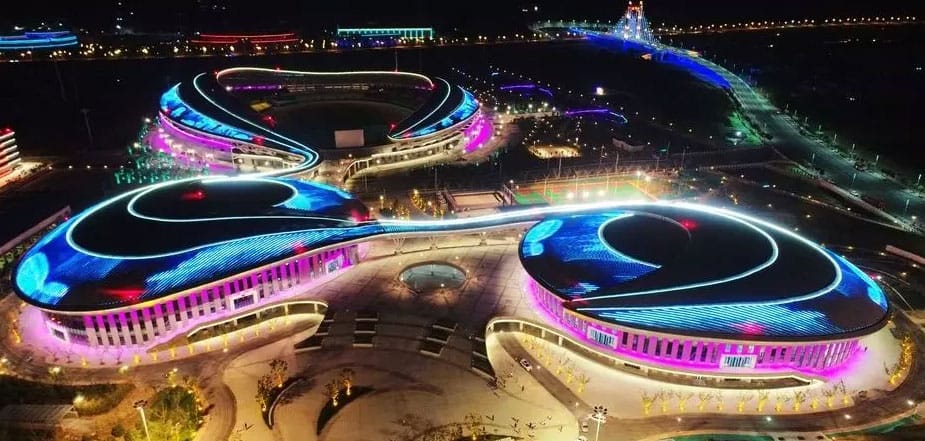
Common in city lighting upgrades because strips are lighter and less visually aggressive than large screens.
Video strips drive attention while keeping architecture visible.
You get motion and brand expression with far less structural work than installing a screen.
Because strips follow lines that already exist, the result can feel “designed,” not attached.
Video strips are often controlled by schedules:
For long buildings, strips scale well and distribute load across mounting lines.
Video light strip projects succeed or fail based on a few key specifications.
Higher density = smoother gradients and motion, better “media” effect. Lower density = more dotted look, best for simple chases and lines.
Choose density based on viewing distance. Close-view installations need higher density.
Brightness isn’t only raw output—optics matter:
A strip that’s too bright can look harsh and cheap. Controlled brightness looks premium.
If your building is filmed (events, drone footage, social media), refresh rate matters. Poor refresh can cause flicker artifacts on camera.
Common control approaches include:
Your choice should match how complex the show needs to be.
Outdoor installations require proper protection, sealing at cut points, and mechanical durability. Most failures happen at:
Video strips are powerful, but the content approach must respect the building.
A professional façade lighting project usually has:
Long runs require correct injection points or you’ll see uneven brightness.
The strip must be mounted cleanly so the line looks intentional from distance.
Corners define whether the system looks engineered or improvised. Plan corner pieces and cable routing early.
Controllers and power supplies must be accessible for service. Outdoor sealed boxes must be ventilated and weather-ready.
For tall buildings and outdoor metal structures, surge protection and grounding are not optional.
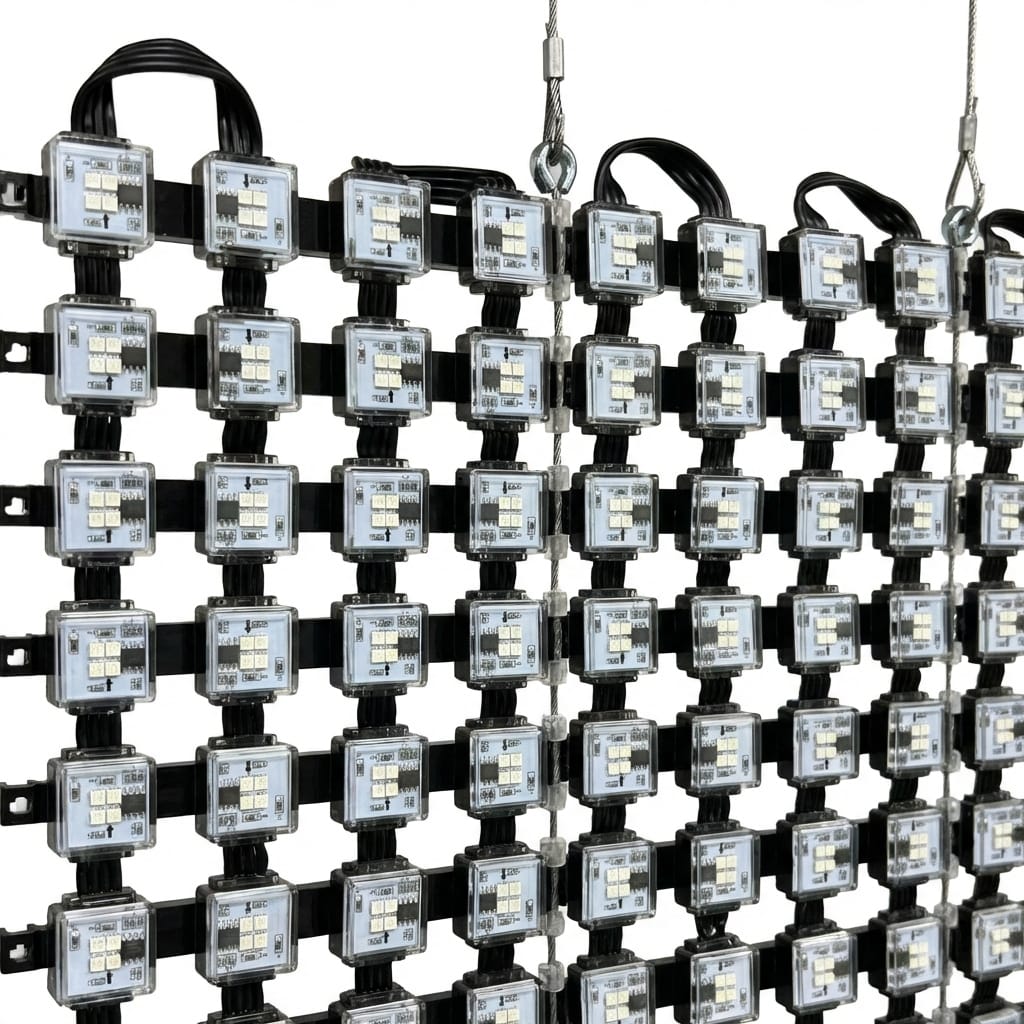
If the client wants “content,” they usually need video strips or mesh LED, not standard light strips.
Media lighting needs both hardware consistency и проектированием системы.
ChinaLEDScreens supports video strip projects with:
We focus on making the final result look architectural and reliable—not like a temporary lighting stunt.
If you send:
We’ll recommend a pixel density, control approach, power plan, and a clean installation method.
If you send:
We’ll recommend a pixel density, control approach, power plan, and a clean installation methtes.