Talk To Our Expert, Get A Solution in 20 minutes
Share your LED screen needs. Our experts will provide solutions and a quick response.


ChinaLEDScreens | Lightweight, see-through LED mesh for creative and architectural installs
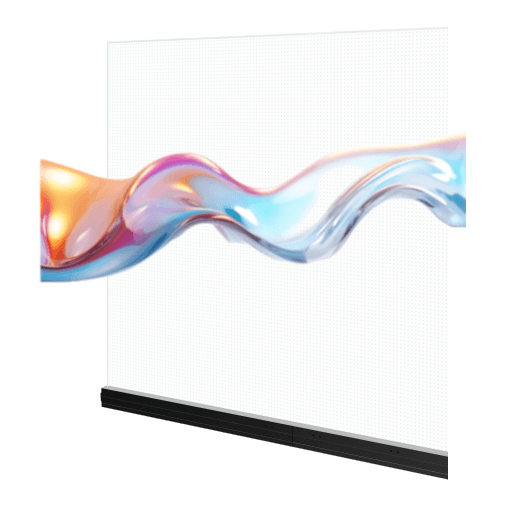
When people say “mesh LED,” they often mean two different products. This page is about LED Mesh Screen—the mesh/curtain-style product, not grille LED.
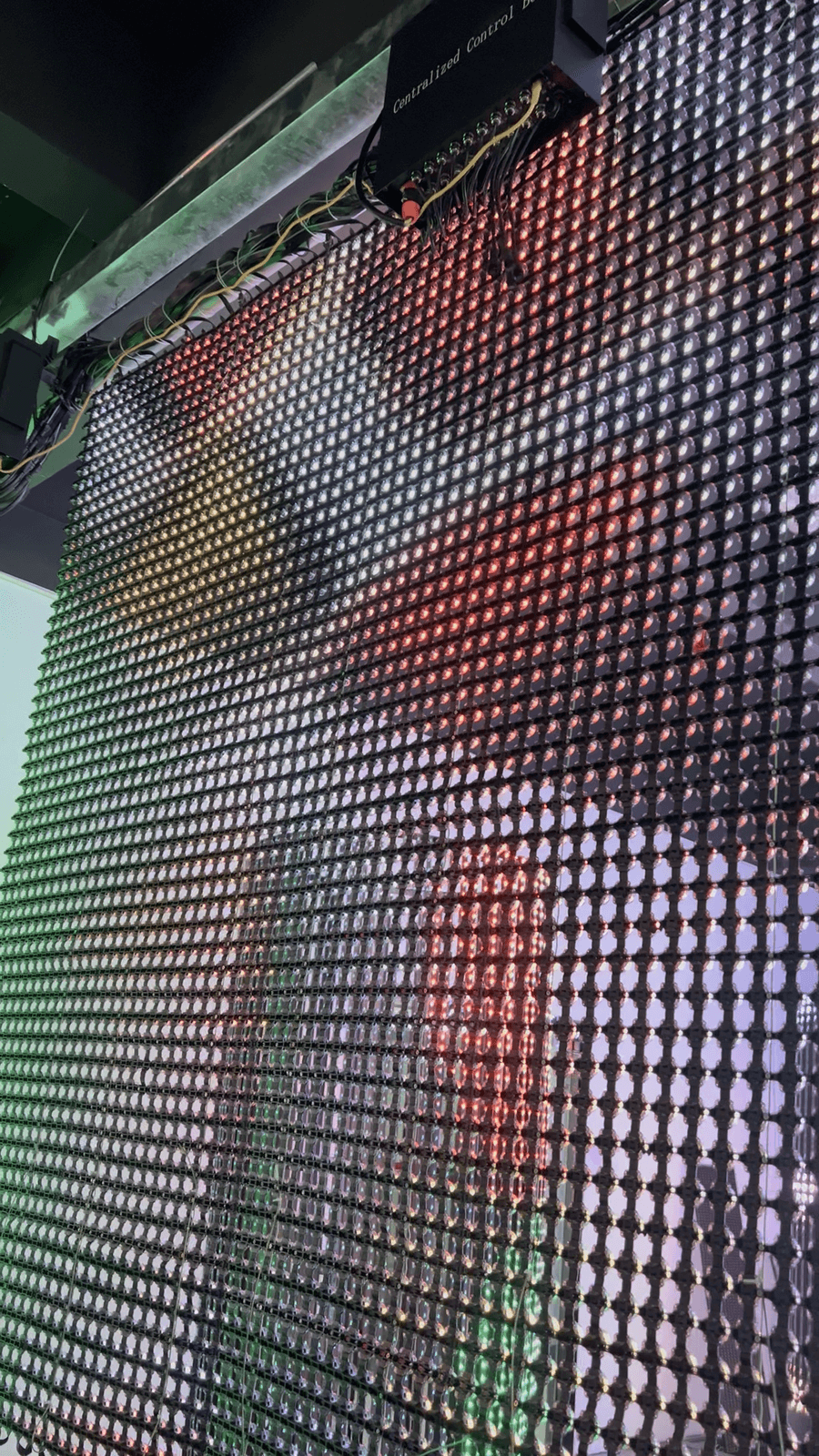
An LED Mesh Screen is designed to be ultra-light, porous, and flexible, so it can cover large areas without heavy cabinets. It’s the right choice when you need a see-through display that can follow structures, hang like a curtain, and handle wind and airflow naturally—while still delivering strong visuals from the correct viewing distance.
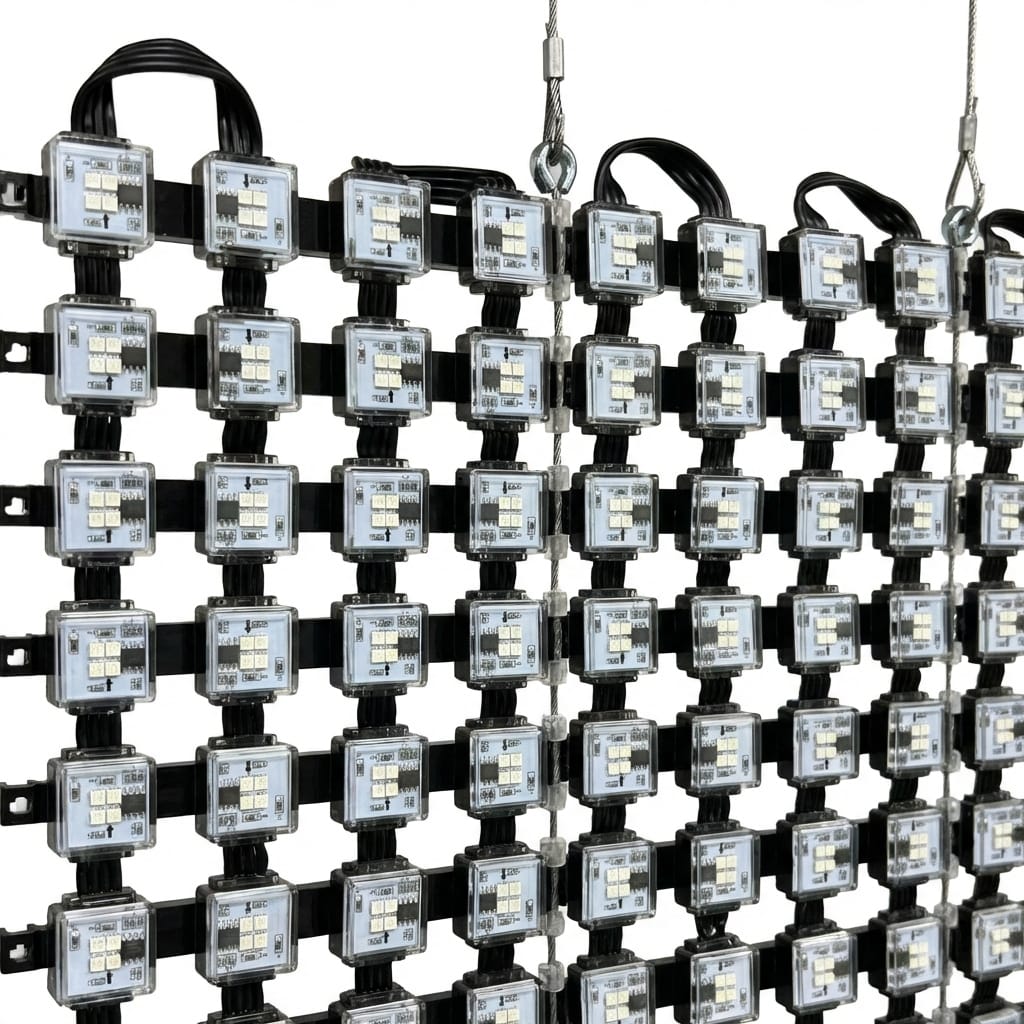
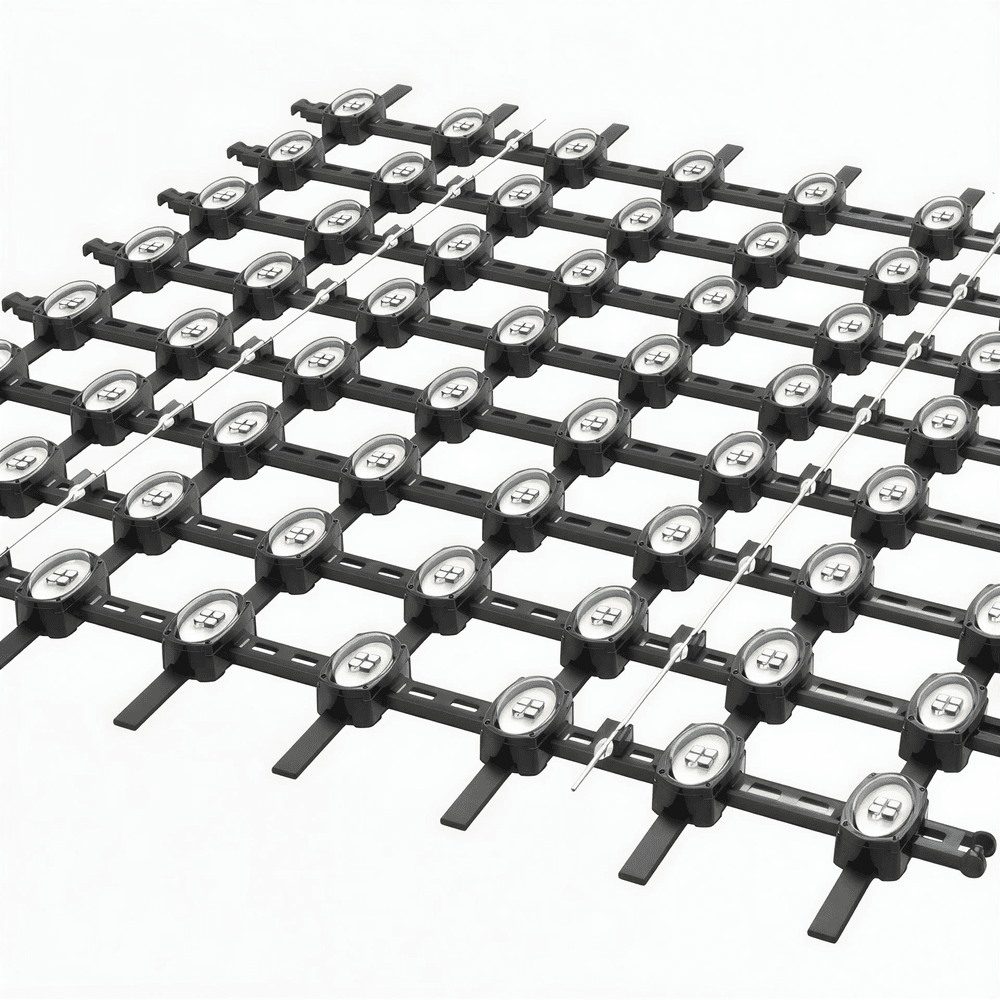
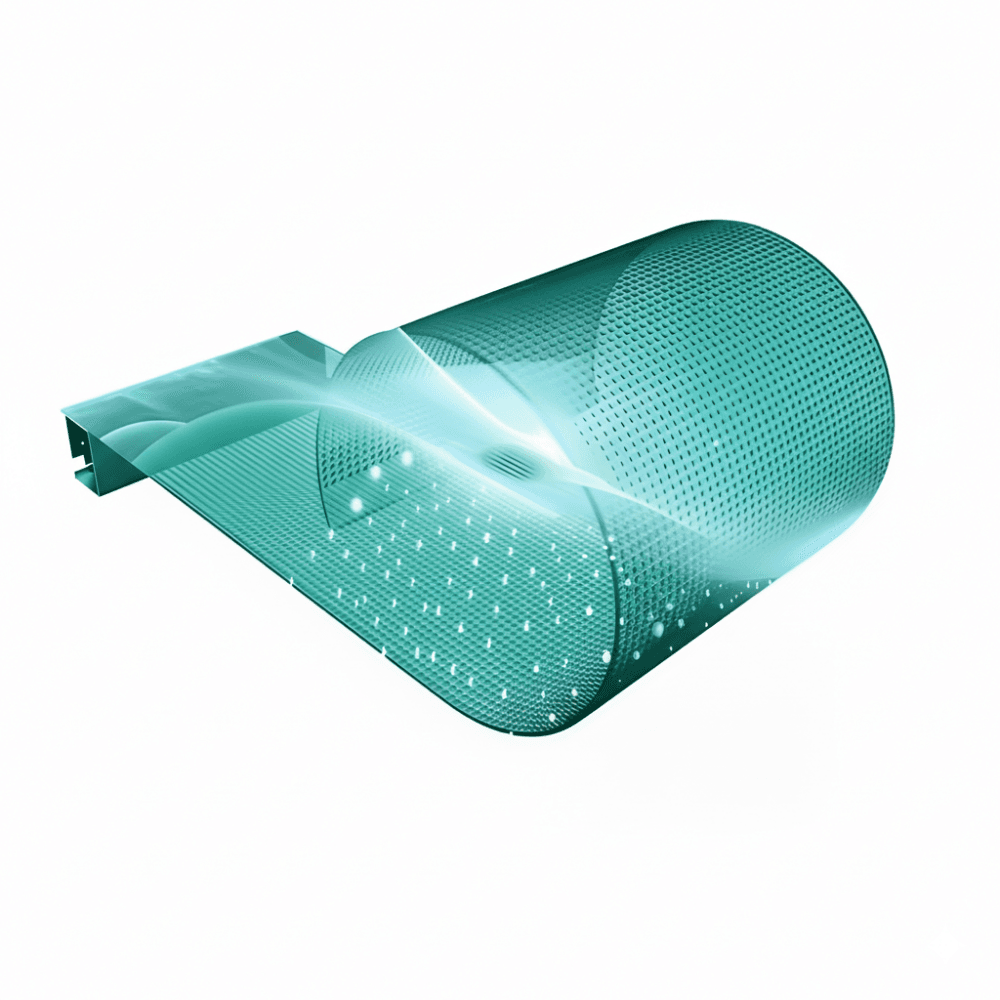
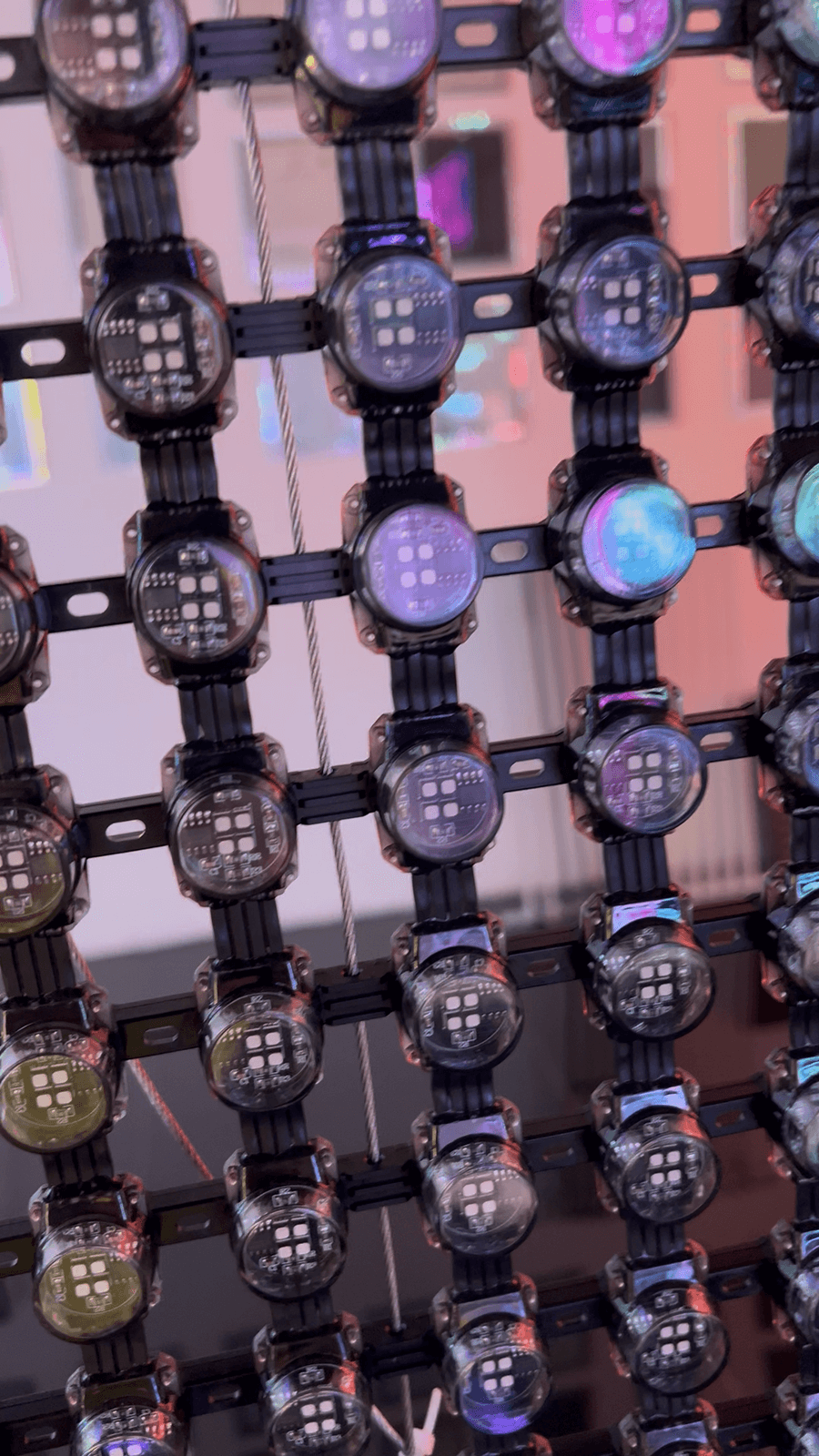
An LED mesh screen is a display made from interconnected LED nodes/strips forming a net-like structure. Instead of rigid cabinets, the display behaves more like a lightweight curtain or mesh panel system.
Why that matters:
If you’re trying to cover a large irregular surface, reduce wind load, or build a “floating” media skin, LED mesh screen is usually the better direction.
Mesh is ideal when you want scale without blocking the building. During the day, the structure remains visually light; at night, it becomes a media surface.
Hanging or tensioned LED mesh can create dramatic interior features without turning the space into an opaque screen wall.
Mesh screens are widely used because they’re lighter and often easier to rig. They can deliver impact while keeping sightlines and airflow.
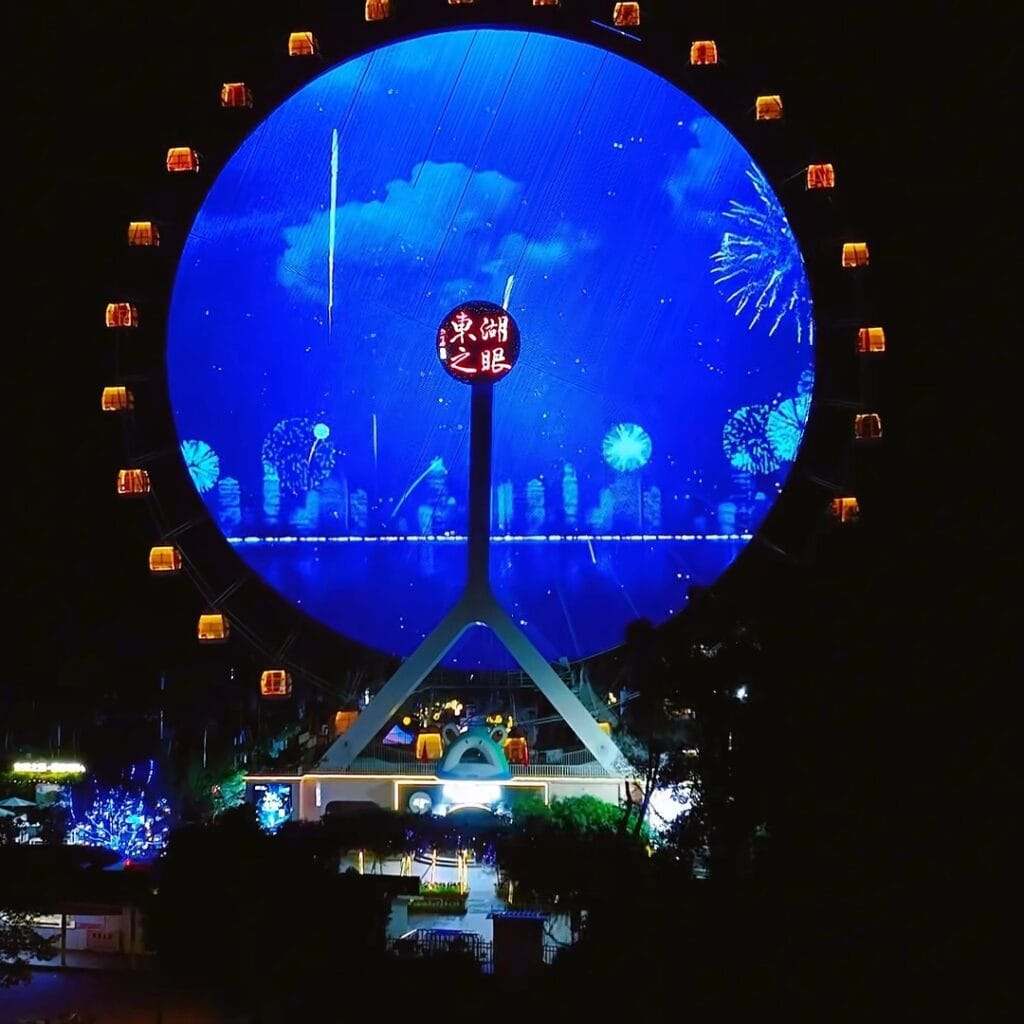
Mesh systems are common in city landmarks because they can follow unusual structures and maintain openness.
Most mesh screen projects fail due to the wrong pitch choice, weak structural planning, or ignoring viewing distance. Focus on these:
Mesh is usually not for “phone-screen detail.” It’s for distance readability. Choose pitch based on the closest realistic viewing point.
Higher openness reduces wind load and improves see-through feel, but also reduces image density. If a client demands both “very transparent” and “high-resolution,” you’ll need to balance expectations.
Define whether the project needs:
For exterior projects, the most common failure points are not LEDs—they’re connectors, joints, and cable exits. Specify properly-rated components and finishing practices.
Mesh screens may be light, but support design still matters:
LED mesh screens are flexible by nature, so deployment is usually one of these:
Common for atriums, stages, and feature skins. The key is stable top support and controlled movement.
Used when you need cleaner geometry and flatter visual planes. Great for façades and installations where the screen must stay “true.”
Mesh can follow curves and irregular architecture better than rigid panels. This is where the category really shines.
Practical note: If the surface is exposed to wind, plan movement limits and strain relief. Mesh screens can move; your wiring and mounting must be designed for that reality.
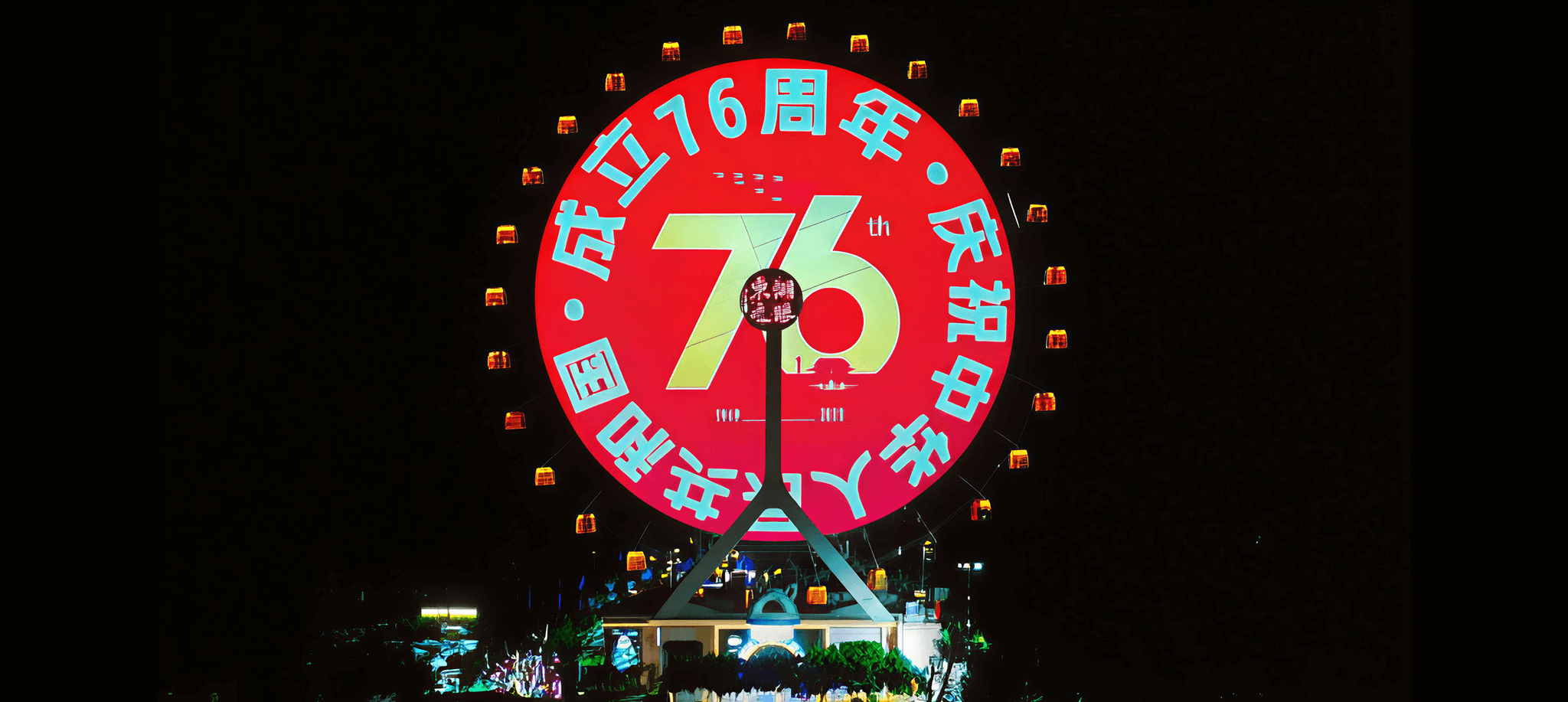
Mesh screens look best with content designed for the structure:
What usually looks bad:
This is a “big canvas” product—treat it like architectural media, not a television.
Choose another product if:
Mesh is powerful, but it’s not meant for “close-up showroom detail.”
Mesh screen projects succeed when the supplier understands structure + control + long-run reliability.
ChinaLEDScreens supports mesh projects with:
We’ll also tell you directly when a mesh screen is the wrong tool and recommend a better fit.

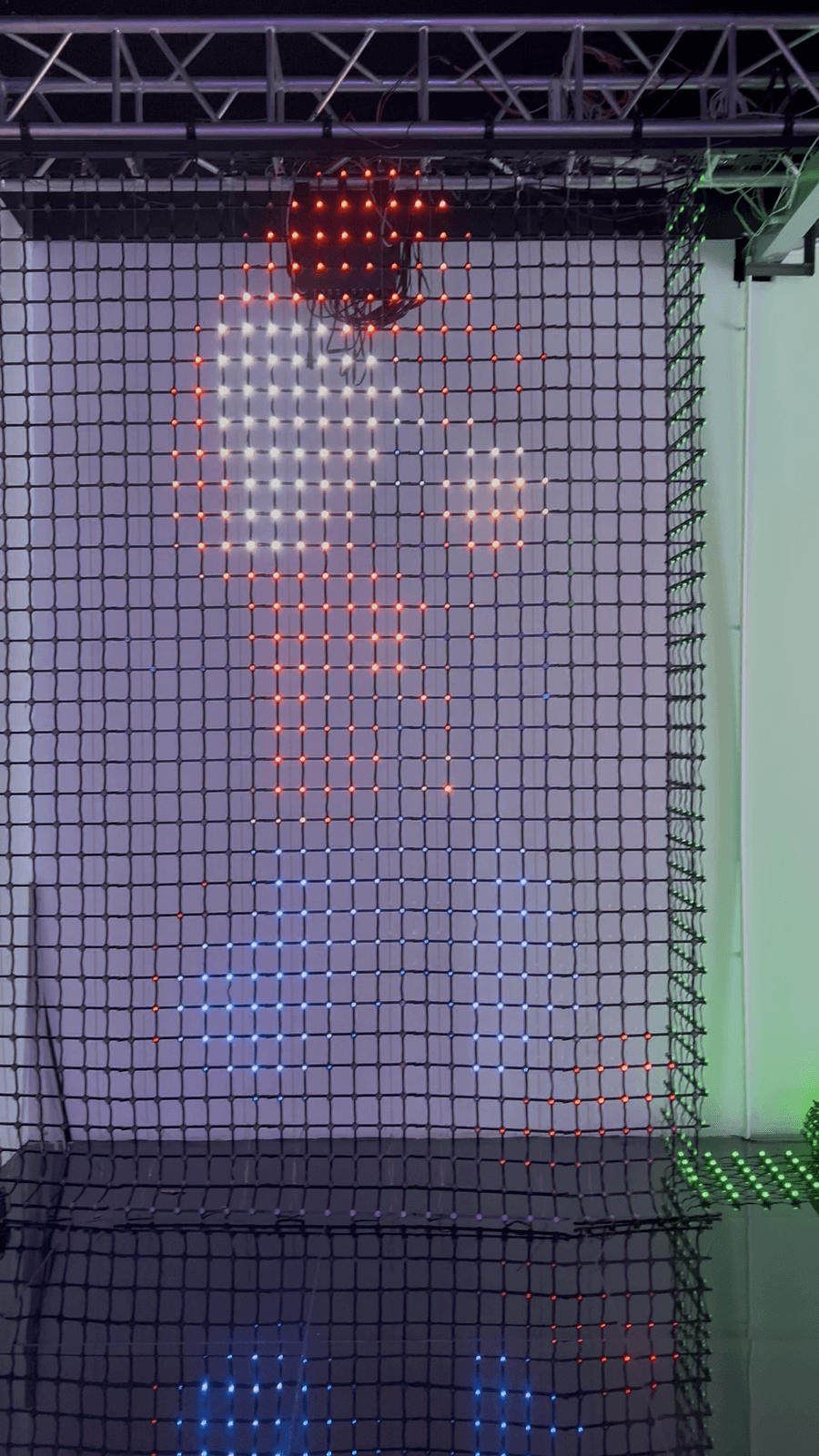
Is LED mesh screen suitable for outdoor façades? Yes, when properly specified for exposure, mounting, and protection—especially because airflow and wind-load behavior are strong advantages.
Does mesh block the building view? It is designed to remain visually light. The perceived openness depends on mesh density and viewing distance.
Can it follow curves or irregular shapes? Yes—this is one of the main reasons mesh screen is chosen over rigid panel systems.
How do we maintain it? Maintenance planning depends on access (catwalk, lift zones, removable sections). We recommend defining service access during design.
Send us:
We’ll recommend a sensible pitch range, mounting approach (hanging vs tensioned), control method, and a project-ready quotation path.